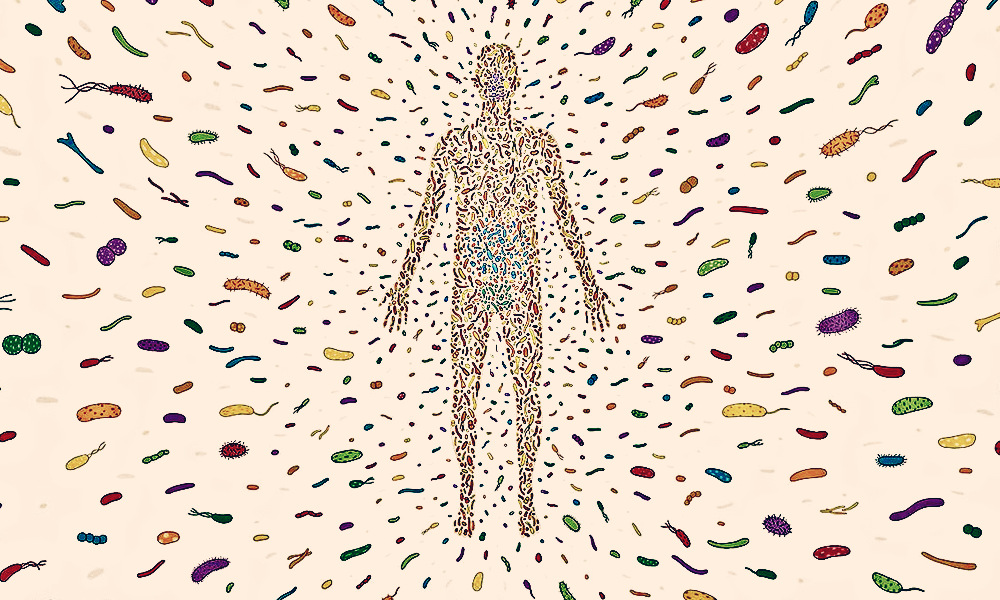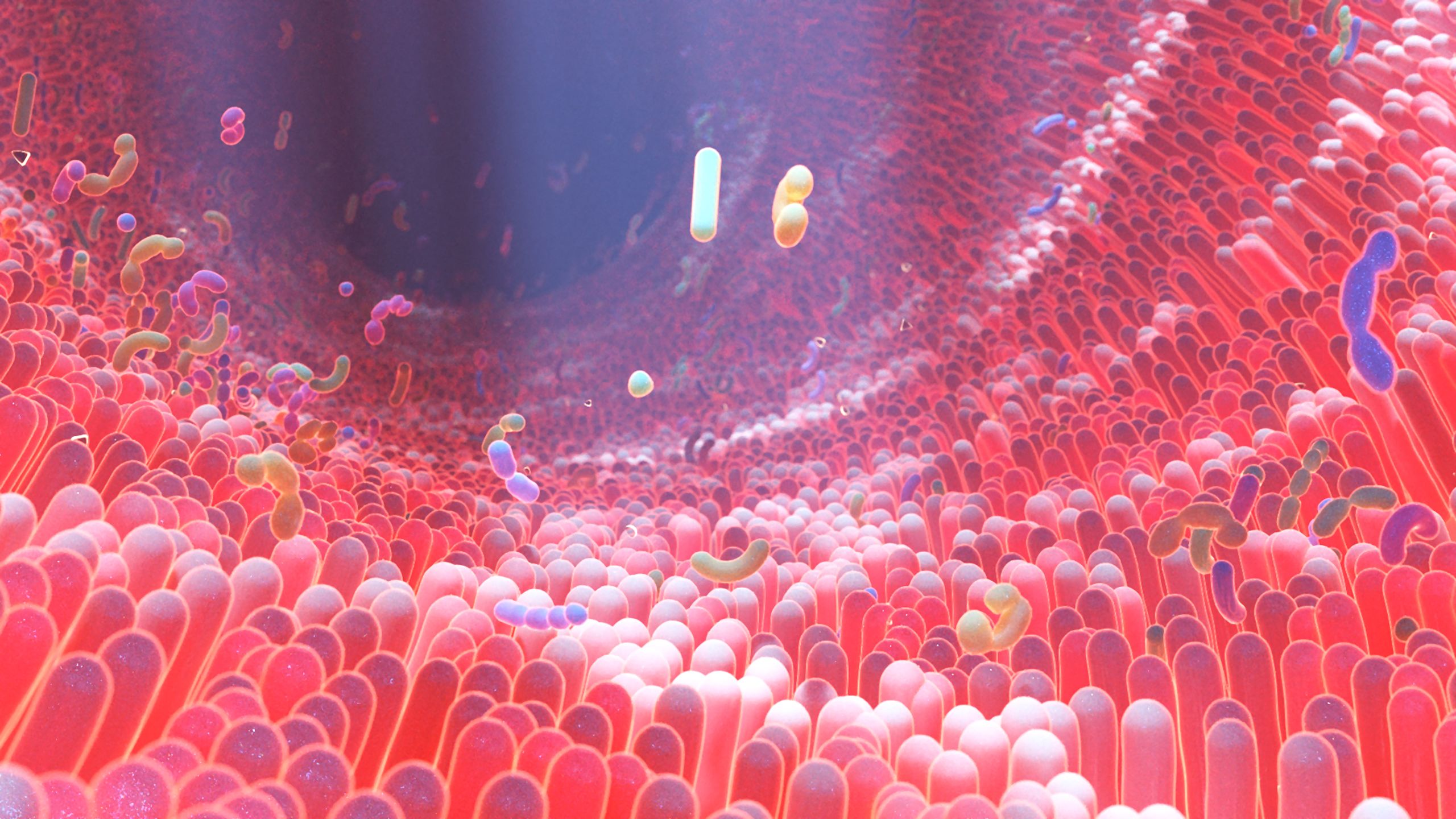
These bacteria could contribute to a healthy gut and, in turn, healthy aging.
Gut Bacteria Change as You Get Older--and May Accelerate Aging
Microbe types in older people’s intestines are different and are linked to disease

Persistence pays off in the human gut microbiome
The human gut microbiome is a complex community of trillions of microbes that are constantly interacting with each other and our bodies. It supports our wellbeing, immune system and mental health—but ...

The Quest for Longevity Is Already Over
Studying people who live well beyond the age of 100 could reveal the secret to living longer, healthier lives. But the statistics tell another story.
This Is The Absolute Easiest Way To Take Your Gut Health From Subpar To Thriving
It's time to make your microbiome a priority.

The gut microbiome may influence brain aging, mouse study suggests
A communication pathway between the brain and the gut may be integral to how well the brain holds on to memories
Study Finds Probiotics 'Not As Beneficial For Gut Health As Previously Thought' - Slashdot
An anonymous reader quotes a report from The Guardian: The gut microbiome is the sum total of all the micro-organisms living in a person's gut, and has been shown to play a huge role in human health. New research has found probiotics -- usually taken as supplements or in foods such as yoghurt, kimch...

Blood type co-determines composition of the gut microbiome
For several years, scientists worldwide have been investigating the extent to which microorganisms living in and on the human body influence central life processes and thus health and disease. Today they ...

The pleiotropic effects of prebiotic galacto-oligosaccharides on the aging gut
Prebiotic galacto-oligosaccharides (GOS) have an extensively demonstrated beneficial impact on intestinal health. In this study, we determined the impact of GOS diets on hallmarks of gut aging: microbiome dysbiosis, inflammation, and intestinal barrier defects (“leaky gut”). We also evaluated if short-term GOS feeding influenced how the aging gut responded to antibiotic challenges in a mouse model of Clostridioides difficile infection. Finally, we assessed if colonic organoids could reproduce the GOS responder—non-responder phenotypes observed in vivo.

Scientists bust myth that our bodies have more bacteria than human cells
Decades-old assumption about microbiota revisited.

Scientists discover links between Alzheimer's disease and gut microbiota | King's College London
New research has identified links between gut bacteria, inflammation and brain changes associated with Alzheimer’s disease.
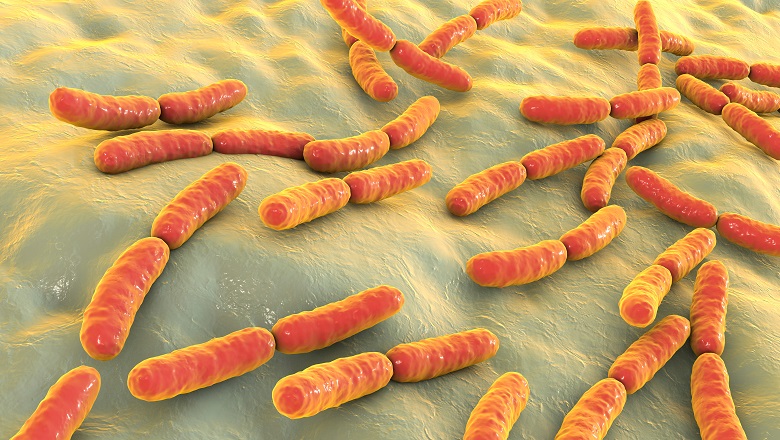
Diet plan tailored to your gut microbiome could lower disease risk
An international team of researchers led from London analysed the diet, health and gut microbiomes of more than 1,100 participants from the UK and the US.

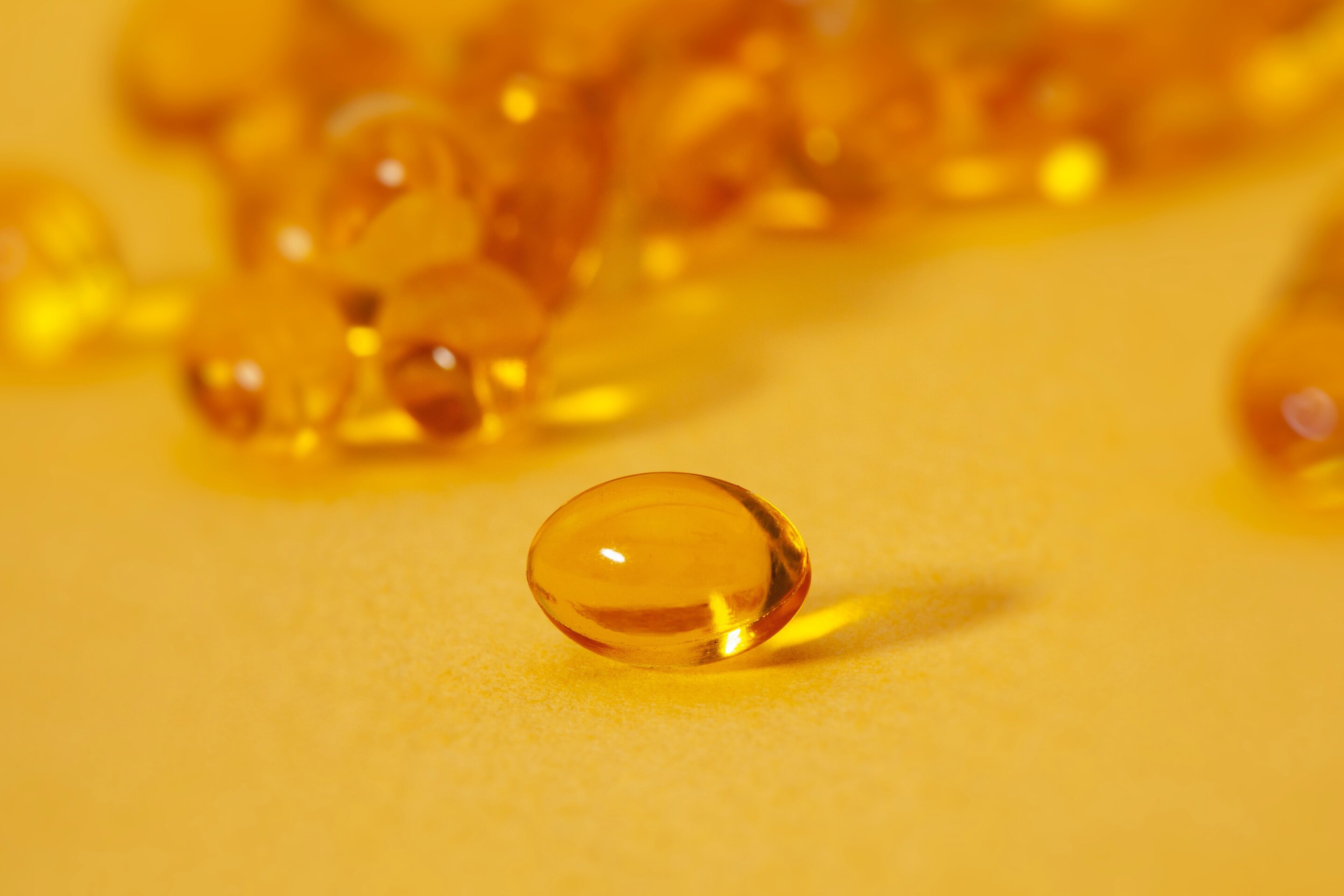
Study reveals connection between gut bacteria and vitamin D levels
Our gut microbiomes—the many bacteria, viruses and other microbes living in our digestive tracts—play important roles in our health and risk for disease in ways that are only beginning to be recognized.
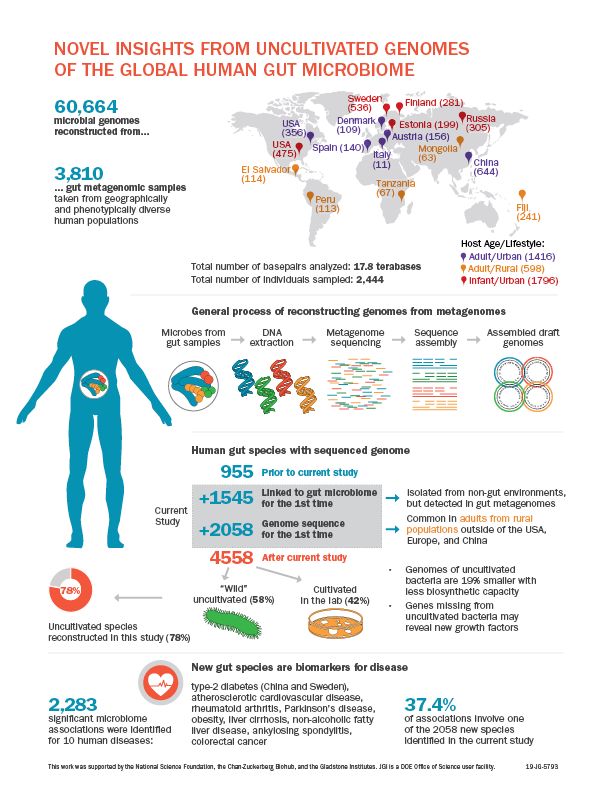
Uncovering Uncultivated Microbes in the Human Gut
Previous studies have estimated that only 50 percent of species in the gut microbiome have a sequenced genome, in part because many species have not yet been cultivated for study.
Bacteria in the gut have a direct line to the brain
With its 100 million neurons, the gut has earned a reputation as the body's "second brain"—corresponding with the real brain to manage things like intestinal muscle activity and enzyme secretions. A growing ...

Microbiologist tries at-home test kits to see what they reveal about microbiome
You and the trillions of microbes in your gut can live in harmony.
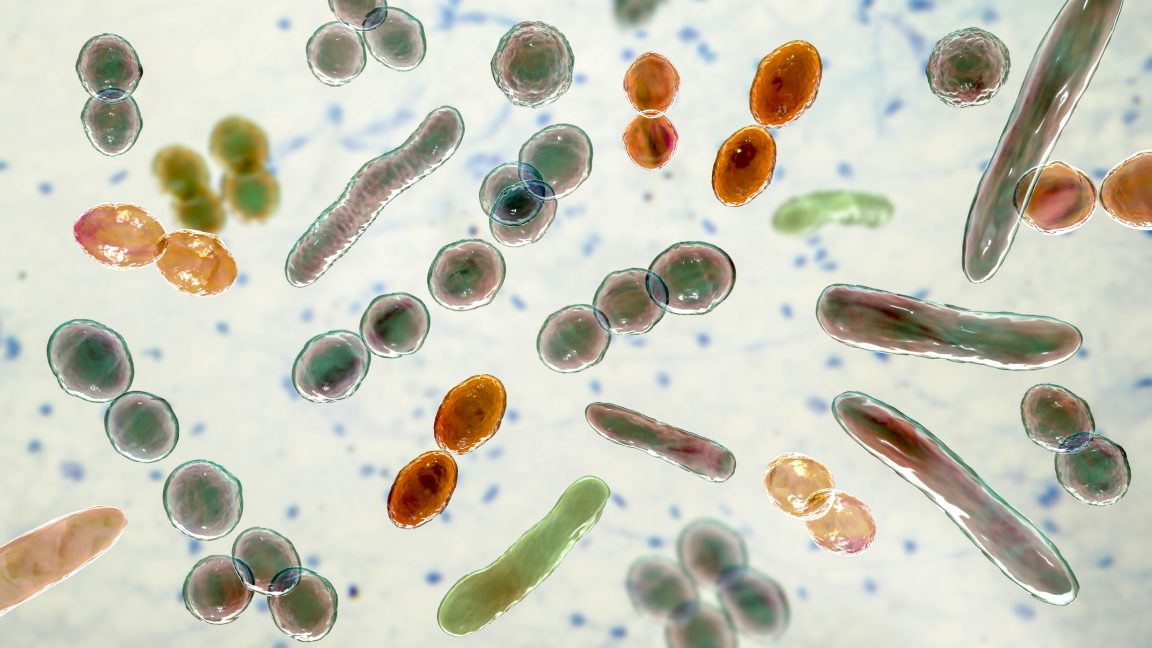
The Invisible Organ Shaping Our Lives: Milestones in Human Microbiota Research - The MIT Press Reader
A survey of over 300 years of microbiome research.