

Feeling as though nobody gets you may be linked to persistent thoughts of death.
People Experience 'New Dimensions of Reality' When Dying, Groundbreaking Study Reports - Slashdot
An anonymous reader quotes a report from Motherboard: Scientists have witnessed brain patterns in dying patients that may correlate to commonly reported "near-death" experiences (NDEs) such as lucid visions, out-of-body sensations, a review of one's own life, and other "dimensions of reality," repor...

In the Midst of Death
If the universe can’t outlive or transcend individual consciousness, does death even really exist?
Managing intrusive thoughts | Lifeline
Dealing with overwhelming and distressing thoughts can be difficult, but knowing how to handle them can make a big difference to how you feel. Learn why you might be experiencing intrusive thoughts and strategies that can help you manage them.

What It Felt Like to Almost Die
My near-death experience taught me not to fear those final moments

A startup is pitching a mind-uploading service that is “100 percent fatal”
Nectome will preserve your brain, but you have to be euthanized first.

Death to Bullshit
If you think about it, our attention is the only thing we truly own in our lives. Our possessions can go away. Our bodies can be compromised. Our relationships can fall apart. Even our memories and intellectual capacity fade away.

‘I created my mom and talk to her’: AI ghosts and deathslop are changing the way we mourn
The rise of AI-generated tributes and bots for ‘talking’ to the dead has experts concerned more people will grieve in isolation
Methodology in Research on the Rainbow Body: Anthropological and Psychological Reflections on Death and Dying
The rainbow body research project, engaging claims of spiritual attainment and personal transformation, enables us to examine key features of anthropological research. Engagement with communities of discourse exposed aspects of the artificial emic–etic divide, allowing the anthropological study of religion to advance methods in religious studies. The study of paranormal phenomena cannot be isolated from societal contextualization. In this instance, a study of death and dying, contextualized in a traditional community, required unique features of engagement for the researcher who would be present to the social dynamics surrounding the death of a person of high repute.
The slow death of purposeless walking
A number of recent books have lauded the connection between walking and thinking. But are people losing their love of the purposeless walk?

People prefer electric shocks to time alone with thoughts - The Boston Globe
In the rush of every day life, many people <i>say</i> they crave a moment of peace, but a startling new study finds that people don’t much enjoy spending even 10 minutes alone with their thoughts. In fact, our own minds are so intolerable that many people chose to administer painful electric shocks to themselves rather than sit in quiet contemplation, researchers from the University of Virginia and Harvard discovered.

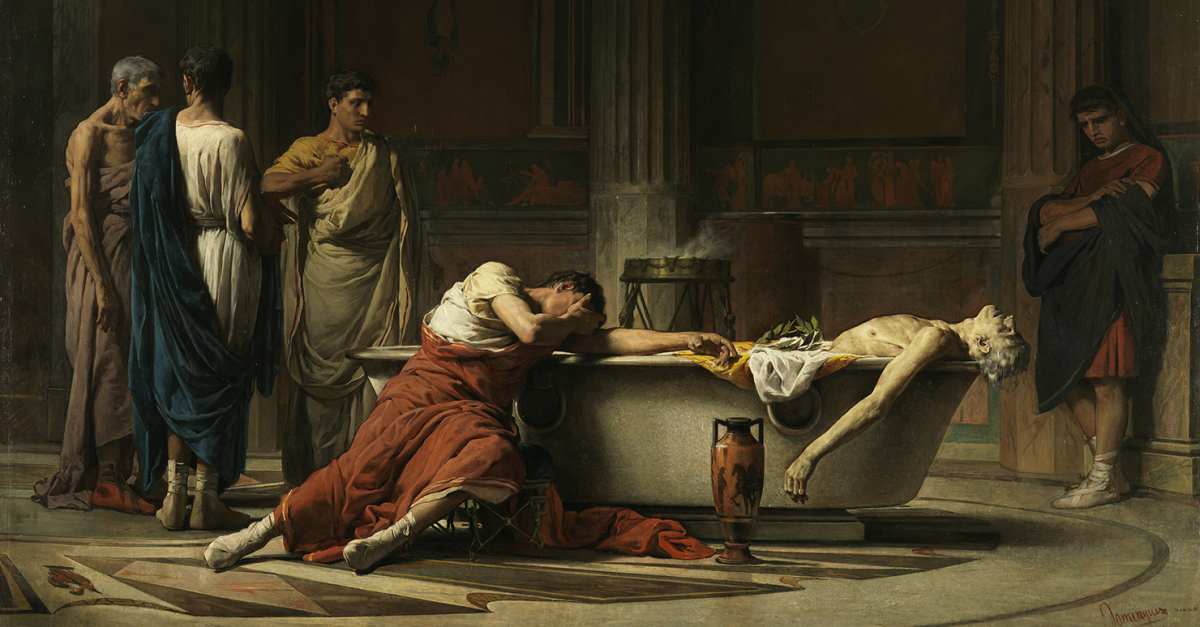
Extropia's Children, Chapter 2: This Demon-Haunted World
The rise of the rationalist movement has led to multiple strange and dark offshoots - demons, cults, hells, suicides. How and why could dedication to rational thought result in such fantastically weird and grim outcomes?
Refugees and Searchers Go to the Movies – First of the Month
Spielberg lets the screen go black for about five seconds. The communal experience of film-going then becomes a shared nightmare. With the screen unlit, the emergency lights in the theater are the only source of illumination. If you jump (as I did), you fear for a moment that the movie has stopped—the reel fallen off its plate, the fantasy interrupted by unfunny, drop-dead reality. “Are we still alive?” whispered by Farrier’s daughter Rachel (Dakota Fanning) is an inquiry that invokes our own doubts about our safety, our capacity to dream, our possible awakening to dire reality. It recalls how many people felt after 9/11. Are we dreaming? Are we still alive? Bringing everyday experience and existential contemplation together so forcefully, Spielberg joins the ranks of the most audacious avant-garde filmmakers: He turns the popcorn movie experience into a consideration of the abyss.
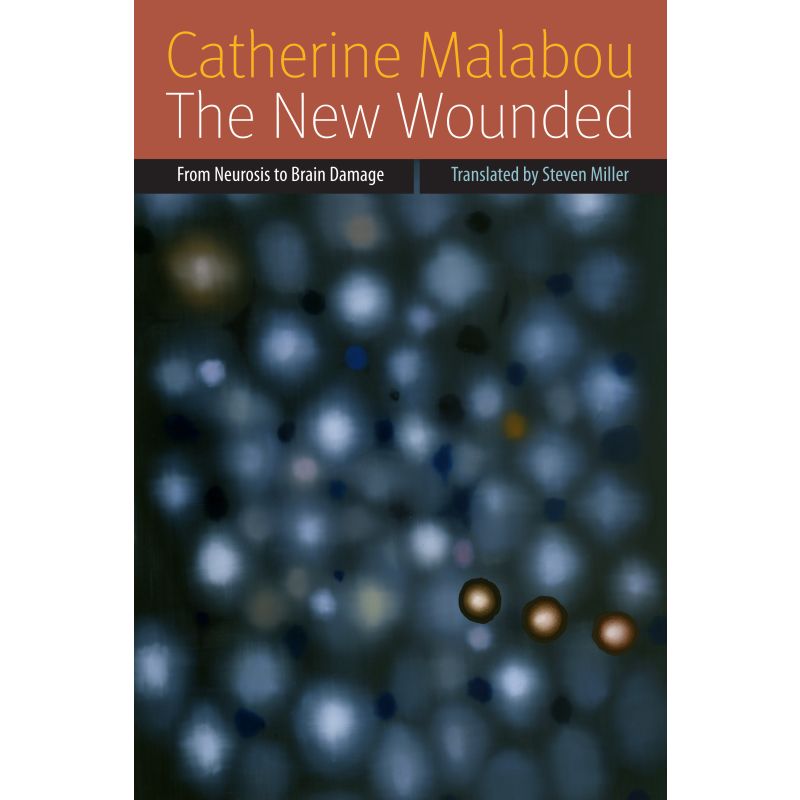
The New Wounded
This book addresses the issue of trauma and psychic wounds to stage a confrontation between psychoanalysis and contemporary neurobiology. In so doing, it reevaluates the brain as an organ that is not separated from psychic life but rather appears as its very locus. A philosophical approach of the “new wounded” (brain lesion patients) forms the matter of the confrontation.
A Nihilist's Guide to Meaning
I've never been plagued by the big existential questions. You know, like What's my purpose? or What does it all mean?
