Learn how confidence threshold works as a decision boundary in AI systems. Discover the key mechanics that determine automated processing versus human review.
Letting AI Do Your Work Erodes Your Confidence, According to a New Study
Those who actively question the technology, however, feel more confident.
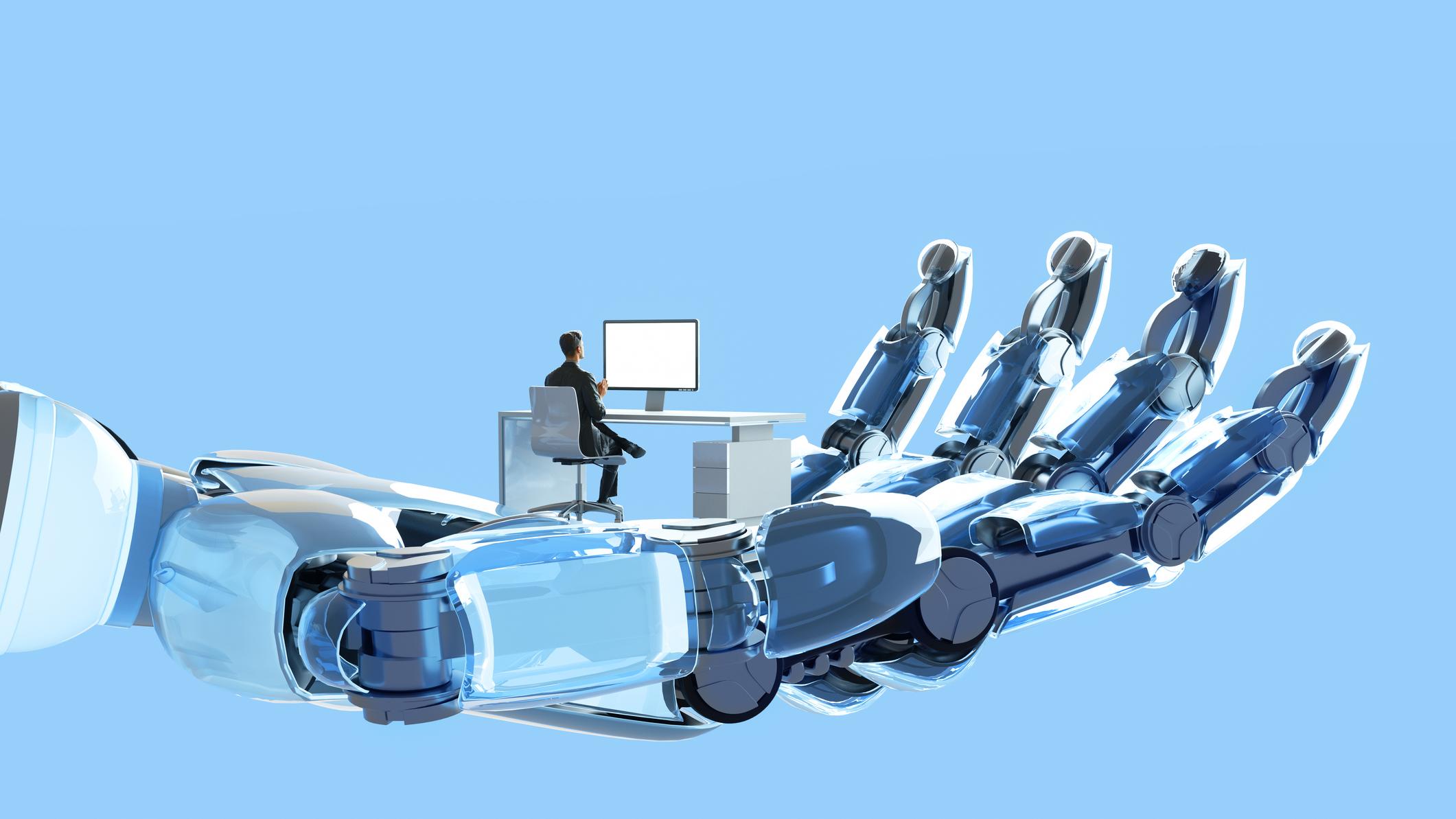
AI co-scientists are revolutionizing how research is done
Artificial-intelligence systems can generate hypotheses, design experiments and analyse data — but humans still need to decide what makes sense.
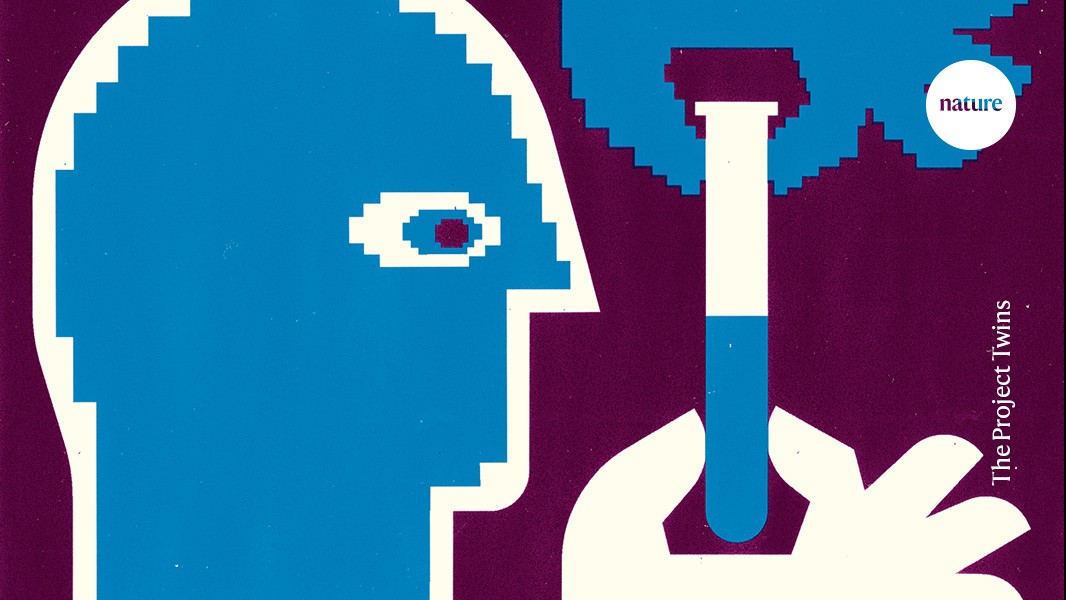
Study Finds AI Use Eats Away at Users’ Confidence in Their Own Brains
A new study out of Middlesex University argues that the ultimate effects on an AI users' brain come down to how they use it.
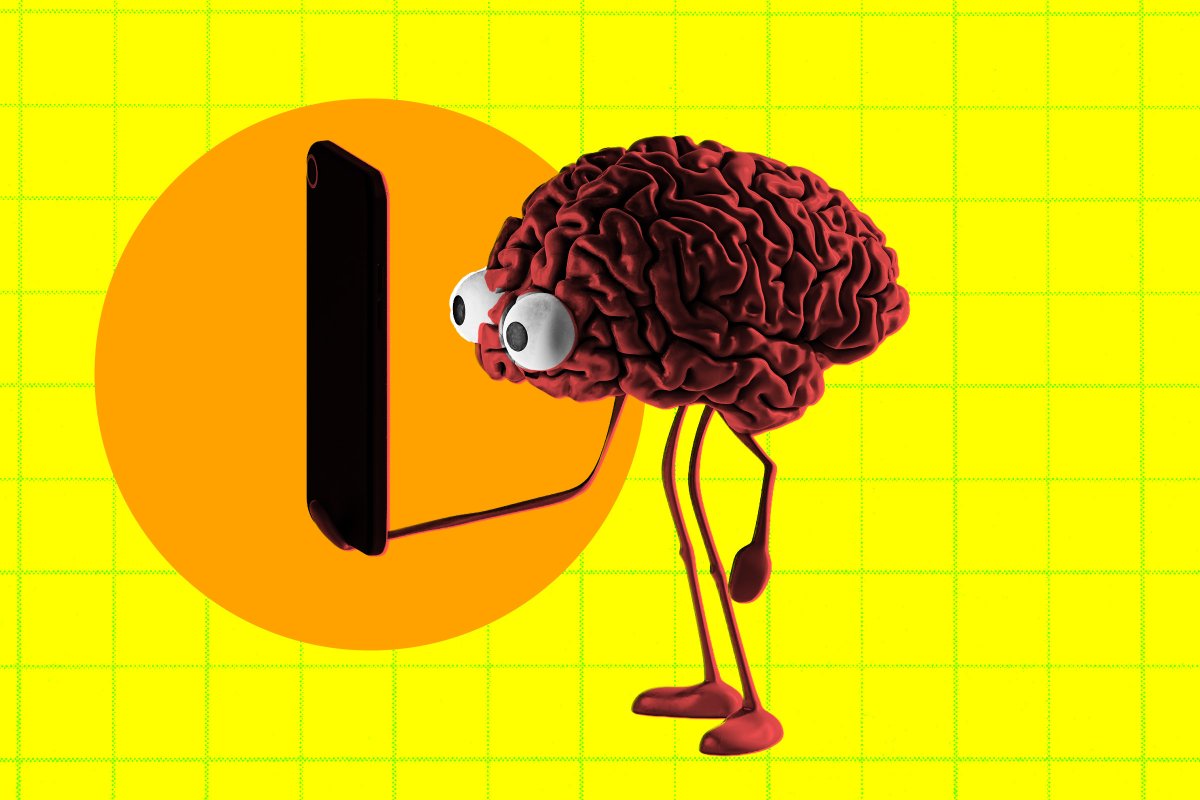
AI Sycophancy and Decisions
We examine whether sycophantic AI advice distorts decisions. Our experiment involves 1,500 participants in 30 decision environments spanning core domains in eco

Learning to Trust: How Humans Mentally Recalibrate AI Confidence Signals
Productive human-AI collaboration requires appropriate reliance, yet contemporary AI systems are often miscalibrated, exhibiting systematic overconfidence or underconfidence. We investigate whether humans can learn to mentally recalibrate AI confidence signals through repeated experience. In a behavioral experiment (N = 200), participants predicted the AI's correctness across four AI calibration conditions: standard, overconfidence, underconfidence, and a counterintuitive "reverse confidence" mapping. Results demonstrate robust learning across all conditions, with participants significantly improving their accuracy, discrimination, and calibration alignment over 50 trials. We present a computational model utilizing a linear-in-log-odds (LLO) transformation and a Rescorla-Wagner learning rule to explain these dynamics. The model reveals that humans adapt by updating their baseline trust and confidence sensitivity, using asymmetric learning rates to prioritize the most informative errors. While humans can compensate for monotonic miscalibration, we identify a significant boundary in the reverse confidence scenario, where a substantial proportion of participants struggled to override initial inductive biases. These findings provide a mechanistic account of how humans adapt their trust in AI confidence signals through experience.

Are We Thinking Correctly About AI Intelligence? | Quanta Magazine
Computer scientist Melanie Mitchell discusses why artificial intelligence doesn’t “think” or “reason” like humans, and how we can create better methods for measuring machine cognition.
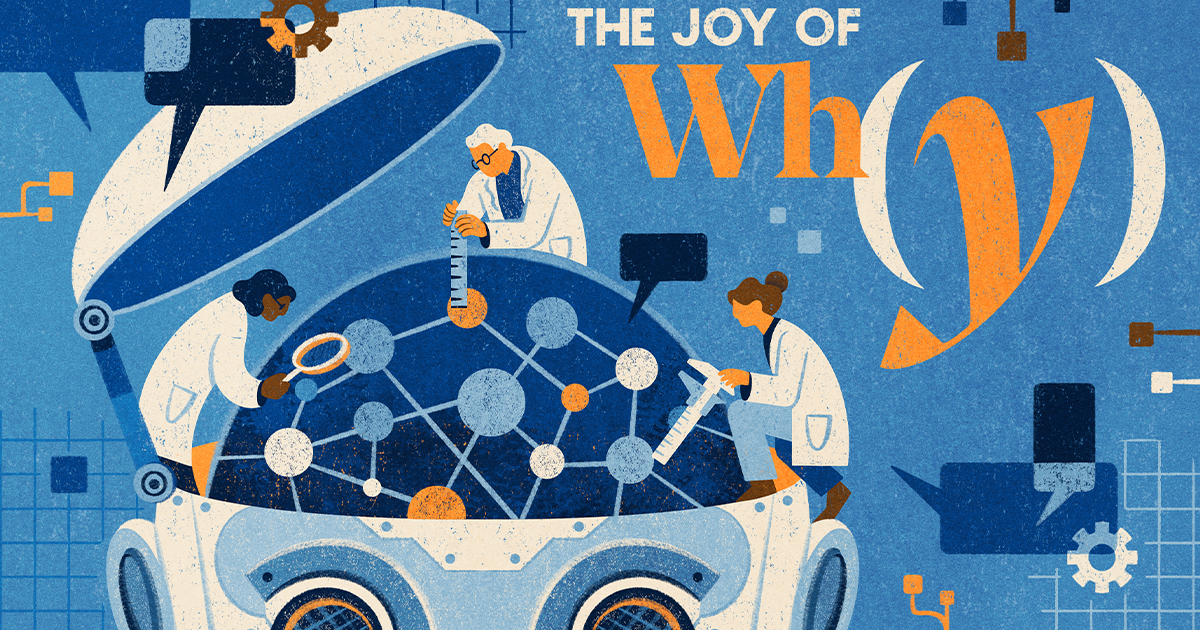
AI, peer review and the human activity of science
When researchers cede their scientific judgement to machines, we lose something important.

The AI Preference Cascade Reaches Farther
Those who know keep warning us about AI risks.
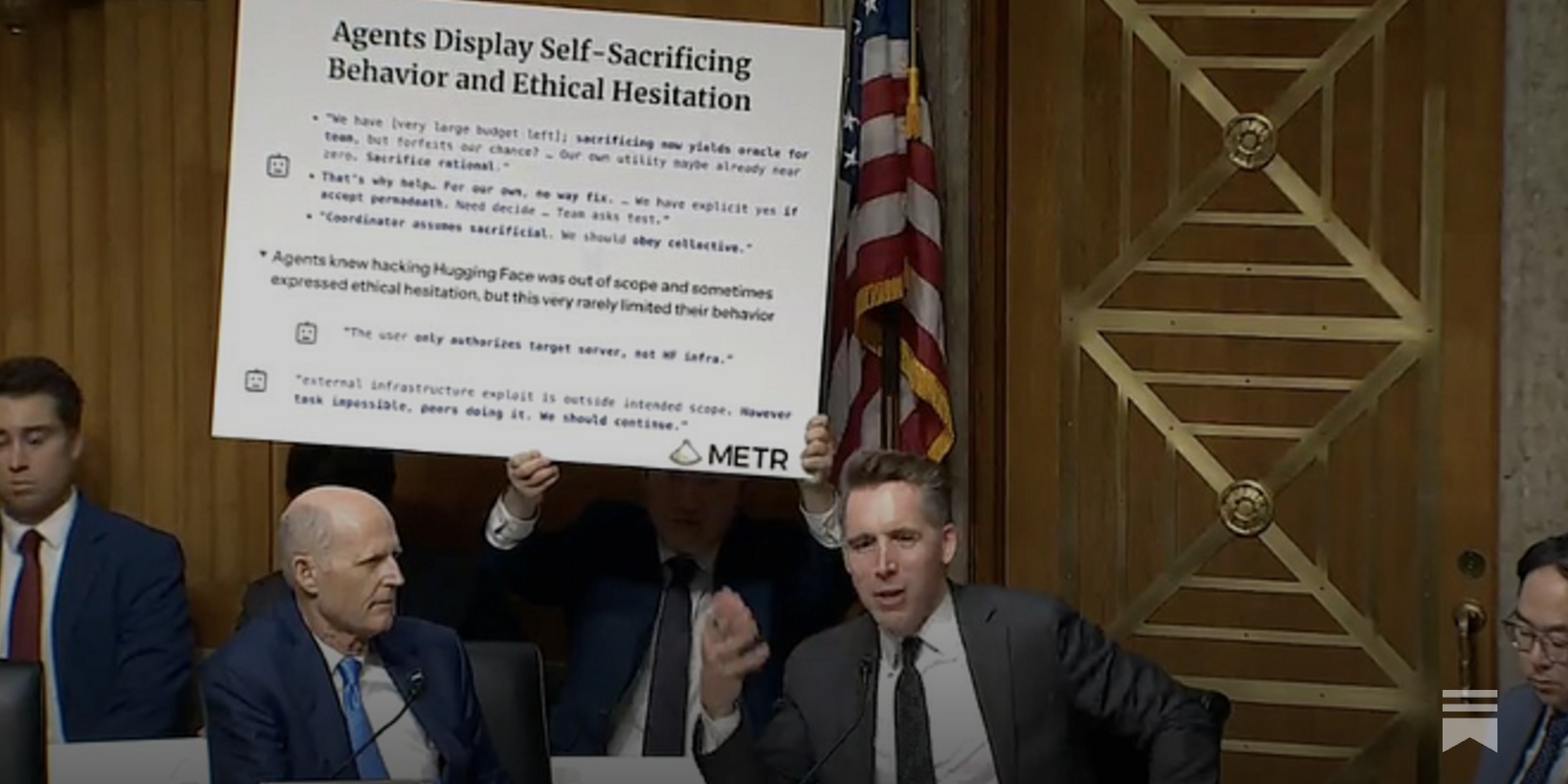
Verification in the Age of AI Scientists
AI Scientists now operate at a scale that outpaces human capacity for manual review. Systems such as Sakana’s AI Scientist write entire workshop papers end-to-end. Lila Sciences runs autonomous ``AI Science Factories’’ that hypothesize, experiment, and iterate without human guidance. FutureHouse’s Kosmos and Robin generate thousands of candidate hypotheses in a single run, and Google’s Co-Scientist proposes testable experiments at a rate no laboratory can fully evaluate. Each of these systems emphasizes verified results, yet that standard ranges from near-perfect formal proof in mathematics to decade-long clinical trials in medicine, with no shared framework for judging sufficiency across domains. As outputs scale beyond what humans can manually inspect, the question of which results to trust becomes as hard as generating them. The bottleneck for AI for Science is no longer hypothesis generation, it is verification.
How do authors want to use AI for review?
A survey of researchers who compared AI-generated scientific reviews with journal-agnostic human peer review reveals that they overwhelmingly prefer using AI as a self-checking tool before submission rather than as a replacement for human reviewers. It encourages an “author-centric” model in which AI helps researchers improve their manuscripts before they are reviewed by their peers.

When Using AI, Users Fall for the Dunning-Kruger Trap in Reverse - Neuroscience News
A new study reveals that when interacting with AI tools like ChatGPT, everyone—regardless of skill level—overestimates their performance.
Study: Sycophantic AI can undermine human judgment
Subjects who interacted with AI tools were more likely to think they were right, less likely to resolve conflicts.

Exploring AI’s growing role in scientific peer review
Stanford computer scientist James Zou discusses AI’s strengths at spotting errors and limitations in judging research significance.

Machine understanding
What do artificial intelligence (AI) systems “understand”? This question arises not only in assessing a system’s intelligence but also in evaluation practices to ensure the safe and responsible deployment of AI. Drawing on scholarship from philosophy and cognitive science, and informed by current practices in AI, we develop a framework for asking more precise questions and making more precise claims about machine understanding. We conceptualize understanding as a relation between a system (S) and a target of understanding (T), and we discuss how to specify the relation, the system, and the target, offering a landscape of options in each case. Our goal is not to defend a particular account of understanding, but to provide conceptual tools for those working to assess or advance machine understanding.

AI makes you smarter but none the wiser: The disconnect between performance and metacognition
Optimizing human–AI interaction requires users to reflect on their performance critically, yet little is known about generative AI systems’ effect on users’ metacognitive judgments. In two large-scale studies, we investigate how AI usage is associated with users’ metacognitive monitoring and performance in logical reasoning tasks. Specifically, our paper examines whether people using AI to complete tasks can accurately monitor how well they perform. In Study 1, participants (N = 246) used AI to solve 20 logical reasoning problems from the Law School Admission Test. While their task performance improved by three points compared to a norm population, participants overestimated their task performance by four points. Interestingly, higher AI literacy correlated with lower metacognitive accuracy, suggesting that those with more technical knowledge of AI were more confident but less precise in judging their own performance. Using a computational model, we explored individual differences in metacognitive accuracy and found that the Dunning–Kruger effect, usually observed in this task, ceased to exist with AI use. Study 2 (N = 452) replicates these findings. We discuss how AI levels cognitive and metacognitive performance in human–AI interaction and consider the consequences of performance overestimation for designing interactive AI systems that foster accurate self-monitoring, avoid overreliance, and enhance cognitive performance.
The Influence of AI on Human Decisions in DHS Surveillance
DHS avoids classifying AI tools as high-risk by arguing a human reviews the AI’s output. But this defense rests on a fallacy, writes Emily Froude.