

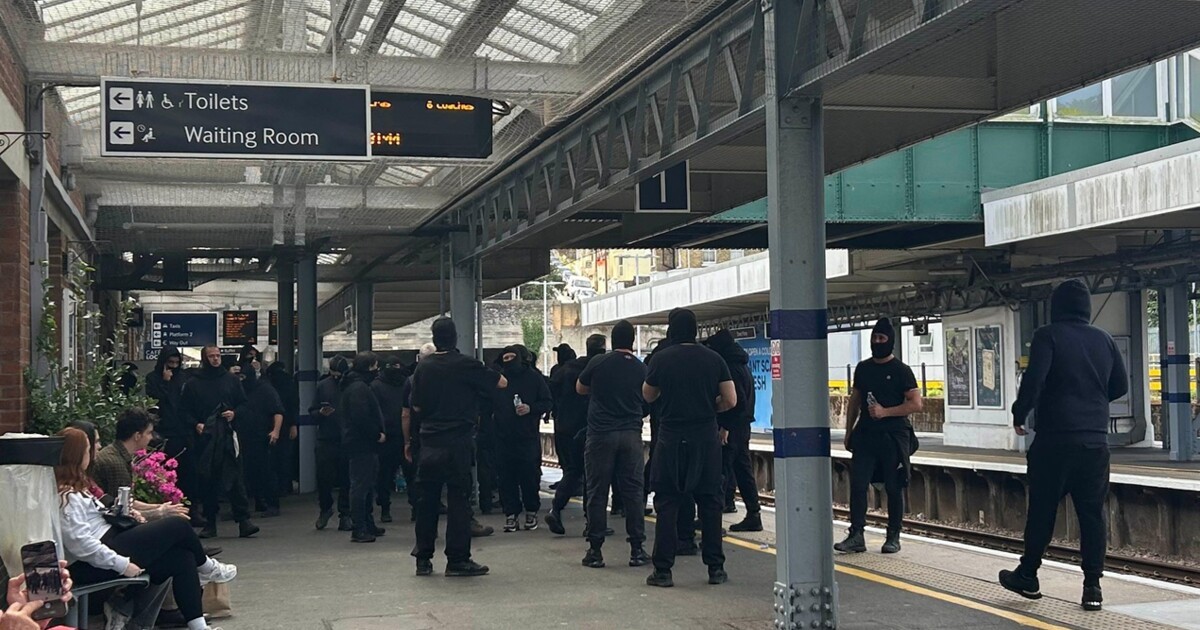
The emergence of Patriot Platform is not necessarily a sign that the far right is getting its way. Radical right-wing...
Technically Radical
Over 2024, we saw major tech investors and company owners overtly turn toward the right, overtly backing Donald Trump in his electoral campaign. This group of individuals, which commentators have taken to calling the “Tech Right”, are motivated by various concerns like the attempts by the Biden administration to regulate them and a general backlash against “wokeness”. Representative individuals and their respective justifications can be found in things like Marc Andreessen's essay The Techno-Optimist Manifesto or books like Balaji Srinivasan’s The Network State, and Alexander Karp and Nicholas Zamiska’s The Technological Republic.
The Reform Councillors Embedded in Britain’s Masked 'Patriot' Anti-Migrant Network
A Reform councillor and campaign co-ordinater urged his followers to join and support the masked group
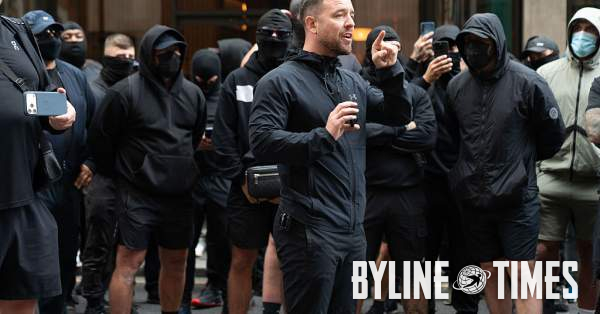
The Trump administration’s global campaign against ‘radical left terrorism’ is built on a national security memo without congressional approval
Almost a year after President Trump authorized preemptive law enforcement measures based on political or ideological beliefs, a wave of terrorism prosecutions against left-wing protesters has begun.
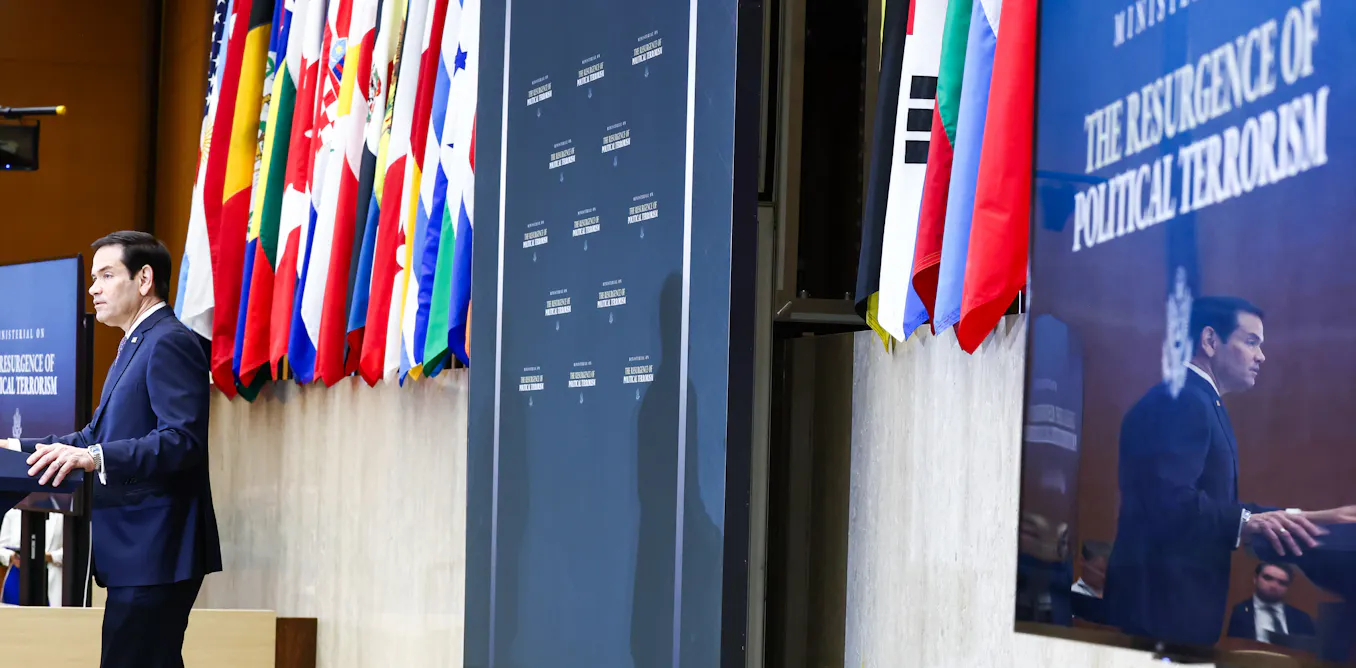
The Trump administration’s global campaign against ‘radical left terrorism’ is built on a national security memo without congressional approval
Almost a year after President Trump authorized preemptive law enforcement measures based on political or ideological beliefs, a wave of terrorism prosecutions against left-wing protesters has begun.
When Do Parties Lie? Misinformation and Radical-Right Populism Across 26 Countries - Petter Törnberg, Juliana Chueri, 2026
The spread of misinformation has emerged as a global concern. Academic attention has recently shifted to emphasize the role of political elites as drivers of mi...

The far right is acting as one party. When will we? | Euractiv
Liberal institutions treat each surge of populism as a domestic challenge to be managed within national elections or courts. Meanwhile the far right amplifies each other’s victories, recycles each other’s talking points, and shares disinformation

Liberalism Won't Admit What it Actually Stands For
The new right: Anatomy of a global political revolution – European Council on Foreign Relations
The thinkers and ideas of the rising nationalist right merit the political mainstream's attention. Only by understanding them can it build a resilient counter-p

Left & Right: The Psychological Significance of a Political Distinction
This book brings together for the first time an updated, revised collection of influential essays and articles that capture some of the most exciting scientific and scholarly contributions to the topic ...

The Longest Suicide Note in American History
The Trump administration’s new National Security Strategy targets liberal democracy itself.
Macron’s mission: Le Pen-proof France before the 2027 election
The far-right National Rally is already calling foul over controversial personnel moves.

It’s Not Polarization; It’s the Radicalization of the Political Right
Polarization has become the master concept for diagnosing contemporary democratic crises. The notion denotes three features: symmetry between parties, politics as an opinion space where positions diverge, and mutual repulsion between opposing camps. Yet none of these capture current realities. Across democracies, the central dynamic is not two poles drifting apart but the transformation of the political right into authoritarianism, norm breaking, and openness to political violence. Social democratic and center-right parties tend to respond in the opposite way from what “polarization” implies: by accommodating rightward. Attempts to salvage the polarization frame with modifiers (“asymmetric,” “affective,” “sectarian,” “pernicious”) concede these realities but risk hollowing out the concept’s definitional core. These limitations reveal a deeper misdiagnosis: when one party turns antidemocratic and illiberal, incivility and conflict are inevitable—but they are symptoms, not the root problem. Misdiagnosing them as the central issue leads to viewing civility and compromise as remedies, thereby risking the legitimation of authoritarian actors. This article proposes an alternative lens: the radicalization of the political right. Developed in the study of extremism, the radicalization framework better captures asymmetric change, identity-driven politics, and the mainstreaming of illiberalism. It foregrounds identity fusion, threat narratives, elite entrepreneurship, and escalation. Concepts are never politically innocent and persisting with “polarization” risks both misdiagnosing and normalizing authoritarian threats.
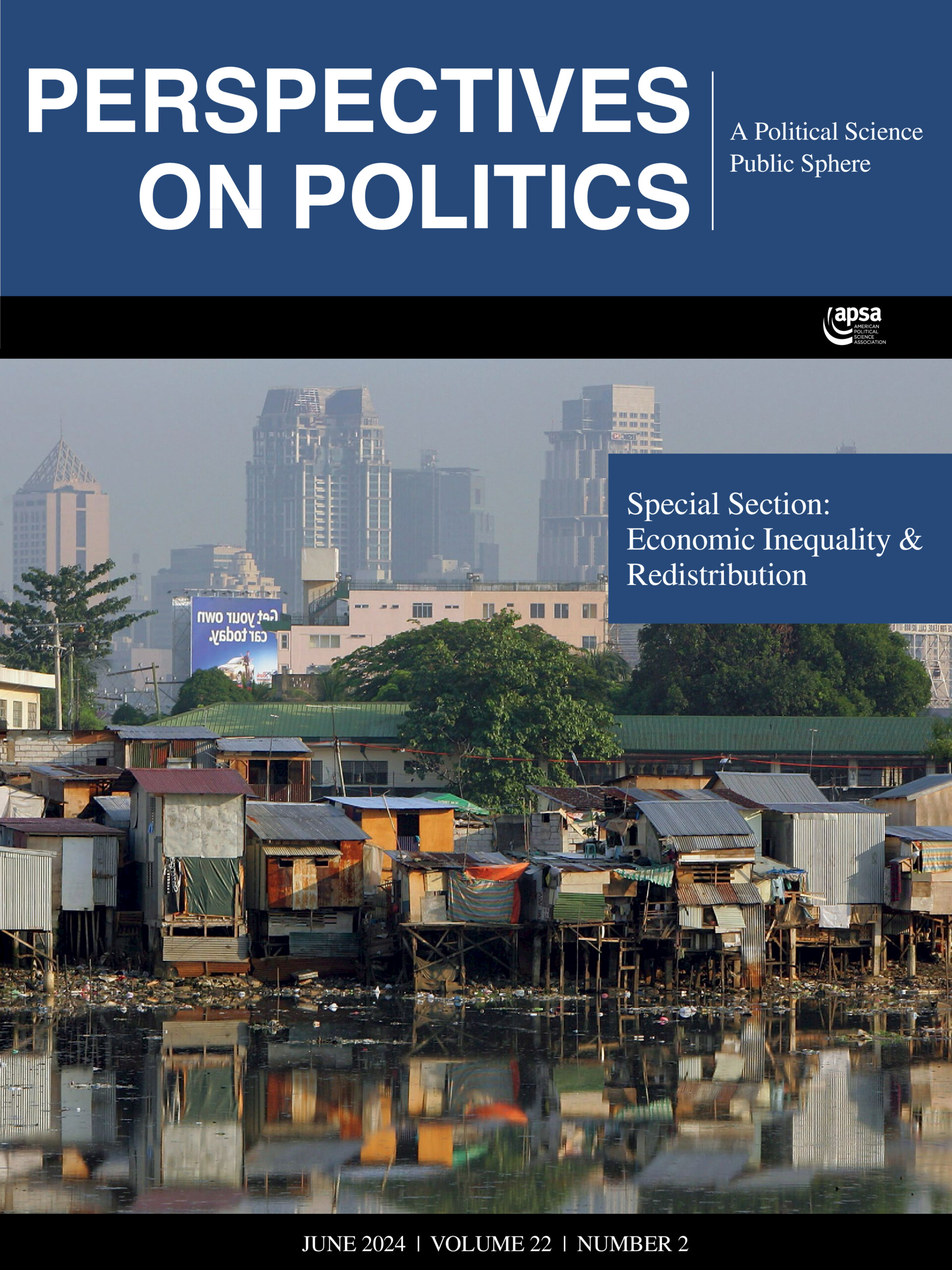
It’s Not Polarization; It’s the Radicalization of the Political Right
Polarization has become the master concept for diagnosing contemporary democratic crises. The notion denotes three features: symmetry between parties, politics as an opinion space where positions diverge, and mutual repulsion between opposing camps. Yet none of these capture current realities. Across democracies, the central dynamic is not two poles drifting apart but the transformation of the political right into authoritarianism, norm breaking, and openness to political violence. Social democratic and center-right parties tend to respond in the opposite way from what “polarization” implies: by accommodating rightward. Attempts to salvage the polarization frame with modifiers (“asymmetric,” “affective,” “sectarian,” “pernicious”) concede these realities but risk hollowing out the concept’s definitional core. These limitations reveal a deeper misdiagnosis: when one party turns antidemocratic and illiberal, incivility and conflict are inevitable—but they are symptoms, not the root problem. Misdiagnosing them as the central issue leads to viewing civility and compromise as remedies, thereby risking the legitimation of authoritarian actors. This article proposes an alternative lens: the radicalization of the political right. Developed in the study of extremism, the radicalization framework better captures asymmetric change, identity-driven politics, and the mainstreaming of illiberalism. It foregrounds identity fusion, threat narratives, elite entrepreneurship, and escalation. Concepts are never politically innocent and persisting with “polarization” risks both misdiagnosing and normalizing authoritarian threats.
‘Polarization’ has become the master concept for diagnosing our current democratic crisis. But this is not polarization. It is the radicalization of the political right. By misdiagnosing it, we risk becoming complicit in the crisis. 🧵 Just out in Perspectives on Politics doi.org/10.1017/S1537592726105246

