
In our society the classic three ways of making a fortune still apply: inherit it, marry it, or steal it. But for an...
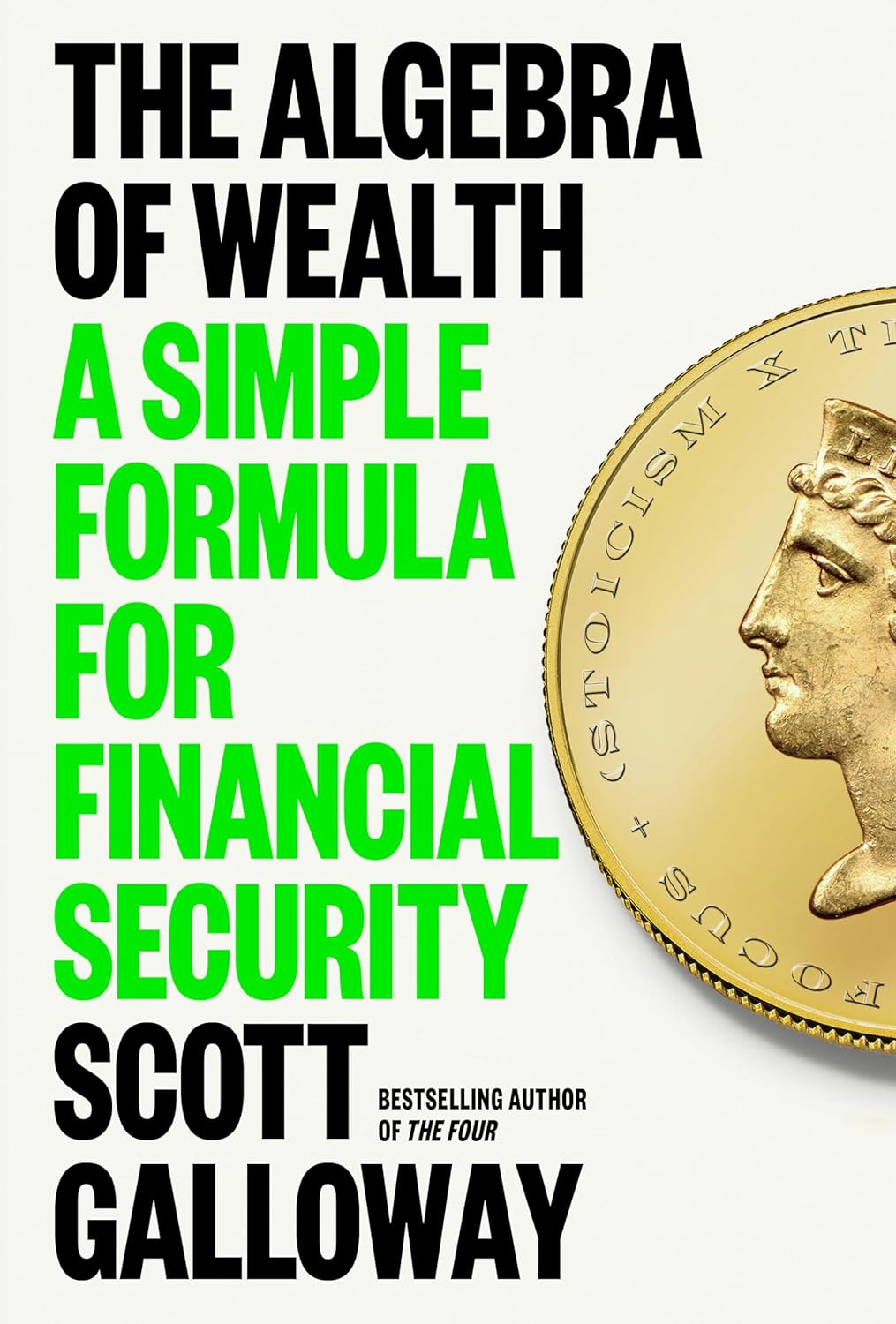
The Algebra of Wealth: A Simple Formula for Financial Security by Scott Galloway
A must-have guide to optimizing your life for wealth and success, from bestselling author, NYU p...
A Star Investor's Tale of Risk, Ruin & Reinvention w/ Victor Haghani (RWH071)

Harry Browne’s 17 Golden Rules of Financial Safety
When you read in the news that a person whom you know as rich and wealthy is in financial trouble or has declared bankruptcy, it is easy to feel a sense of futility about managing your own money. Y…

Le capitalisme de la finitude : pessimisme et bellicisme
Traduction française de « Capitalism of finitude: pessimism and bellicosity. Review of Arnaud Orain’s "Le Monde Confisqué" » de Branko Milanovic

Pluralistic: Bankruptcy is very, very good (17 Jun 2024) – Pluralistic: Daily links from Cory Doctorow
There's a truly comforting sociopathy snuggled inside capitalism ideology: if markets are systems for identifying and rewarding virtue, ability and value, then anyone who's failing in the system is actually unworthy, not unlucky; and that means the winners are not just lucky (and certainly not merely selfish), but actually the best and they owe nothing to their social inferiors apart from what their own charitable impulses dictate.
A psychologically rich life: Beyond happiness and meaning.
Winners Take All — Anand Giridharadas
Anand Giridharadas is the author of Winners Take All. An insider’s groundbreaking investigation of how the global elite’s efforts to “change the world” preserve the status quo and obscure their role in causing the problems they later seek to solve.
The Everywhere Millionaire: Who Is Really Rich in America and How They Got There
From two leading economists comes a groundbreaking new portrait of the hidden fortunes of Main Street business owners—ordinary Americans who built extraordinary wealth and are quietly rewriting the rules of money and power. Most people think the path to great wealth runs through Wall Street or Silicon Valley. We’re told you must be a Zuckerberg, a Musk, or a Jamie Dimon to get rich. But this story is wrong. Drawing on unprecedented data from a decade of research and vivid real-life stories of entrepreneurs—from a self-made hot-dog stand billionaire to the heirs of an auto dealer—Zidar and Zwick reveal a surprising truth: prosperity is more attainable, more widely distributed, and closer to home than we imagine. A multitude of Americans have built staggering fortunes by running often unglamorous businesses far from the spotlight. A quiet revolution in the business world—the rise of “pass-through” firms like S-corporations and partnerships—supercharged this wealth, channeling vast income directly to business owners rather than traditional corporations.Part economic detective story, part roadmap to riches, this book reveals: —The Hidden 1%: They might be a local beer distributor, a dentist with a regional network of practices, a commercial HVAC contractor with trucks around town, or a restaurateur who keeps opening new locations. For every public company CEO, more than a thousand private business owners each have transformational wealth.— The Blueprint for Wealth: Zidar and Zwick describe where Main Street Millionaires come from, how they grew rich, and how much money they make. Their stories suggest the American Dream is not dead and many paths to prosperity remain open today. — Power Brokers: Armed with their fortunes, Main Street Millionaires wield power in city halls, statehouses, and Washington, often bending policy to protect what they’ve built. They are both growing the economic pie and grabbing bigger slices for themselves.The Everywhere Millionaire celebrates the stories of entrepreneurs who seized opportunities while asking hard questions about how concentrated wealth and power shape society. It is an essential guide to seeing the economy as it really is and recognizing the surprising paths to prosperity—and influence—everywhere.
What is Money, Anyway?
Editor’s Note: This topic is now comprehensively covered in my book, Broken Money. Money is a surprisingly complex subject. People spend their lives seeking money, and in some ways it seems so straightforward, and yet what humanity has defined as money has changed significantly over the centuries. How could something so simple and so universal, […]

David Graeber: "Spotlight on the financial sector did make apparent just how bizarrely skewed our economy is in terms of who gets rewarded"
David Graeber explains why the more your job helps others, the less you get paid

The Game of Oligarchy | Brewster Kahle's Blog
I just invented and played a game today with my family, and it worked great– it was fun and we learned an important lesson. Similar to the game “Monopoly” which shows that one person ends up monopolizing even though you think the rules are “fair,” the game of Oligarchy shows that the “free market” leads inexorably to one person getting all the money and everyone else going broke. And fast.
Giving Altruism a Bad Name
Effective Altruism’s metrics-driven model of philanthropy is elitist, condescending and — most damning of all — extremely ineffective.

‘What is it actually about?’ Asymmetric mobilisation and the defeat of wage-earner fund policies in Sweden
‘Wage-earner funds’, an ultimately-defeated idea for union-controlled funds to develop stakes in Swedish companies, dominated Swedish politics in the late 1970s and early 1980s. They are regularly cited as a prominent attempt to introduce economic democracy. However, factors behind the funds’ defeat are often under-analysed, with the sequencing of events particularly neglected. This article corrects for this. It seeks to explain the defeat of wage-earner funds by tracing decision-making processes in the Social Democratic Party. It argues that the funds were defeated due to asymmetries in mobilisation, which were connected to asymmetries in everyday experiences. While capital owners mobilised strongly against wage-earner funds as an existential threat, most Social Democratic leaders, voters and union members saw the issue as detached from their everyday concerns. This points to the importance that asymmetries in experience and mobilisation can have in policy contests, which provides an advantage to capital in contests over investment control.

If You’re Not Getting Rich in your 20s, You’re Doing it Wrong
Whenever something unusually interesting in the field of personal finance shows up in the news, Mr. Money Mustache hears about it. Our diligent network of Mustachian Volunteer Spies combs and filte…