

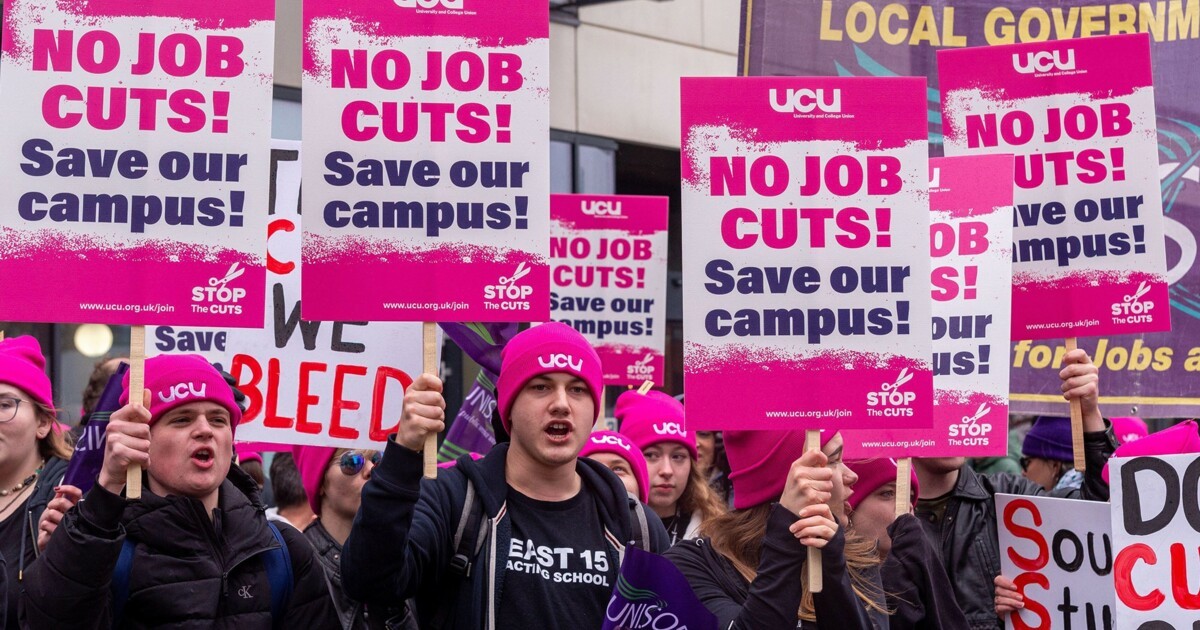
The problems with Britain’s universities are systemic and deep-rooted, not just local or contingent. Yet political and...
Universities on Fire: Higher Education in the Climate Crisis
Scientists agree that we are on the precipice of a global climate crisis. How will it transform colleges and universities?Winner of the Frederic W. Ness Book Award by the Association of American Colleges and UniversitiesIn 2019, intense fires in the San Francisco Bay Area closed universities and drove afflicted people to shelter at other campuses. At the same time, extraordinary fires ravaged eastern Australia. Several universities responded by promising material and research support to damaged businesses while also hosting refugees and emergency response teams in student residence halls. This was an echo of the devastation wreaked by Hurricane Katrina on Tulane University in 2005.In Universities on Fire, futurist Bryan Alexander explores higher education during an age of unfolding climate crisis. Powered by real-world examples and the latest research, Alexander assesses practical responses and strategies by surveying contemporary programs and academic climate research from around the world. He establishes a model of how academic institutions may respond and offers practical pathways forward for higher education. How will the two main purposes of education—teaching and research—change as the world heats up? Alexander positions colleges and universities in the broader social world, from town-gown relationships to connections between how campuses and civilization as a whole respond to this epochal threat.Current studies of climate change trace the likely implications across a range of domains, from agriculture to policy, urban design, technology, culture, and human psychology. However, few books have predicted or studied the effects of the climate crisis on colleges and universities. By connecting climate research to a deep, futures-informed analysis of academia, Universities on Fire explores how climate change will fundamentally reshape higher education.

Sustainability
The sustainable University – structures, individuals and questions around institutional transformation
the role of the university
i am over halfway through my degree at cambridge, and i am a little underwhelmed

Education in a Time Between Worlds: Essays on the Futur…
Our world is currently undergoing major transformations…

Alternative Universities: Speculative Design for Innovation in Higher Education
Imagining the universities of the future.How can we re-envision the university? Too many examples of what passes for educational innovation today—MOOCs especially—focus on transactions, on questions of delivery. In Alternative Universities, David J. Staley argues that modern universities suffer from a poverty of imagination about how to reinvent themselves. Anyone seeking innovation in higher education today should concentrate instead, he says, on the kind of transformational experience universities enact. In this exercise in speculative design, Staley proposes ten models of innovation in higher education that expand our ideas of the structure and scope of the university, suggesting possibilities for what its future might look like. What if the university were designed around a curriculum of seven broad cognitive skills or as a series of global gap year experiences? What if, as a condition of matriculation, students had to major in three disparate subjects? What if the university placed the pursuit of play well above the acquisition and production of knowledge? By asking bold "What if?" questions, Staley assumes that the university is always in a state of becoming and that there is not one "idea of the university" to which all institutions must aspire. This book specifically addresses those engaged in university strategy—university presidents, faculty, policy experts, legislators, foundations, and entrepreneurs—those involved in what Simon Marginson calls "university making." Pairing a critique tempered to our current moment with an explanation of how change and disruption might contribute to a new "golden age" for higher education, Alternative Universities is an audacious and essential read.

Making Community Governance Legible: A Semester with Bonfire
A collaboration with Princeton explores how Governance Cards can help communities explain how they organise, make decisions, and care for their shared spaces.

Opinion | Why Universities Should Be More Like Monasteries (Published 2023)
College students need a taste of the monk’s life.

Oligarchy In the UK
This week: have Reform UK misunderstood their audience; some alternative UKs; and some notes on Kiwis.

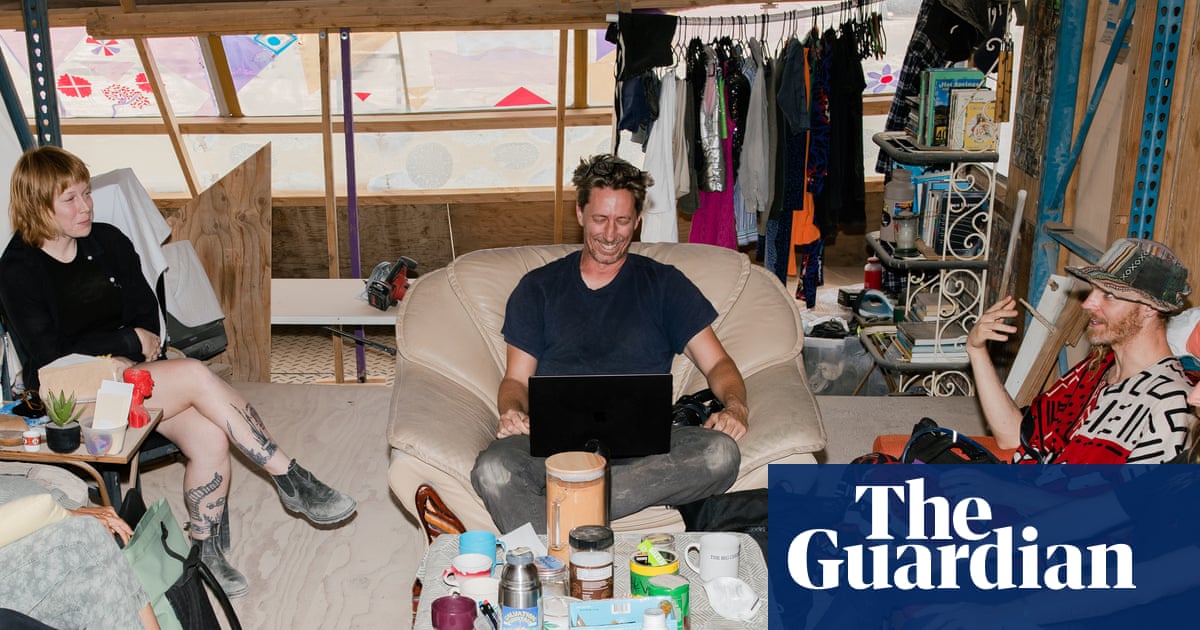
No tuition, no grades, no power grid: why are people flocking to a ‘college’ in the middle of the desert?
Two hundred miles from LA, an off-grid community with roots in Burning Man offers an unorthodox educational experience – is Mars College the future?
A response to: Should universities investigate questionable papers students and faculty wrote elsewhere?
Editor’s note: We recently published a guest post on universities’ responsibility for investigating misconduct allegations related to work by staff and students conducted and/or published while the…

British Educational Research Association: - receive complaint from me about a dodgy special issue - investigate, agree it’s dodgy - take all credit, say the problem was ‘uncovered independently’ by them - Call me ‘ethically problematic’ Only academia can be this much of a joke.

Steve Vainker
BERA has begun retractions - 19 from the British Educational Research Journal. Hilariously, they are trying to claim that the issues were 'uncovered independently' by them, amongst other delusionally self-serving claims. Sadly, they will learn nothing. open.substack.com/pub/stephenvainker/p/beras-de…
Groundings from @rude1.blacksky.team in #AtmosphereConf - on the importance of leaving the campus and going to where the people are - real knowledge is sitting down together to reason preach brother!
Norms of behavior? Shielding proven misconduct? Just because you burry it @maastrichtu.bsky.social, does not change the truth! Well, he (the dean) partly succeeded with his threats because my UK university indeed dismissed me.

