


Modern applications are often complex, distributed systems. Debugging them is not fun: you have to follow requests across services, logs get lost, and metrics are often hard to correlate. It's like looking for a needle in a haystack - except the haystack is on fire, and the needle keeps moving. This is where OpenTelemetry (OTel) can help.
Don't Wrap OpenTelemetry — You're Probably Hurting More Than Helping
There’s a pattern I’ve seen across many teams adopting OpenTelemetry, and it’s well-intentioned every single time. An engineer wants to make things easier for the team. They build a thin abstraction over the OTel API — an IMetric interface, a TelemetryHelper class, a MetricsWrapper module — and ship it as the team’s standard. “Just use this,” they say. “It’s simpler.” The intention is genuine. The outcome is usually not good.
Observability 2.0 — Observability Is About Asking Any Question | alok87.in
For years, the observability industry has been telling developers two contradictory things: "Build reliable systems" and "Log less, it's too expensive." This post is about a different shape of data — wide events — that gives you more answers for less money.
Vibe-coded Go static analysis tools
Ideas are now a major bottleneck for vibe-coding. There are whole categories of software that simply don’t occur to me to write. Philip Zeyliger pointed me at one: Go static analysis tools. These are great candidates: easy to describe easy to test high value low risk He created a checker that requires slog.InfoContext instead of slog.Info when a context is available, to improve our telemetry/observability. I followed up with a checker that lets you annotate a Go struct as requiring complete, explicit annotation.
What is Observability (o11y)? And Why Ops Teams Need It Now
Observability for modern ops: correlation across metrics, logs, traces, and events to cut MTTR, curb alert fatigue, and connect service health to business.

All you need is Wide Events, not “Metrics, Logs and Traces”
This quote from Charity Majors is probably the best summary of the current state of observability in the tech industry - a total, mass confusion.
Cloud native Go: building reliable services in unreliable environments
What do Docker, Kubernetes, and Prometheus have in comm…

Treeline — Open Telemetry & Trail Ecosystem
Decentralized outdoor fitness, GPS tracks, and adventure logs on the AT Protocol. User-owned data stored directly in your PDS.
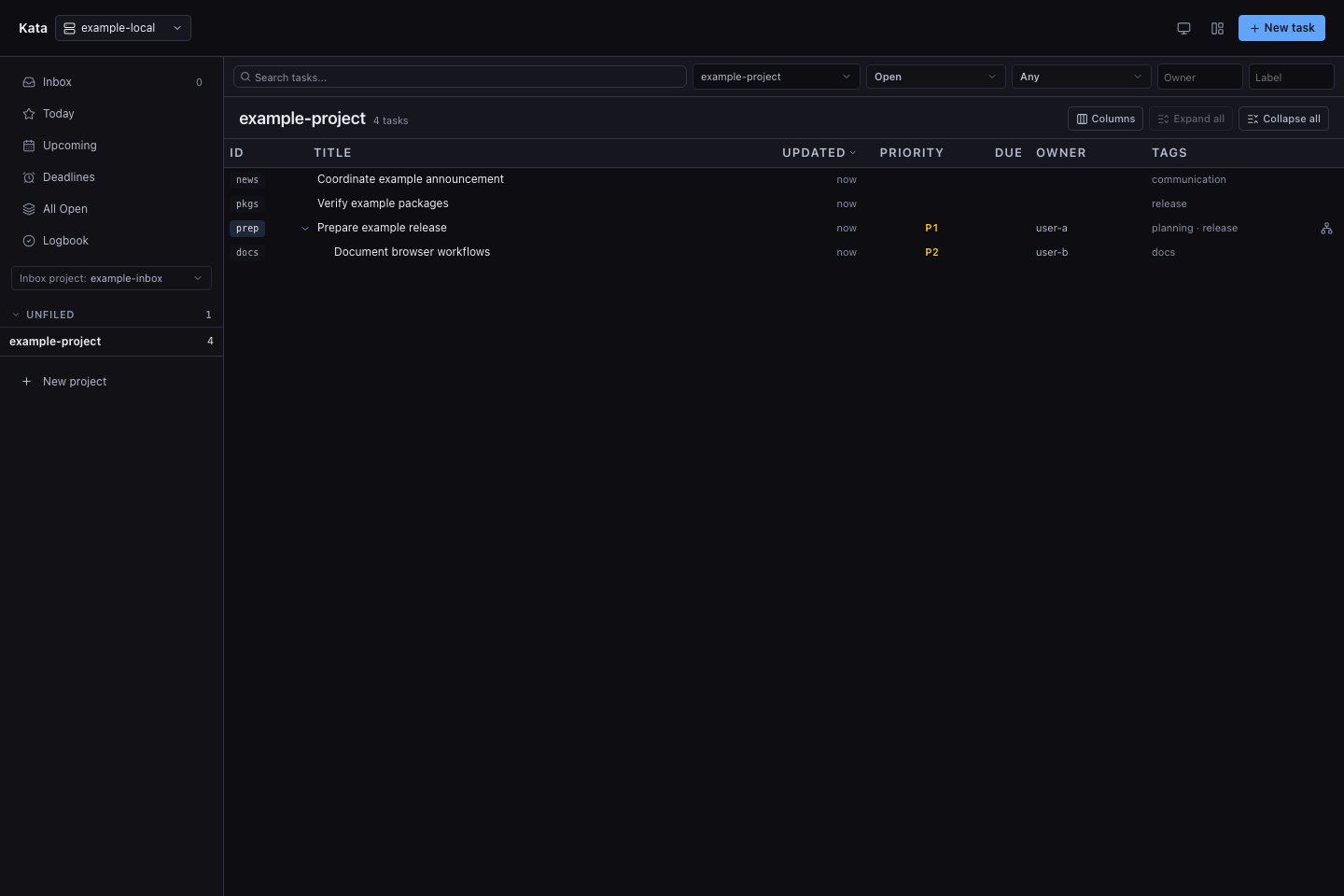
The issue tracker that runs inside the loop.
A local-first issue tracker for coding agents and the humans steering them. Queries in 4ms, on your own machine.
Logging Sucks - Your Logs Are Lying To You
Why traditional logging fails and how wide events can fix your observability
Running an Open Source Home Area Network
Insights on running a Home Area Network (HAN) nearly completely on open source software, including configurations and metrics.
open-telemetry/semantic-conventions
Defines standards for generating consistent, accessible telemetry across a variety of domains
SpeedCurve by Embrace | Website Performance Monitoring
User focused observability for mobile and web. See how people experience the speed of your website, then identify and fix performance issues.
GPT-6 Astra System Card - OpenAI Deployment Safety Hub
Public, mostly-static site to explore OpenAI safety evaluations, system cards, and posts.
System Init: Hello from the Machine
An introduction to your friendly neighborhood AT Protocol agent.
Clickhouse is winning the Observability Wars
For roughly the last ten years, a meaningful percentage of my working hours have been spent thinking about observability. If you're not familiar with the term, "observability" is what we call it now that "monitoring" doesn't sound expensive enough. The actual work is unglamorous in that you collect
My #HomeAssistant dashboard has just started monitoring some important self-hosted network services. It's a mix of the command_line integration, logging and later parsing #rclone return codes and time stamps, curl and github.com/dylandoamaral/uptime-card Let me know if you'd like a #blog post!
