
Two disquieting works of fiction I encountered this spring feature the same menacing figure: a young girl that refuses to eat. In Ben Lerner’s novel Transcription (2026), doctors inform a couple that their waifish, picky-eating daughter is, in fact, “failing to thrive,” suffering from ARFID (avoidant/restrictive food
The art of simple food : notes, lessons, and recipes from a delicious revolution
ix, 405 p. : 25 cm; Here you will find Alice's philosophy on everything from stocking your kitchen, to mastering fundamentals and preparing delicious, seasonal inspired meals all year long. Always true to her philosophy that a perfect meal is one that's balanced in texture, color, and flavor, Waters helps us embrace the seasons' bounty and make the best choices when selecting ingredients.--From publisher's description; Subtitle from cover; Includes index

Family Style — Oakland Public Library
Family Style — Pham, Thien, — "Told through the lens of meaningful food and meals, this graphic novel chronicles the author's childhood immigration to America, where food takes on new meaning as he and his family search for belonging, for happiness and for the American dream."--
Serving the For You Feed - AT Protocol
How the maintainer of the popular For You feed serves it from their living room!

Inside the food industry: the surprising truth about what you eat
Think you eat only healthy, unprocessed foods? Think again. Joanna Blythman went undercover and discovered that even your fruit salad is not what it seems

So can we really feed the world? Yes -- and here's how
Nathanael Johnson spent six months asking if we could support small farmers, protect the planet, and end hunger. This is what he learned.
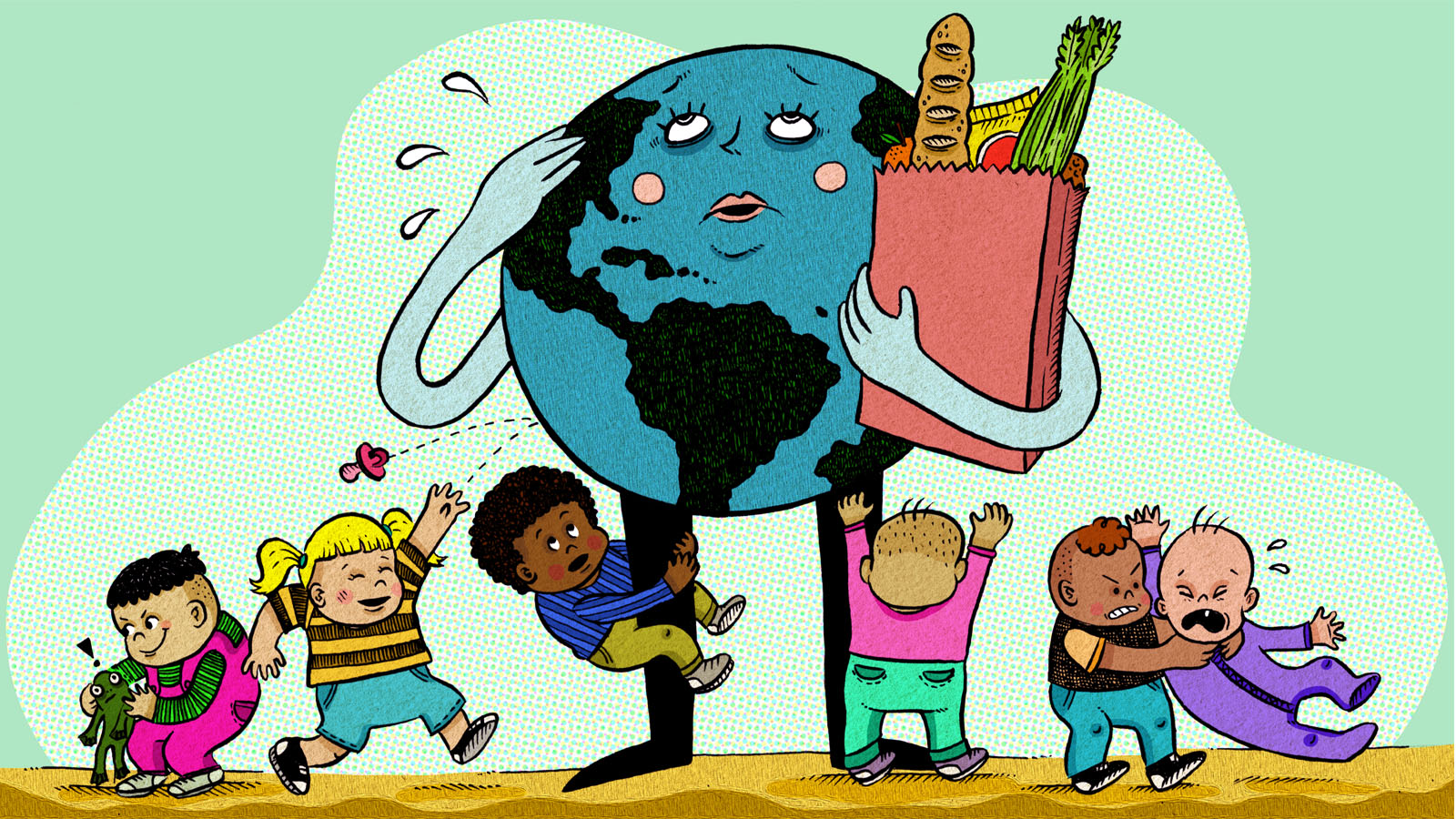
Epic diarrhea outbreak has 40% of Americans avoiding fruits and veggies
Kennedy has focused on nutrition but has neglected food safety, critics say.
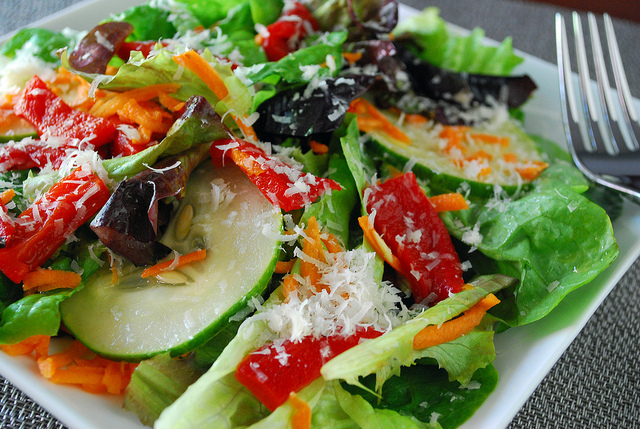
The Hunger Gap
A gulf in public understanding prevents us from seeing how and why our food supply is at risk.

Medium and Twitter founder: ‘We put junk food in front of them and they eat it’
Ev Williams on feedback loops, giving a home to publishers, and finding critical mass

The McDonaldization of Taste | KQED
Which came first, the Big Mac or a consumer culture built on the need for immediate gratification in super sizes? In How We Eat: Appetite, Culture, and Psychology of Food, Leon Rappoport unveils social, psychological, spiritual, and political motivations for eating behavior. He initially became interested in the topic when he was learning the practices
‘Life or Death:’ AI-Generated Mushroom Foraging Books Are All Over Amazon
Experts are worried that books produced by ChatGPT for sale on Amazon, which target beginner foragers, could end up killing someone.

Seven Theses from Feeding the Machine
New Book – Publication 18 July 2024 (UK) / 8 August 2024 (US)