No matter how tech-inclined a person may be, no one sits down at their first computer and instantly finds themselves at home with the device. We all have our own tales of computing learning curves – figuring out how menus, file systems, and other traditional software elements work. Similarly, when making the move from one
ignore the code: The Failure of the iPad
Two days ago, ZDNet published this article: Meet the iPad, your work computer: These 10 apps make real productivity possible. These kinds of articles, where writers explain how they use their iPads productively, musicians talk about how the iPad is truly a professional tool, or painters show how they use the iPad for professional illustrations, are published regularly. There's probably a new one every week.
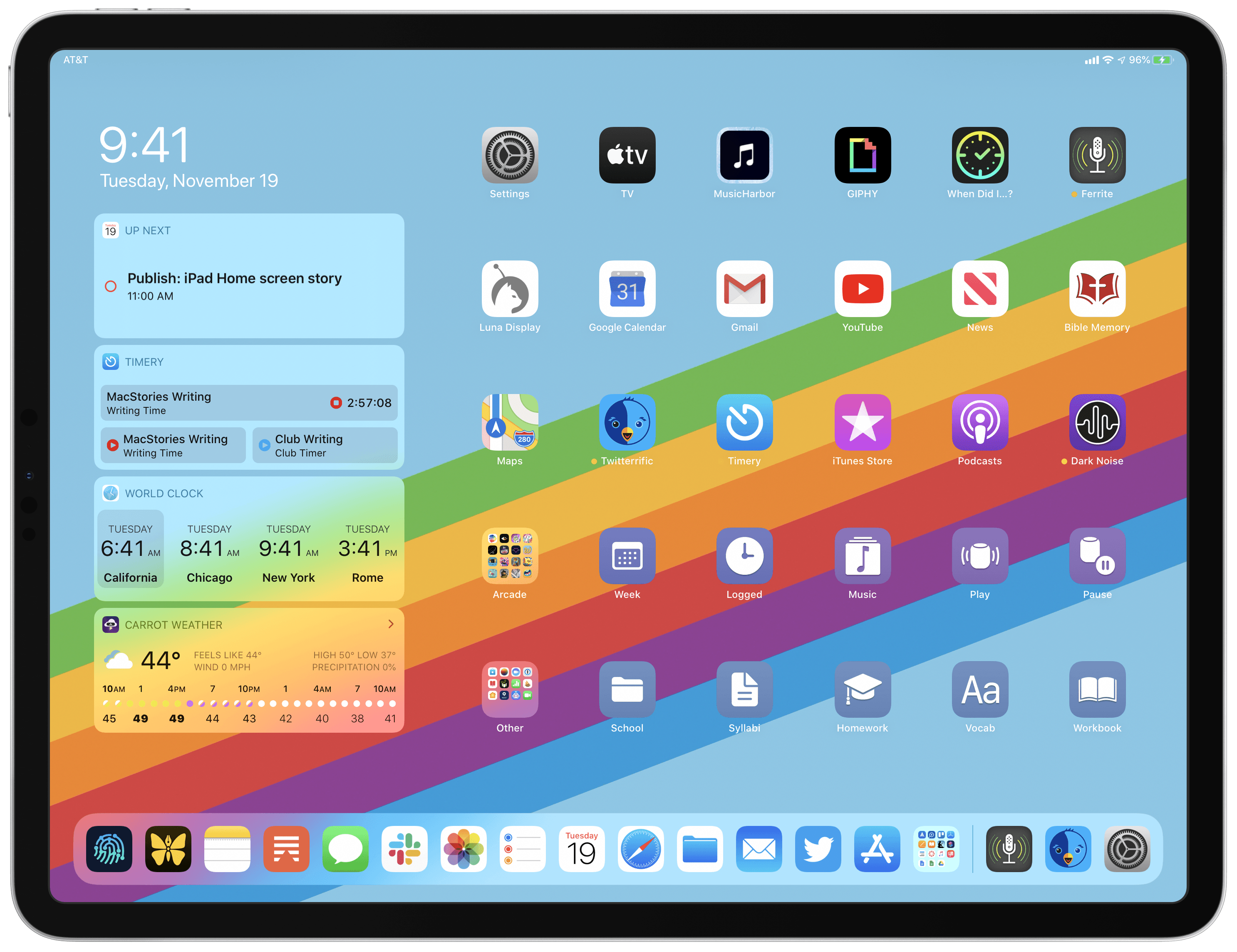
My Modern iPad Home Screen: Apps, Widgets, Files, Folders, and Shortcuts
For several years after its launch, one of the best and worst things about the iPad was that it was basically just a blown-up iPhone. This meant the device was extremely easy to use and intuitive, but it also meant lots of "computer-like" tasks were difficult to perform on an iPad. When the iPad Pro
11 Tips for Working on the iPad
In a recent episode of Connected, we rounded up some of our favorite "iOS little wonders" and Myke was surprised by one of my picks: the ability to launch individual notes on iOS through shared links. The ensuing discussion inspired me to assemble a list of tips and tricks to improve how you can work
Apple Publishes Videos Showcasing iPad Pro Workflows
Apple shared five new videos on its YouTube channel today, all of which center around working on an iPad Pro. Each video covers a different iPad workflow, as described by the following titles: A new way to host your own podcast A new way to create a presentation A new way to go paperless A
The 13 Apps That Make The iPad Worth it
The 10th Anniversary of the iPad: A Perspective from the Windows Team
While the press and friends of Apple gathered for the launch event, the Windows team fresh off Windows 7 launch watched from afar.

» Apple, Carmen Sandiego, and the Rise of Edutainment The Digital Antiquarian
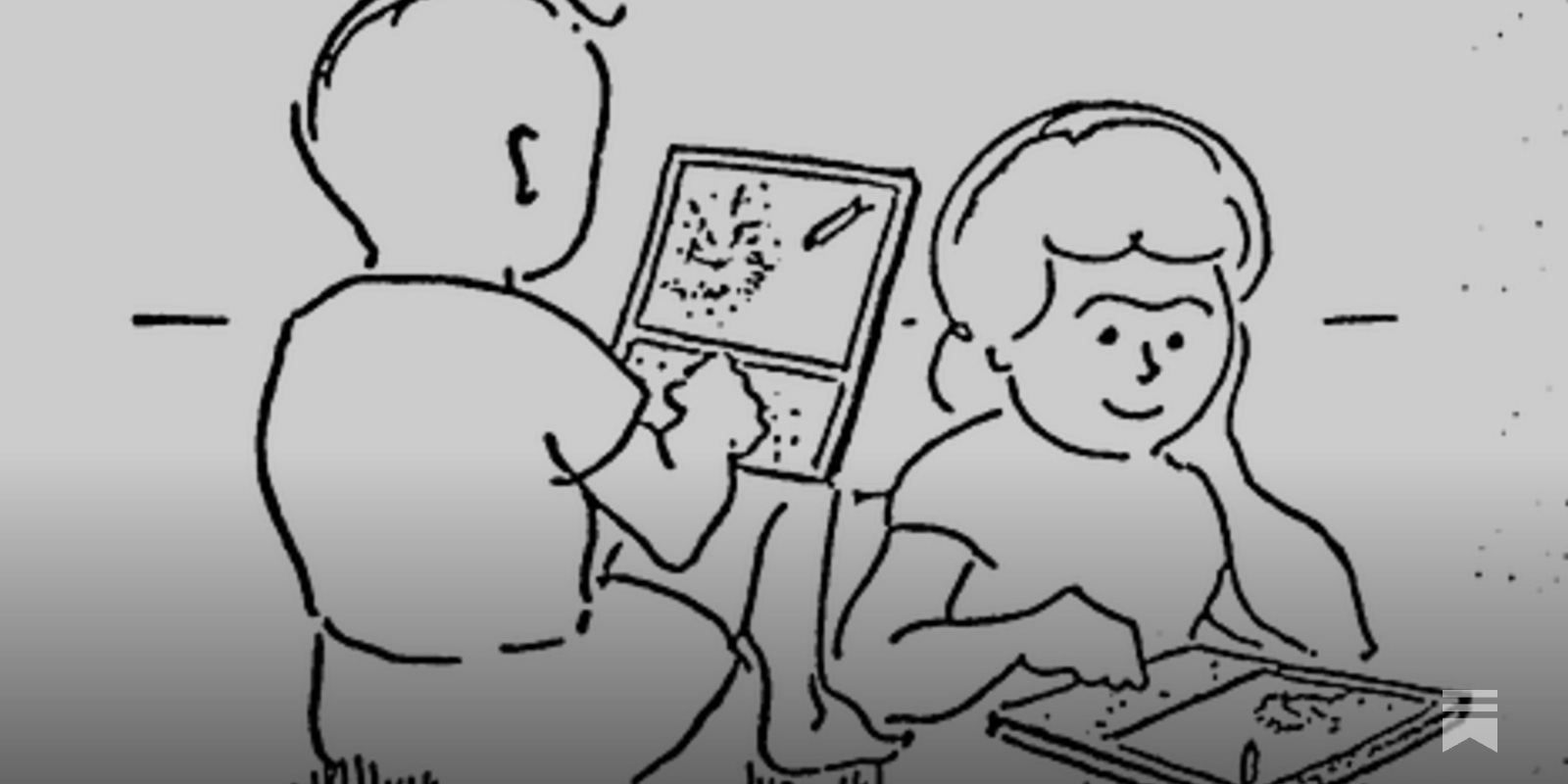
If there was any one application that was the favorite amongst early boosters of personal computing, it was education. Indeed, it could sometimes be difficult to find one of those digital utopianists who was willing to prioritize anything else — unsurprisingly, given that so much early PC culture grew out of places like The People’s Computer Company, who made “knowledge is power” their de facto mantra and talked of teaching people about computers and using computers to teach with equal countercultural fervor. Creative Computing, the first monthly magazine dedicated to personal computing, grew out of that idealistic milieu, founded by an educational consultant who filled a big chunk of its pages with plans, schemes, and dreams for computers as tools for democratizing, improving, and just making schooling more fun. A few years later, when Apple started selling the II, they pushed it hard as the learning computer, making deals with the influential likes of the Minnesota Educational Consortium (MECC) of Oregon Trail fame that gave the machine a luster none of its competitors could touch. For much of the adult public, who may have had their first exposure to a PC when they visited a child’s classroom, the Apple II became synonymous with the PC, which was in turn almost synonymous with education in the days before IBM turned it into a business machine. We can still see the effect today: when journalists and advertisers look for an easy story of innovation to which to compare some new gadget, it’s always the Apple II they choose, not the TRS-80 or Commodore PET. And the iconic image of an Apple II in the public’s imagination remains a group of children gathered around it in a classroom.
Latest News - Apple Developer
Learn about the latest technologies, events, and policies for developers.
Apple — WWDC 2017 Keynote
Last month at Unternet: Apples & kernels
We've been spending the last few weeks putting together a stable version of our client, the AI-powered open web workspace we've been moving towards since the company started late last year.

Desktop, Touch, Browser, Now AI? The Next OS in Computing
Explore how AI is reshaping human-computer interaction, from command lines to modern SaaS. Key insights on the next computing paradigm for startups and tech leaders.
PlayBook: A Programmable Paper Notebook
Introducing the Third Generation of Apple’s Foundation Models
Our next generation of Apple Intelligence is centered around our users, integrated deeply into our operating systems, and powered by a bold…