

Only 1 out of 6 EMs is involved in product decisions
The Four Big Risks | Silicon Valley Product Group
In the first edition of my book, INSPIRED, I discussed how successful products are valuable, usable and feasible, where I defined “valuable” as both valuable to customers and valuable to your business. While it’s easy to remember these three attributes, over the years I’ve come to believe that it was obscuring some pretty serious risks and...

The Product Picnic
Writing on UX and product management to connect today's discourse with classic insights that the industry forgot.

‘Show How 3M Is 0% at Fault:’ Expert Witness Used ChatGPT to Write Report Defending Company in Deadly Explosion Lawsuit
ChatGPT prompts show how an expert witness report was created in a $61 million lawsuit over an explosion that killed three people.
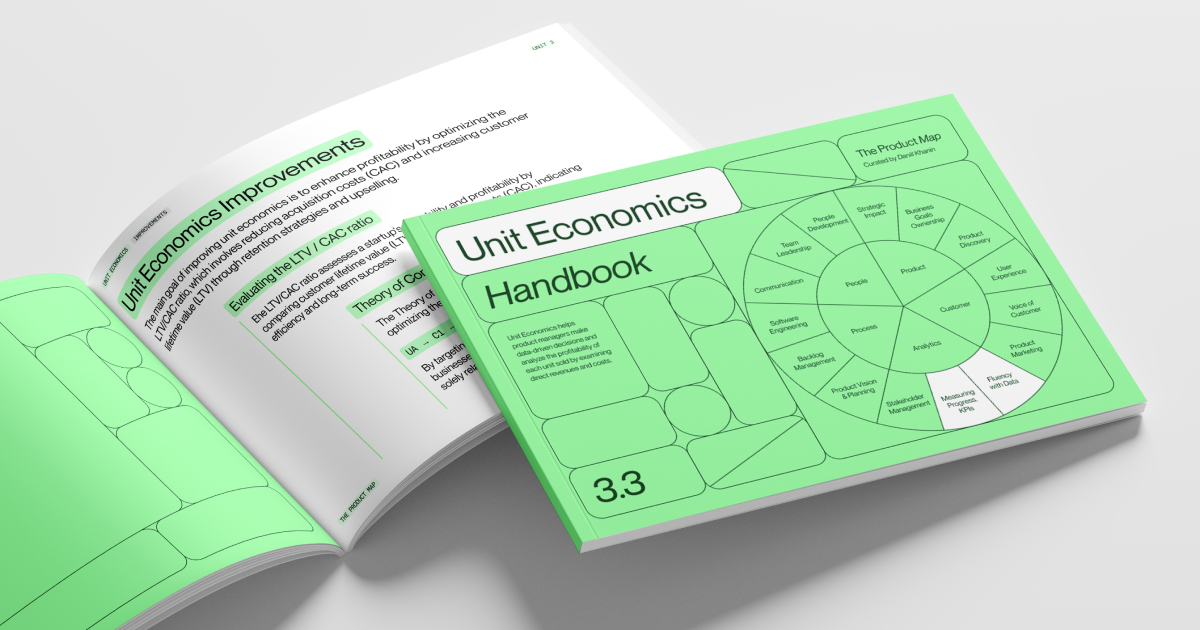
Unit Economics Handbook | Product Map
The Product Map Handbook is a valuable resource for product managers and entrepreneurs, offering practical insights into calculating and optimizing financial metrics across various business models. This comprehensive guide features the Unit Economics Canvas, a structured tool for analyzing and improving the profitability of business units.
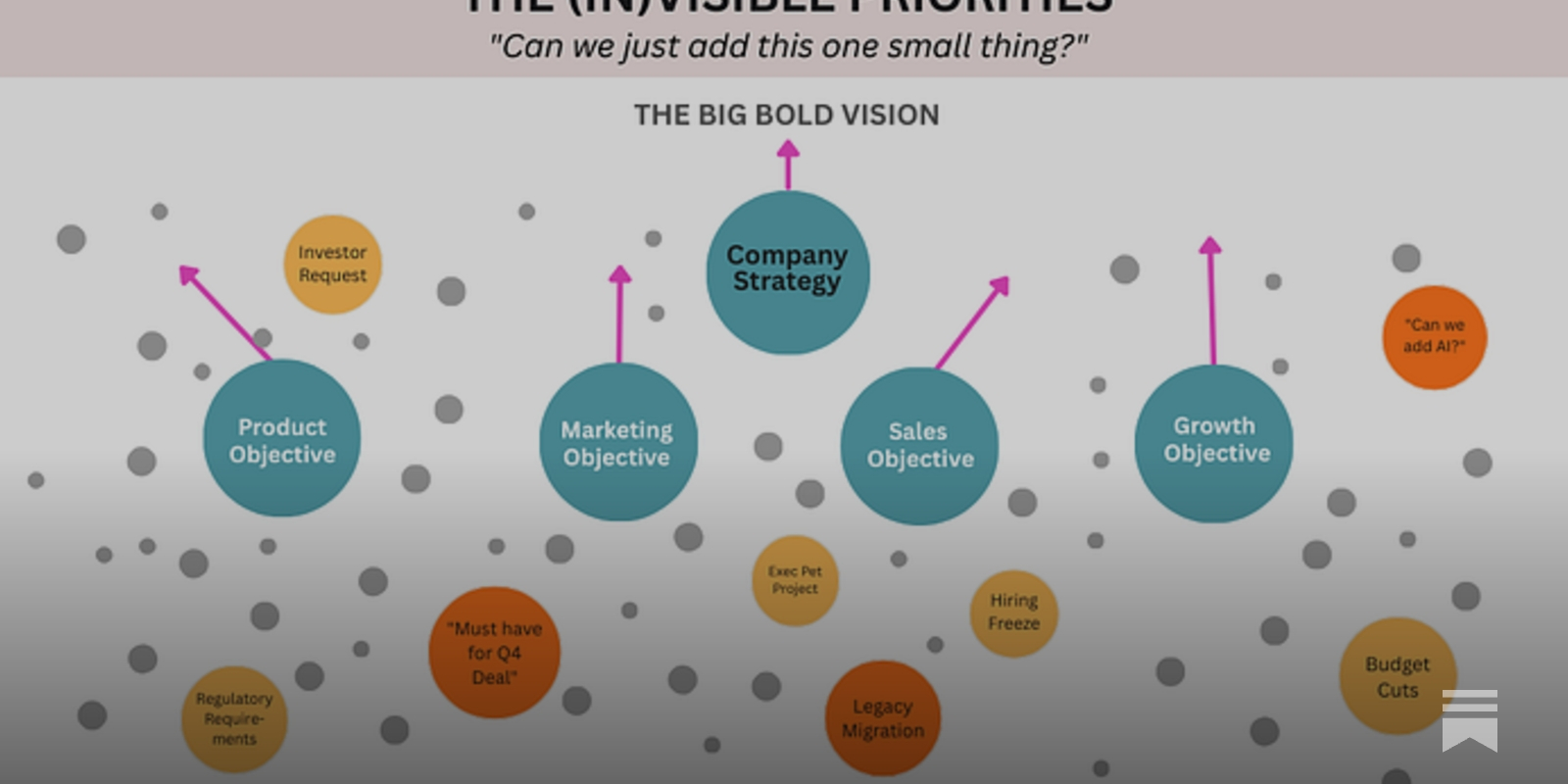
The Illusion of Decisiveness
Why product teams spin in chaos despite a "clear" strategy
Complexity and biases
We examine experimentally how complexity affects decision-making, when individuals choose among different products with varying benefits and costs. We find that complexity in costs leads to choosing a high-benefit product, with high costs and overall lower payoffs. In contrast, when complexity is in the benefits of the product, we cannot reject the hypothesis of random mistakes. We also examine the role of heterogeneous complexity. We find that individuals still (mistakenly) choose the high-benefit but costly product, even if cheaper and simple products are available. Our results suggest that salience is a main driver of choices under different forms of complexity.

All you need is Wide Events, not “Metrics, Logs and Traces”
This quote from Charity Majors is probably the best summary of the current state of observability in the tech industry - a total, mass confusion.

Prompt Engineering Is Dead. Context Engineering Is Dying. What Comes Next Changes Everything.
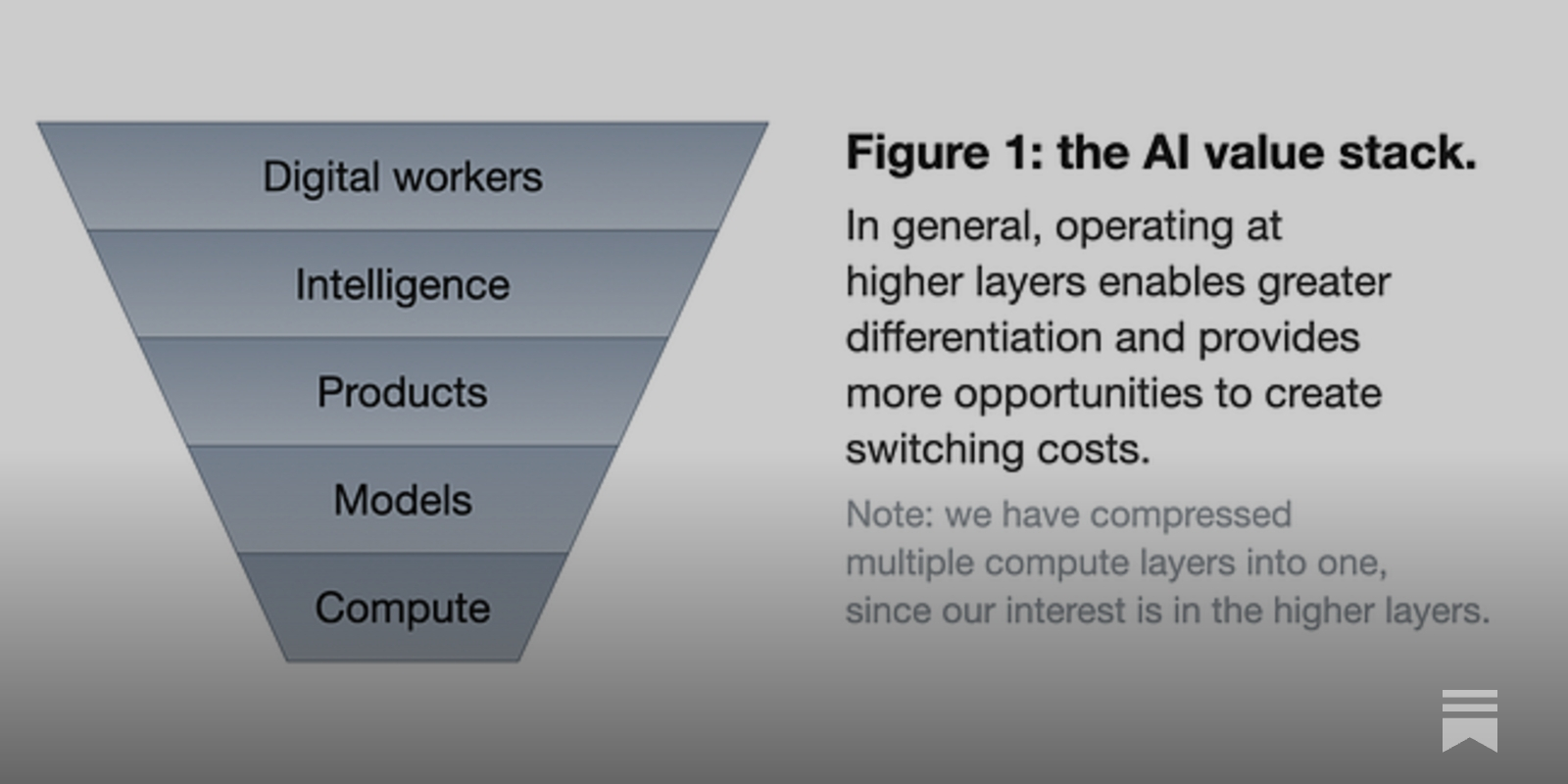
Up the Stack: How AI’s Escape From the Commodity Trap Risks Enterprise Lock-in
Critics and boosters are both looking in the wrong place
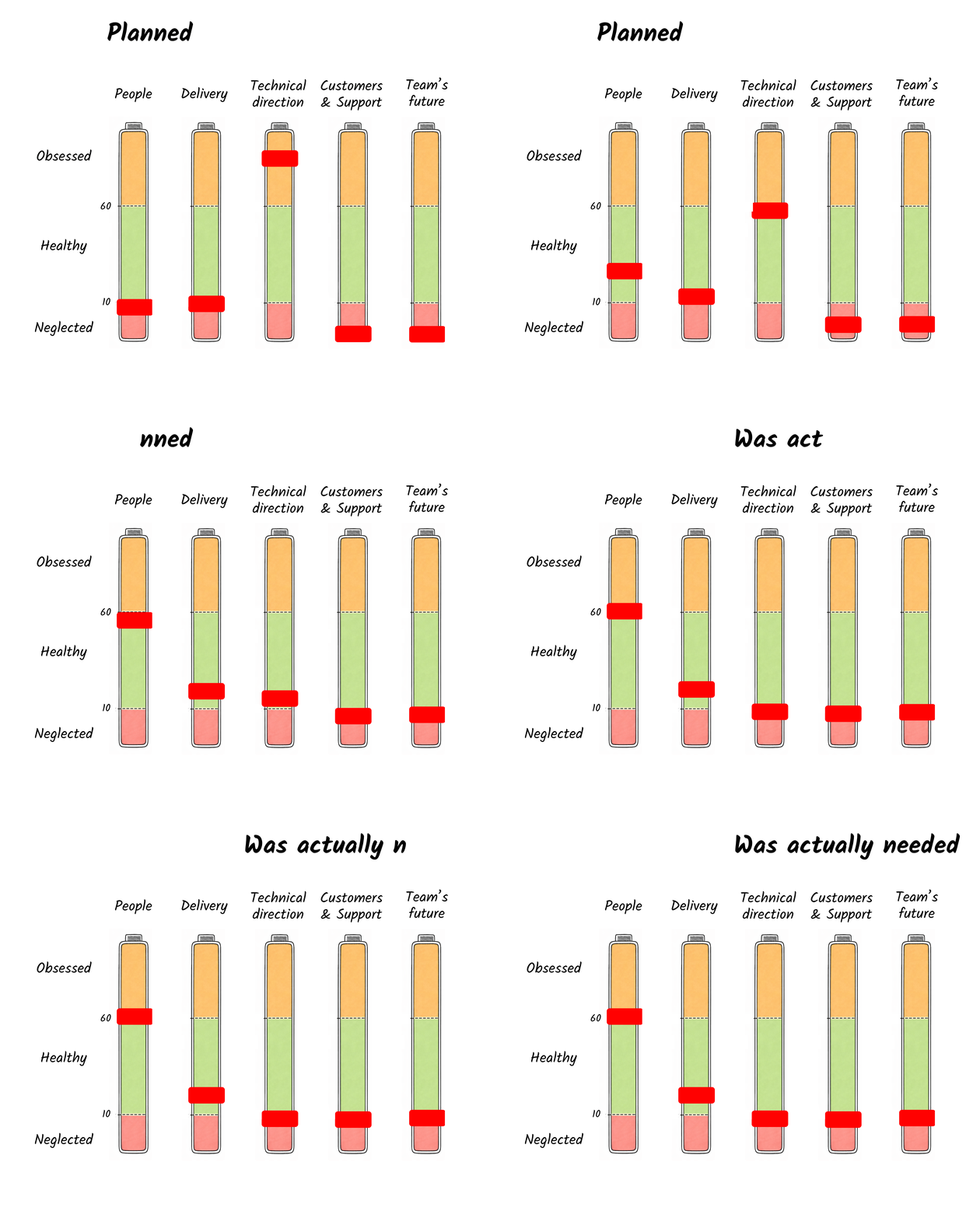
The engineering manager's attention budget
Every Engineering Manager has 5 jobs - most distribute their 100 'attention points' across only 2-3 of them
Signals: Toward a Self-Improving Agent | Factory.ai
Traditional product analytics tell you what happened. Session duration, tool calls executed, completion rates. But they...
Product teams struggled to create intent. AI let them think they could skip it.
Teams struggled to produce intent. AI let them think they could skip it.

There Are Actually Just Three Ways To Grow
Most brands obsess over distribution when the real growth comes from moves marketers can’t make alone

Targeted Promotions on an E-Book Platform: Crowding Out, Heterogeneity, and Opportunity Costs
Targeted promotions based on individual purchase history can increase sales. However, the opportunity costs of targeting to optimize promoted product sales are poorly understood. A series of randomized field experiments with a large e-book platform shows that although targeted promotions increase promoted product sales and purchases of similar products, they can crowd out purchases of dissimilar products (i.e., e-books from nontargeted genres) by decreasing search activities of nontargeted goods on the same platform. The effects on total sales are heterogeneous, ranging from net decreases to insignificant drops, motivating a targeting exercise comparing strategies that optimize promoted product sales versus total sales. Targeting for promoted product sales tends to assign promotions to customers who purchased similar products, whereas targeting for total sales assigns promotions on the basis of other user characteristics. Targeting for promoted product sales generated incremental total sales that amounted to approximately 29% of the optimal incremental total sales when targeting for total sales (an opportunity cost of 71%). The optimal targeting exercise highlights how maximizing promotional lift can incur opportunity costs in terms of other forgone sales.


