

:max_bytes(150000):strip_icc()/GettyImages-478290541-a4ffdf4b6e2e44b58f3e1a4ccb54512c.jpg)
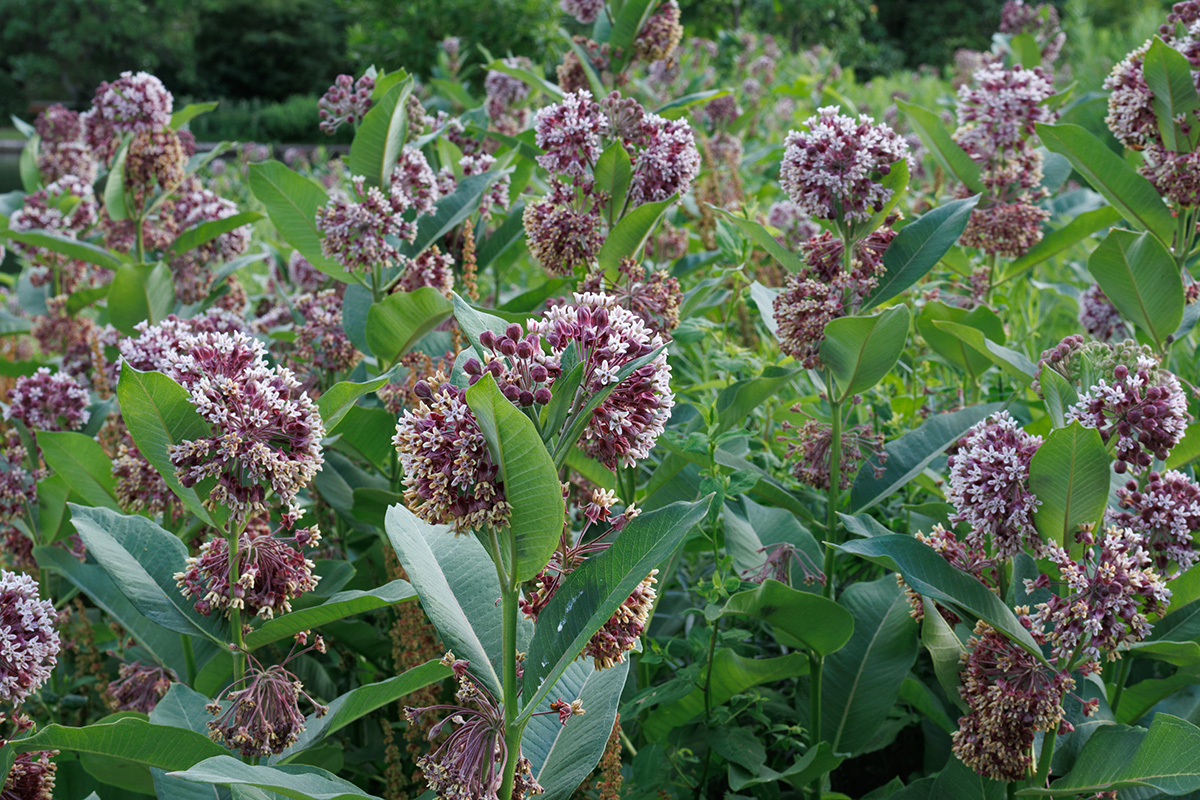
Milkweed is an important plant for monarch butterfly populations, but certain species can also spread aggressively in a garden. We asked experts whether or not they think you should plant milkweed in your yard.
Common Milkweed: How to Grow This Native Perennial
Here's how and why to grow common milkweed, an important native perennial plant, with some expectation-management thrown in.
Braiding Sweetgrass | Milkweed Editions
A New York Times 100 Best Books of the 21st Century Readers Pick #1 New York Times BestsellerA Washington Post and Los Angeles Times Bestseller

Home - Houston Botanic Garden
A wide variety of plant life and ecosystems, plus 2.5 miles of walking trails. Make memories at Houston Botanic Garden. Family friendly. Support. Educate.

Brassica oleracea
Brassica oleracea, also known as wild cabbage in its uncultivated form, is a plant of the family Brassicaceae.

Growstuff - Growstuff
Growstuff is a community of food gardeners. Let's learn to grow food together.

THE HOOD BOTANICA™
The Hood Botanica is a platform where we discuss + hold livestreams, on topics Spirituality through an Afro-Centric Perspective; and provide Spiritual Tools for healing Melanated People.

USDA Plant Hardiness Zone Map | Planting Zones Map USA
Our USDA Plant Hardiness Zone Map will teach you everything you need to know about plant hardiness & growing zones. Find your planting zone with us today!

Hummingbird hawk moths and ivy bees: The insects growing in number as temperatures rise
Hummingbird hawk moths - often mistaken for small birds - are being spotted in the West Midlands.

Fall Gardening Guide
FALL PLANTING GUIDE What we are growing this Season Lettuce: Super Red Romaine Little Gem Black Seeded Simpson Other Things You can Grow: Herbs: (Cilantro, Chives, Oregano, Thyme) Kale Spinach Greens: (Mustards, Collards) Supplies Growing Container(s) ( If you are unable to plant dire...

Canopy | The UK umbrella group of tree campaigners
Canopy is the national coalition of grassroots tree campaigners and campaign groups. By coming together we can have a louder voice in the fight to save our trees and green spaces.

Beneficial Plant Research Association
Medicinal, useful, and nutritious plants hold the potential to restore both human health and ecological balance.

Mastodon is for the people
How we're thinking about supporting the communities that rely on Mastodon every day.

z428: status /
☀️ 9am and on, sunlight through walnut leaves, butterflies dancing in between. The morning is warmer than expected.
Ivy Leaf Farms | Support Local Farming, Join Us Today
Discover Ivy Leaf Farms in Sunnyside, Houston, dedicated to community wellness through sustainable farming, food equity, and neighborhood engagement.
Conflict between Intrinsic Leaf Asymmetry and Phyllotaxis in the Resupinate Leaves of Alstroemeria psittacina
Spiral phyllotactic patterning is the result of intricate auxin transport relationships in the shoot apical meristem (SAM) that act to place auxin maxima at the future sites of leaf initiation. Inherent to this process is a bias in auxin distribution in leaf primordia, such that increased auxin is found on the descending side of the leaf (towards the older neighbor) compared to the ascending side (towards the younger neighbor), creating phyllotactically-dependent leaf asymmetry. Separate from phyllotactic-dependent asymmetry is handedness in plants—that is, genetically encoded, fixed chirality, such as the twining of certain vines and the torsions induced by microtubule mutations. Here, we perform a morphometric analysis on the resupinate leaves of Alstroemeria psittacina. Interestingly, the twist in leaves always occurs in a single direction, regardless of the phyllotactic direction of the plant. Because of the resupination, leaves in this species possess an inherent handedness. However, this asymmetry is modulated in a phyllotactic-dependent manner, consistent with the known developmental constraints of phyllotaxis upon leaf morphology. This creates the interesting circumstance in A. psittacina that leaves arising from plants with a counter-clockwise phyllotactic direction are 1) more asymmetric, 2) larger, and 3) possess symmetrical shape differences relative to leaves from plants with clockwise phyllotaxis. The mechanism underlying these differences likely involves a developmental delay in clockwise leaves caused by the conflict between the phyllotaxis-dependent asymmetry and asymmetry resulting from resupination. The evolutionary implications of a dimorphic population without a genetic basis for selection to act upon are discussed.

Glasswing Butterflies Want To Make Something Perfectly Clear | Deep Look