

How to bridge the distance between business strategy and design
Design: A powerful but neglected marketing tool
Design is a potent marketing tool that can be used to gain competitive distinctiveness and provide consumer satisfaction. But with few exceptions, most companies neglect or mismanage design as a marketing tool. The authors describe what constitutes good design; how companies can employ design to enhance their products, environments, communications, and corporate identity; and how companies can improve the working relationship between designers and marketing people. The article includes two audit instruments which companies can use for measuring company design sensitivity and design management effectiveness. Design (Entwurf und Gestaltung von Produkten) ist ein wirksames Marketinginstrument im Rahmen der Konkurrenzstrategie und zur Erhöhung der Konsumentenzufriedenheit. Mit einigen Ausnahmen jedoch vernachlässigen die meisten Unternehmungen das Design als Marketinginstrument oder setzen es schlecht ein. Die Autoren beschreiben, wodurch sich ein gutes Design auszeichnet, wie Unternehmungen das Design zur Aufwertung und Verbesserung ihrer Produkte, zur Abgrenzung in ihrer Umwelt und in ihrer Kommunikationspolitik und im Bereiche der Corporate Identity einsetzen können. Ferner zeigen die Autoren, wie die Unternehmungen die Zusammenarbeit zwischen den Produktgestaltern (designers) und den Marketingspezialisten verbessern können. Der Beitrag zeigt zwei Kontrollinstrumente für die Unternehmung zur Abschätzung der Design-Empfindlichkeit von Unternehmungen und zur Messung der Effizienz des DesignManagements (Handhabung der Produktgestaltung).
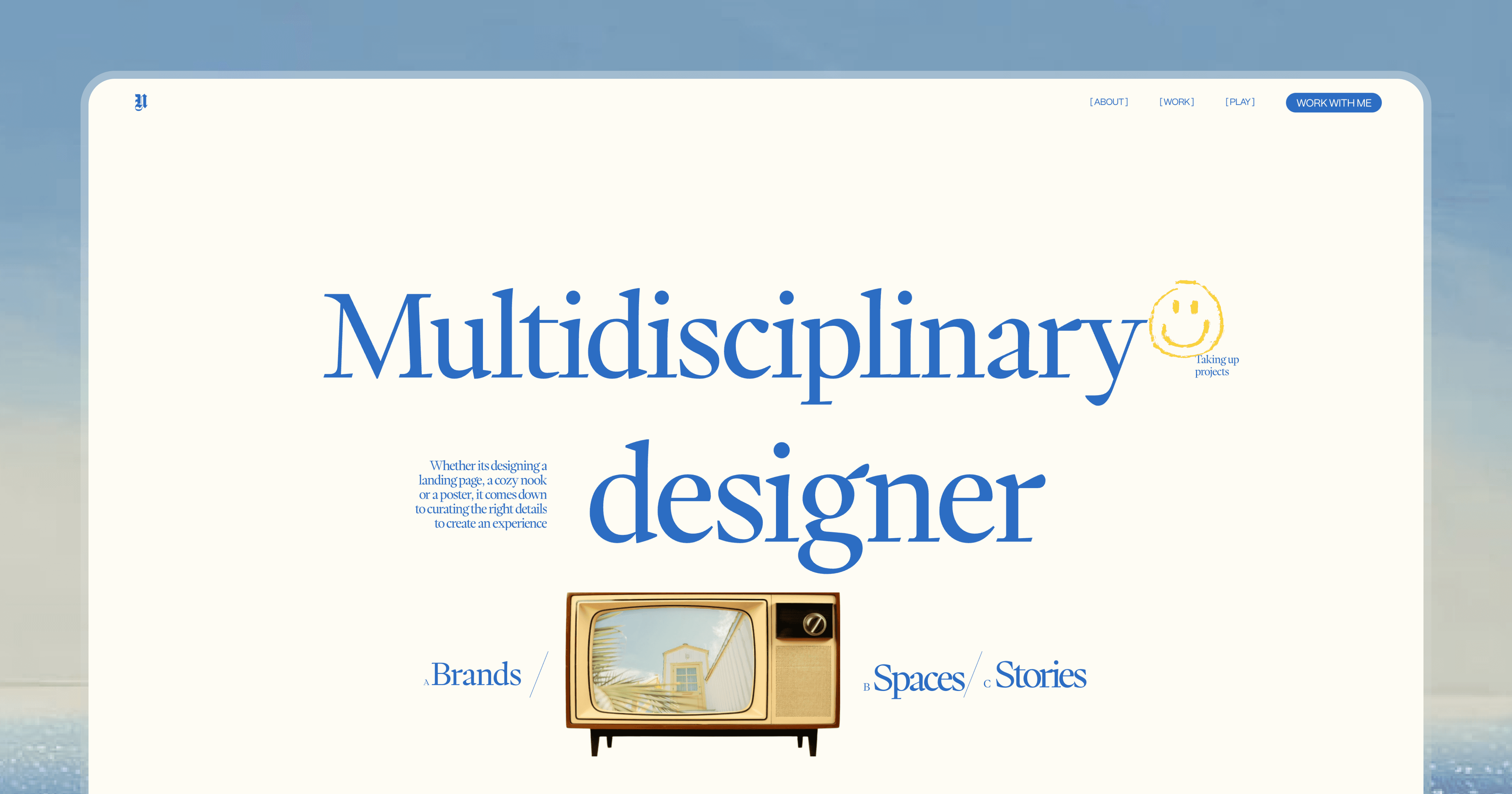
Portfolio of Work | Nivedha Nirmal
A curated mix of brand identities, digital design, and experiments - crafted with clarity and taste, reflecting my approach to design.
Design Thinking
In the past, design has most often occurred fairly far downstream in the development process and has focused on making new products aesthetically attractive or enhancing brand perception through smart, evocative advertising. Today, as innovation’s terrain expands to encompass human-centered processes and services as well as products, companies are asking designers to create ideas rather than to simply dress them up. Brown, the CEO and president of the innovation and design firm IDEO, is a leading proponent of design thinking—a method of meeting people’s needs and desires in a technologically feasible and strategically viable way. In this article he offers several intriguing examples of the discipline at work. One involves a collaboration between frontline employees from health care provider Kaiser Permanente and Brown’s firm to reengineer nursing-staff shift changes at four Kaiser hospitals. Close observation of actual shift changes, combined with brainstorming and rapid prototyping, produced new procedures and software that radically streamlined information exchange between shifts. The result was more time for nursing, better-informed patient care, and a happier nursing staff. Another involves the Japanese bicycle components manufacturer Shimano, which worked with IDEO to learn why 90% of American adults don’t ride bikes. The interdisciplinary project team discovered that intimidating retail experiences, the complexity and cost of sophisticated bikes, and the danger of cycling on heavily trafficked roads had overshadowed people’s happy memories of childhood biking. So the team created a brand concept—“Coasting”—to describe a whole new category of biking and developed new in-store retailing strategies, a public relations campaign to identify safe places to cycle, and a reference design to inspire designers at the companies that went on to manufacture Coasting bikes. [hbr_brightcove id=”4443548301001″]

DesignABetterBusiness.tools | Tool Overview
Search and download all of the tools from the book Design A Better Business
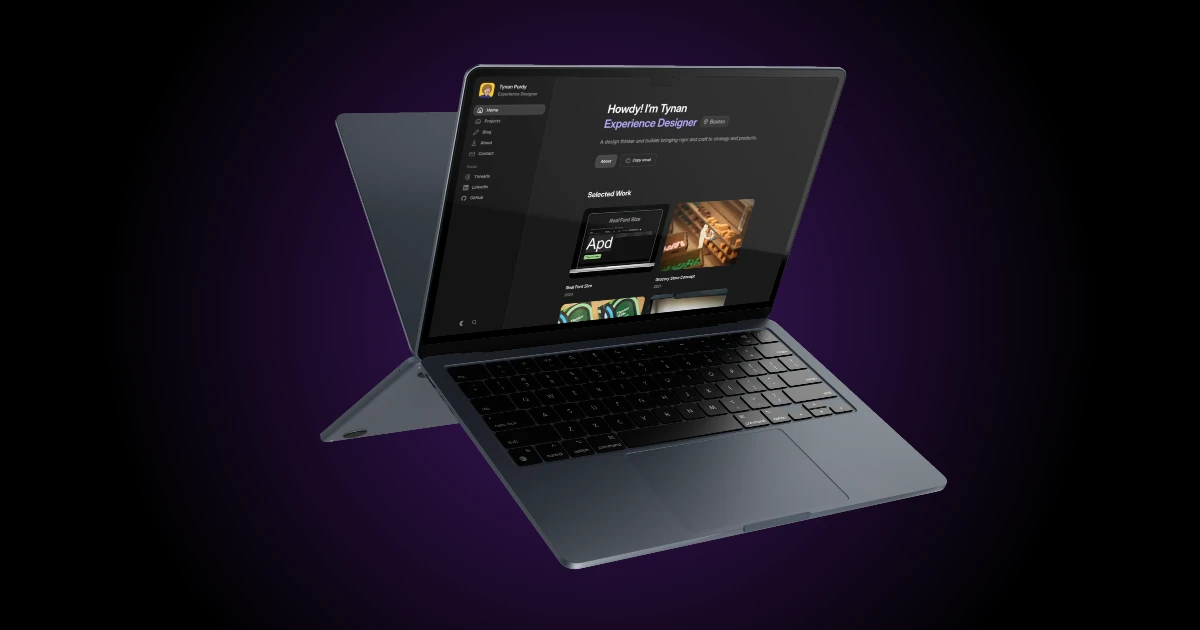
Tynan Purdy
A design thinker and builder bringing rigor and craft to strategy and products.
The Product Picnic
Writing on UX and product management to connect today's discourse with classic insights that the industry forgot.

Scott Galloway - The Four - What To Do
Business Model Innovation - an overview | ScienceDirect Topics
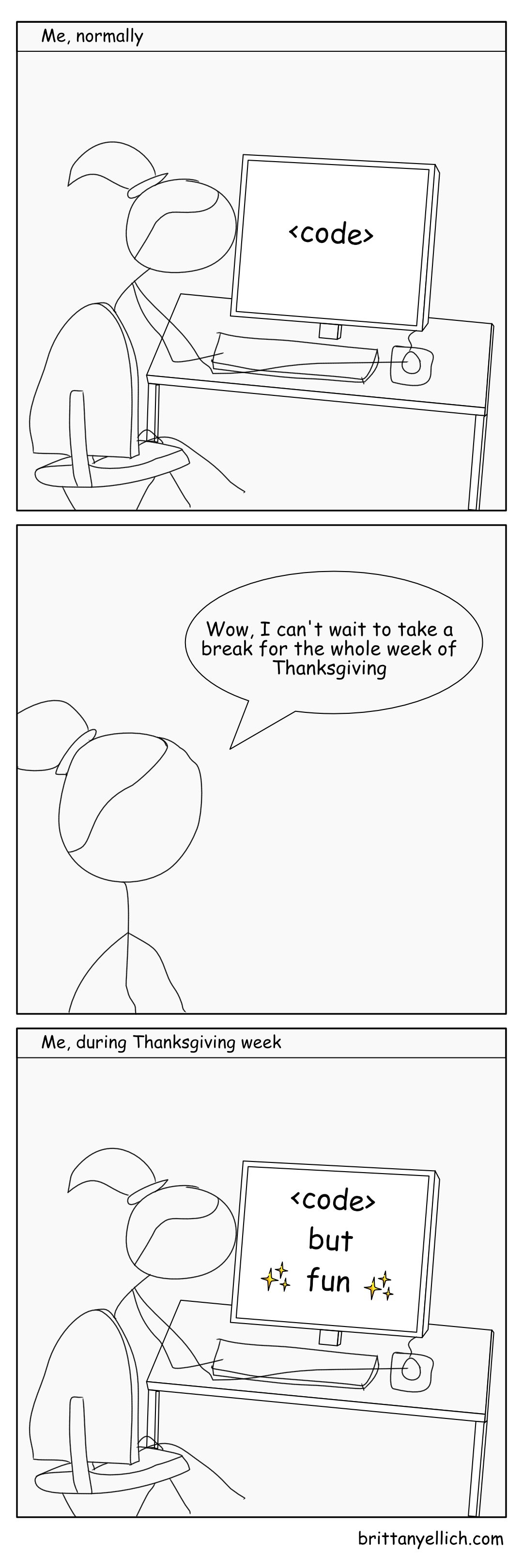
Build the thing you wish to see in the world
For most of my career, I've been confusing building products with building businesses—and that confusion kept me from pursuing a lot of ideas. Two weeks off helped me realize that not everything needs to be a startup, and some of the best things we build are the ones we build just because we want them to exist.
Thinking in Triplicate — Mule Design
To align design and business, visualize the shared narratives

Minimum Standards of Product Development
Fostering collaboration and continuous innovation

Product Design Psychology by Wouter de Bres
Understand the minds you design for and the mind you design with.
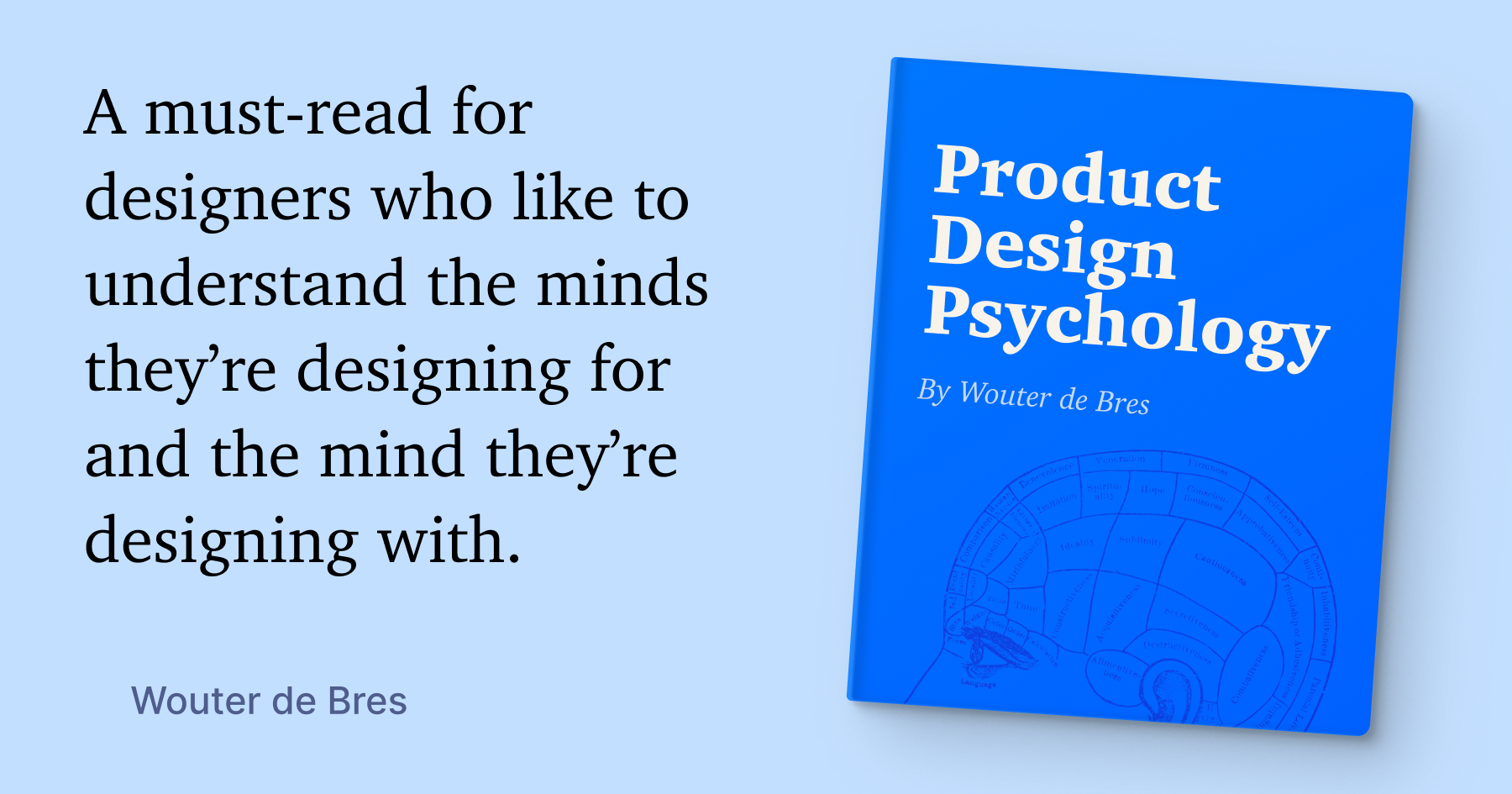
Jenny Wen: The design process is dead. Why Designers can no longer trust it.
Semble Product Inspiration

Products we take design, functionality or organizational inspiration from for semble

Elicit: AI for scientific research

Alerts | Elicit: Al for scientific research

Embed Bsky
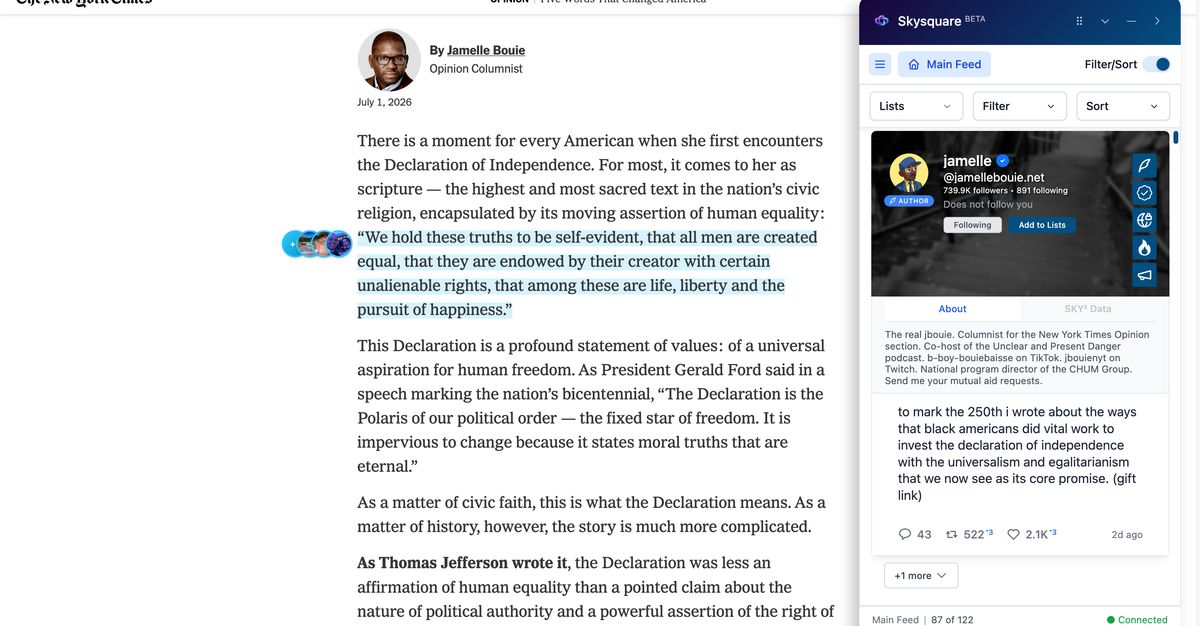
Skysquare — Public conversation, anchored to the web

alphaXiv
Hark, a link blog! - Boris Mann Tech Blog