


With growing concerns about COVID-19’s hyperinflammatory condition and its potentially damaging impact on the neurovascular system, there is a need to consider potential treatment options for managing short- and long-term effects on neurological complications, especially cognitive function. While maintaining adequate structure and function of phospholipid in brain cells, citicoline, identical to the natural metabolite phospholipid phosphatidylcholine precursor, can contribute to a variety of neurological diseases and hypothetically toward post-COVID-19 cognitive effects. In this review, we comprehensively describe in detail the potential citicoline mechanisms as adjunctive therapy and prevention of COVID-19-related cognitive decline and other neurologic complications through citicoline properties of anti-inflammation, anti-viral, neuroprotection, neurorestorative, and acetylcholine neurotransmitter synthesis, and provide a recommendation for future clinical trials.
Persistent Cognitive Dysfunction in a Non-Hospitalized COVID-19 Long-Hauler Patient Responding to Cognitive Rehabilitation and Citicoline Treatment
The Severe Acute Respiratory Syndrome Coronavirus 2 (SARS-CoV-2) infection is characterized by severe flu-like symptoms, which can progress to life-threatening systemic inflammation and multiorgan dysfunction. The nervous system is involved in over one-third of patients, and the most common neurological manifestations concern the central nervous system, such as headache, fatigue, and brain fog. The activation of innate, humoral, and cellular immune responses, resulting in a cytokine storm and endothelial and mitochondrial dysfunctions, are the main pathophysiological mechanisms of SARS-CoV-2 infection. Citicoline is an exogenous source of choline and cytidine involved in intracellular phospholipid synthesis, which improves blood flow, brain activity, and mitochondrial dysfunction. This report will present the case of a non-hospitalized, 59-year-old female. After a mild form of SARS-CoV-2 infection, the patient developed cognitive disturbances such as forgetfulness and anomia. The multidimensional neuropsychological assessment revealed an impairment in episodic memory with borderline performance in executive and visuospatial functioning. Cognitive rehabilitation and treatment with citicoline 1000 mg/daily led to a marked improvement in symptoms after six months. Early identification of the neurological sequelae of the Coronavirus Disease 2019 (COVID-19) and timely rehabilitation interventions are required in non-hospitalized long-hauler patients with COVID-19. Long-term treatment with citicoline should be considered as potentially effective in improving cognitive functioning in subjects with Post COVID-19 Neurological Syndrome.

Nervous system consequences of COVID-19
Neurological symptoms highlight the need to understand pathophysiologic mechanisms , Although severe acute respiratory syndrome coronavirus 2 (SARS-CoV-2) is considered a respiratory pathogen, myriad neurologic complications—including confusion, stroke, and neuromuscular disorders—manifest during acute COVID-19. Furthermore, maladies such as impaired concentration, headache, sensory disturbances, depression, and even psychosis may persist for months after infection, as part of a constellation of symptoms now called Long Covid. Even young people with mild initial disease can develop acute COVID-19 and Long Covid neuropsychiatric syndromes. The pathophysiological mechanisms are not well understood, although evidence primarily implicates immune dysfunction, including nonspecific neuroinflammation and antineural autoimmune dysregulation. It is uncertain whether unforeseen neurological consequences may develop years after initial infection. With millions of individuals affected, nervous system complications pose public health challenges for rehabilitation and recovery and for disruptions in the workforce due to loss of functional capacity. There is an urgent need to understand the pathophysiology of these disorders and develop disease-modifying therapies.

Do cognitive deficits persist after COVID-19 and, if so, what is their biological basis? Our NEW pre-print under review in @NaturePortfolio https://t.co/4JPGfeaSiB We report one-year cognitive, serum biomarker, and neuroimaging findings in 351 patients A thread 1/n
Do cognitive deficits persist after COVID-19 and, if so, what is their biological basis?Our NEW pre-print under review in @NaturePortfolio https://t.co/4JPGfeaSiBWe report one-year cognitive, serum biomarker, and neuroimaging findings in 351 patients A thread 1/n pic.twitter.com/W8MXV3qkVt— Greta Karen Wood (@gkwood3) January 9, 2024

Enhancing Human Cognition with Cocoa Flavonoids
Enhancing cognitive abilities has become a fascinating scientific challenge, recently driven by the interest in preventing age-related cognitive decline and sustaining normal cognitive performance in response to cognitively demanding environments. In recent years cocoa and cocoa-derived products, as a rich source of flavonoids, mainly the flavanols sub-class, have been clearly shown to exert cardiovascular benefits. More recently, neuromodulation and neuroprotective actions have been also suggested. Here, we discuss human studies specifically aimed at investigating the effects of acute and chronic administration of cocoa flavanols on different cognitive domains, such as executive functions, attention and memory. Through a variety of direct and indirect biological actions, in part still speculative, cocoa and cocoa-derived food have been suggested to possess the potential to counteract cognitive decline and sustain cognitive abilities, particularly among patients at risk. Although still at a preliminary stage, research investigating the relations between cocoa and cognition shows dose-dependent improvements in general cognition, attention, processing speed and working memory. Moreover, cocoa flavanols administration could also enhance normal cognitive functioning and exert a protective role on cognitive performance and cardiovascular function specifically impaired by sleep loss, in healthy subjects. Together, these findings converge at pointing to cocoa as a new interesting nutraceutical tool to protect human cognition and counteract different types of cognitive decline, thus encouraging further investigations. Future research should include complex experimental designs combining neuroimaging techniques with physiological and behavioral measures to better elucidate cocoa neuromodulatory properties and directly compare immediate versus long-lasting cognitive effects.

Mounting research shows that COVID-19 leaves its mark on the brain, including significant drops in IQ scores
Two new high-profile studies add to the increasingly worrisome picture of how even mild cases of COVID-19 can have detrimental effects on brain health.
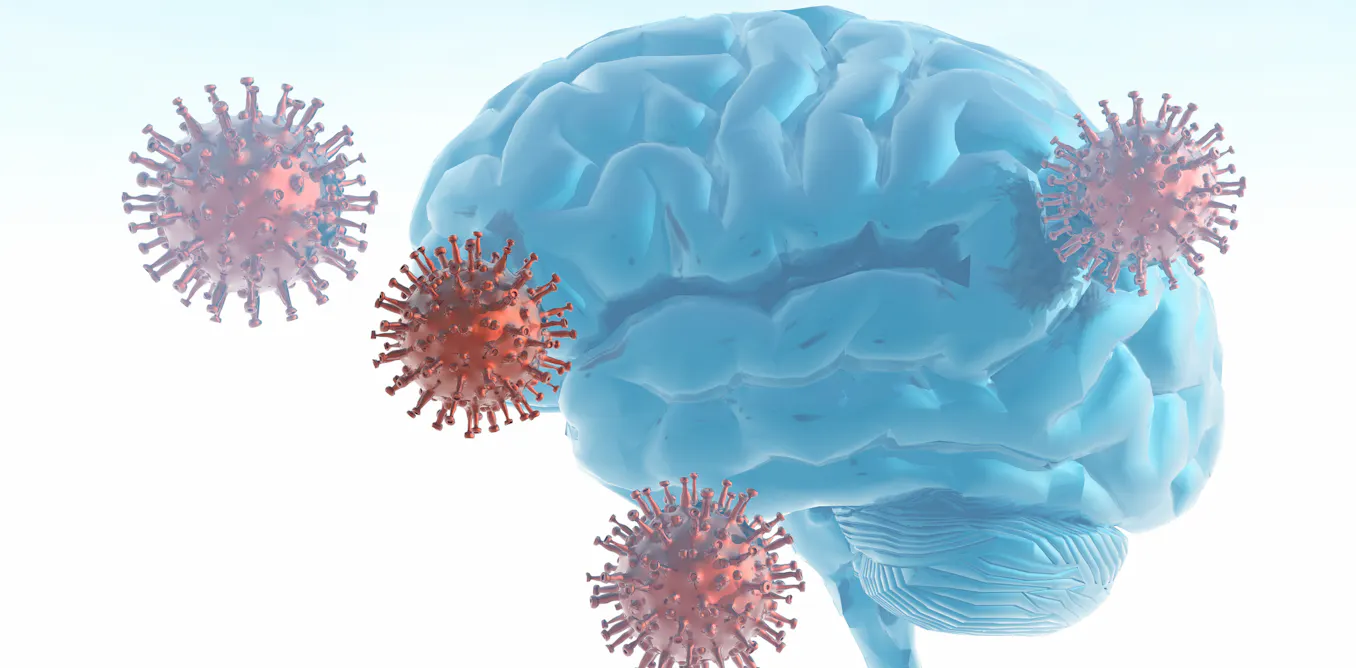
COVID-19 affects memory and cognition long after infection, study warns
Those in the study who had been infected with the virus showed an increase in a brain protein that is often associated with a brain injury.

PTI-125 Reduces Biomarkers of Alzheimer’s Disease in Patients
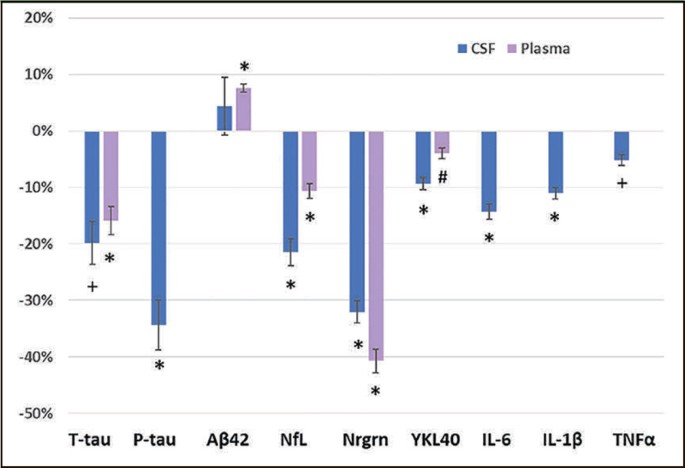
The most common dementia worldwide, Alzheimer’s disease is often diagnosed via biomarkers in cerebrospinal fluid, including reduced levels of Aβ1-42, and increases in total tau and phosphorylated tau-181. Here we describe results of a Phase 2a study of a promising new drug candidate that significantly reversed all measured biomarkers of Alzheimer’s disease, neurodegeneration and neuroinflammation. PTI-125 is an oral small molecule drug candidate that binds and reverses an altered conformation of the scaffolding protein filamin A found in Alzheimer’s disease brain. Altered filamin A links to the α7-nicotinic acetylcholine receptor to allow Aβ42’s toxic signaling through this receptor to hyperphosphorylate tau. Altered filamin A also links to toll-like receptor 4 to enable Aβ-induced persistent activation of this receptor and inflammatory cytokine release. Restoring the native shape of filamin A prevents or reverses filamin A’s linkages to the α7-nicotinic acetylcholine receptor and tolllike receptor 4, thereby blocking Aβ42’s activation of these receptors. The result is reduced tau hyperphosphorylation and neuroinflammation, with multiple functional improvements demonstrated in transgenic mice and postmortem Alzheimer’s disease brain.
Higher doses of omega-3 supplements may be needed for averting cognitive decline
For years, a scientific puzzle has bedeviled researchers aiming to fight Alzheimer's disease, a common and incurable form of dementia.

Orthostatic Intolerance after COVID-19 Infection: Is Disturbed Microcirculation of the Vasa Vasorum of Capacitance Vessels the Primary Defect?
Following COVID-19 infection, a substantial proportion of patients suffer from persistent symptoms known as Long COVID. Among the main symptoms are fatigue, cognitive dysfunction, muscle weakness and orthostatic intolerance (OI). These symptoms also occur in myalgic encephalomyelitis/chronic fatigue (ME/CFS). OI is highly prevalent in ME/CFS and develops early during or after acute COVID-19 infection. The causes for OI are unknown and autonomic dysfunction is hypothetically assumed to be the primary cause, presumably as a consequence of neuroinflammation. Here, we propose an alternative, primary vascular mechanism as the underlying cause of OI in Long COVID. We assume that the capacitance vessel system, which plays a key role in physiologic orthostatic regulation, becomes dysfunctional due to a disturbance of the microvessels and the vasa vasorum, which supply large parts of the wall of those large vessels. We assume that the known microcirculatory disturbance found after COVID-19 infection, resulting from endothelial dysfunction, microthrombus formation and rheological disturbances of blood cells (altered deformability), also affects the vasa vasorum to impair the function of the capacitance vessels. In an attempt to compensate for the vascular deficit, sympathetic activity overshoots to further worsen OI, resulting in a vicious circle that maintains OI. The resulting orthostatic stress, in turn, plays a key role in autonomic dysfunction and the pathophysiology of ME/CFS.

Current status and future perspectives on the mechanistic and pathophysiological understanding of long COVID
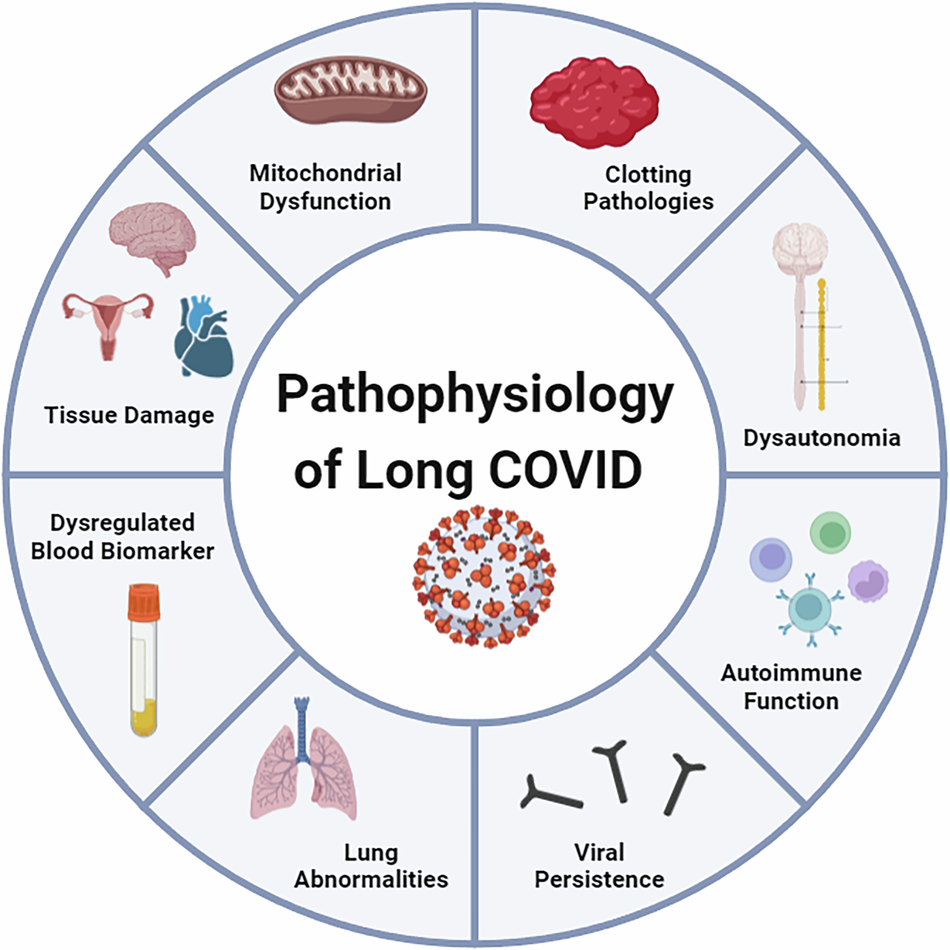
Viral and infectious illnesses can exert profound and enduring effects on population health and well-being. In the aftermath of SARS-CoV-2 infection, post-acute sequelae, collectively referred to as Long COVID, have emerged as a major global health challenge, affecting more than 400 million people and contributing to estimated annual economic costs exceeding $1 trillion. Long COVID encompasses a wide and heterogeneous spectrum of debilitating symptoms, including cognitive dysfunction, sleep disturbances, severe fatigue, and post-exertional malaise. Despite its substantial burden, fundamental uncertainties remain regarding its underlying pathophysiology, the development of robust diagnostic criteria, and the identification of effective therapeutic options. This review synthesises current evidence on the biological mechanisms thought to contribute to Long COVID, spanning immune dysregulation, viral persistence, autonomic dysfunction, microvascular pathology, and other emerging hypotheses. We examine advances and limitations in contemporary diagnostic approaches and critically appraise existing treatment strategies, highlighting inconsistencies and gaps that hinder clinical consensus. By integrating interdisciplinary insights, this review underscores the urgent need for mechanistic clarity, validated diagnostic frameworks, and rigorously evaluated treatment pathways. Addressing these gaps will be essential to developing effective, evidence-based management strategies and mitigating the long-term impact of Long COVID on global health.
Current status and future perspectives on the mechanistic and pathophysiological understanding of long COVID
Viral and infectious illnesses can exert profound and enduring effects on population health and well-being. In the aftermath of SARS-CoV-2 infection, post-acute sequelae, collectively referred to as Long COVID, have emerged as a major global health challenge, affecting more than 400 million people and contributing to estimated annual economic costs exceeding $1 trillion. Long COVID encompasses a wide and heterogeneous spectrum of debilitating symptoms, including cognitive dysfunction, sleep disturbances, severe fatigue, and post-exertional malaise. Despite its substantial burden, fundamental uncertainties remain regarding its underlying pathophysiology, the development of robust diagnostic criteria, and the identification of effective therapeutic options. This review synthesises current evidence on the biological mechanisms thought to contribute to Long COVID, spanning immune dysregulation, viral persistence, autonomic dysfunction, microvascular pathology, and other emerging hypotheses. We examine advances and limitations in contemporary diagnostic approaches and critically appraise existing treatment strategies, highlighting inconsistencies and gaps that hinder clinical consensus. By integrating interdisciplinary insights, this review underscores the urgent need for mechanistic clarity, validated diagnostic frameworks, and rigorously evaluated treatment pathways. Addressing these gaps will be essential to developing effective, evidence-based management strategies and mitigating the long-term impact of Long COVID on global health.
Mild COVID-19 disrupts brain connectivity and reduces memory function in adolescents and young adults
Study reveals localized brain changes in adolescents and young adults post-COVID, including reduced hippocampal volume and disrupted connectivity, correlating with impaired working memory. These findings highlight the importance of understanding long-term cognitive effects of mild COVID-19.

New Drug Reverses Neural and Cognitive Effects of a Concussion - Slashdot
An anonymous reader quotes a report from SciTechDaily: ISRIB, a tiny molecule identified by the University of California, San Francisco (UCSF) researchers can repair the neural and cognitive effects of concussion in mice weeks after the damage, according to a new study. ISRIB blocks the integrated s...

Long COVID management: a mini review of current recommendations and underutilized modalities
Long COVID is a condition that develops in a subset of patients after COVID-19 infection comprising of symptoms of varying severity encompassing multiple organ systems. Currently, long COVID is without consensus on a formal definition, identifiable biomarkers, and validated treatment. Long COVID is expected to be a long-term chronic condition for a subset of patients and is associated with suffering and incapacity. There is an urgent need for clear management guidelines for the primary care provider, who is essential in bridging the gap with more specialized care to improve quality of life and functionality in their patients living with long COVID. The purpose of this mini review is to provide primary care providers with the latest highlights from existing literature regarding the most common long COVID symptoms and current management recommendations. This review also highlights the underutilized interventions of stellate ganglion blocks and low-dose naltrexone, both with well-established safety profiles demonstrated to improve quality of life and functionality for patients suffering with some symptoms of long COVID, and encourages prompt referral to interventional pain management.

The miracle molecule that could treat brain injuries and boost your fading memory
Discovered more than a decade ago, a remarkable compound shows promise in treating everything from Alzheimer’s to brain injuries—and it just might improve your cognitive abilities.

Reducing Amyloid-Related Alzheimer's Disease Pathogenesis by a Small Molecule Targeting Filamin A
PTI-125 is a novel compound demonstrating a promising new approach to treating Alzheimer's disease (AD), characterized by neurodegeneration and amyloid plaque and neurofibrillary pathologies. We show that the toxic signaling of amyloid-β42 (Aβ42) by the α7-nicotinic acetylcholine receptor (α7nAChR), which results in tau phosphorylation and formation of neurofibrillary tangles, requires the recruitment of the scaffolding protein filamin A (FLNA). By binding FLNA with high affinity, PTI-125 prevents Aβ42's toxic cascade, decreasing phospho-tau and Aβ aggregates and reducing the dysfunction of α7nAChRs, NMDARs, and insulin receptors. PTI-125 prevents Aβ42 signaling by drastically reducing its affinity for α7nAChRs and can even dissociate existing Aβ42–α7nAChR complexes. Additionally, PTI-125 prevents Aβ-induced inflammatory cytokine release by blocking FLNA recruitment to toll-like receptor 4, illustrating an anti-inflammatory effect. PTI-125's broad spectrum of beneficial effects is demonstrated here in an intracerebroventricular Aβ42 infusion mouse model of AD and in human postmortem AD brain tissue.
