


A meta-analysis of observational studies and clinical trials reveals the ideal amount of dietary fiber that we should consume each day.
New study found the importance of dietary fiber: isn’t just the easier pooping but fermentable fiber -dietary carbohydrates that the human gut cannot process on its own but some bacteria can digest- is also an essential source of nutrients that your gut microbes need to stay healthy
28K votes, 1.2K comments. 35M subscribers in the science community. This community is a place to share and discuss new scientific research. Read…
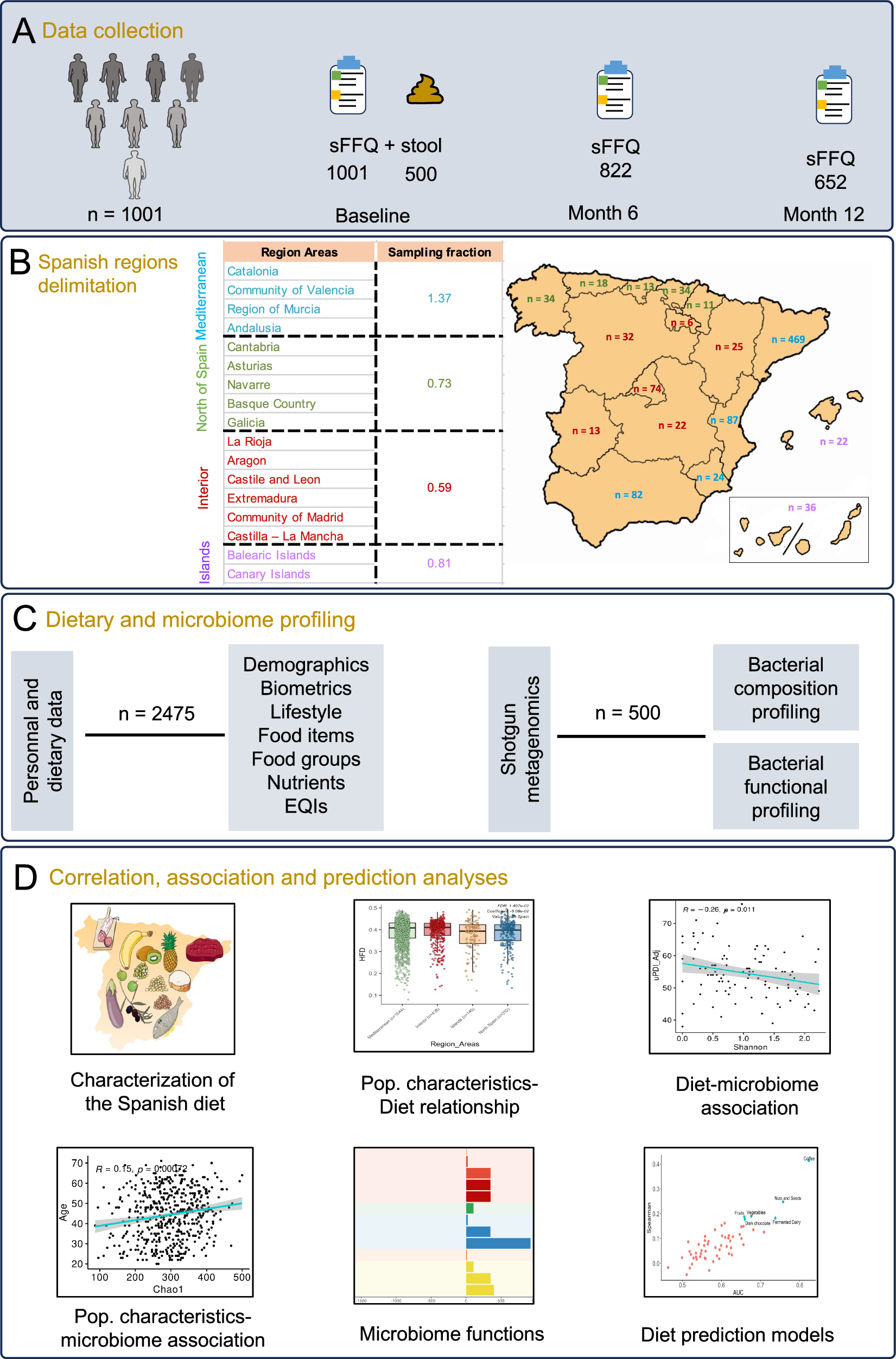
A contributory citizen science project reveals the impact of dietary keys to microbiome health in Spain
Low consumption of whole grains, fruits, and vegetables has been identified as dietary risks for non-communicable diseases such as inflammatory bowel diseases (IBDs). We explore how individual and lifestyle factors influence these risks by shaping gut microbiome composition. 1001 healthy participants from all Spanish regions provided personal and dietary data at baseline, six, and twelve months, yielding 2475 responses. Gut microbiome data were analyzed for 500 healthy participants and 321 IBD patients. Our findings reveal that adherence to national dietary guidelines—characterized by diets rich in nuts, seeds, fruits, and vegetables—was associated with greater microbial diversity and reduced IBD-related dysbiosis. Finally, we observed variations in dietary patterns and microbiome diversity and composition across age groups, genders, regions, seasons, and transit time. This study is among the first to uncover dietary intake associated with IBD-related dysbiosis and to propose an interactive website for participants (https://manichanh.vhir.org/POP/en).
Nearly all Americans fail to eat enough of this actual superfood
While we obsess about carbs and protein, we’ve ignored fiber — at our peril.

Nut intake and hyperuricemia risk in young adults
Objective:The relationship between dietary nut intake and hyperuricemia risk remains unclear. The aim of this study was to investigate the relationship between different nut intake and hyperuricemia risk with a cross-sectional study.Design:A semi-quantitative FFQ was adopted to collect dietary information. Biochemical and anthropometric parameters were measured by standard methods. Multivariate-adjusted logistic regression models were implemented to analyse the relationship between individual nut intake and hyperuricemia risk.Setting:Qingdao University in Shandong Province, China.Participants:During 2018–2019, a total of 14 056 undergraduates (6862 males and 7194 females) aged 15–25 years participated in the study.Results:After adjusting for multiple confounding factors, compared with the lowest quartile, the highest quartile intakes of pine nut (95 % CI (0·51, 0·98)) was significantly associated with 29 % reduction in hyperuricemia risk, the highest quartile intake of walnut (OR = 0·78; 95 % CI (0·58, 1·05)) was marginally negatively associated with hyperuricemia risk.Conclusions:The present study showed that the relationships between intakes of different nuts and hyperuricemia risk were different. Increased dietary intakes of walnut and pine nut are negatively associated with the hyperuricemia.
Health effects of dietary risks in 195 countries, 1990–2017: a systematic analysis for the Global Burden of Disease Study 2017
This study provides a comprehensive picture of the potential impact of suboptimal diet on NCD mortality and morbidity, highlighting the need for improving diet across nations. Our findings will inform implementation of evidence-based dietary interventions and provide a platform for evaluation of their impact on human health annually.

Eat fibre first – and ditch the juice: five quick and easy tips for a much healthier meal
Scientist and author Tim Spector shows how to make small but important changes to improve the way you eat – while still enjoying your food

Diet plan tailored to your gut microbiome could lower disease risk
An international team of researchers led from London analysed the diet, health and gut microbiomes of more than 1,100 participants from the UK and the US.

Prebiotics Enhance Magnesium Absorption and Inulin‐based Fibers Exert Chronic Effects on Calcium Utilization in a Postmenopausal Rodent Model
Abstract: Age‐related changes in calcium metabolism play a role in the development of osteoporosis. A 4‐wk feeding study was conducted in 5‐mo‐old ovariectomized (OVX) Sprague‐Dawley rats to assess the effect of various dietary fibers on mineral metabolism and bone health parameters. There were 6 treatment groups: sham‐Control, OVX‐Control, OVX rats receiving daily estradiol (E 2 ) injections, and OVX rats receiving an AIN‐93M diet supplement with either an inulin‐based fiber (Synergy1® or Fruitafit HD®) or a novel fiber (polydextrose) at 5% wt. of diet. Calcium and magnesium metabolic balances were performed after early (3 d) and late exposure (4 wk) to dietary treatments. Rats receiving polydextrose had significantly higher net calcium absorption efficiency and retention than all control groups and a trend ( P ≤ 0.10) for higher calcium absorption when compared to inulin‐based fibers after early exposure but the advantage did not persist over long‐term exposure. The inulin‐based fibers had positive chronic effects on calcium metabolism that were related to changes in the gut, that is, production of short chain fatty acids and higher cecal wall weights. All fibers improved magnesium absorption and retention in early and late metabolic balances; effects on magnesium metabolism were more pronounced than for calcium. Practical Application: Steady growth in US middle‐aged and elderly populations has led to higher incidences of several chronic diseases including osteoporosis, a bone disease that primarily affects postmenopausal women. Recent research suggests that certain dietary fibers (prebiotics) enhance mineral absorption and may impart bone health benefits. This work examines the impact of prebiotic supplementation on mineral metabolism and bone health using a postmenopausal rat model. Study findings will aid future investigations in ascertaining the factors related to potential bone health benefits of prebiotic which will aid in developing an effective prebiotics food product/supplement that will address the bone health needs of consumers.

This study 40 years ago could have reshaped the American diet. But it was never fully published.
A fuller accounting of the results of a massive government-funded experiment on fatty foods challenges the conventional advice about what is healthy, and what is not.

Study Finds Probiotics 'Not As Beneficial For Gut Health As Previously Thought' - Slashdot
An anonymous reader quotes a report from The Guardian: The gut microbiome is the sum total of all the micro-organisms living in a person's gut, and has been shown to play a huge role in human health. New research has found probiotics -- usually taken as supplements or in foods such as yoghurt, kimch...

Study Finds Fermented Foods May Alter Your Microbiome, Reduce Inflammation, and Improve Your Health - Slashdot
A new study finds that eating fermented foods like yogurt, kimchi, sauerkraut and kombucha increase the diverse of gut microbes — and "may also lead to lower levels of body-wide inflammation, which scientists increasingly link to a range of diseases tied to aging," reports the New York Times: ...
Simple Rules for Healthy Eating (Published 2015)
There’s a lot of advice out there about what kinds of food you should be avoiding. Here’s a more positive approach.

Examine.com
Examine simplifies nutrition and supplementation — through meticulous analysis of the latest scientific research — to help answer your questions on how to be healthier.
Dietary Fiber and Bacterial SCFA Enhance Oral Tolerance and Protect against Food Allergy through Diverse Cellular Pathways
Tan et al. examine the beneficial roles of dietary fiber in peanut allergy using mice. The authors find that this effect involves reshaping of the gut microbiota as well as increased levels of short-chain fatty acids and activity of their receptors GPR43 and GPR109a. High-fiber feeding also increased tolerogenic CD103+ DCs activity, leading to increased Treg cell differentiation.

Largest ever microbiome study offers novel insights into gut bacteria and human health
The American Gut Project – a global, crowdsourced citizen science effort – has published the first results from one of the biggest gut microbiome studies performed to date. The study is only observational, fueled by self-reports from participants, but it offers a compelling snapshot into the complex relationship between gut bacteria and human health.
A challenge if anyone wants to take it up. Here is a recent review in the BMJ on the "Evidence for clinical interventions targeting the gut microbiome in cardiometabolic disease". There is not a single effect estimate reported in this review, or either supplemental file bmj.com/content/383/bmj-2023-075180

Evidence for clinical interventions targeting the gut microbiome in cardiometabolic disease
www.bmj.com