

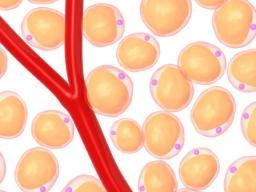
Scientists have discovered a genetic pathway, which - when manipulated - shows pro- and anti-obesity effects by switching between storage and burning in fat cells.
When you lose weight, your fat cells don’t just let go of fat
If cells were personified, fat cells would be an overbearing grandparent who hoards.

The sleep switch that builds muscle, burns fat, and boosts brainpower
UC Berkeley researchers mapped the brain circuits that control growth hormone during sleep, uncovering a feedback system where sleep fuels hormone release, and the hormone regulates wakefulness. The discovery helps explain links between poor sleep, obesity, diabetes, and cognitive decline, while opening new paths for treating sleep and metabolic disorders.

Least resistance weight loss
The weight-loss industry preys on scientific naivete, often conflating good nutrition with the caloric deficit necessary to lose weight.
How the Sugar Industry Shifted Blame to Fat (Published 2016)
Newly discovered documents show that the sugar industry paid scientists in the 1960s to shape the debate around heart disease, sugar and fat.

How the Sugar Industry Shifted Blame to Fat (Published 2016)
Newly discovered documents show that the sugar industry paid scientists in the 1960s to shape the debate around heart disease, sugar and fat.
Everything You Know About Obesity Is Wrong
For decades, the medical community has ignored mountains of evidence to wage a cruel and futile war on fat people, poisoning public perception and ruining millions of lives. It's time for a new paradigm.

Scientists discover how deep sleep builds muscle, burns fat, and boosts the brain
Scientists have discovered a surprising two-way relationship between sleep and growth hormone, revealing how the brain carefully balances physical recovery with wakefulness. The findings could help explain why poor sleep harms metabolism and brain health, potentially opening the door to new treatments for sleep and neurological disorders.

Learning One’s Genetic Risk Might Affect Eating and Exercise
Thinking about genetic risk for obesity-related traits — whether or not that information is true — may trigger placebo and nocebo effects.

Uric Acid: A KEY Cause of Weight Gain, Diabetes, Heart Disease & Dementia | Dr. David Perlmutter
Sugar industry bought off scientists, skewed dietary guidelines for decades
Harvard researchers got hefty sums to downplay role of sweets in heart disease.
How Food Powers Your Body
Metabolism, which unleashes the energy in what you eat, may be nature’s most electrifying invention.

The sugar conspiracy: sugar—not fat—is the greatest danger to our health | Hacker News
I've lost about 100lbs in 2.5 years... The only thing that I really changed was doing a Keto diet. I've learned a lot about nutrition along the way, and it's amazing how bad nutrition info was when I was growing up..
The sugar conspiracy | Ian Leslie
The Long Read: In 1972, a British scientist sounded the alarm that sugar – and not fat – was the greatest danger to our health. But his findings were ridiculed and his reputation ruined. How did the world’s top nutrition scientists get it so wrong for so long?

The sugar conspiracy | Ian Leslie
The Long Read: In 1972, a British scientist sounded the alarm that sugar – and not fat – was the greatest danger to our health. But his findings were ridiculed and his reputation ruined. How did the world’s top nutrition scientists get it so wrong for so long?
What The Industry Knew About Sugar's Health Effects, But Didn't Tell Us
The sugar industry pulled the plug on an animal study it funded in the 1960s. Initial results pointed to a link between sugar consumption and elevated triglycerides, which raises heart disease risk.

Sugar disrupts microbiome, eliminates protection against obesity and diabetes
A study of mice found that dietary sugar alters the gut microbiome, setting off a chain of events that leads to metabolic disease, pre-diabetes, and weight gain. The findings suggest that diet matters, but an optimal microbiome is equally important for the prevention of metabolic syndrome, diabetes, and obesity.
