Importance Light at night causes circadian disruption, which is a known risk factor for adverse cardiovascular outcomes. However, it is not well understood whether personal light exposure patterns predicts and individual’s risk of cardiovascular diseases. Objective To assess whether day and night light exposure predicts incidence of cardiovascular diseases, and whether relationships of light with cardiovascular diseases differ according to genetic susceptibility, sex, and age. Design Prospective cohort study. Setting United Kingdom. Participants N=88,905, age (M±SD) = 62.4±7.8 years, 56.9% female. Exposure Approximately 13 million hours of personal light exposure data, tracked by wrist-worn light sensors (one week each). Main Outcomes and Measures Incidence of coronary artery disease, myocardial infarction, heart failure, atrial fibrillation, and stroke, derived from UK National Health Service records, across a 9.5-year follow-up after light tracking. Results People with the brightest nights (90-100th percentiles) had significantly higher risks of developing coronary artery disease (adjusted-HR range: 1.23-1.32), myocardial infarction (aHRs: 1.42-1.47), heart failure (aHRs: 1.45-1.56), atrial fibrillation (aHRs: 1.28-1.32), and stroke (aHRs: 1.28-1.30), compared to people with dark nights (0-50th percentiles). These relationships were robust after adjusting for established risk factors for cardiovascular health, including physical activity, smoking, alcohol, diet, sleep duration, socioeconomic status, and polygenic risk. Relationships of night light with risk of heart failure and coronary artery disease were stronger for women, and relationships of night light with risk of heart failure and atrial fibrillation were stronger for younger individuals in this cohort. Conclusions and Relevance Night light exposure was a significant risk factor for developing cardiovascular diseases in this cohort. In addition to current preventative measures, avoiding light at night may be a useful strategy for reducing risks of cardiovascular diseases. Question Does personal light exposure predict incidence of cardiovascular diseases? Findings In this study of ∼89,000 adults aged >40 years, exposure to brighter light at night predicted higher incidence of coronary artery disease, myocardial infarction, heart failure, atrial fibrillation, and stroke, independent of established cardiovascular risk factors. Meaning Avoiding exposure to night light may lower risk for cardiovascular diseases. ### Competing Interest Statement Conflicts of Interest Disclosures: M.K.R. has consulted for Eli Lilly and has modest stock ownership in GSK. M.K.R. disclosures are not related to the current work. F.A.J.L.S. served on the Board of Directors for the Sleep Research Society and has received consulting fees from the University of Alabama at Birmingham and Morehouse School of Medicine. F.A.J.L.S. interests were reviewed and managed by Brigham and Women's Hospital and Partners HealthCare under their conflict-of-interest policies. F.A.J.L.S. consultancies are not related to the current work. S.W.C. has consulted for Dyson. A.J.K.P. and S.W.C. are co-founders and co-directors of Circadian Health Innovations PTY LTD. A.J.K.P. and S.W.C. have received research funding from Versalux and Delos. S.W.C. has received research funding from Beacon Lighting. D.P.W, A.C.B., J.M.L., and R.S. have no conflicts of interest to disclose. ### Funding Statement Funding/Support: D.P.W. was supported by the Australian Research Council (DP210102924 and DP220102812). J.M.L. was supported by National Institutes of Health (NIH) grants R35-GM146839 and R01-HG012810. F.A.J.L.S. partly supported by NIH grants R01-HL140574, R01-HL153969, R01-HL164454, and R01-HL167746. Role of the Funder/Sponsor: Funding sources did not play a role in the design and conduct of the study; collection, management, analysis, or interpretation of the data; preparation, review, or approval of the manuscript; or the final decision to submit the manuscript for publication. ### Author Declarations I confirm all relevant ethical guidelines have been followed, and any necessary IRB and/or ethics committee approvals have been obtained. Yes The details of the IRB/oversight body that provided approval or exemption for the research described are given below: This research was conducted using UK Biobank data (Project ID: 6818), and ethical approval was granted by the North West Multi-centre Research Ethics Committee. The Monash University Human Research Ethics Committee of Monash University also gave ethical approval for this work. I confirm that all necessary patient/participant consent has been obtained and the appropriate institutional forms have been archived, and that any patient/participant/sample identifiers included were not known to anyone (e.g., hospital staff, patients or participants themselves) outside the research group so cannot be used to identify individuals. Yes I understand that all clinical trials and any other prospective interventional studies must be registered with an ICMJE-approved registry, such as ClinicalTrials.gov. I confirm that any such study reported in the manuscript has been registered and the trial registration ID is provided (note: if posting a prospective study registered retrospectively, please provide a statement in the trial ID field explaining why the study was not registered in advance). Yes I have followed all appropriate research reporting guidelines, such as any relevant EQUATOR Network research reporting checklist(s) and other pertinent material, if applicable. Yes All data used in the present work are available upon application to the UK Biobank team. <https://biobank.ndph.ox.ac.uk/showcase/>
Outdoor lighting at night doesn’t do what you think it does to reduce crime and increase safety
There is no clear scientific evidence that increased outdoor lighting deters crimes. It may make us feel safer, but it has not been shown to make us safer. A 2015 study published in the Journal of…
Why sunlight is vital to our physical and mental health | Psyche Notes to Self
The new book ‘In Defense of Sunlight’ argues that our concerns about the sun’s risks lead us to overlook its benefits

We’re Squandering LEDs’ Potential to Save Our Night Skies
Bad decisions have turned efficient technology into a driver of light pollution. There is a better way

Associations of Sociodemographic and Neighborhood Vulnerability With Cardiovascular Health in Midlife Women in the United States
BACKGROUND: Many women have suboptimal cardiovascular health (CVH), which declines during midlife. Few studies have characterized CVH across the menopausal transition or identified its sociodemographic and neighborhood determinants. METHODS: We analyzed a prospective cohort of women in eastern Massachusetts enrolled during pregnancy (1999–2002) and followed to midlife (2019–2024). Exposures included household income, education, race and ethnicity, and neighborhood Social Vulnerability Index (categorized from very low [<20th percentile] to very high [≥80th percentile]; higher categories=greater neighborhood vulnerability). Women self-reported their menopause status using questionnaires. Using Life’s Essential 8, we derived CVH scores (0–100 points; higher score=better CVH) at 3-, 8-, 13-, 18-, and 23-year follow-up visits. Linear spline mixed-effect models examined associations of sociodemographics and neighborhood Social Vulnerability Index with differences in CVH across different menopause stages (premenopause, perimenopause, and postmenopause). RESULTS: Among 1200 women (mean enrollment age, 32.1 years; 67.5% Non-Hispanic White), 15.4% had household incomes ≤$40 000/y, 8.8% had ≤high school education, and 17.4% resided in very high Social Vulnerability Index neighborhoods. After covariate adjustment, women with lower income, lower education, or identifying as Non-Hispanic Black exhibited lower CVH across follow-up. Independent of individual sociodemographics, continued residence in vulnerable neighborhoods over time was associated with lower CVH and unfavorable CVH trajectories across follow-up. For example, residence in very high (versus very low) Social Vulnerability Index neighborhoods from enrollment to 3-year follow-up corresponded to mean CVH differences of −6.7 (95% CI, −12.3 to −1.2) at 3-year, −9.8 (95% CI, −15.6 to −4.0) at 8-year, −8.9 (95% CI, −13.9 to −3.9) at 13-year, −6.7 (95% CI, −12.9 to −0.5) at 18-year, and −7.2 (95% CI, −12.5 to −1.9) at 23-year follow-up, and with faster CVH score decline during premenopause (−0.62 points/y; 95% CI, −1.22 to −0.02). CONCLUSIONS: Women from disadvantaged sociodemographic backgrounds or residing in vulnerable neighborhoods exhibit poorer CVH across the menopausal transition, highlighting opportunities to optimize long-term CVH and mitigate cardiovascular disease risk.

What Did Ancient Humans Do at Night?
The effects of physical activity on sleep architecture and mood in naturalistic environments
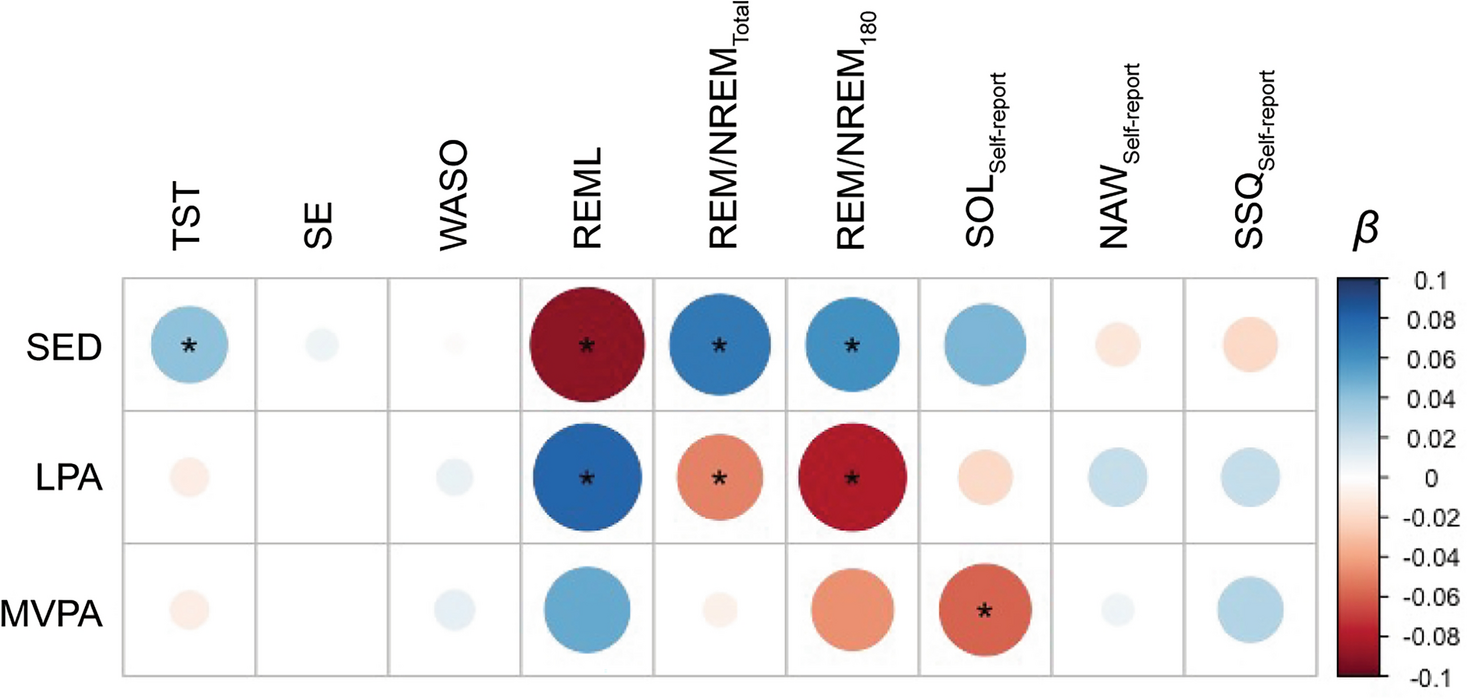
Physical activity has been found to alter sleep architecture, but these effects have been studied predominantly in the laboratory and the generalizability of these findings to naturalistic environments and longer time intervals, as well as their psychological effects, have not been evaluated. Recent technological advancements in wearable devices have made it possible to capture detailed measures of sleep outside the lab, including timing of specific sleep stages. In the current study, we utilized photoplethysmography coupled with accelerometers and smartphone ambulatory assessment to collect daily measurements of sleep, physical activity and mood in a sample of N = 82 over multi-month data collection intervals. We found a robust inverse relationship between sedentary behavior and physical activity and sleep architecture: both low-intensity and moderate-to-vigorous physical activity were associated with increased NREM sleep and decreased REM sleep, as well as a longer REM latency, while higher levels of sedentary behavior showed the opposite pattern. A decreased REM/NREM ratio and increased REM latency were in turn associated with improved wellbeing, including increased energy, reduced stress and enhanced perceived restfulness of sleep. Our results suggest that physical activity and sleep account for unique variance in a person’s mood, suggesting that these effects are at least partially independent.
DarkSky International
DarkSky International restores the nighttime environment and protects communities from the harmful effects of light pollution through outreach, advocacy, and conservation.
Skin Exposure to Narrow Band Ultraviolet (UVB) Light Modulates the Human Intestinal Microbiome
The recent worldwide rise in idiopathic immune and inflammatory diseases such as multiple sclerosis and inflammatory bowel diseases has been linked to Western society-based changes in lifestyle and environment. These include decreased exposure to sunlight/UVB light and subsequent impairment in the production of vitamin D, as well as dysbiotic changes in the makeup of the gut microbiome. Despite their association, it is unclear if there are any direct links between UVB light and the gut microbiome. In this study we investigated whether exposing the skin to Narrow Band Ultraviolet B (NB-UVB) light to increase serum vitamin D levels would also modulate the makeup of the human intestinal microbiota. The effects of NB-UVB light were studied in a clinical pilot study using a healthy human female cohort (n=21). Participants were divided into those that took vitamin D supplements throughout the winter prior to the start of the study (VDS+) and those who did not (VDS-). After three NB-UVB light exposures within the same week, the serum 25(OH)D levels of participants increased on average 7.3 nmol/L. The serum response was negatively correlated to the starting 25-hydroxy vitamin D (25(OH)D) serum concentration. Fecal microbiota composition analysis using 16S rRNA sequencing showed that exposure to NB-UVB significantly increased alpha and beta diversity in the VDS- group whereas there were no changes in the VDS+ group. Bacteria from several families were enriched in the VDS- group after the UVB exposures according to a Linear Discriminant Analysis prediction, including Lachnospiracheae, Rikenellaceae, Desulfobacteraceae, Clostridiales vadinBB60 group, Clostridia Family XIII, Coriobacteriaceae, Marinifilaceae, and Ruminococcus. The serum 25(OH)D concentrations showed a correlation with the relative abundance of the Lachnospiraceae, specifically members of the Lachnopsira and Fusicatenibacter genera. This is the first study to show that humans with low 25(OH)D serum levels display overt changes in their intestinal microbiome in response to NB-UVB skin exposure and increases in 25(OH)D levels, suggesting the existence of a novel skin-gut axis that could be used to promote intestinal homeostasis and health.Clinical trial registration: clinicaltrials.gov, NCT03962673. Registered 23 May 2019 - Retrospectively registered, https://clinicaltrials.gov/ct2/show/NCT03962673?term=NCT03962673&rank=1

Dosing time matters
Circadian precision medicine may supplement genetic precision to improve drug action

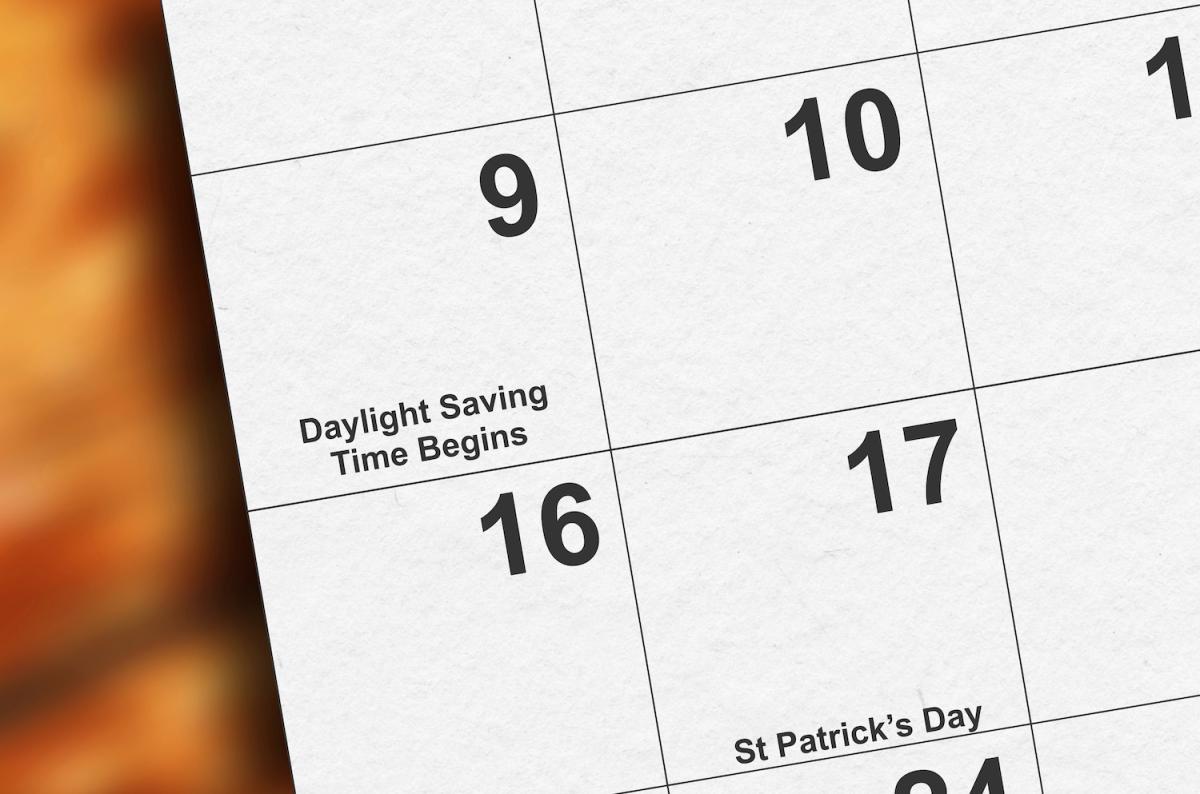
Abolishing Daylight Saving Time is easy, setting a permanent time is not
Daylight Saving Time – the biannual ritual of adjusting clocks forwards and backwards – has long been debated. Advocates argue it saves energy and promotes outdoor activities, while critics highlight its disruptive effects on health, productivity, and social routines. This column examines the health impacts, societal costs, and the outdated rationale behind the implementation of Daylight Saving Time, and argues that there is good reason to abolish it. This would imply trade-offs, however. While adopting Standard Time permanently would be better from a health perspective, ‘summer time’ is preferred in many countries.
Extreme night owls: ‘I can’t tell anyone what time I go to bed’
What happens when your natural sleeping pattern is at odds with the rest of the world?
New Artificial Lighting Tricks Human Brain into Seeing Sunlight
Access to natural daylight has long been one of the biggest limiting factors in building design – some solutions involve reflecting real daylight from the outdoors, but until now no solution …

Improving and Expanding Estimates of the Global Burden of Disease Due to Environmental Health Risk Factors
Abstract Background: The Global Burden of Disease (GBD) study, coordinated by the Institute for Health Metrics and Evaluation (IHME), produces influential, data-driven estimates of the burden of disease and premature death due to major risk factors. Expanded quantification of disease due to environmental health (EH) risk factors, including climate change, will enhance accuracy of GBD estimates, which will contribute to developing cost-effective policies that promote prevention and achieving Sustainable Development Goals. Objectives: We review key aspects of the GBD for the EH community and introduce the Global Burden of Disease–Pollution and Health Initiative (GBD-PHI), which aims to work with IHME and the GBD study to improve estimates of disease burden attributable to EH risk factors and to develop an innovative approach to estimating climate-related disease burden—both current and projected. Methods: We discuss strategies for improving GBD quantification of specific EH risk factors, including air pollution, lead, and climate change. We highlight key methodological challenges, including new EH risk factors, notably evidence rating and global exposure assessment. Discussion: A number of issues present challenges to the scope and accuracy of current GBD estimates for EH risk factors. For air pollution, minimal data exist on the exposure–risk relationships associated with high levels of pollution; epidemiological studies in high pollution regions should be a research priority. For lead, the GBD’s current methods do not fully account for lead’s impact on neurodevelopment; innovative methods to account for subclinical effects are needed. Decisions on inclusion of additional EH risk–outcome pairs need to be guided by findings of systematic reviews, the size of exposed populations, feasibility of global exposure estimates, and predicted trends in exposures and diseases. Neurotoxicants, endocrine-disrupting chemicals, and climate-related factors should be high priorities for incorporation into upcoming iterations of the GBD study. Enhancing the scope and methods will improve the GBD’s estimates and better guide prevention policy. https://doi.org/10.1289/EHP5496
Home - Globe At Night
Globe at Night is an international citizen-science campaign to raise public awareness of the impact of light pollution by inviting citizen-scientists to measure & submit their night sky brightness observations.
This Is What Happens to Your Body on No Sleep
In short, nothing good—and just one bad night can trigger a cascade of side effects