


People with generalized anxiety disorder unconsciously label harmless things as threats, which increases their anxiety.
Scientists Identify The Physical Source of Anxiety in The Brain
And they can control it.

Generalization of beneficial exposure effects to untreated stimuli from another fear category
Previous research has shown that fear associated with one stimulus often spreads to other stimuli with similar perceptual features as well as across different stimulus categories. Exposure is considered as the most effective intervention to attenuate exaggerated fear. The extent to which exposure treatment effects can generalize to fears not targeted during treatment remains elusive. Previous studies on possible generalization of beneficial effects of exposure used stimuli sharing the same stimulus category and/or stimuli having high perceptual similarity. The current study examined whether exposure treatment generalization can be achieved for untreated stimuli which do not share any perceptual resemblance and belong to a different fear category. An analogue sample of fifty participants with fear of spiders (animal-related fears) and heights (natural environment-related fears) was tested. Participants have been randomly assigned to either an exposure treatment (n = 24) or a control condition (n = 26). Exposure treatment was designed to only target participants’ fear of spiders, leaving their fear of heights untreated. Results demonstrated that the effects of exposure treatment generalized to fear of heights, as indicated by a reduction in behavioral avoidance, as well as self-reported acrophobia symptoms. The present study confutes the assumption that generalization of exposure effects to untreated fears is based on perceptual similarity. Clearly, further research is required to determine the decisive factors, in order to expand the generalization effect permanently to any given type of fear.

What Anxiety Does to Your Brain and What You Can Do About It
Anxiety is a perfectly normal and natural part of being a human.

The Neuroscience of Fearful Memories and Avoidance Behaviors
Neuroscientists have identified how the brain remembers fearful experiences. And how fear-based memories can lead to avoidance behaviors.
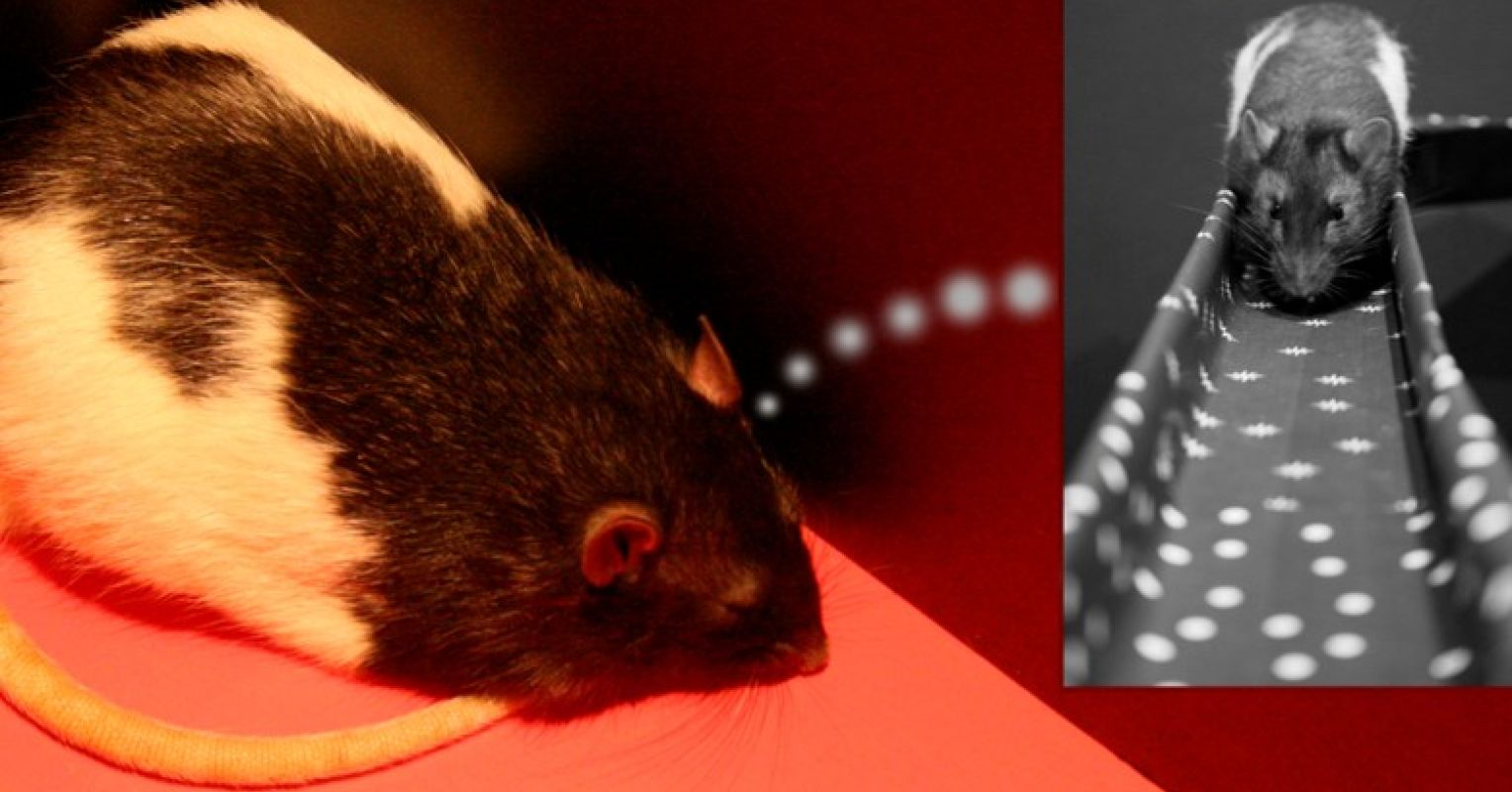
Anxiety and Depression Are Symptoms, Not Diseases
It is crucial to first and foremost see anxiety and depression as symptoms of unmet needs for relational value, rather than diseases of the brain.

The thinking style that makes people vulnerable to extremism | Psyche Ideas
The people most drawn to ideological thinking and authoritarianism aren’t aware of what makes them so susceptible

New research nuances our understanding of how anxiety impacts working memory and cognition
Anxiety disorders are among the most prevalent mental health disorders in the world, affecting some 40 million individuals in the United States alone.
Al-Qaeda's Likely Strategy, and Why It May Work
Psychological research finds a clear link between terror-related fears and prejudice toward outsiders.

Genetic Contribution to Anxiety Is Partially Mediated by Gut Microbiome - Neuroscience News
Researchers identified specific genetic variants and families of gut microbes associated with anxiety-like behavior, including host genes that influence anxiety indirectly.

Scientists may have found the root of anxiety, opening a door to treatment
"For people suffering from anxiety, this news should give hope."

Normalcy bias prevents resilience to cognitive warfare
Us Versus Them: Harming the ‘Outgroup’ Is Linked to Elevated Activity in the Brain’s Reward Circuitry - Neuroscience News
Aggression toward members in an "outgroup" was associated with increased activity in areas of the brain associated with reward. Activity in the ventromedial prefrontal cortex impacted the level of aggression a person demonstrated against an outsider.

Brain imaging study finds that teaching math anxious students to reframe their anxieties improves their performance
New research suggests that a cognitive reappraisal strategy can help math anxious individuals regulate their negative emotions surrounding math. The study

Brain Circuit for Vicarious Fear Reveals How We Feel Others’ Pain - Neuroscience News
Scientists have uncovered a dedicated brain circuit that distinguishes between direct fear and fear learned by observing others—known as vicarious fear.

Interoception Is Our Sixth Sense, and It May Be Key to Mental Health
Disruptions in interoception may underlie anxiety, eating disorders, and other mental health ailments
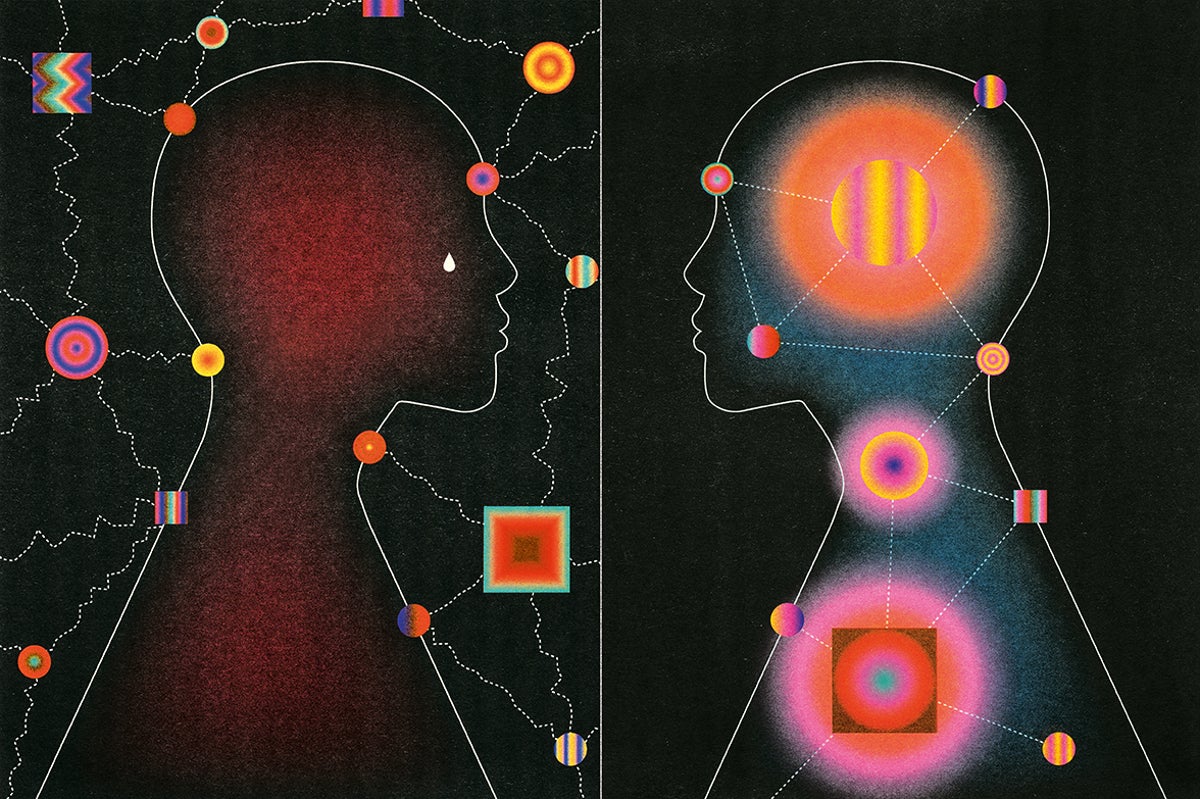
How cognitive dissonance and normalcy bias prevent awareness and resilience to cognitive warfare attacks. Citing @chadbriggs.bsky.social and Janis Sarts. (Apologies to Janis for misspelling his name in the slide deck.) m.youtube.com/watch?v=BGeC-XGQAyI

Normalcy bias prevents resilience to cognitive warfare
m.youtube.com