

The Work Trend Index provides data-driven insights to help people and organizations thrive amid ongoing change and disruption.
The new word processor wars: A fresh crop of productivity apps are trying to reinvent our workday
Microsoft, more than any other institution on earth, has shaped how we work and how we think about it. If you spend your days in an office (and often if

WAO - The Workers' Algorithm Observatory
The WAO researches and audits work algorithms to empower workers. Companies increasingly rely on opaque, black-box algorithms to determine pay, scheduling, and access to work, while the data needed to understand and challenge these systems remains out of reach for workers and organizers. To address this gap, the WAO develops technology-enabled research tools, data infrastructure, and academic–organizer partnerships that support existing labor and worker organizations. By building meaningful relationships with worker organizers, crowdsourcing data, conducting transparent and policy-relevant research, and thinking deeply about the data workers need both now and in the next 5-20 years, the WAO aims to increase worker power, inform policymaking, and improve conditions for workers today and in the future.
WRKSHP.tools | Trend Canvas
The Trend Canvas helps you map different trends in the world around your business that may impact you in the future.
2026 State of the Workplace
Get the latest insights from state of the workplace report spanning more than 443 million hours of work activity across 1,111 organizations and 163,638 employees over three years.
Companies Are Being Torn Apart by AI "Workslop," Stanford Research Finds
Not only is AI hampering productivity, but it's also blowing up collaboration and souring employee dynamics.

Microsoft Research – Emerging Technology, Computer, & Software Research
Explore research at Microsoft, a site featuring the impact of research along with publications, products, downloads, and research careers.


Radar - O’Reilly
Now, next, and beyond: Tracking need-to-know trends at the intersection of business and technology

Insights
Explore the latest updates from Caylent, including industry trends, expert insights, company news, and more.
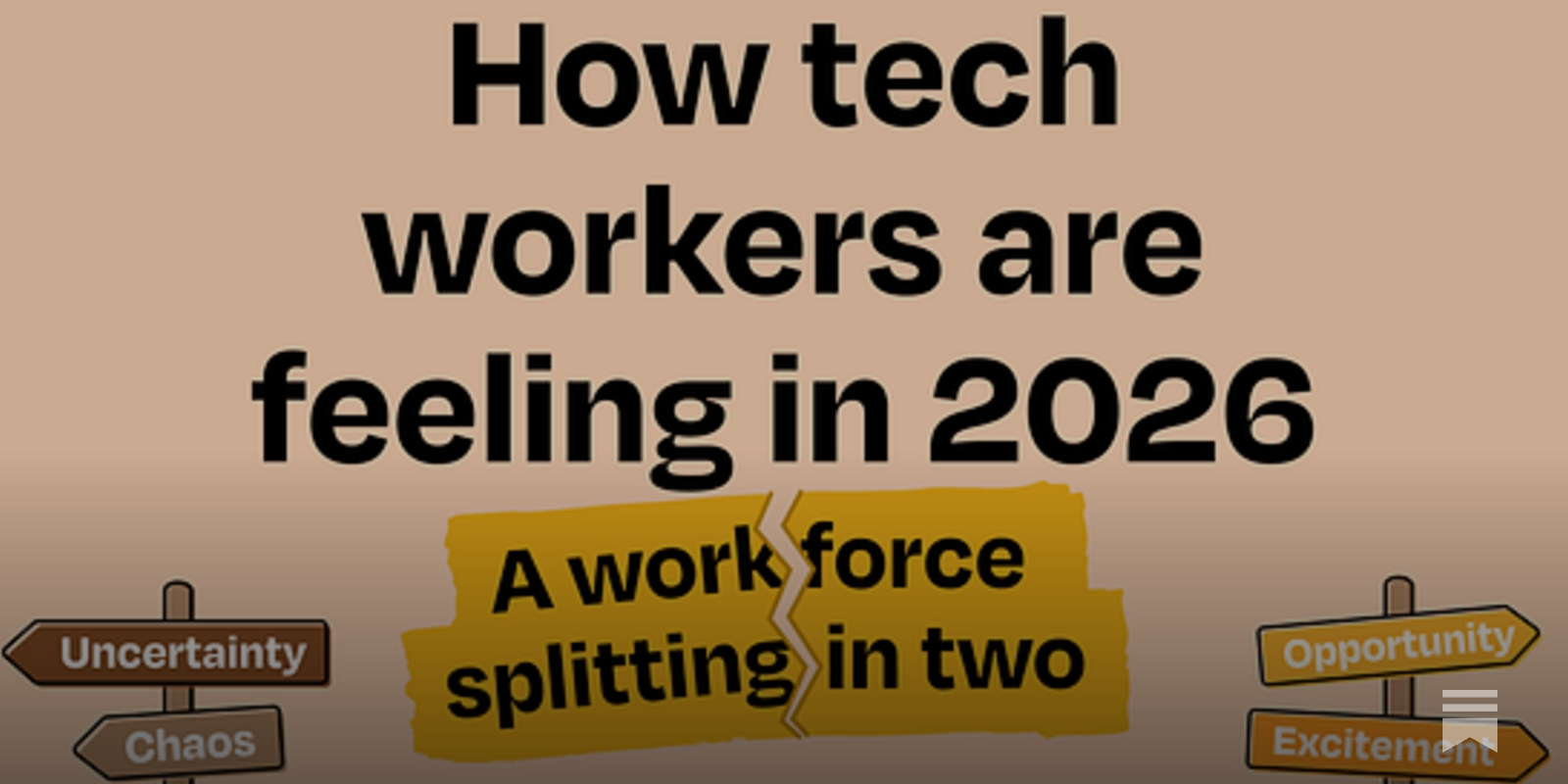
How tech workers are feeling in 2026: a workforce splitting in two
Results from our second annual tech worker sentiment survey
The tools and tricks that let Ars Technica function without a physical office
Looking at the “future of work” with a team that’s been living it for two decades.
2026 Retention Report
The 2026 Retention Report delivers data-driven insights leaders use to reduce employee turnover and improve workforce performance.

Meet the people who use Notion to plan their whole lives
The workplace tool’s appeal extends far beyond organizing work projects. Many users find it’s just as useful for managing their free time.

A World Without Email: Reimagining Work in an Age of Communication Overload
A New York Times and Wall Street Journal bestsellerFrom New York Times bestselling author Cal Newport comes a bold vision for liberating workers from the tyranny of the inbox--and unleashing a new era of productivity.Modern knowledge workers communicate constantly. Their days are defined by a relentless barrage of incoming messages and back-and-forth digital conversations--a state of constant, anxious chatter in which nobody can disconnect, and so nobody has the cognitive bandwidth to perform substantive work. There was a time when tools like email felt cutting edge, but a thorough review of current evidence reveals that the "hyperactive hive mind" workflow they helped create has become a productivity disaster, reducing profitability and perhaps even slowing overall economic growth. Equally worrisome, it makes us miserable. Humans are simply not wired for constant digital communication.We have become so used to an inbox-driven workday that it's hard to imagine alternatives. But they do exist. Drawing on years of investigative reporting, author and computer science professor Cal Newport makes the case that our current approach to work is broken, then lays out a series of principles and concrete instructions for fixing it. In A World without Email, he argues for a workplace in which clear processes--not haphazard messaging--define how tasks are identified, assigned and reviewed. Each person works on fewer things (but does them better), and aggressive investment in support reduces the ever-increasing burden of administrative tasks. Above all else, important communication is streamlined, and inboxes and chat channels are no longer central to how work unfolds.The knowledge sector's evolution beyond the hyperactive hive mind is inevitable. The question is not whether a world without email is coming (it is), but whether you'll be ahead of this trend. If you're a CEO seeking a competitive edge, an entrepreneur convinced your productivity could be higher, or an employee exhausted by your inbox, A World Without Email will convince you that the time has come for bold changes, and will walk you through exactly how to make them happen.
