


The Open Web means several things to different people, depending on context, but recently discussions have focused on the Web's Openness in terms of access to information -- how easy it is to publish and obtain information without barriers there.
The Paradox of Open
Numerous organisations and initiatives have been launched with a belief in openness and free knowledge. Their proponents placed their bets on the combined power of networked information services and new governance models for the production and sharing of content and data. We – as members of this broad movement – were among those who believed it possible to leverage this combination of power and opportunity to build a more democratic society, unleashing the power of the internet to create universal access to knowledge and culture. For us, such openness meant not only freedom, but also presented a path to justice and equality.
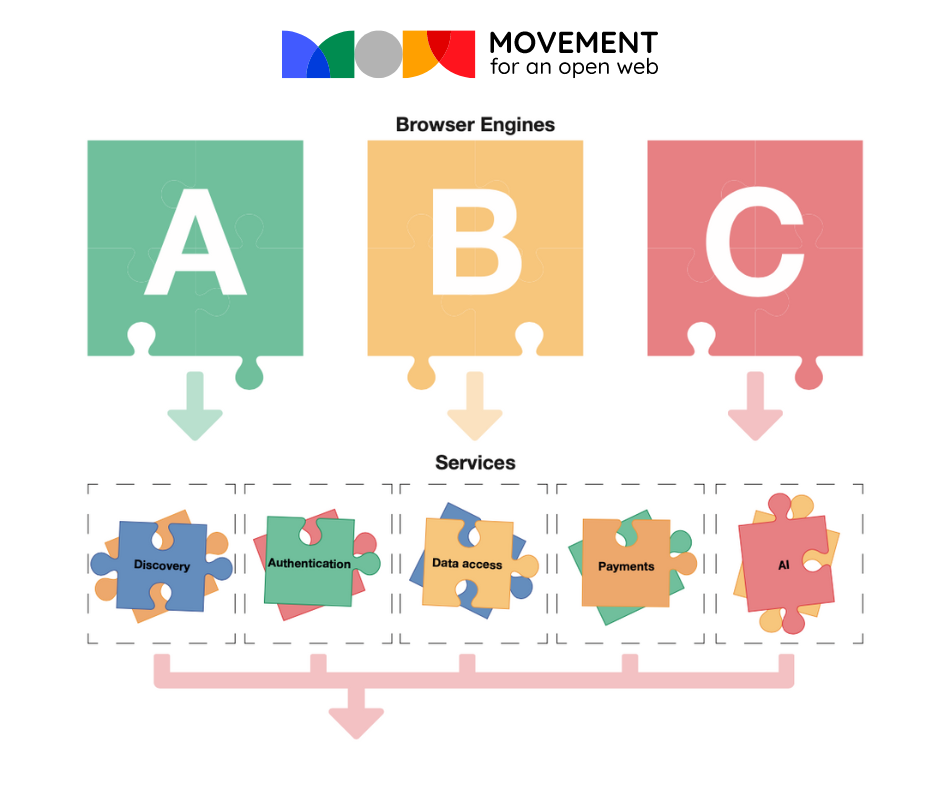
Break up the Browsers. A Proposal to Save the Open Web. - Movement For An Open Web
The Open Web is one of the world’s modern wonders. Based on core, universally recognised technical standards and owned and controlled by no one body, it is a unique structureRead More
Explainer: what is the open movement?
You’ll have read on this site, and perhaps others, about the push towards “open access” for journal articles. But what is open access, and how does it fit into the wider “open movement”? The topic has…

The Atmosphere . Building the open social web
What is open communication?
Open source collaboration requires open communication, they say. Just what is open communication, exactly? Drawing on past research [1], here are the four principles that make communication open. O…
Long Live the Web: A Call for Continued Open Standards and Neutrality
The Web is critical not merely to the digital revolution but to our continued prosperity—and even our liberty. Like democracy itself, it needs defending

Winning back the Open Web
Walled gardens dominate because their massive data collection lets them deliver superior user experiences. To win back the open web, we need to build alternatives that respect users, embrace open standards, and still feel unmistakably better to use.
The Internet Isn’t Facebook: How Openness Changes Everything
Openness makes the Internet harder to govern — but also makes it resilient, innovative, and difficult to capture. Let's look at how the openness of the Internet both defines it and ensures its success.

FediForum | Growing the Open Social Web:<br>An Online Un-Workshop
Since the Twitter takeover by Elon Musk over three years ago, the Open Social Web has been adopted by an enthusiastic community. People world-wide are building and using open social platforms and open social protocols to better interact with others online.

Rethink: Web - Open Space
When we struggle to explain the inherent qualities of a medium, we tend to defer to analogies and metaphors. This is especially true of the internet. Clouds, highways, streams, and real estate are just a few examples of the concepts employed to represent this intangible invention. Staring into a screen, it’s easy to imagine an […]

Open Source Explained — Open Indie
Musings on the concept of ‘open source’, in the broadest possible definition of the term. Also an invitation to become a participant in ...
The Internet is a Series of Webs
The fate of the open web is inextricable from the other ways our world is in crisis. What can we do about it?

EFFecting Change: How to Build a Decentralized Web That Truly Works for All
How the Open Knowledge Format can improve data sharing | Google Cloud Blog
Learn how the Open Knowledge Format helps secure data sharing and improves collaboration across teams with standardized documentation.
Check more about the concept on Open Social Media (and back to Open Web), and how it might be the future (hopefully) of the web.

Open Social Media (and back to Open Web)
www.ssp.shI've been thinking about the beauty of open data and how the AT Protocol and wider Atmosphere ecosystem has been recapturing that open data environment that once defined the web. It really does feel special. vale.rocks/posts/atproto-ethos #atproto #ATProtocol

The AT Protocol Harkens An Old Web Ethos
vale.rocks
