


Openness makes the Internet harder to govern — but also makes it resilient, innovative, and difficult to capture. Let's look at how the openness of the Internet both defines it and ensures its success.
Note from Mark Zuckerberg
Everything we do at Facebook is focused on our mission to make the world more open and connected.
Criticism of Facebook
Facebook (and parent company Meta Platforms) has been the subject of criticism and legal action since it was founded in 2004.[1] Criticisms include the outsize influence Facebook has on the lives and health of its users and employees, as well as Facebook's influence on the way media, specifically news, is reported and distributed. Notable issues include Internet privacy, such as use of a widespread "like" button on third-party websites tracking users,[2][3] possible indefinite records of user information,[4] automatic facial recognition software,[5][6] and its role in the workplace, including employer-employee account disclosure.[7] The use of Facebook can have negative psychological and physiological effects[8] that include feelings of sexual jealousy,[9][10] stress,[11][12] lack of attention,[13] and social media addiction that in some cases is comparable to drug addiction.[14][15]
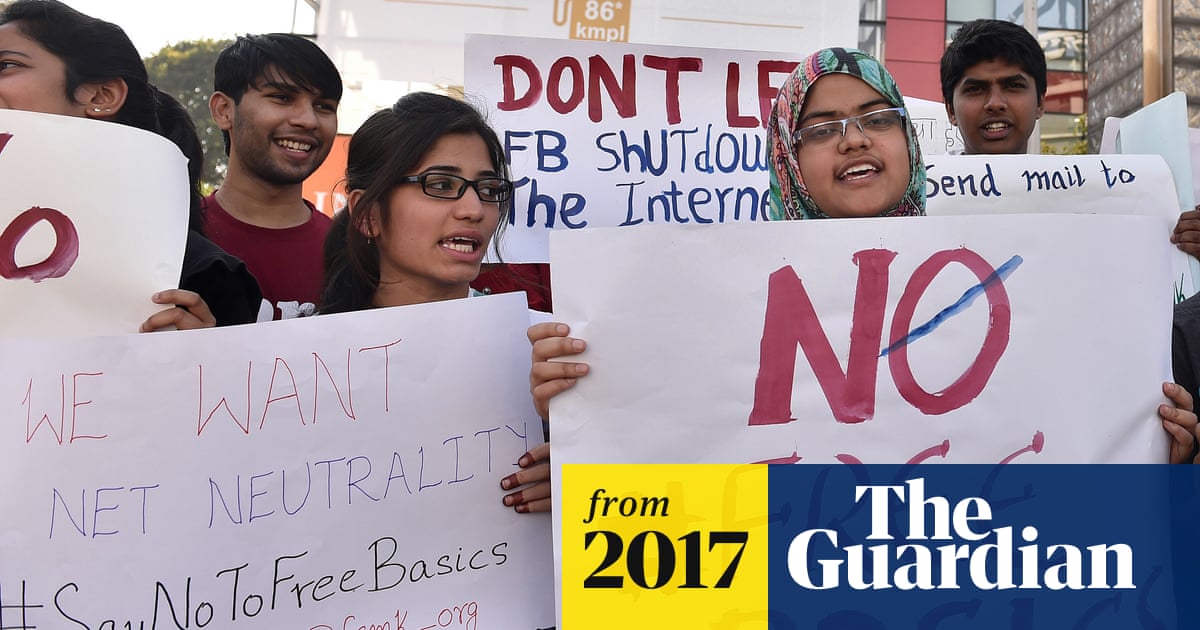
'It's digital colonialism': how Facebook's free internet service has failed its users
Free Basics, built for developing markets, focuses on ‘western corporate content’ and violates net neutrality principles, researchers say
How to Fix Facebook—Before It Fixes Us
An early investor explains why the social media platform’s business model is such a threat—and what to do about it.

Facebook Wrestles With the Features It Used to Define Social Networking (Published 2021)
Likes and shares made the social media site what it is. Now, company documents show, it’s struggling to deal with their effects.

Bluesky & Open Social Media Tech
W Social is TruthSocial with a European accent. - We Can Just Do Things
Different politics, identical structure: wealthy insiders, community infrastructure they didn't build, and openness performed just long enough to matter. The establishment always wants its own internet.
The Paradox of Open
Numerous organisations and initiatives have been launched with a belief in openness and free knowledge. Their proponents placed their bets on the combined power of networked information services and new governance models for the production and sharing of content and data. We – as members of this broad movement – were among those who believed it possible to leverage this combination of power and opportunity to build a more democratic society, unleashing the power of the internet to create universal access to knowledge and culture. For us, such openness meant not only freedom, but also presented a path to justice and equality.
Internet for the People: The Fight for Our Digital Future
"For all the informational convenience the internet offers, it is deeply flawed. How can it be improved? Writer Ben Tarnoff proposes one possibility in this intriguing book, which urges the development of 'a public lane on the information superhighway.' It's worth checking out for yourself." – Seth MacFarlane Why is the internet so broken, and what could ever possibly fix it? In Internet for the People, leading tech writer Ben Tarnoff offers an answer. The internet is broken, he argues, because it is owned by private firms and run for profit. Google annihilates your privacy and Facebook amplifies right-wing propaganda because it is profitable to do so. But the internet wasn't always like this—it had to be remade for the purposes of profit maximization, through a years-long process of privatization that turned a small research network into a powerhouse of global capitalism. Tarnoff tells the story of the privatization that made the modern internet, and which set in motion the crises that consume it today. The solution to those crises is straightforward: deprivatize the internet. Deprivatization aims at creating an internet where people, and not profit, rule. It calls for shrinking the space of the market and diminishing the power of the profit motive. It calls for abolishing the walled gardens of Google, Facebook, and the other giants that dominate our digital lives and developing publicly and cooperatively owned alternatives that encode real democratic control. To build a better internet, we need to change how it is owned and organized. Not with an eye towards making markets work better, but towards making them less dominant. Not in order to create a more competitive or more rule-bound version of privatization, but to overturn it. Otherwise, a small number of executives and investors will continue to make choices on everyone’s behalf, and these choices will remain tightly bound by the demands of the market. It's time to demand an internet by, and for, the people now.
Internet for the People: The Fight for Our Digital Future
"For all the informational convenience the internet offers, it is deeply flawed. How can it be improved? Writer Ben Tarnoff proposes one possibility in this intriguing book, which urges the development of 'a public lane on the information superhighway.' It's worth checking out for yourself." – Seth MacFarlane Why is the internet so broken, and what could ever possibly fix it? In Internet for the People, leading tech writer Ben Tarnoff offers an answer. The internet is broken, he argues, because it is owned by private firms and run for profit. Google annihilates your privacy and Facebook amplifies right-wing propaganda because it is profitable to do so. But the internet wasn't always like this—it had to be remade for the purposes of profit maximization, through a years-long process of privatization that turned a small research network into a powerhouse of global capitalism. Tarnoff tells the story of the privatization that made the modern internet, and which set in motion the crises that consume it today. The solution to those crises is straightforward: deprivatize the internet. Deprivatization aims at creating an internet where people, and not profit, rule. It calls for shrinking the space of the market and diminishing the power of the profit motive. It calls for abolishing the walled gardens of Google, Facebook, and the other giants that dominate our digital lives and developing publicly and cooperatively owned alternatives that encode real democratic control. To build a better internet, we need to change how it is owned and organized. Not with an eye towards making markets work better, but towards making them less dominant. Not in order to create a more competitive or more rule-bound version of privatization, but to overturn it. Otherwise, a small number of executives and investors will continue to make choices on everyone’s behalf, and these choices will remain tightly bound by the demands of the market. It's time to demand an internet by, and for, the people now.
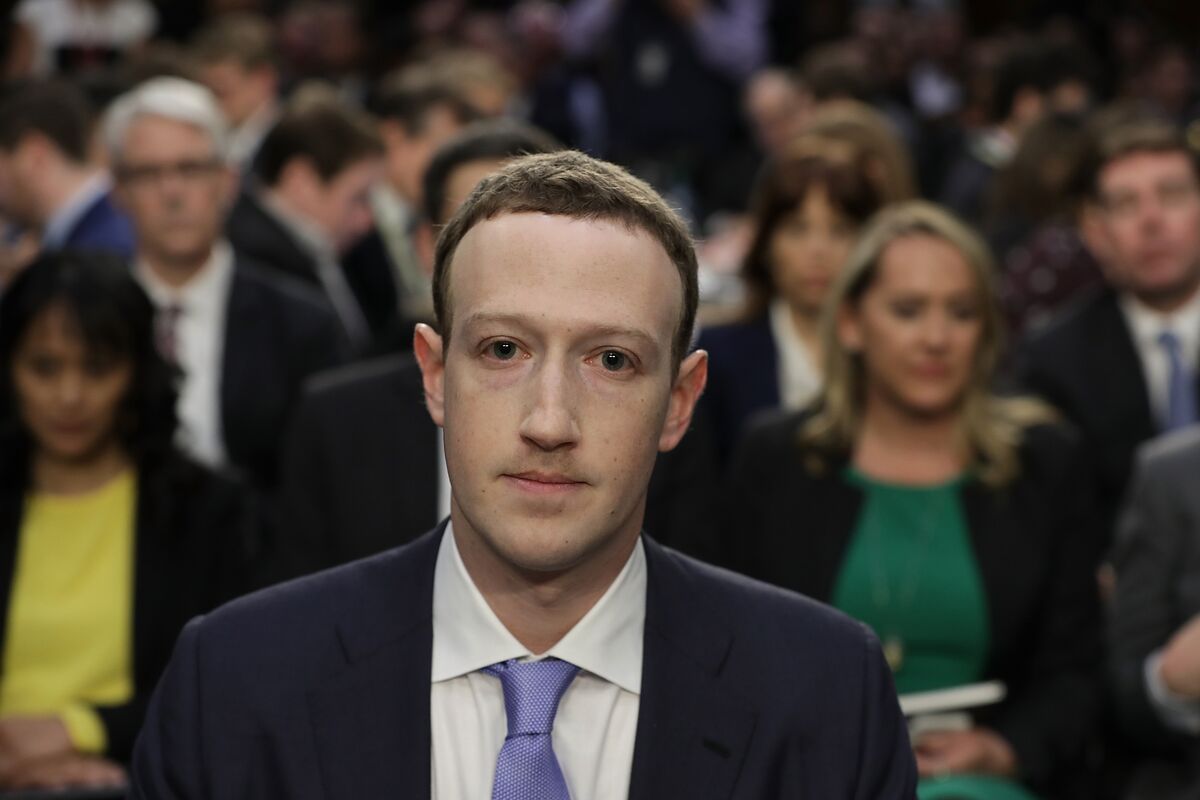
Zuckerberg Op-Ed: New Rules Would Hurt Everyone But Facebook
The social network has the right to air its views on tech regulation — but the public would be wise to ask questions.
Reddit holds the secret to fixing Facebook
News discussion site Reddit offers a model for a fairer internet - if it can overcome its flaws.
Some Thoughts on the Open Web
The Open Web means several things to different people, depending on context, but recently discussions have focused on the Web's Openness in terms of access to information -- how easy it is to publish and obtain information without barriers there.

The Facebook Method of Dealing With Complexity
Computers used to be weak, so we had to make their world simple. Now they can handle endless complexity, but we need to learn how to make the world simple

Once Again, Facebook Is Using Privacy As A Sword To Kill Independent
Facebook claims that their role as guardian of users’ privacy gives them the power to shut down apps that give users more control over their own social media experience. Facebook is wrong. The latest

Another reason why it’s so important that we have open protocols for social media.

Kai Kupferschmidt
One of the issues that has come up again and again in my reporting on misinformation and social media is the massive influence social media companies have on research in the field. Last night a preprint dropped that tries to get at this with some numbers. My piece in @science.org (and 🧪🧵 coming):
