We are a not-for-profit entity created to safeguard the rich history and design diversity of mobile devices which have been launched over the last four decades.
Catalogue
We are a not-for-profit entity created to safeguard the rich history and design diversity of mobile devices which have been launched over the last four decades.
Fairphone
Nearly three years ago, we started a crowdfunding campaign to finance the creation of our first-ever phone. We had a

Decentralizing My Smartphone With Single Purpose Devices
Lately, I’ve become nostalgic for the days before smartphones, when the internet was a place we went to deliberately, and not a place that lived on all of ou...

Google's Project Ara: Reinventing the smartphone with building blocks
The digital exiles: Why people are abandoning their smartphones - Coda Story
A growing movement of “former screenagers” is calling for a screen-free, surveillance-free life, for a chance to build a future beyond tech capture
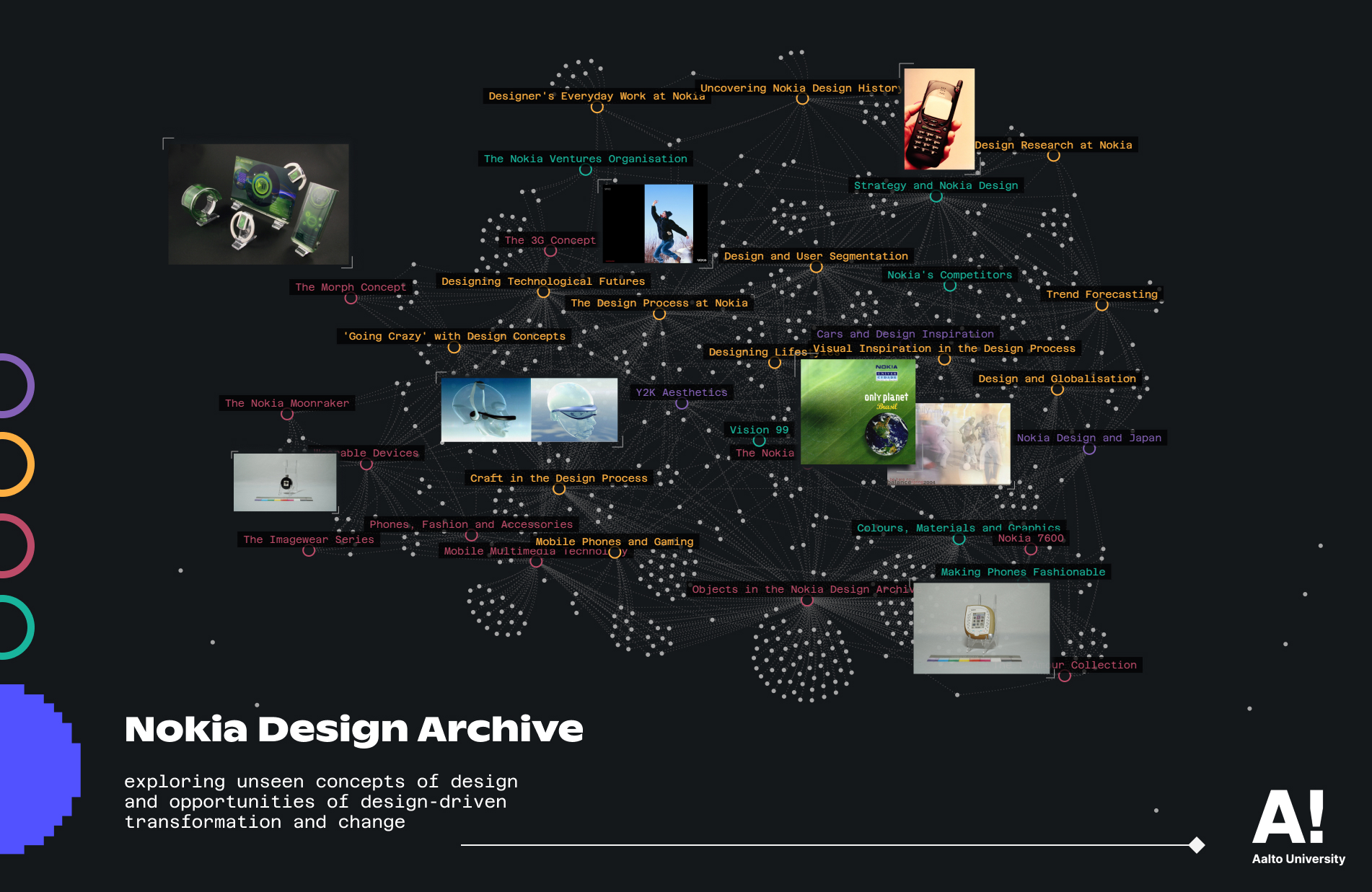
Nokia Design Archive
Exploring unseen concepts of design and opportunities of design-driven transformation and change
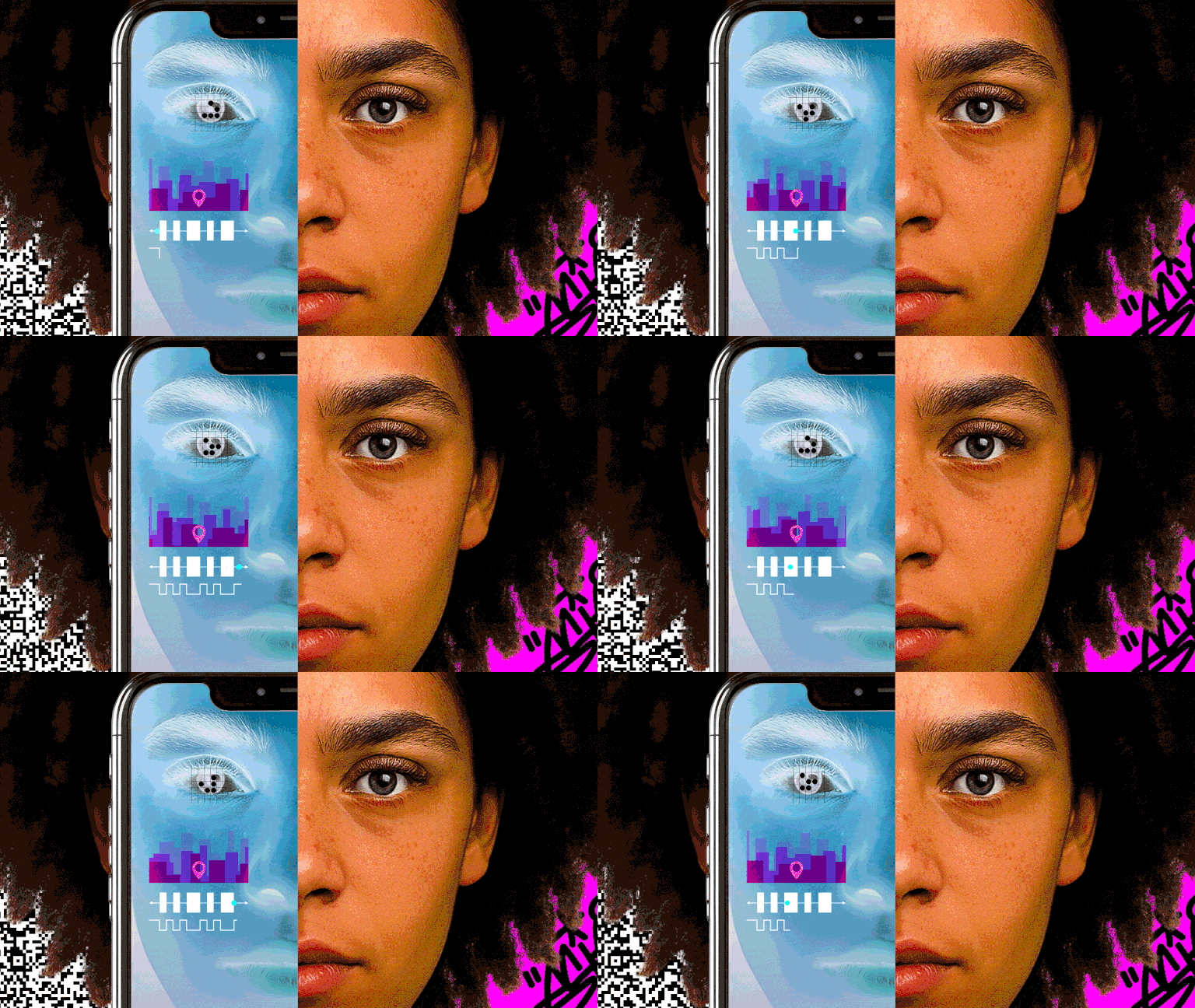
Pluralistic: Installing Android phones in Blackberry chassis (23 Jul 2025) – Pluralistic: Daily links from Cory Doctorow
As much as I admire the techlash, I have some serious reservations. I worry that there's some pretty useful tech babies that we are at risk of throwing away with the bathwater.
Fairphone Shop | Fairphone
Long-lasting smartphones and accessories that benefit the planet
Berlin Biennale | All Problems Can Be Illuminated; Not All Problems Can Be Solved
We can all tell this story: The rails of human advancement stretching from the Enlightenment to a Bitcoin start-up; innovation measured by increased reach, increased uniformity, increased predictability and size and quickness. The telegraph to the landline to the mobile phone to the Bluetooth wearable; the abacus to Pascal’s mechanical calculator to the room-sized computer to the palm-sized device a million times more powerful than equipment a thousand times its size from only ten years ago; the stone tablet to the book to the internet offering everything, no excuses. We are all connected. We’re at the bright tip of a comet hurtling forward. We can place ourselves, with mild satisfaction. Thank god it’s not then. What kind of person uses a BlackBerry? (Old people!)

Smartphones and Cognition: A Review of Research Exploring the Links between Mobile Technology Habits and Cognitive Functioning
While smartphones and related mobile technologies are recognized as flexible and powerful tools that, when used prudently, can augment human cognition, there is also a growing perception that habitual involvement with these devices may have a negative and lasting impact on users’ ability to think, remember, pay attention, and regulate emotion. The present review considers an intensifying, though still limited, area of research exploring the potential cognitive impacts of smartphone-related habits, and seeks to determine in which domains of functioning there is accruing evidence of a significant relationship between smartphone technology and cognitive performance, and in which domains the scientific literature is not yet mature enough to endorse any firm conclusions. We focus our review primarily on three facets of cognition that are clearly implicated in public discourse regarding the impacts of mobile technology – attention, memory, and delay of gratification – and then consider evidence regarding the broader relationships between smartphone habits and everyday cognitive functioning. Along the way, we highlight compelling findings, discuss limitations with respect to empirical methodology and interpretation, and offer suggestions for how the field might progress toward a more coherent and robust area of scientific inquiry.

The Second Smartphone Revolution - AVC
Benedict Evans tweeted out this chart yesterday: We sometimes think of the shift to mobile as finished, or almost finished. It isn’t. pic.twitter.com/l5gaiMlaoU — Benedict Evans (@BenedictEvans) March 12, 2016 The first 2.5bn smartphones brought us Instagram, Snapchat, Uber, Whatsapp, Kik, Venmo, Duolingo, and most importantly, drove the big web apps to build world class […]
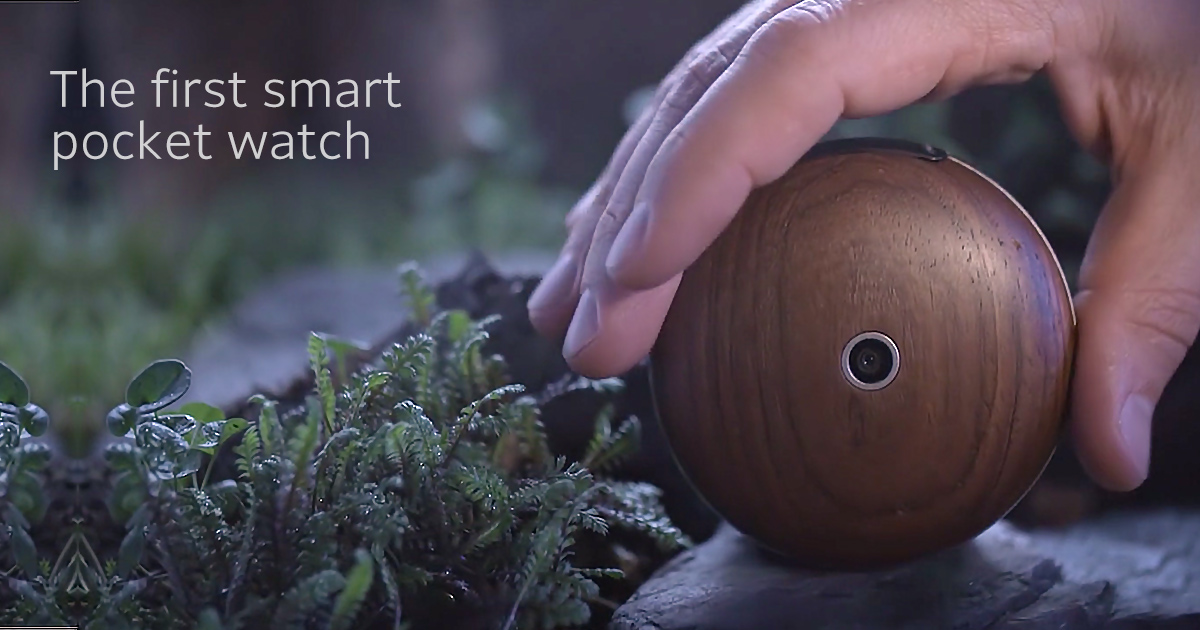
Runcible - Circular Open Source Anti-Smartphone by Aubrey Anderson - Indiegogo
The heirloom, smart pocket device made of sustainably sourced hardwood and upgradable electronics.
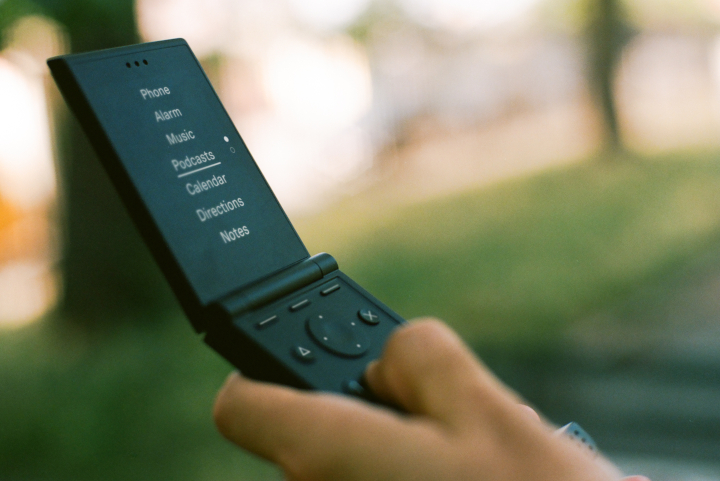
The Light Phone
Light is a radically different technology company. We design beautiful tools that respect and empower our users and our first product is The Light Phone.

The Light Phone
Light is a radically different technology company. We design beautiful tools that respect and empower our users and our first product is The Light Phone.