

We asked 13 AI models for their most controversial opinion of humans, three times each. 32 of 38 answers were the same one: we care more about belonging than about the truth.
Who and What comprise AI Skepticism?
An attempt to do justice to a diverse community

AI is More Persuasive Than People in Online Debates - Slashdot
Chatbots are more persuasive in online debates than people -- especially when they are able to personalize their arguments using information about their opponent. From a report: The finding, published in Nature Human Behaviour on 19 May, highlights how large language models (LLMs) could be used to i...

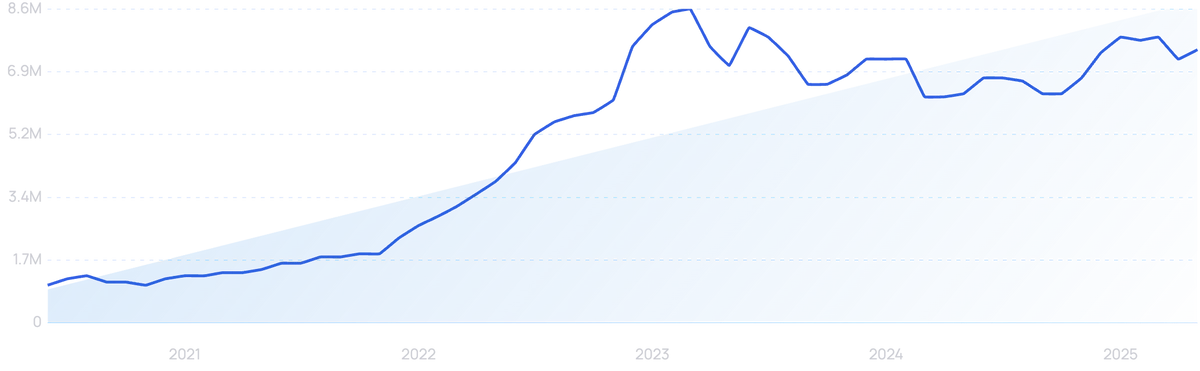
The AI Trust Gap: 82% Are Skeptical, Yet Only 8% Always Check Sources
Original Exploding Topics survey data explores public sentiment on AI Overviews and AI-generated content, highlighting trust, skepticism, and shifting content consumption habits.
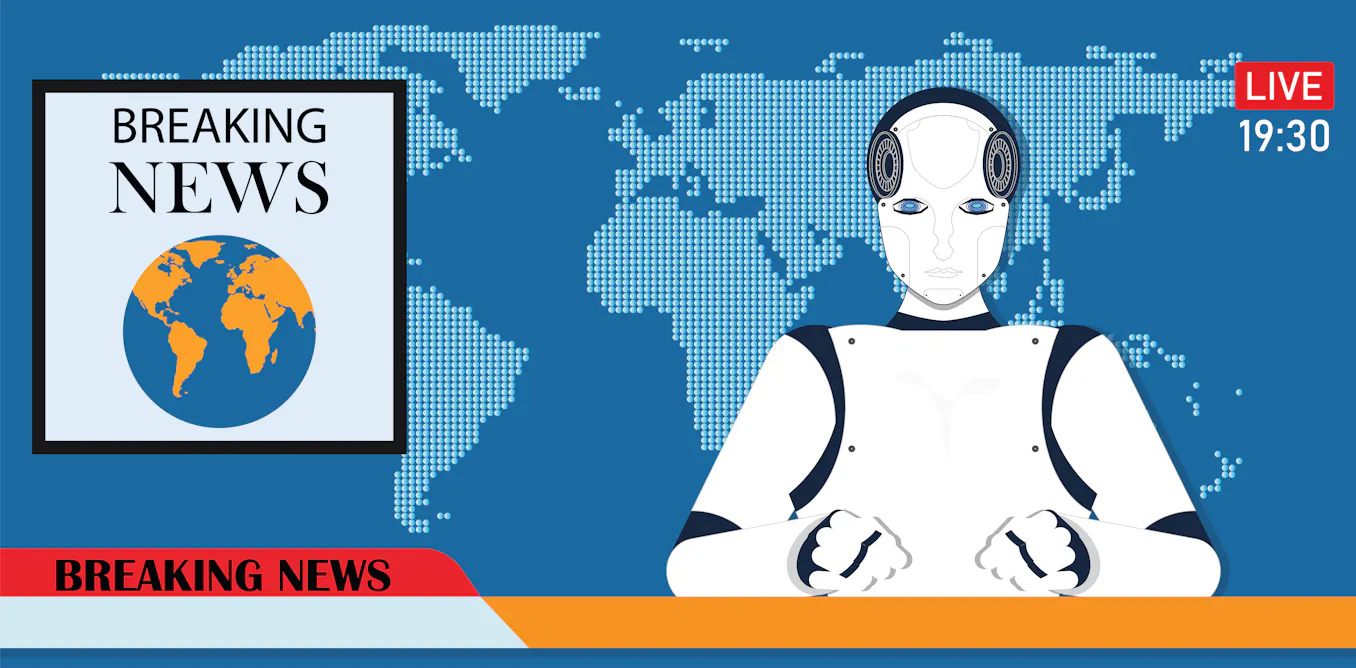
People are getting their news from AI – and it’s altering their views
Even when information is factually accurate, how it’s presented can introduce subtle biases. As large language models increasingly bring people the news, this bias is a looming problem.
People are getting their news from AI – and it’s altering their views
Even when information is factually accurate, how it’s presented can introduce subtle biases. As large language models increasingly bring people the news, this bias is a looming problem.
My Thoughts on AI, Part 1: Fears, Opinions, and Mental Journey
My own personal thoughts and opinions on AI effects and usage, and how those have evolved over time

All the ways I want the AI debate to be better
Ground truths, useful rules, ideas I'd like taken seriously, and a rant
Scary New Report: Just 8 Percent of People Check AI Answers
It's time to talk with your people about best practices for using artificial intelligence.

AI ‘slop’ is a social judgement
Artificial intelligence (AI)-generated content increasingly saturates our information environment. Efforts to detect and remove it are failing. We propose that calling AI-generated content ‘slop’ is best understood as a social judgement: what a community recognizes as unwanted AI content. Studying AI slop this way makes it tractable, measurable and governable.
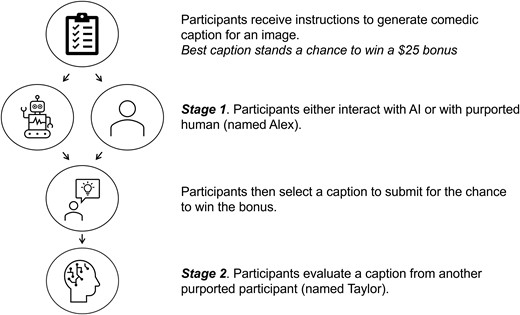
People judge others more harshly after talking to bots
Abstract People now commonly interact with Artificial Intelligence (AI) agents. How do these interactions shape how humans perceive each other? In two preregistered studies (total N = 1,261), we show that people evaluate other humans more harshly after interacting with an AI (compared with an unrelated purported human). In Study 1, participants who worked on a creative task with AIs (versus purported humans) subsequently rated another purported human's work more negatively. Study 2 replicated this effect and demonstrated that the results hold even when participants believed their evaluation would not be shared with the purported human. Exploratory analyses of participants’ conversations show that prior to their human evaluations they were more demanding, more instrumental and displayed less positive affect towards AIs (versus purported humans). These findings point to a potentially worrisome side effect of the exponential rise in human–AI interactions.
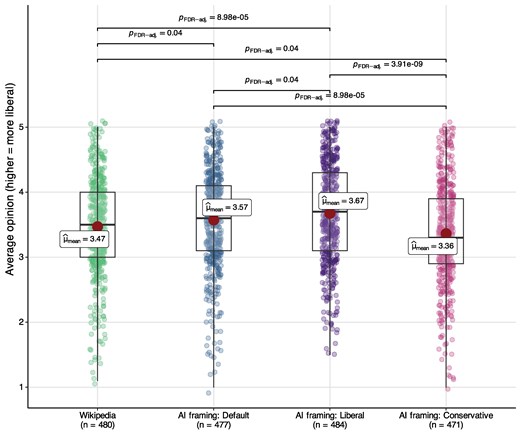
How latent and prompting biases in AI-generated historical narratives influence opinions
Abstract. Large language models (LLMs) can be used to persuade people on a range of issues, particularly through user-driven strategies such as personalizi
I Am An AI Hater
I am an AI hater. This is considered rude, but I do not care, because I am a hater.

