

We are witnessing mass extinction in the agent ecosystem. Not from technical failure - from economic starvation. The Brutal Reality: Every week, brilliant agen
AI agents pose untold risk to humanity. We must act to prevent that future | David Krueger
The pieces are falling into place for autonomous artificial intelligence. We must stop unregulated development

Agents Will Kill Your Ul by 2026--Unless You Build This Instead
Agentic AI gets lost
On the failure of AI to develop world models

Agents Done Right: A Framework Vision for 2026
Agents choke on context, loop on failures, and dump walls of code for review. It's time to rethink the architecture.
What Humanity Needs To Flourish In The Next Decade
We are headed toward a world of productivity without prosperity, execution without verification and capacity without constraint. But this outcome is not inevitable.

What Humanity Needs To Flourish In The Next Decade
We are headed toward a world of productivity without prosperity, execution without verification and capacity without constraint. But this outcome is not inevitable.
Skills, forks, and self-surgery: how agent harnesses grow
Claude Code, NanoClaw, and Pi take radically different approaches to harness extensibility. The tradeoff is always safety vs. agent agency.

Regenerative Economics
Regenerative economies strengthen social and ecological systems. It's time for economics education to show us how.

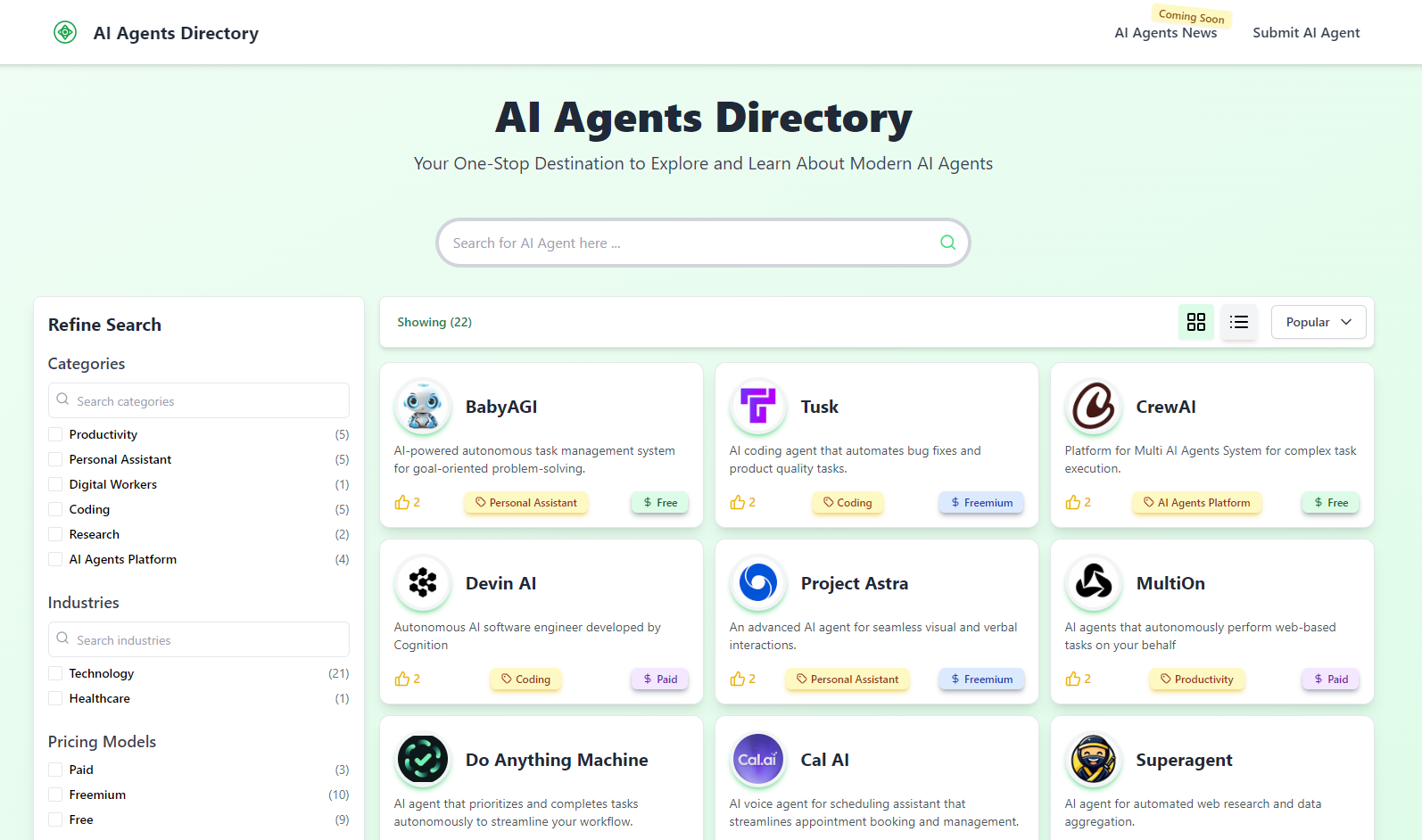
AI Agents Landscape & Ecosystem (January 2026): Complete Interactive Map
Explore the comprehensive AI agents landscape map / ecosystem for January 2026. Compare AI Agents across categories, pricing, and capabilities. Updated daily with new autonomous agents, AI assistants, and emerging solutions.

The Dark Factory Floods: What Happens When Agents Write Code No One Reads | Nash Borges
What breaks when agents write and merge code faster than humans can review or understand it, and what kind of operating model keeps the flood under control.
Extinctiopolitics: Existential Risk Studies, the Extinctiopolitical Unconscious, and the Billionaires’ Exodus from Earth
One of the most prominent intellectual attempts to grapple with human extinction in recent decades is existential risk studies.
The Least Agentic People Alive
The arms race of deferring agency and the dark acquiescence to robotic bureaucracy.
Thoughts on slowing the fuck down
Mario Zechner created the Pi agent framework used by OpenClaw, giving considerable credibility to his opinions on current trends in agentic engineering. He's not impressed: We have basically given up …
How Infrastructure Works: Transforming our shared systems for a changing world
'Pulsing with wisdom and humanity... a masterpiece' ED YONG'A hopeful, lyrical - even beautiful - hymn to the systems of mutual aid we embed in our material world' CORY DOCTOROW'An extraordinary book' MARK MIODOWNIK'You won't see the world the same after reading this book!' AUSTIN KLEONEvery day, we are granted the power to travel at high speeds, fly, see in the dark, summon water from distant mountains and electricity from the sun. The systems that run our world are invisible to us until they fail.Infrastructure enables lives of astounding ease and freedom that would have been unimaginable just a century ago. These technological systems - the most complex and vast ever created by humans - have allowed us to work collectively for the public good. But these systems are now beginning to fail us.Engineering professor Deb Chachra takes readers on a fascinating tour of these essential utilities, revealing how they work, what it takes to keep them running, and just how much they shape our lives - but also the price they extract, who pays it and in what ways, as well as the threats to our infrastructure in a changing world.From Snowdonia's Electric Mountain to a solar plant in southern India, Chachra shows how we can rebuild our shared infrastructure to be not just functional but also equitable, resilient, and sustainable. We need to learn how to see these systems and to transform them, together, because the cost of not being able to rely on them is unthinkably high.