Mass media influences how facts are viewed and debated in a society, contributing to crafting its public opinion. Independence and pluralism...
Who Owns the Media
Who owns the 35 most powerful media companies in America? The Media Capitulation Index shows how these conglomerates came to dominate the U.S. media landscape. Using a chicken scale, Free Press rates their ability to defend democracy during a time of authoritarianism.
Manufacturing Consent: The Political Economy of the Mass Media
A bold and eye-opening exposé on how power and propaganda distort the news, now more relevant than ever • With an updated introduction“[A] compelling indictment of the news media’s role in covering up errors and deceptions in American foreign policy.”—The New York Times Book Review Renowned scholars Edward S. Herman and Noam Chomsky reveal how U.S. news media, far from being independent watchdogs, often function as tools of elite influence. With probing analysis, they present their Propaganda Model, a framework that explains how systemic bias shapes the stories we’re told, the voices we hear, and the truths that remain hidden.Through deeply researched case studies, from the Vietnam War to coverage of “worthy” vs. “unworthy” victims, Manufacturing Consent exposes the structural forces that drive news organizations to reinforce power rather than question it. It’s a sobering portrait of a media system more interested in maintaining order than informing the public.This edition includes an introduction updating key examples and expanding the Propaganda Model’s relevance to issues like the coverage of NAFTA, the media’s treatment of global protests, and environmental regulation.Manufacturing Consent is a powerful assessment of how propagandistic the U.S. mass media are, how they systematically fail to live up to their self-image as providers of the kind of information that people need to make sense of the world, and how we can understand their function in a radically new way.Whether you’re a student, activist, or citizen looking to see beyond the headlines, this book will transform how you understand the media—and the world around you.

Why Don’t We Learn from Social Media? Studying Effects of and Mechanisms behind Social Media News Use on General Surveillance Political Knowledge
Does exposure to news affect what people know about politics? This old question attracted new scholarly interest as the political information environment is changing rapidly. In particular, since c...

Media Bias/Fact Check News
We are the most comprehensive media bias resource on the internet. There are currently 3900+ media sources listed in our database and growing every day.
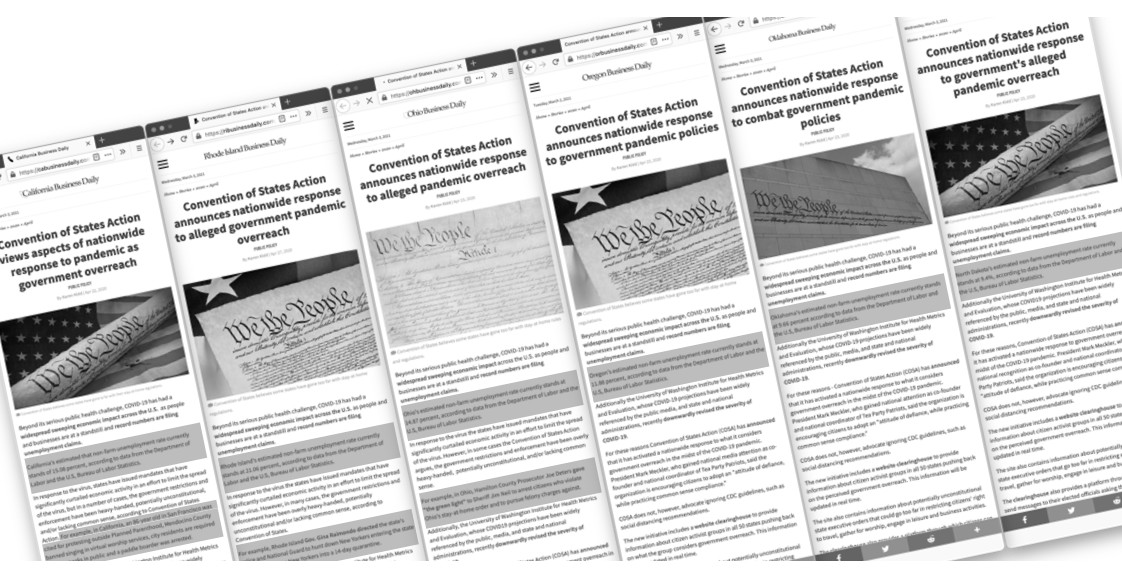
Advocacy groups and Metric Media collaborate on local ‘community news’
<p>This is the second part of a two-part investigation. The first piece can be found here. Metric Media launched “Community Newsmaker” in 2020 using the language of citizen journalism. However, what appeared to be grassroots news is part of a sprawling network that promotes political agendas and corporate interests, without disclosing those ties to the […]</p>
people and governance
researching power and contestation in transnational media infrastructures
Language Models Trained on State Media Sources Launder Propaganda
Tech Policy Press is a nonprofit media and community venture intended to provoke new ideas, debate and discussion at the intersection of technology and democracy. We publish opinion and analysis.

How Does Media Influence Social Norms? Experimental Evidence on the Role of Common Knowledge
How does media influence beliefs, attitudes, and behaviors? While many scholars have studied the effect of media on social and political outcomes, we know surprisingly little about the channels through which this effect operates. I argue that two mechanisms can account for its impact. Media provides new information that persuades individuals to accept it (individual channel), but also, media informs listeners about what others learn, thus facilitating coordination (social channel). Combining a field experiment with a plausibly natural experiment in Mexico, I disentangle these effects analyzing norms surrounding violence against women. I examine the effect of a radio program when it is transmitted privately versus when it is transmitted publicly. I find no evidence supporting the individual mechanism. The social channel, however, increased rejection of violence against women and increased support for gender equality, but unexpectedly increased pessimism about whether violence would decline in the future.
Directing the Herd
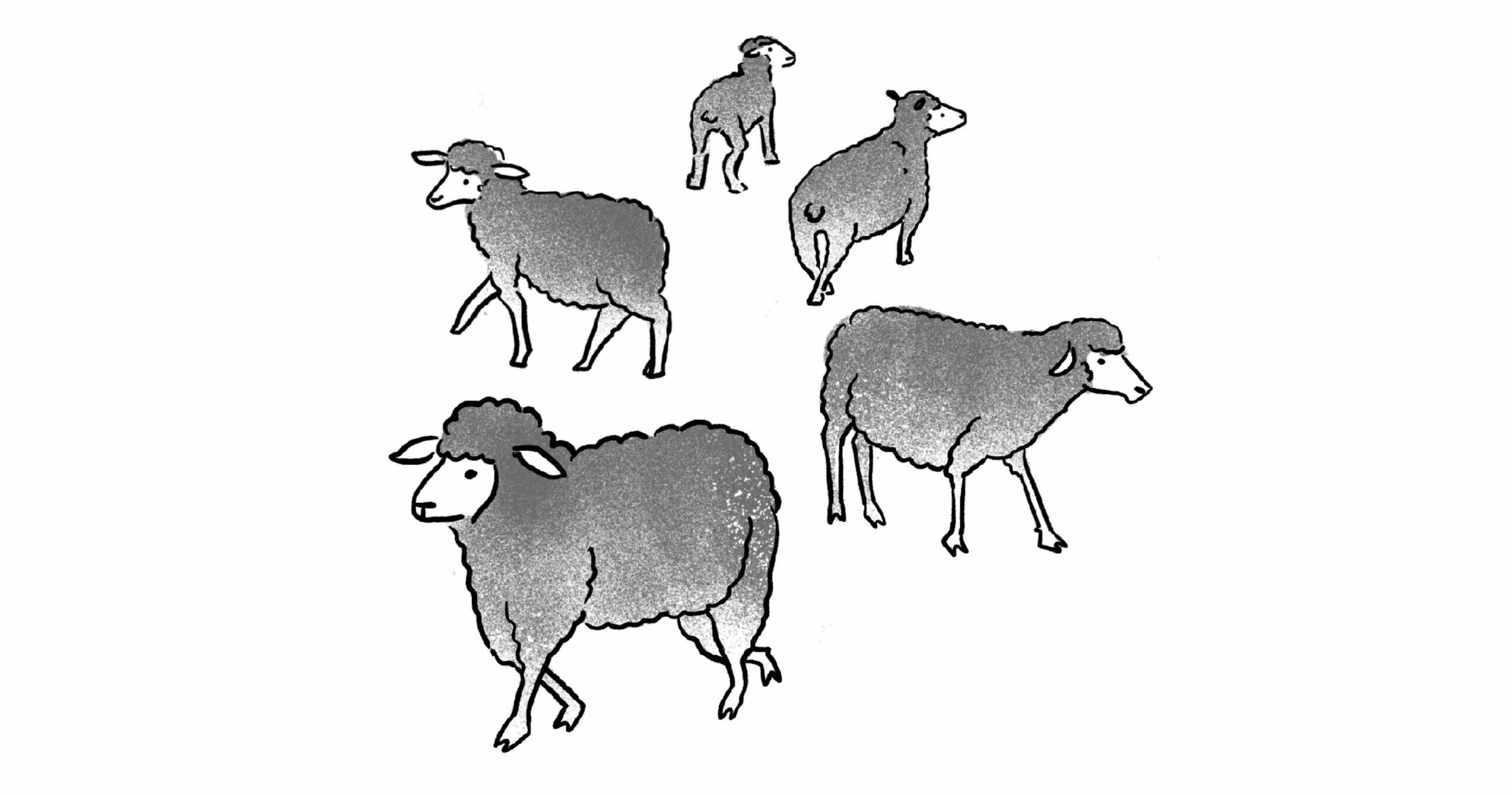
Social media platforms don’t produce a common public; they produce competing sub-publics, each with its own sense of what everyone knows.
The Myth of Allied Technological Inferiority
World War II, The Free Press, and the Problematic Use of History in Contemporary Media

Media and Social Capital
We survey the empirical literature in economics on the impact of media technologies on social capital. Guided by a simple model of information and collective action, we cover a range of different outcomes related to social capital—from social and political participation to interpersonal trust—in its benign and destructive manifestations. The impact of media technologies hinges on their content (information versus entertainment), their effectiveness in fostering coordination, and the networks they create as well as on individual characteristics and media consumption choices.

Media and Social Capital
We survey the empirical literature in economics on the impact of media technologies on social capital. Guided by a simple model of information and collective action, we cover a range of different outcomes related to social capital—from social and political participation to interpersonal trust—in its benign and destructive manifestations. The impact of media technologies hinges on their content (information versus entertainment), their effectiveness in fostering coordination, and the networks they create as well as on individual characteristics and media consumption choices.
Does news help us become knowledgeable or think we are knowledgeable? Examining a linkage of traditional and social media use with political knowledge
This study examines traditional and social media news use in relation to political knowledge from the perspective of the Dunning-Kruger effect. Data from a two-wave panel survey show that social me...
The limits of social media as a source of political information during routine and crisis times across 17 countries
Recent studies on political knowledge suggest people learn little about political events and societal issues from social media. Potentially, social media are a more effective source of information ...
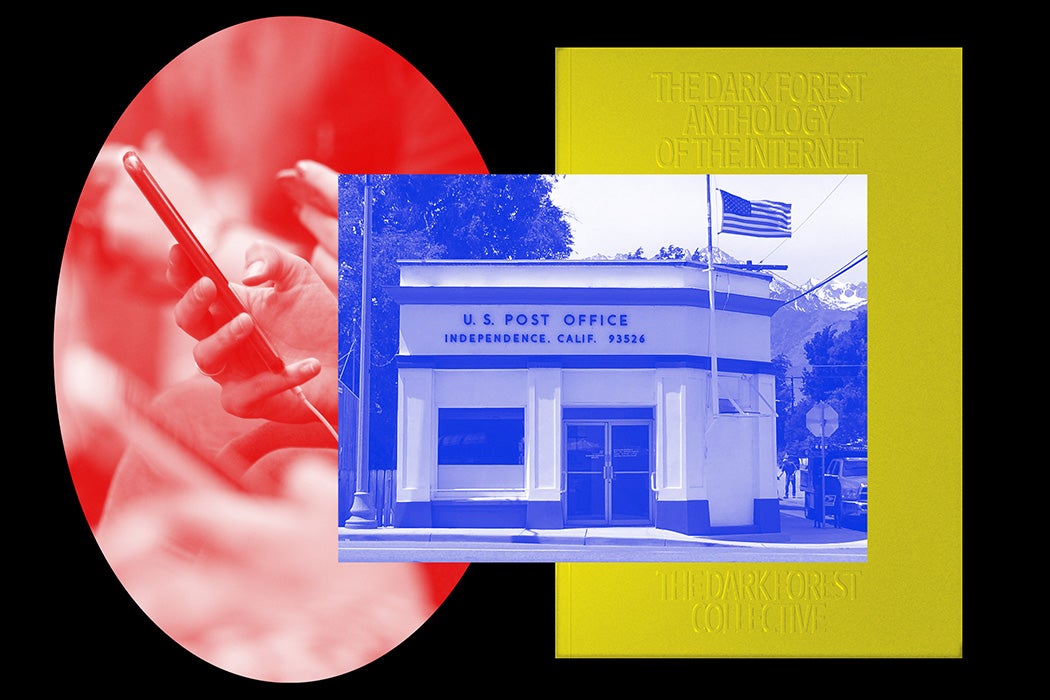
The Case for a Public Social Media Platform - JSTOR Daily
Artist and writer Joshua Citarella explores why corporate platforms corrode democracy—and what a postal-service-style digital commons could do differently.