In part 1 of this series, we found that users generally view the most popular collaborative text editing algorithms (including the most popular library, Yjs) as silently corrupting their documents when the algorithms resolve direct editing conflicts. We argued that, while this is potentially ok for live collaborative editing (since presence cursors help users to avoid direct editing conflicts), this property makes them generally wholly inappropriate for the offline case, as users will have no ability to avoid such conflicts.
Synchronized editing: the future of collaborative writing
A growing suite of tools allows teams of researchers to work collectively to edit scientific documents.

Teleportal - Real-time collaborative editing framework for Y.js
Teleportal is a real-time collaborative editing framework built on Y.js. It supports any storage, JS runtime, and transport.
FOSDEM 2026 - Teamtype: multiplayer mode for your text editor – towards a Collaborative Editing Protocol
Files on your hard drive are the ultimate local-first storage. But to allow real-time collaboration from within text editors, developers currently have to reinvent the wheel each time: Figure out how to hook into buffer changes correctly, implement displaying remote cursors, finding a way to get the required events in and out of the editor.

Proposal for a CRDTs on At Proto Working Group
There’s been some work done on using the PDS / At Proto as a to store and transmit CRDT operations. There is a general feeling that if we can figure out the right approach for this it will enable a number of new experiences on At Proto, specifically a collaborative editing approach that is localfirst. We hope that as a working group we can come up with some of the following: A set of best practices and recommendations that apps can adopt to enable collaborative, localfirst, editing via crdts ...

Lee Byron (OpenAI) - Teaching Models to Collaborate
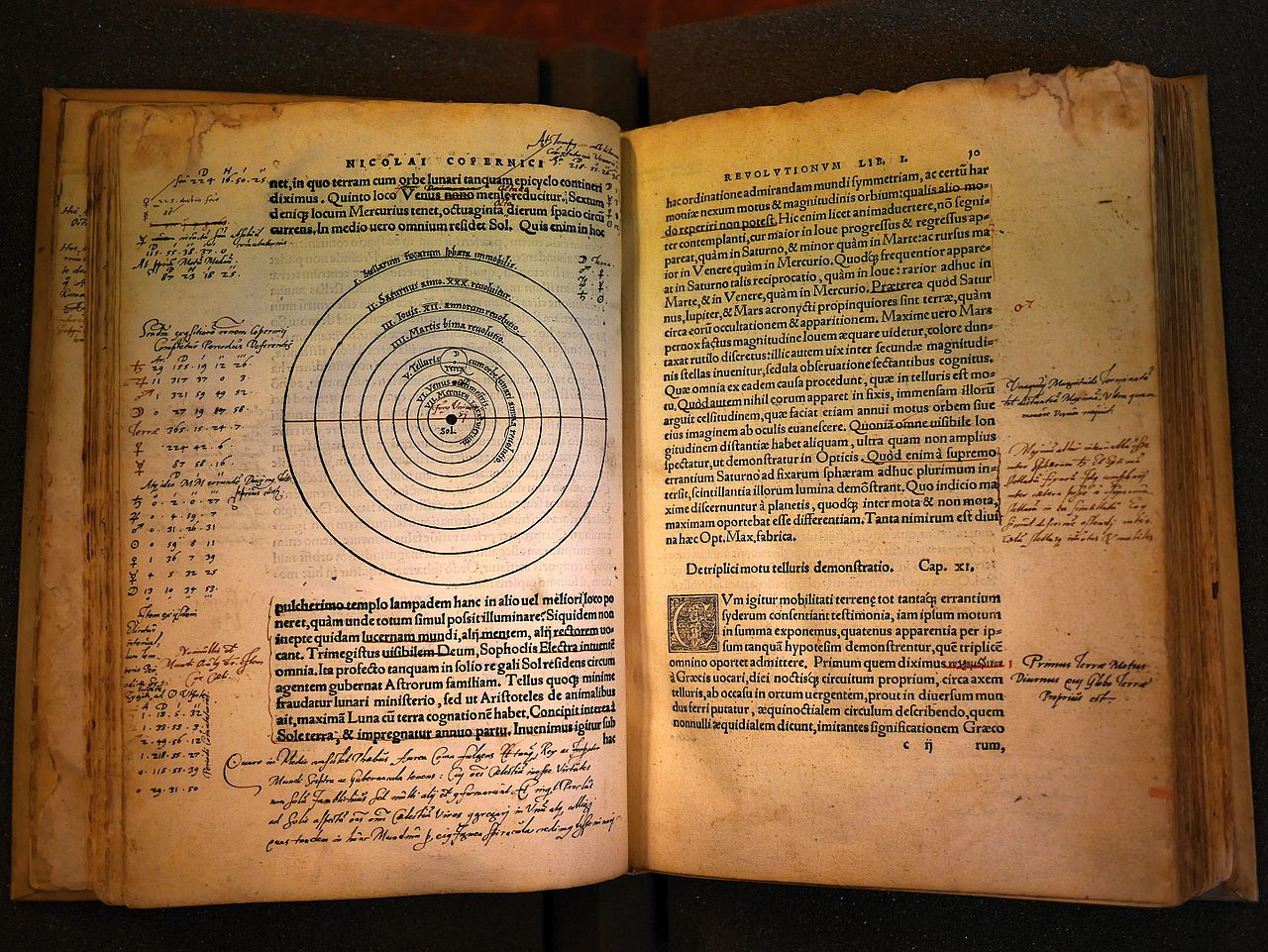
Peritext: A CRDT for Rich-Text Collaboration
Collaboration on rich text is hard to model with plain-text approaches. We review the challenges and how to construct a CRDT for rich text.
Collaborative Editor Demo App
pg_crdt - an experimental CRDT extension for Postgres
Embedding Yjs and Automerge into Postgres for collaborative applications.
Linus on Twitter / X
Notion serves millions of very dynamic, heavily modified interactive collaborative documents to users every day. At some point the line between documents and apps blur sufficiently.— Linus (@thesephist) August 15, 2025
outl — local-first markdown outliner & LLM second brain
Open-source bullet-point outliner. Plain markdown on disk (no UUIDs), peer-to-peer tree-CRDT sync that doesn't lose data when devices edit offline — your devices talk straight to each other, end-to-end encrypted, no cloud or third-party server holding your notes — and an MCP server so Claude, Cursor and ChatGPT use your notes as a second brain. A modern Roam, Logseq and Obsidian alternative built in Rust.
How Notion handles concurrent editing with CRDTs
Building a CRDT-based rich-text system that merges concurrent edits across Notion blocks—without losing anyone’s work
Your decentralised & privacy enhancing alternative to google docs
Decentralised Docs: peer-to-peer document editor that keeps your data secure with end-to-end encryption. Real-time collaboration, onchain.