There’s a really simple way of ensuring that politics belongs to the people, not to the ultra-rich.
How to not spend it
It is tough for a small democracy to run the world’s biggest sovereign-wealth fund

The 1% hide their money offshore – then use it to corrupt our democracy | Aditya Chakrabortty
From US billionaires to City barons, the super-rich are buying political influence as never before. Our politicians now work for them, not for us
The political economy of billionaire derangement
The passions are devouring the interests
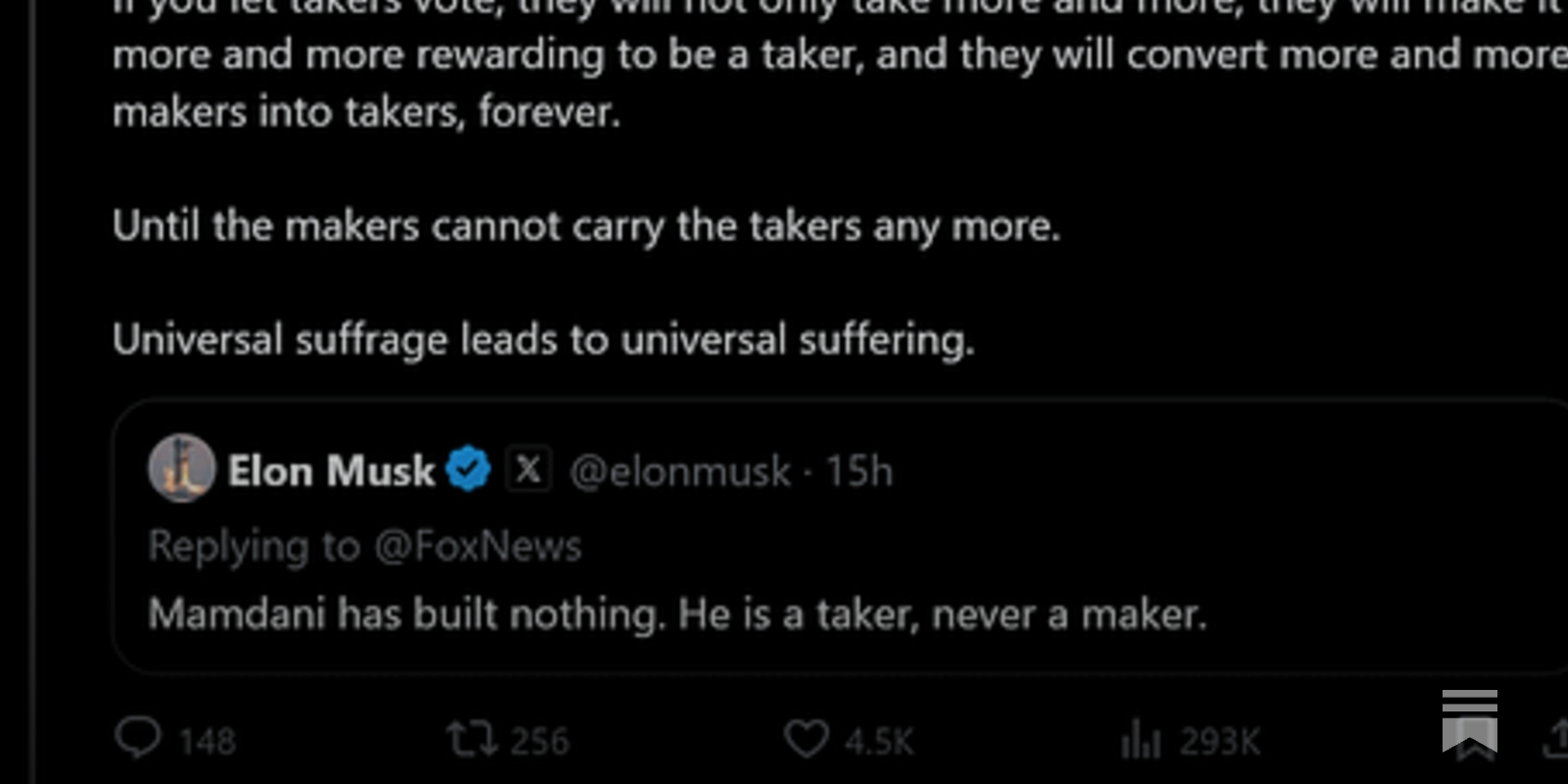
Goods Unite Us
Millions are taking action! Join the movement and start voting with your wallet.
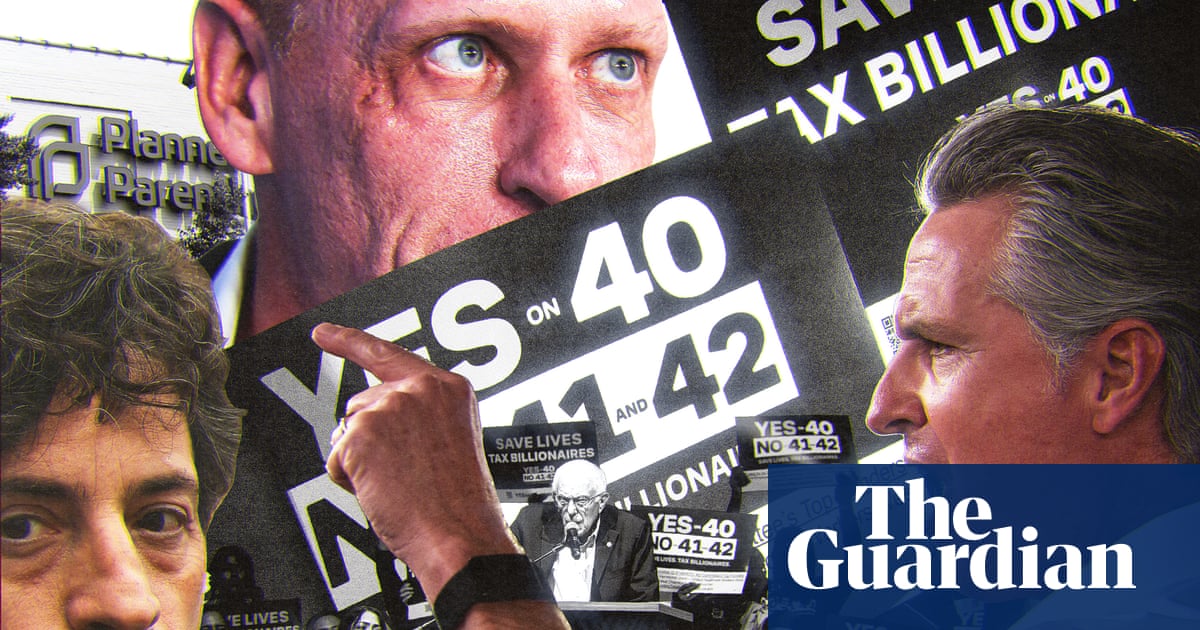
The ultra-rich are spending one million dollars a day fighting California’s proposed billionaire tax
Tech billionaires have raised more than $340m to defeat Prop 40, a one-time 5% wealth tax that will fund healthcare and education
Billionaire wealth jumps three times faster in 2025 to highest peak ever, sparking dangerous political inequality | Oxfam International
Billionaires 4,000 times more likely to hold political office than ordinary people
America’s new oligarchy
Under Trump an ultra-wealthy clique has infiltrated government, raising concerns about democratic integrity

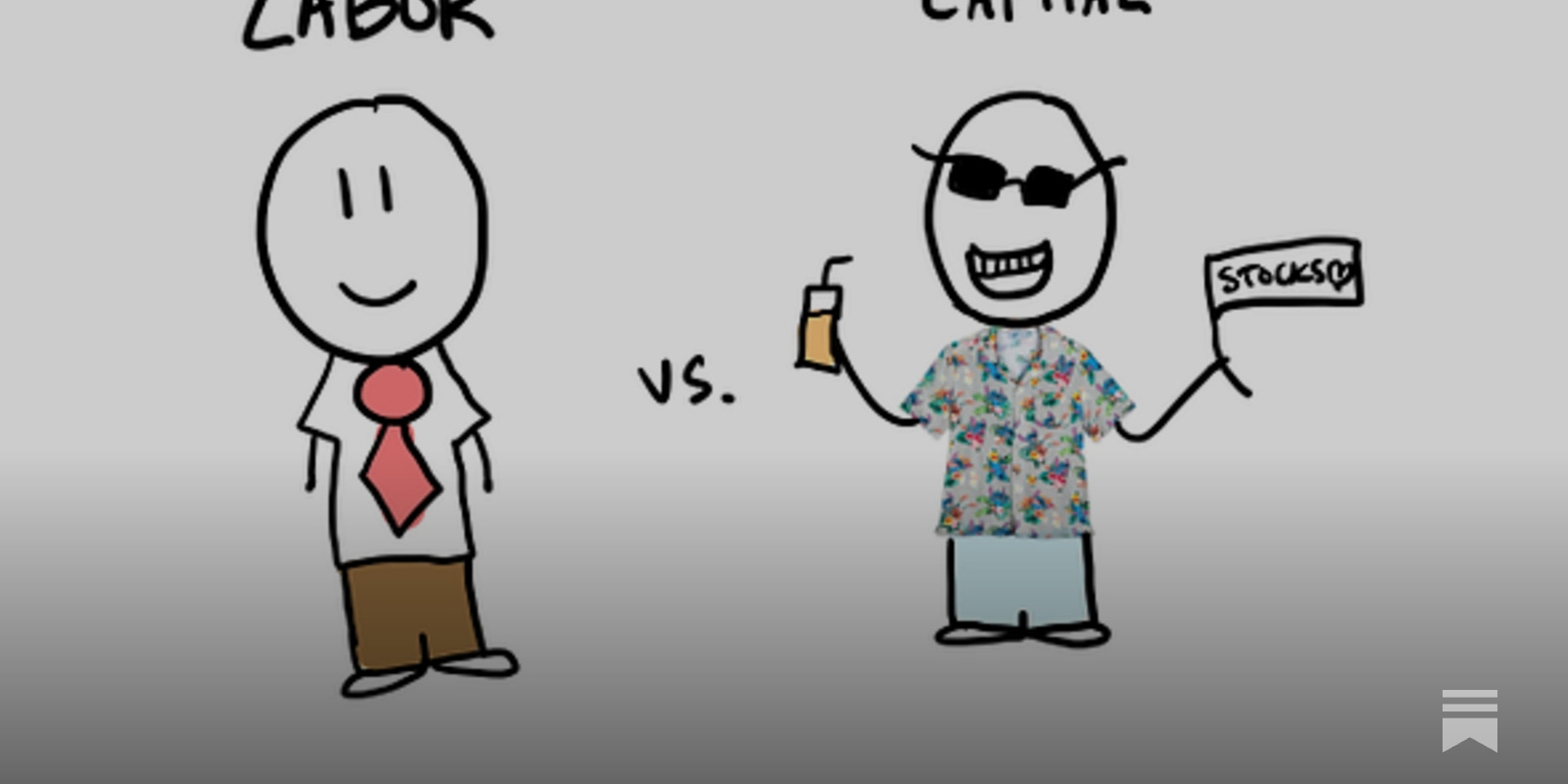
Why We Need to Confront the Billionaires’ Paradise
The UBS/PwC report on the “new Gilded Age” of the billionaire class, and the Paradise Papers reveal ways corporations and the ultrawealthy avoid taxes.
Who Makes Money From Facebook: Politicians and Political Candidates | Whattofix.tech
WHAT TO FIX’s Meta Monetization Archive reveals how numerous pages affiliated with politicians and political candidates have been —and in some cases continue to be— accessing Facebook's monetization services.
Why the super rich are inevitable
Why some mathematicians argue the economy is designed to create a few super rich people – unless we stop it.
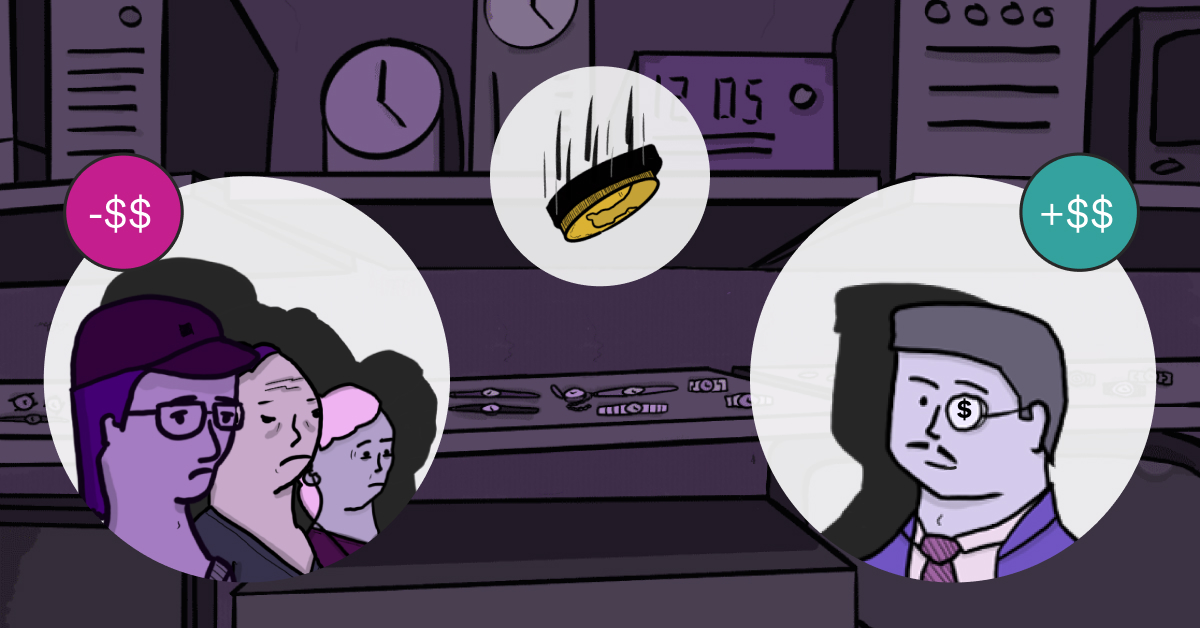
Systems: How the Ultra-Wealthy Think About Money - Anil Dash
A blog about making culture. Since 1999.

One State Found a Way to Make Billionaires Pay. Your State Could Be Next.
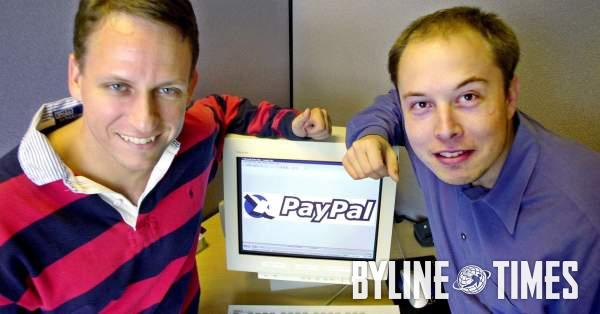
How Elon Musk and the Tech Billionaires Hijacked the State and Our Minds
Historian Quinn Slobodian tells Byline Times that Elon Musk's rise tells a deeper story—of fortunes built on state power, and a new politics where humans are treated less as citizens than as systems to be optimised
Donate to the candidates on the front lines of the fight against MAGA gerrymandering
These are Democratic state candidates in *extremely* close races

Meritocracy: the great delusion that ingrains inequality | Jo Littler
From Theresa May to Donald Trump, our leaders sell it as a utopian system of fairness – but ‘merit’ has been manipulated to privilege the wealthy