


The numbers are simply mind-blowing: up to £264 billion for a climate “solution” that will increase emissions. Has the government lost its mind?
Did the hot summer make more people worry about climate change? Here’s what the latest indications show
Around 65% of the British public are now concerned about climate change.
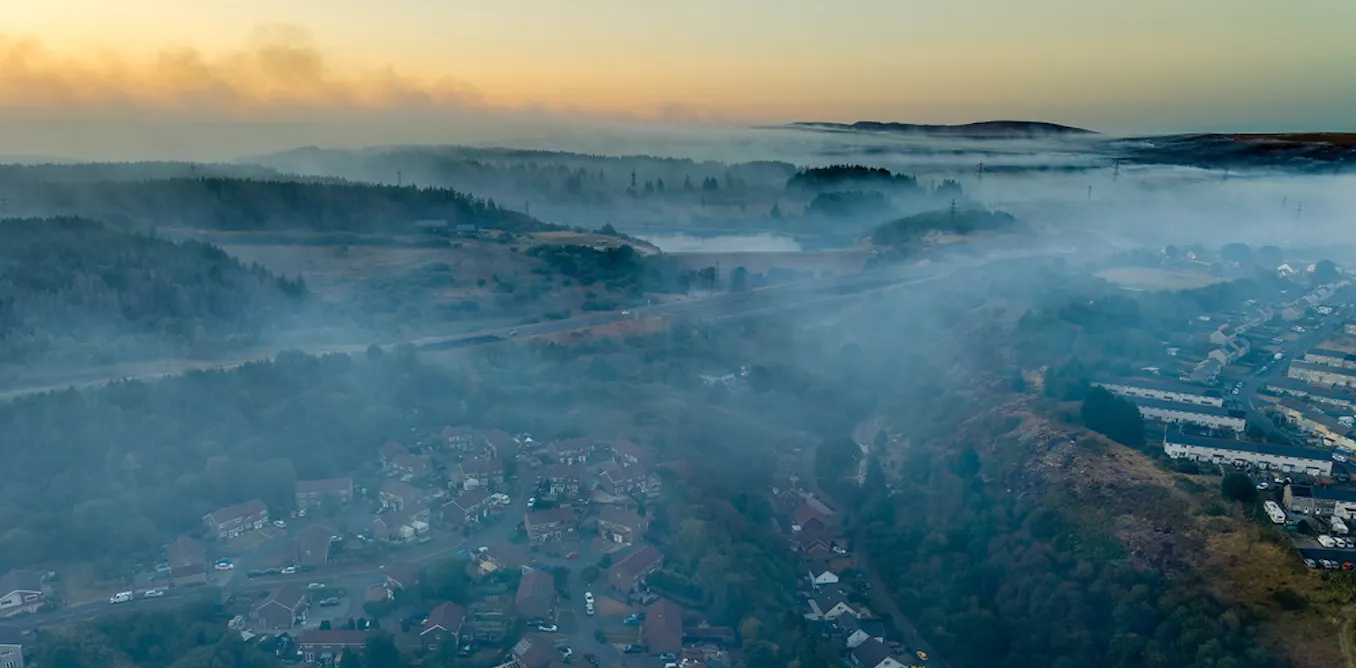
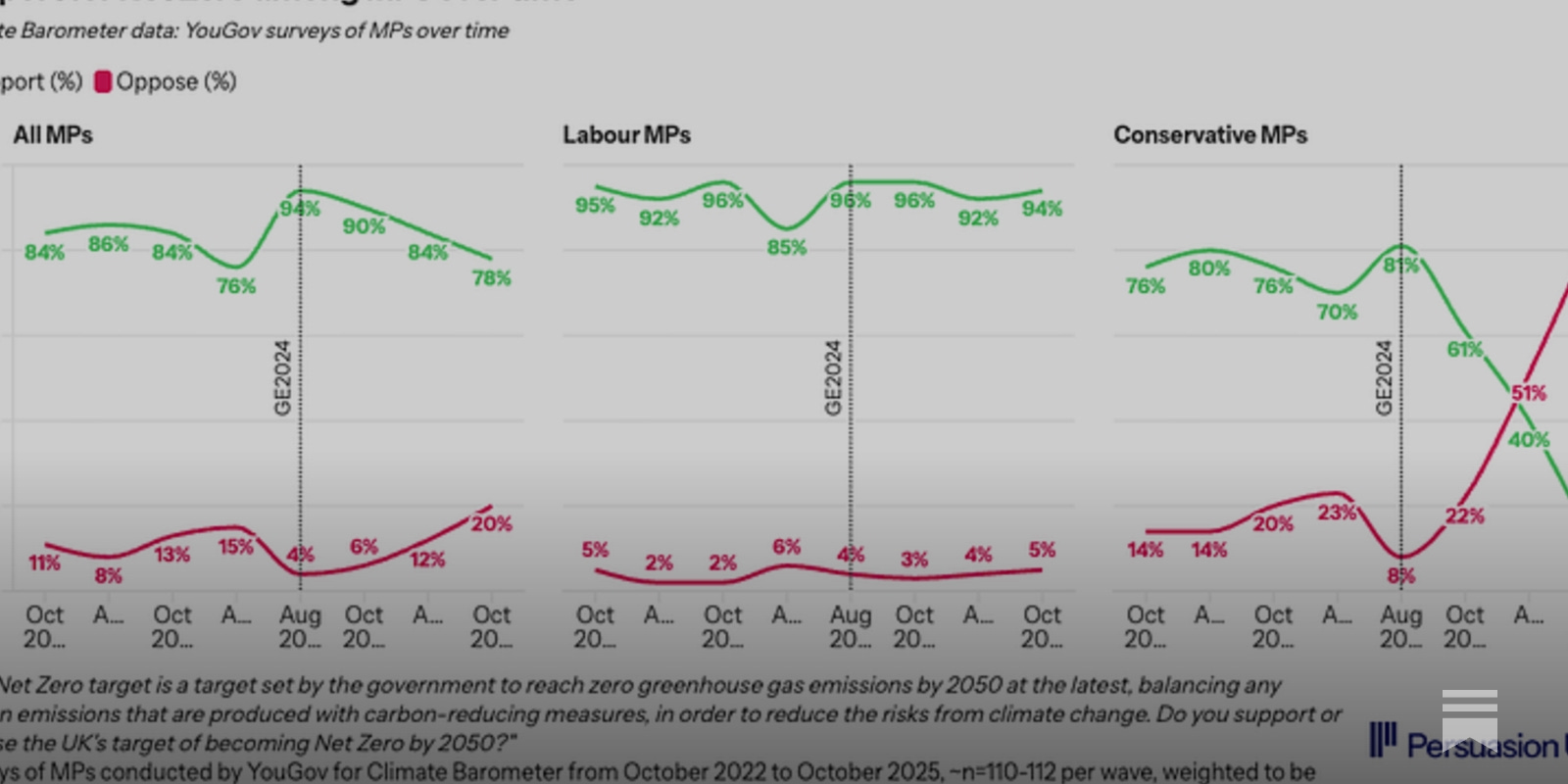
What’s happened to the UK’s climate consensus?
Opposition, apathy and the voters in-between
Austerity and climate (in)action
In the wake of the 2008 global financial crisis, many governments implemented austerity policies aimed at reducing budget deficits through public spending cuts. This column examines the rollout of programme awarding grants for home energy efficiency upgrades in the UK examine the extent to which cuts to local government finances may have impacted efforts to promote climate action. The findings suggest that austerity, combined with poor digital skills, undermined local authorities’ efforts to effectively carry out a climate action policy that was centrally planned but locally administered.

Carbon Removal Technologies | YC Request for Startups
Climate change presents an existential threat to humanity. We are already seeing the effects and they are showing up faster and stronger than anticipated. A report by United Nations' scientific panel on climate change released this month expects the atmosphere-on our current trajectory-to warm up by 1.5 degrees Celsius by 2040. Even the effects of a 0.5 degrees increase will have far-reaching consequences. This research indicates that we are already past the tipping point; even if we significantly reduced emissions, climate change would continue (Source IPCC summary C3 section). We believe there's still time to make a change if we look both to renewal energy and CO2 removal.

Why unilateral decarbonisation can pay for itself
Anthropogenic greenhouse gas emissions are rapidly warming our planet, with potentially severe economic, social, and health consequences. Conventional estimates of climate damages suggest that while coordinated global efforts are desirable, unilateral action is rarely cost-effective due to a classic free-rider problem. Why should a country bear the costs of reducing emissions when the benefits are shared globally? This column re-evaluates this view in light of new climate damage estimates based on global temperature variation, showing that the economic case for unilateral decarbonisation is far stronger than previously thought.

RETRACTED ARTICLE: The economic commitment of climate change
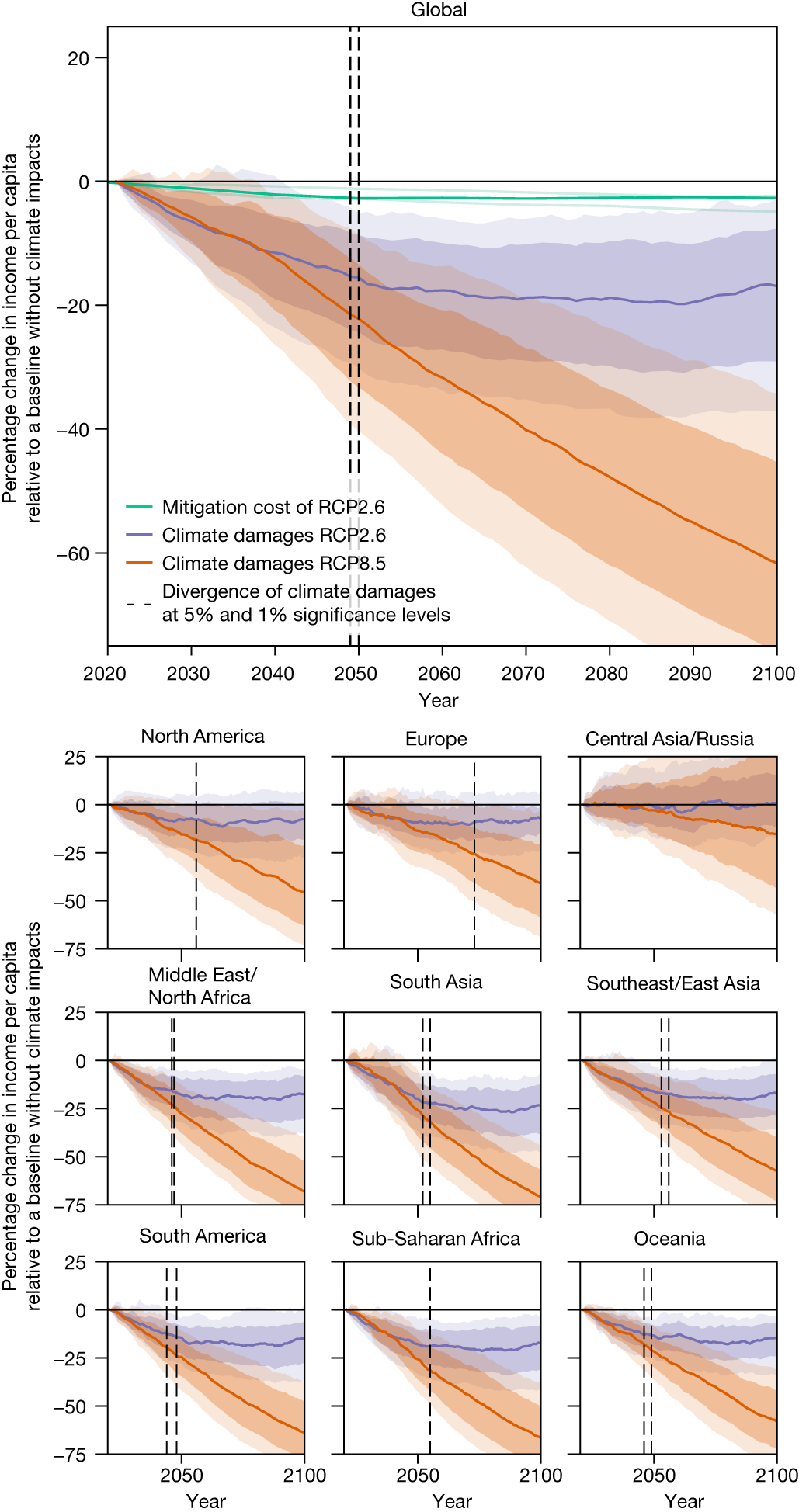
Global projections of macroeconomic climate-change damages typically consider impacts from average annual and national temperatures over long time horizons1–6. Here we use recent empirical findings from more than 1,600 regions worldwide over the past 40 years to project sub-national damages from temperature and precipitation, including daily variability and extremes7,8. Using an empirical approach that provides a robust lower bound on the persistence of impacts on economic growth, we find that the world economy is committed to an income reduction of 19% within the next 26 years independent of future emission choices (relative to a baseline without climate impacts, likely range of 11–29% accounting for physical climate and empirical uncertainty). These damages already outweigh the mitigation costs required to limit global warming to 2 °C by sixfold over this near-term time frame and thereafter diverge strongly dependent on emission choices. Committed damages arise predominantly through changes in average temperature, but accounting for further climatic components raises estimates by approximately 50% and leads to stronger regional heterogeneity. Committed losses are projected for all regions except those at very high latitudes, at which reductions in temperature variability bring benefits. The largest losses are committed at lower latitudes in regions with lower cumulative historical emissions and lower present-day income.
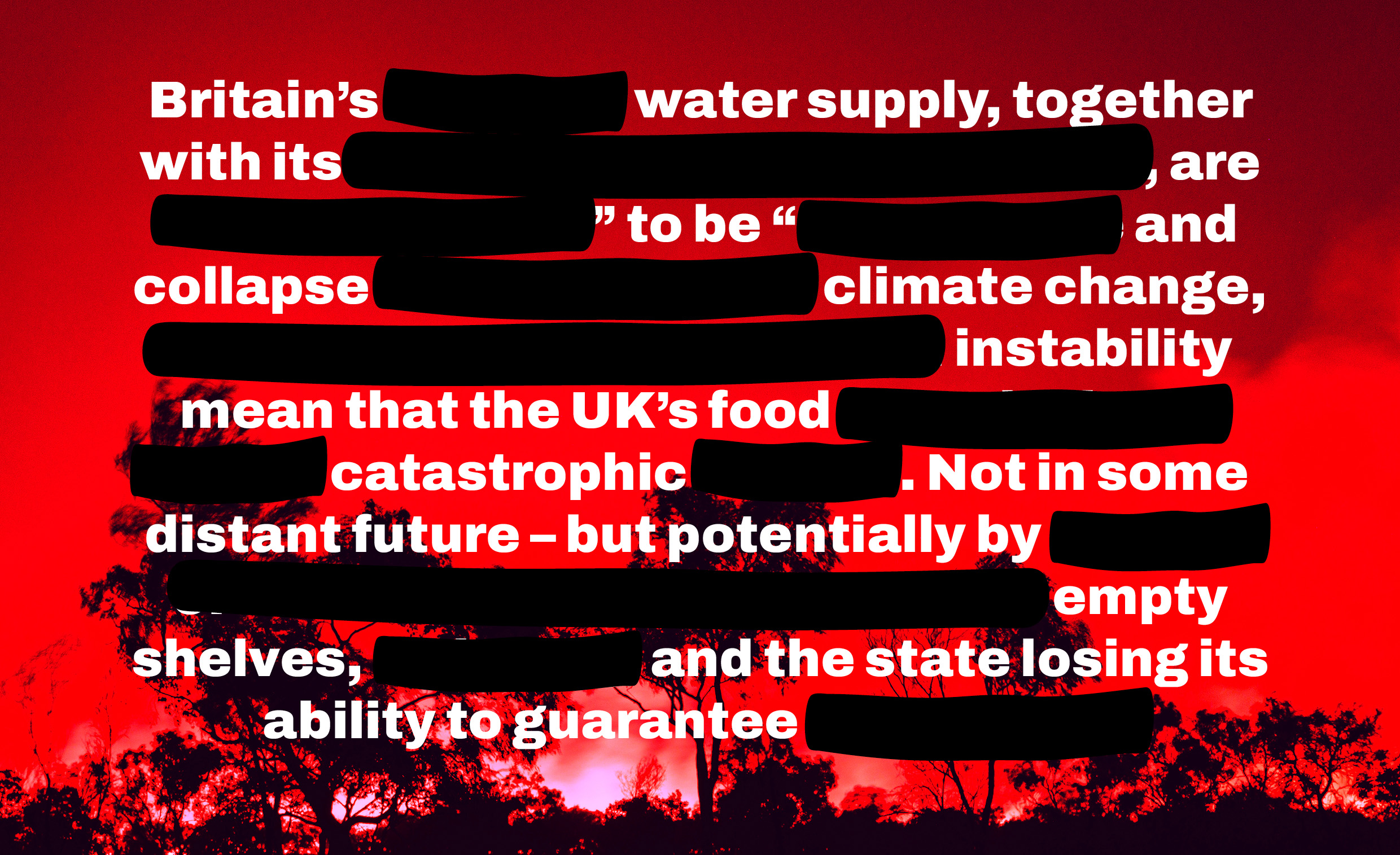
Caroline Lucas: The shocking climate reports the UK government didn't want you to see
The intelligence services now believe nature collapse is a security threat. For a cabinet determined to sacrifice the environment for growth, was that too uncomfortable a truth, asks the former Green party leader
Europe is BURNING - why are politicians not acting?
Social Influence and Action — Jen Christiansen
I’m wary of climate solutions that are hyper focused on the action of individuals as opposed to systems and corporations. Do you experience carbon footprint guilt every time you board a plane to visit family too? Well, that whole schema was a product of the PR firm Ogilvy & Mather for British Petroleum. It was an effort to shift focus away from oil companies and onto individual responsibility to lower greenhouse gas emissions. For more, read “The carbon footprint sham” by Mark Kaufman for Mashable in 2021, and “Big oil coined ‘carbon footprints’ to blame us for their greed. Keep them on the hook” by Rebecca Solnit for The Guardian.

Ex Oil-Engineer Turned Climate Whistleblower: We Face COLLAPSE | Aaron Bastani Meets Kevin Anderson
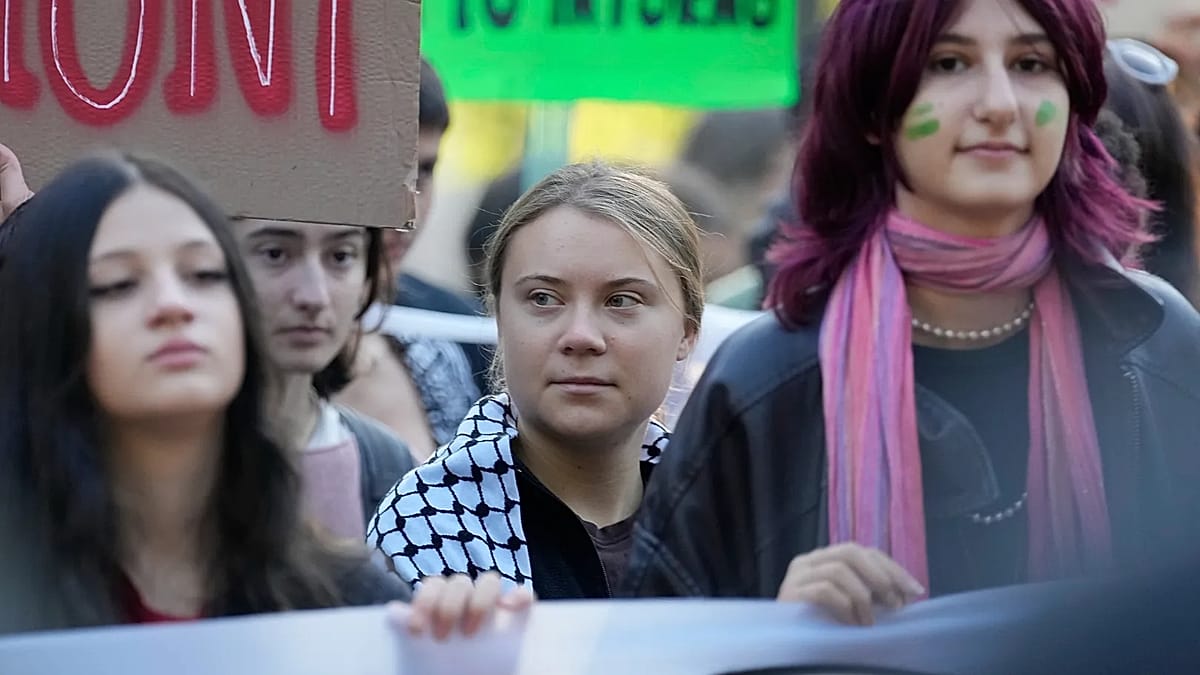
Thousands in Sweden protest over climate policy as election looms
The protest comes as experts in Sweden have warned that the government's climate policy jeopardises the country's emissions-cutting goals to reduce CO₂ emissions from transport by 70 percent by 2030 and to achieve net-zero emissions by 2045.
‘The damage is done’: global oil crisis has changed fossil fuel industry for ever, IEA chief says
Exclusive: International Energy Agency’s Fatih Birol, the world’s leading energy economist, also says UK should largely forgo North Sea expansion

The Truth About Carbon Footprints
Carbon footprints & carbon footprint calculators are a marketing tool to make individuals feel guilty for Big Oil's pollution. See how the oil industry is blaming you and me.
We’re going to miss the 1.5 °C climate target. Now what?
The United Nations Environment Program released a report earlier this month saying the world – which is already experiencing roughly 1.3˚C of warming – will miss the 1.5˚C climate change target set by international negotiators over a decade ago.

Correcting climate ‘misperceptions’ may not boost climate action - Carbon Brief
Most people "underestimate" general support for climate change and "overestimate" actual, real-world climate action.
The Death of the Carbon Coalition
Existing models of U.S. politics are wrong. Here’s how the system really works.
