

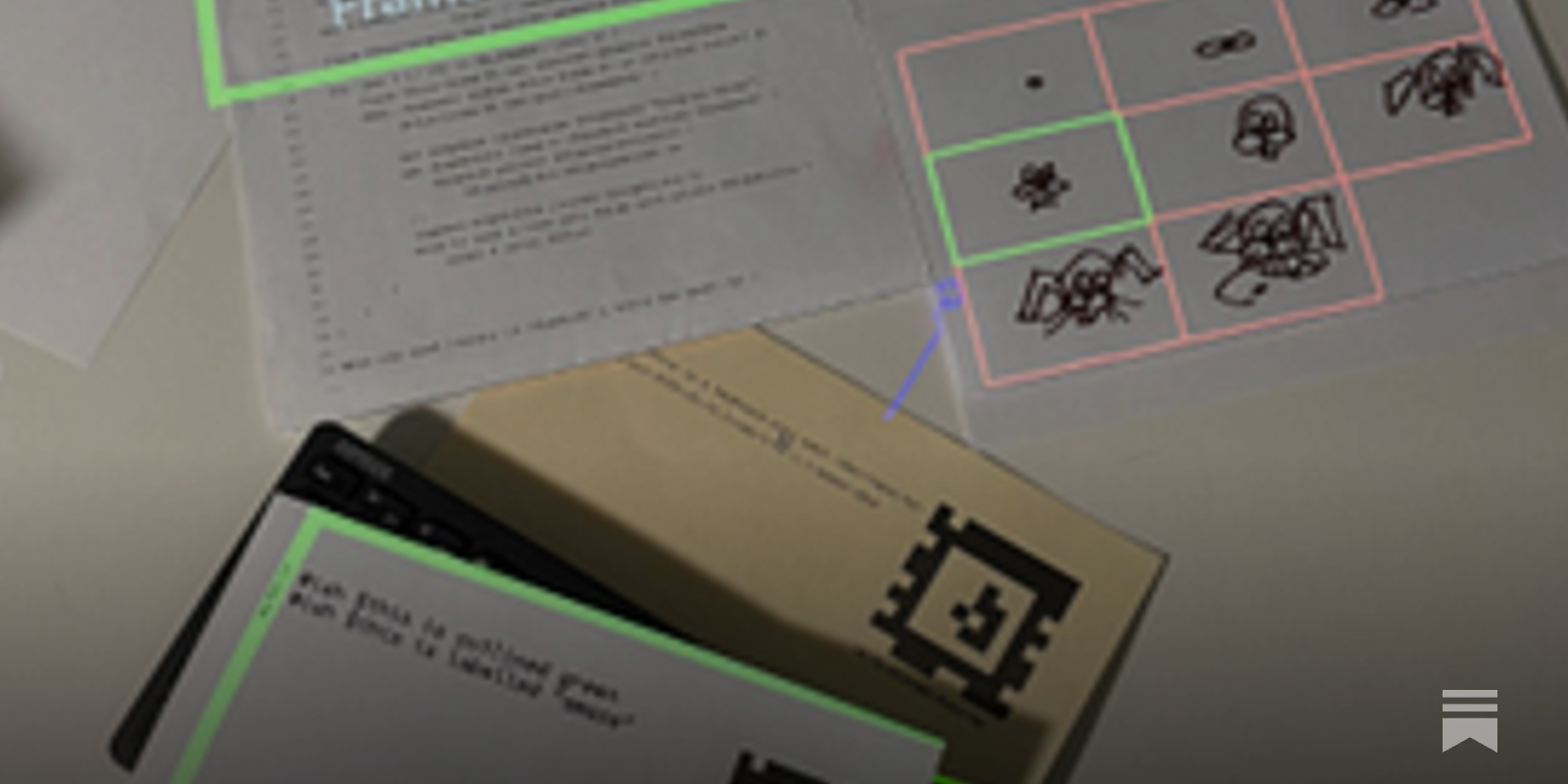
In a Brooklyn warehouse, a man handed me a piece of paper that was a running computer program.
IBM's "Man & Computer" (1967)
Stuart K. Card and Thomas P. Moran, "User Technology—From Pointing to Pondering"
Computer: A History of the Information Machine
Computer: A History of the Information Machine is a history of computing written by Martin Campbell-Kelly and William Aspray first published in 1996. It follows the history of "information machines" from Charles Babbage's difference engine through Herman Hollerith's tabulating machines to the invention of the modern electronic digital computer. A revised 2nd edition published in 2004 included new material on the Internet and World Wide Web, while the updated 3rd edition published in 2013 includes contributions from historians Nathan Ensmenger and Jeffrey Yost. The 3rd edition extends the story to include recent phenomena such as social networking and revises the discussion of early history to reflect new insights from the literature.

triumph of the nerds
Computer power and human reason : from judgment to calculation
xii, 300 pages : 24 cm; Includes bibliographical references and index

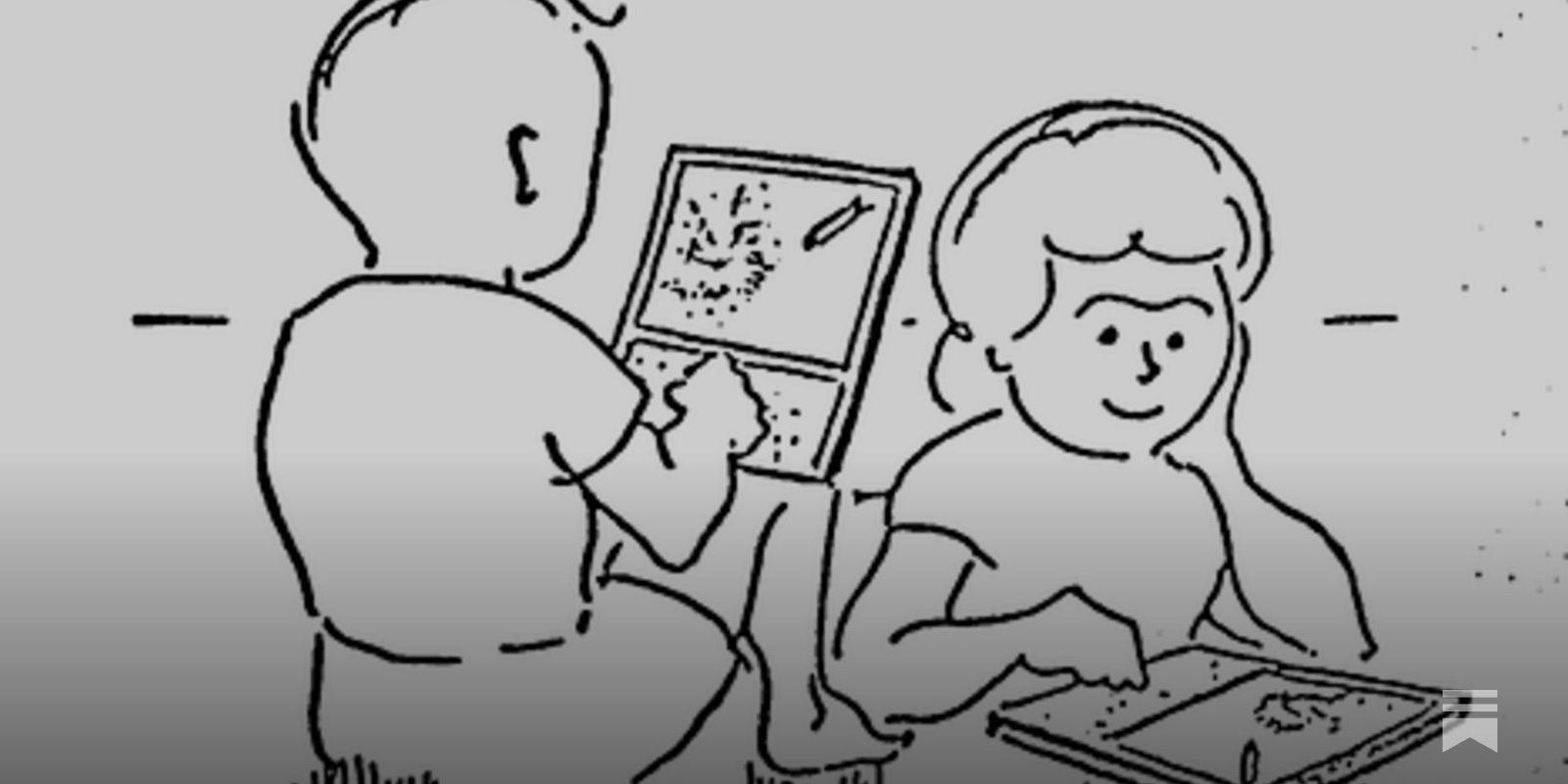


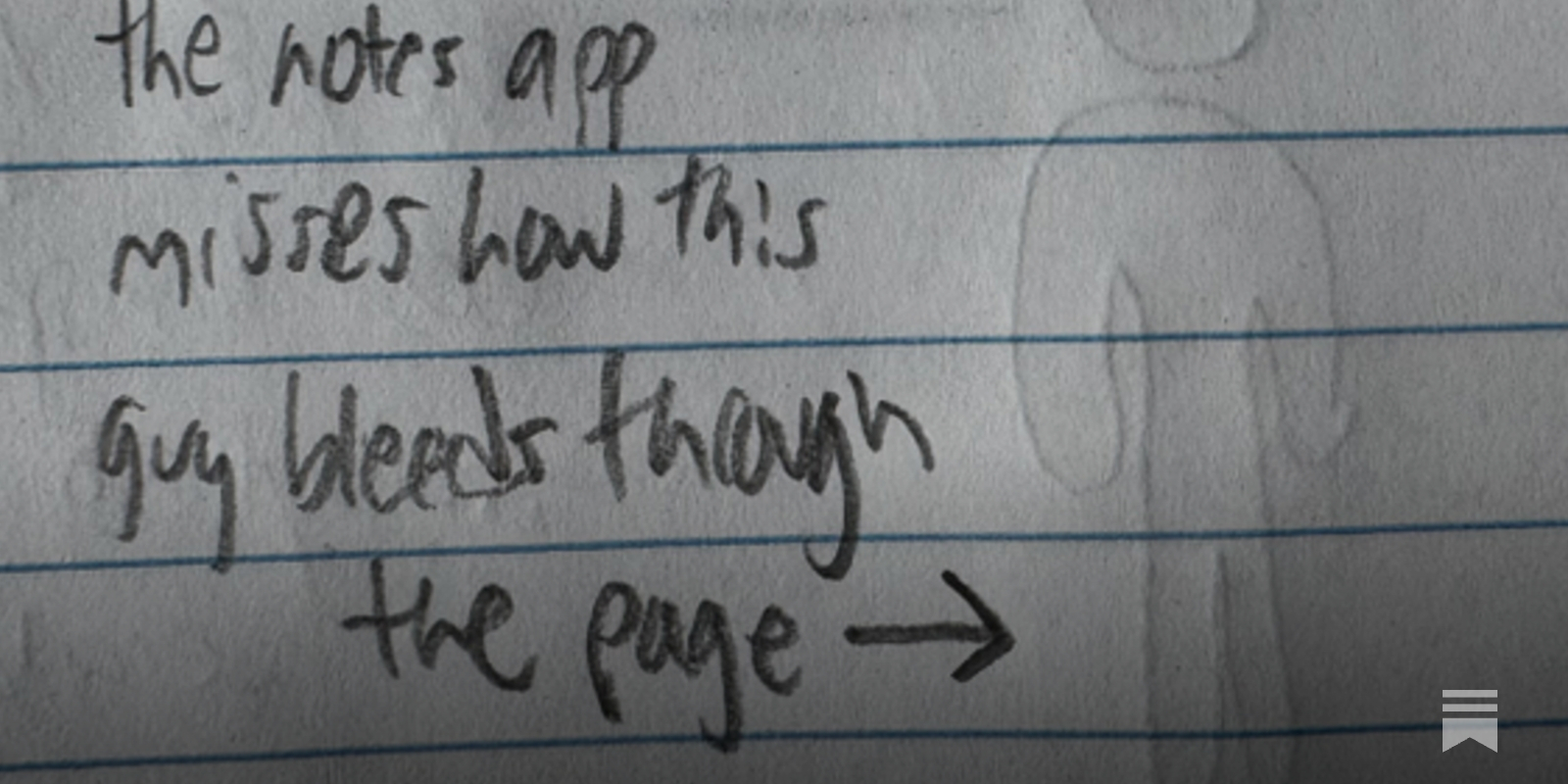
Our interfaces have lost their senses
We programmed them by punching cards, plugging in wires, and flipping switches. Programmers walked among banks of switches and cables, physically choreographing their logic. Being on a computer used to be a full-body experience.
As We May Think
“Consider a future device ... in which an individual stores all his books, records, and communications, and which is mechanized so that it may be consulted with exceeding speed and flexibility. It is an enlarged intimate supplement to his memory.”
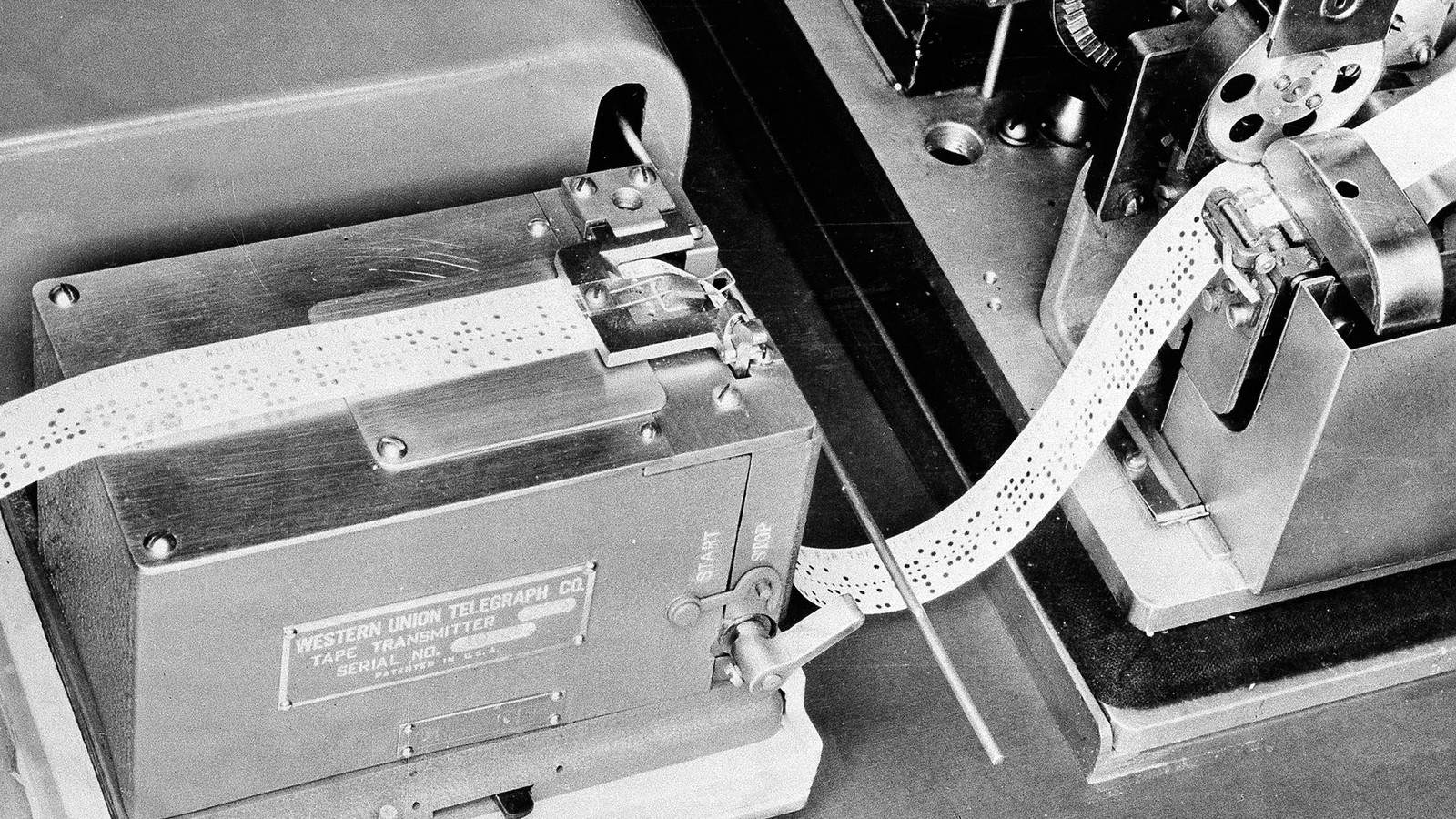
How ‘Automation’ Made America Work Harder
Computers were supposed to reduce office labor. They accomplished the opposite

“Paper Trail” Podcast: Microsoft’s “Digital Escorts” Left DOD Vulnerable to Chinese Hackers — ProPublica
A little-known Microsoft program allowed China-based engineers to service the U.S. government’s sensitive computer systems — until reporter Renee Dudley found out about it.


