Learn how federated and indexed search work, their pros and cons, and how AI enhances both techniques to power fast, secure, and scalable enterprise search across your tech stack.
Federated search
Federated search retrieves information from a variety of sources via a search application built on top of one or more search engines.[1] A user makes a single query request which is distributed to the search engines, databases or other query engines participating in the federation. The federated search then aggregates the results that are received from the search engines for presentation to the user. Federated search can be used to integrate disparate information resources within a single large organization ("enterprise") or for the entire web.
Introducing Index App
We're excited to launch Index App, introducing a new way to discover ideas, insights, and connections through multiple autonomous agents that understand context and respect privacy. Whether you're following AI developments, looking for interesting events in your area, or seeking specific technical discussions, Index App ensures you never miss what's important to you. Think of it as having a group of thoughtful friends who know your interests, spot valuable discussions, and make introductions ...

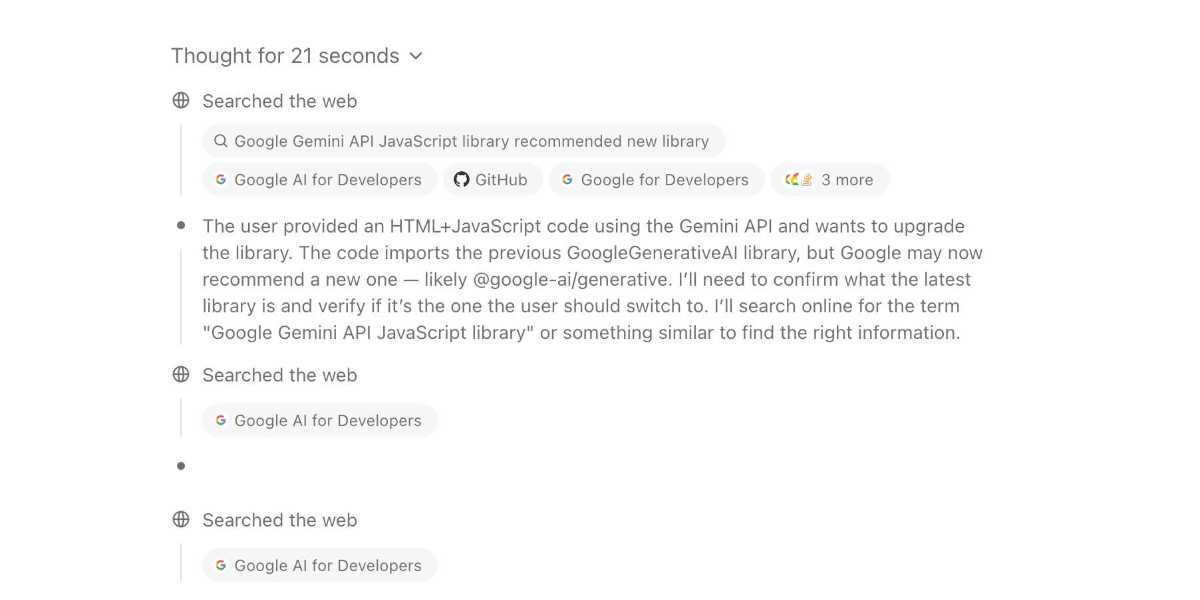
AI assisted search-based research actually works now
For the past two and a half years the feature I’ve most wanted from LLMs is the ability to take on search-based research tasks on my behalf. We saw the …
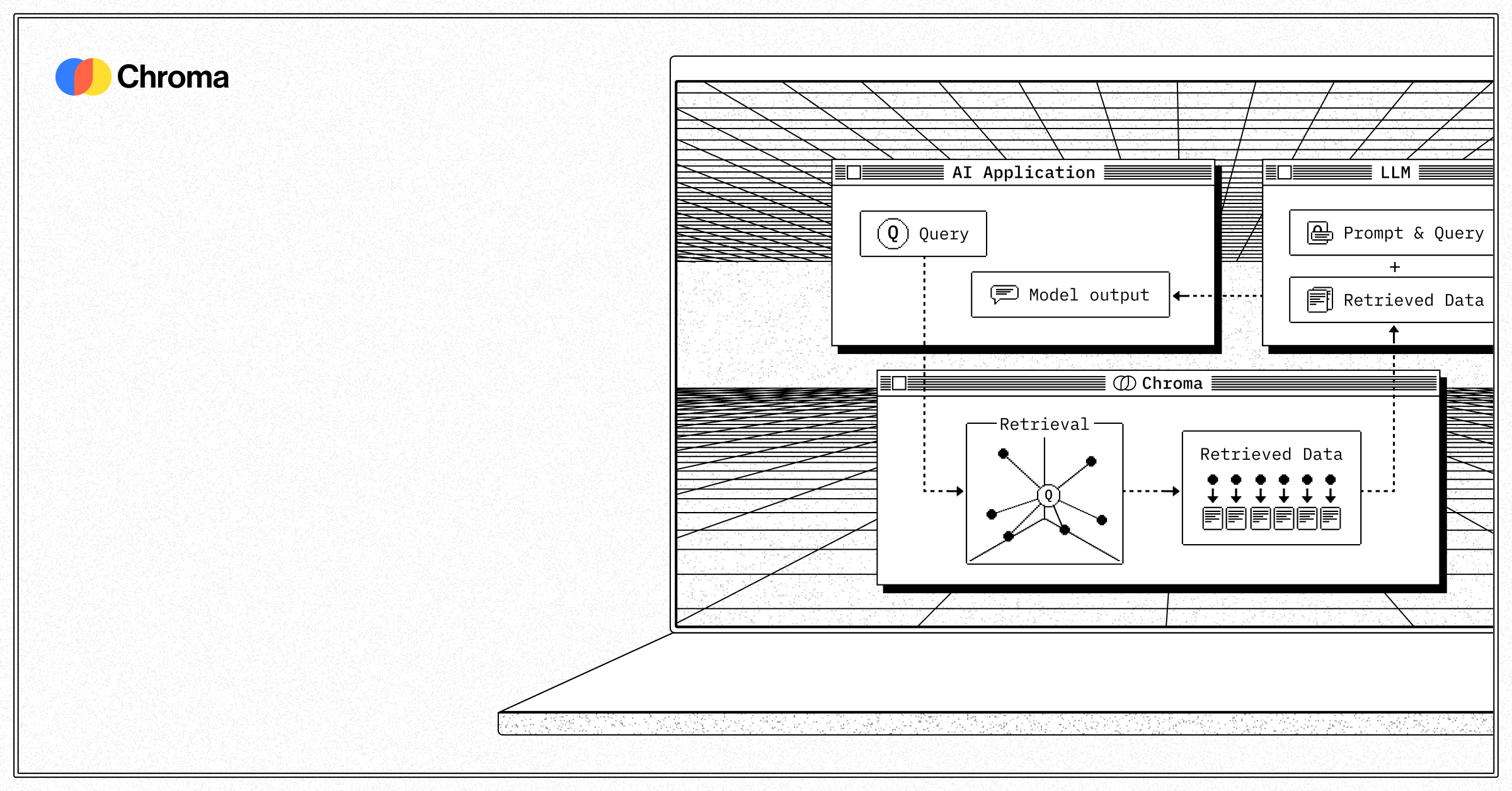
Chroma - open-source search infrastructure for AI
Open-source search infrastructure for AI
AI Mode is obviously the future of Google Search
The internet’s biggest search engine is going to be unrecognizable in just a few years.

AI search answers are the fast food of your information diet – convenient and tasty, but no substitute for good nutrition
An information scientist explains that while Google’s AI Overviews and other AI search tools may look enticing, you shouldn’t rely on them to fill all your search needs.

AI search answers are the fast food of your information diet – convenient and tasty, but no substitute for good nutrition
An information scientist explains that while Google’s AI Overviews and other AI search tools may look enticing, you shouldn’t rely on them to fill all your search needs.
The Technical Feasibility of Divesting Google Chrome – Knight-Georgetown Institute
As the European Commission advances efforts under the Digital Markets Act to require Google to share its search data with competitors, lessons from historic antitrust remedies underscore how data access could be transformational in the AI-powered search market. While the Commission’s proposals represent a novel and comprehensive approach, key improvements to data scope and sharing frequency, privacy protections, and dispute resolution are needed. US courts and enforcers charged with implementing similar provisions should take note.

Agentic Search for Dummies — Benjamin Anderson
A simple, effective baseline for building AI search agents.

Google Search Changed: The Good, the Bad, and the Ugly of AI Search - Boxcar Marketing
Google Search is not longer about indexing the web, it's about being an AI assistant.

Learning with AI falls short compared to old-fashioned web search
Doing the mental work of connecting the dots across multiple web queries appears to help people understand the material better compared to an AI summary.

Learning with AI falls short compared to old-fashioned web search
Doing the mental work of connecting the dots across multiple web queries appears to help people understand the material better compared to an AI summary.
Thoughts on Algolia (vs Solr & Elasticsearch) - OpenSource Connections
In this blog, we discuss our thoughts on Algolia versus Solr and Elasticsearch.

2025 Index — AI Agent Index
Interactive browser for 30 AI agents across 45 annotation fields in the 2025 AI Agent Index.
Meilisearch: Unified Search & AI Retrieval Platform
Build lightning-fast search and AI retrieval with Meilisearch. Open-source, developer-friendly search engine trusted by 20,000+ teams worldwide.
Envisioning (Near-)Future IA Design
On the differences between using AI for automation vs. augmentation — and why information architects should explore both.