The grand idealism of the free and open internet might be over for now, but in its place falls a more practical mindset. Just like Silicon Valley’s entrepreneurs are entering their “Hard Tech” era, the people building web alternatives are also entering their Post-Naive Era. Here are the names to know.
My journey to the heart of the forgotten internet
Slowly but surely, huge swaths of the internet are vanishing. But the artefacts of the early web are still out there, and they have lessons for the future.

Long Live the Web: A Call for Continued Open Standards and Neutrality
The Web is critical not merely to the digital revolution but to our continued prosperity—and even our liberty. Like democracy itself, it needs defending

The Fathers of the Internet Revolution Urge Today’s Software Engineers to Reinvent the Web
Tim Berners-Lee, Vint Cerf, and other Internet pioneers issue a challenge on a day that just might go down in tech history

AI Might Be Our Best Shot At Taking Back The Open Web
I remember, pretty clearly, my excitement over the early World Wide Web. I had been on the internet for a year or two at that point, mostly using IRC, Usenet, and Gopher (along with email, naturall…

Society Desperately Needs An Alternative Web
In a world of rampant technology, and what will be the future of our planet, it is inflicting harms in the very fabric of society who depends on it. Is it too late to steer its path towards an internet intended to free information, preserve our privacy and be accountable to the needs of humanity?

Reclaim the internet: Mozilla’s rebrand for the next era of tech | The Mozilla Blog
Mozilla isn’t just another tech company — we’re a global crew of activists, technologists and builders, all working to keep the internet free, op


The AI browser wars are about to begin
Artificial intelligence is already writing an obituary for the internet as we know it. So why is everyone building new web browsers?

The Internet Is Making You Less Free
Our current age is defined by the internet. The internet—a technology that allows the decentralized, globalized dissemination of information—has become so

The Oxymoron of “Data-Driven Innovation”
Once upon a time, in the dawn of the internet era, web products came from college dudes. The dudes were almost always wealthy and well-connected, but they weren’t usually market-savvy. These …

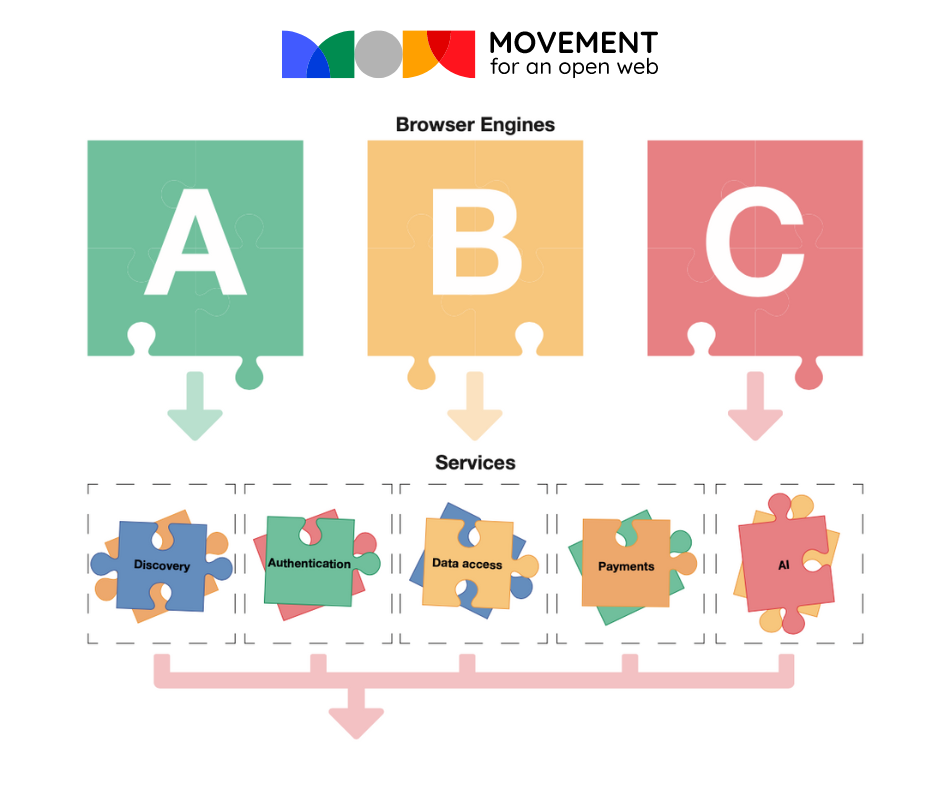
Break up the Browsers. A Proposal to Save the Open Web. - Movement For An Open Web
The Open Web is one of the world’s modern wonders. Based on core, universally recognised technical standards and owned and controlled by no one body, it is a unique structureRead More
The Group That Rules the Web
Billions of humans will use the Web over the next decade, yet very few of those people are in a position to define what is “the Web” and what isn’t.


I’m Building an Algorithm That Doesn’t Rot Your Brain
How the small web is creating an anti-slop internet
What is the small web? A new crop of platforms are answering algorithmic fatigue with a return to human-curated basics.

We can have a different web
Many yearn for the “good old days” of the web. We could have those good old days back — or something even better — and if anything, it would be easier now than it ever was.