


Intersectionality, ways that AI can support the disabled, and how we can win the race to make AI more inclusive.
#LiberatingWebinars: Disability Justice & Crip Technoscience: Racism & Ableism in AI
The influence of artificial intelligence on individuals with disabilities
The rapid advancement of artificial intelligence (AI) is reshaping assistive technologies, offering new possibilities for enhancing the independence, …
AI for the rest of us - The AI community for everyone
Our community and events are for everyone. We're a community of AI practitioners, educators, students, and enthusiasts who are passionate about making AI accessible to everyone.

The AI Pledge for Humanity
We all made AI possible. We all deserve a share of what it makes possible.

How to talk about "AI" without adding to the anthropomorphization
Emily M. Bender and Nanna Inie In our op-ed for Tech Policy Press ("We Need to Talk About How We Talk About 'AI'"), we made the case against the...
AI Doesn't Fix Accessible Systems. It Depends on Them. — Anna E. Cook
Why AI depends on the foundation accessible design systems build — and how "AI will fix accessibility" is producing the opposite outcome at industry scale.

AI, Ethics, and Society — Home
The influence of artificial intelligence on individuals with disabilities
The rapid advancement of artificial intelligence (AI) is reshaping assistive technologies, offering new possibilities for enhancing the independence, communication and quality of life of individuals with disabilities. This study presents a qualitative scoping review of 47 peer-reviewed articles published between 2018 and 2025, examining how AI has been integrated into assistive tools across domains such as mobility, communication, cognitive support, education and independent living. Specific AI applications include object recognition, gesture-based control, navigation assistance, emotion detection and natural language processing. The review highlights significant progress in personalization and real-time adaptation, while also identifying persistent challenges such as algorithmic bias, cost barriers, data privacy concerns and unequal access, particularly in low-resource settings. Ethical considerations and the need for inclusive, user-centered design approaches are emphasized. The study also underscores future research priorities, including standardization of development protocols, empirical evaluation of long-term effectiveness and policy frameworks to ensure equitable access. By synthesizing recent developments and critical gaps, this review contributes to understanding how AI can responsibly and effectively support assistive technologies, ultimately promoting more inclusive environments for people with disabilities.
We All Hate AI, but if You’re Poor, It Can Really Ruin Your Life
Debt collection. Parole decisions. Oversight of public services. It’s all being outsourced to AI, with terrible consequences for poor people.

Challenging Ableism: A Critical Turn Toward Disability Justice in HCI
A reflection on our learnings from the CHI 2022 "Dreaming Disability Justice in HCI" workshop, and why we continue to call for disability justice, despite the limitations of how we practice it within academia and industry.
We Need to Talk About How We Talk About 'AI'
We share a responsibility to create and use empowering metaphors rather than misleading language, write Emily M. Bender and Nanna Inie.
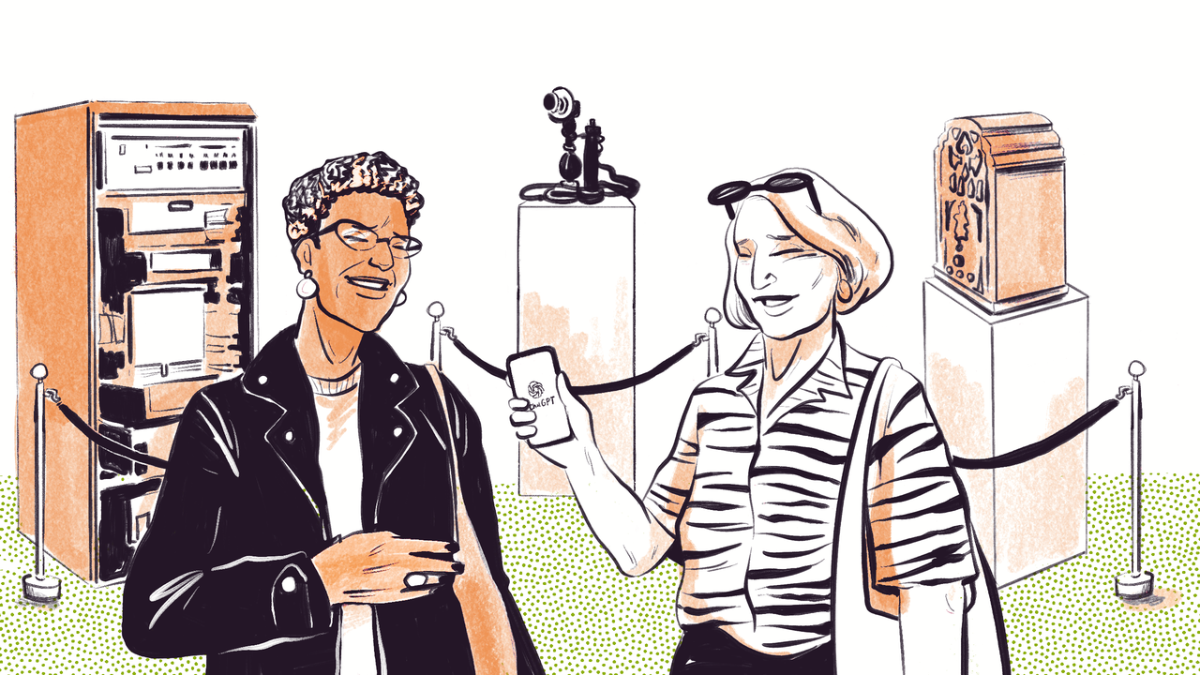
Paid Program: Why More Women Are Needed in AI
When the world of AI isn’t inclusive, it creates biases in what the data shows and how it’s used.

Bridging the gap: inequalities that divide those who can and cannot create sustainable outcomes with AI
The widespread use of AI technologies impacts individuals, organisations, and societies in ways that warrant more comprehensive investigation. Inequalities in benefiting from AI advancements may le...
How Americans see AI impacting human skills; its role in science, matchmaking, religion and more
Majorities don’t want AI to give advice about religion or love. But many say AI should help forecast weather, search for financial crimes, develop medicine and more.

AI* for accessibility

* I’m neither “pro-AI” nor “anti-AI.” I’ve been blocked for being perceived as both. —Actually, I’m honestly more anti-AI than pro-AI thus far, aside from specialized models and specific use cases, but I’m willing to consider information that’s new to me
A Review of the Ray-ban Meta AI Glasses for People With Low Vision

Is Meta Using Disabled People to Promote Its Glasses?
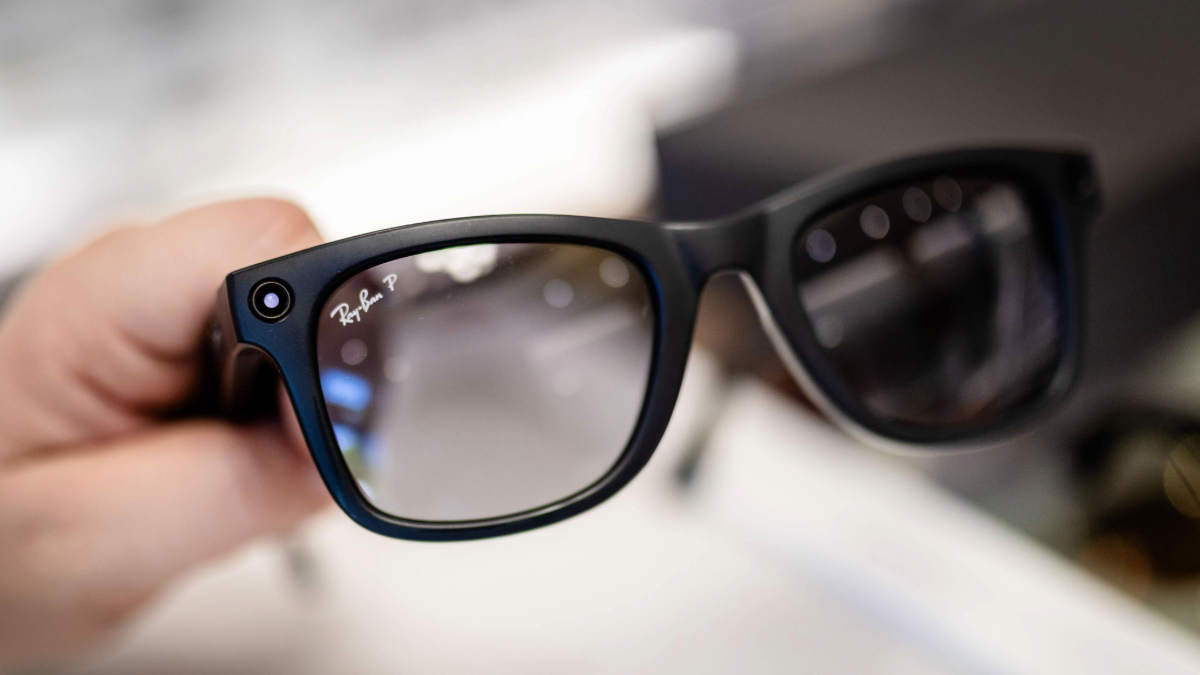
For Meta’s Smart Glasses, Access Is An Afterthought

Smart glasses controversy sidelines the benefits for disabled people | Letter

AI as a Tool for the Mental Load | Brittany Ellich | Offprint

Anker’s new earbuds are the first with its AI chip that boosts noise reduction

