


Although I have always had kind and mostly tolerant neighbors, the effects of widespread Islamophobia have touched my life intimately.
The Forgotten Hate-Fueled Shootings in the Wake of 9/11
Several shootings driven by Islamophobia were obscured in the aftermath of that day. In a new analysis by The Trace, we revisit what happened.

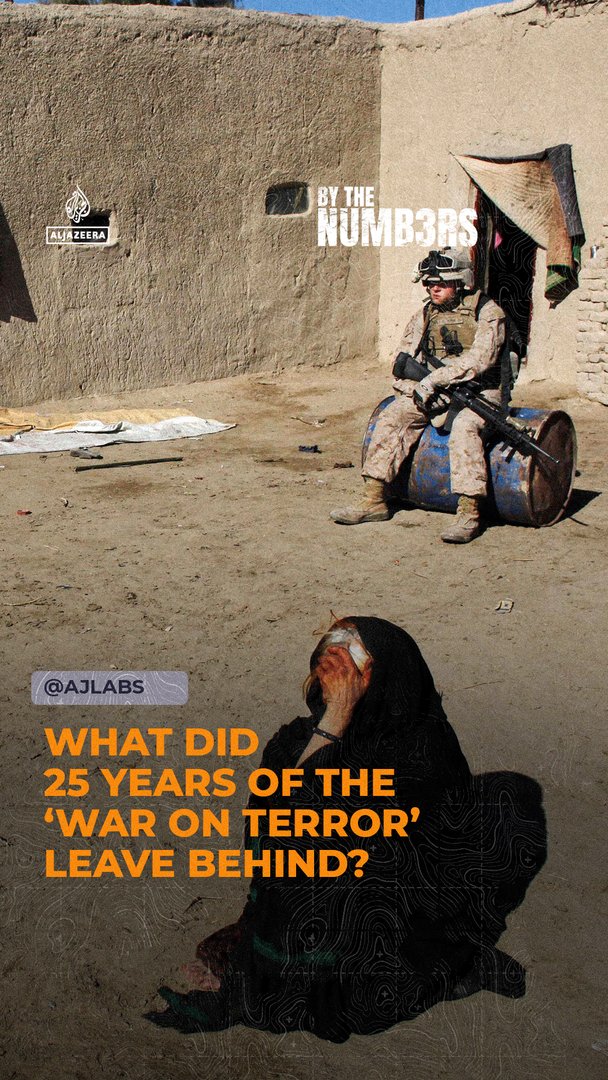
Mistakes, mistrust and misdirection: 25 years after 9/11, its dark legacy continues to unfold
The world’s most powerful country responded to the worst terrorist attack in its history by inflicting terror of its own – around the world, and at home

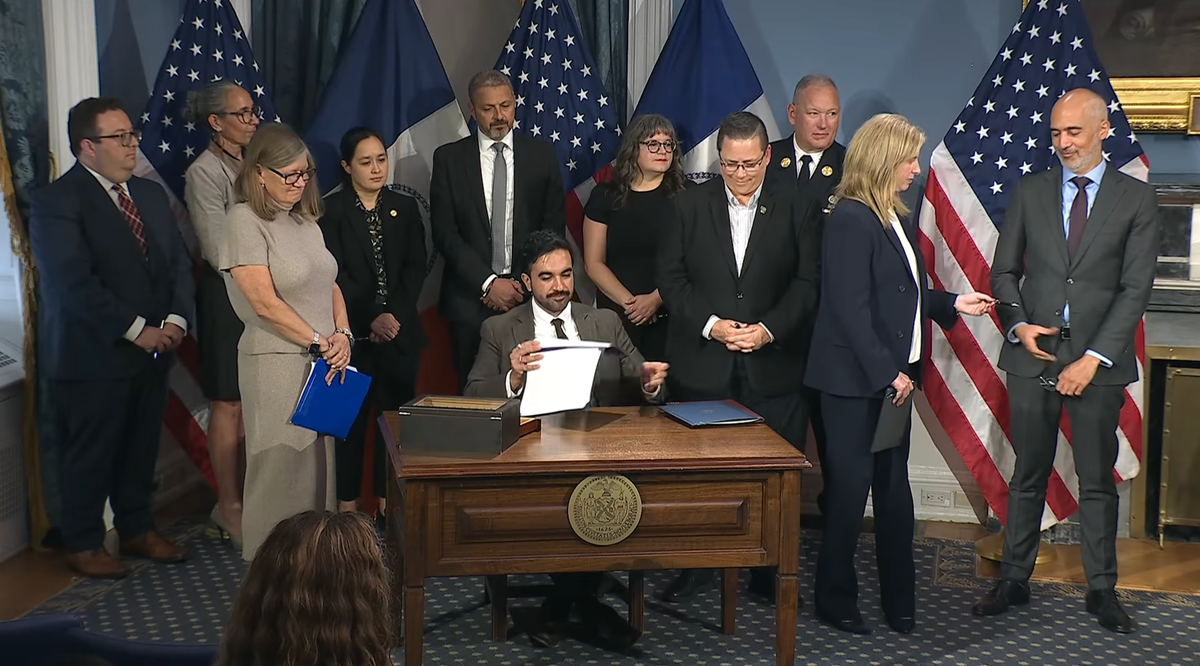
Facing Islamophobia, Mamdani Keeps Focus on 9/11 Victims
In recent weeks, Mayor Zohran Mamdani has visited firehouses around New York City as part of an effort to direct the public’s attention toward the victims, and away from himself.

Facing Islamophobia, Mamdani Keeps Focus on 9/11 Victims
In recent weeks, Mayor Zohran Mamdani has visited firehouses around New York City as part of an effort to direct the public’s attention toward the victims, and away from himself.
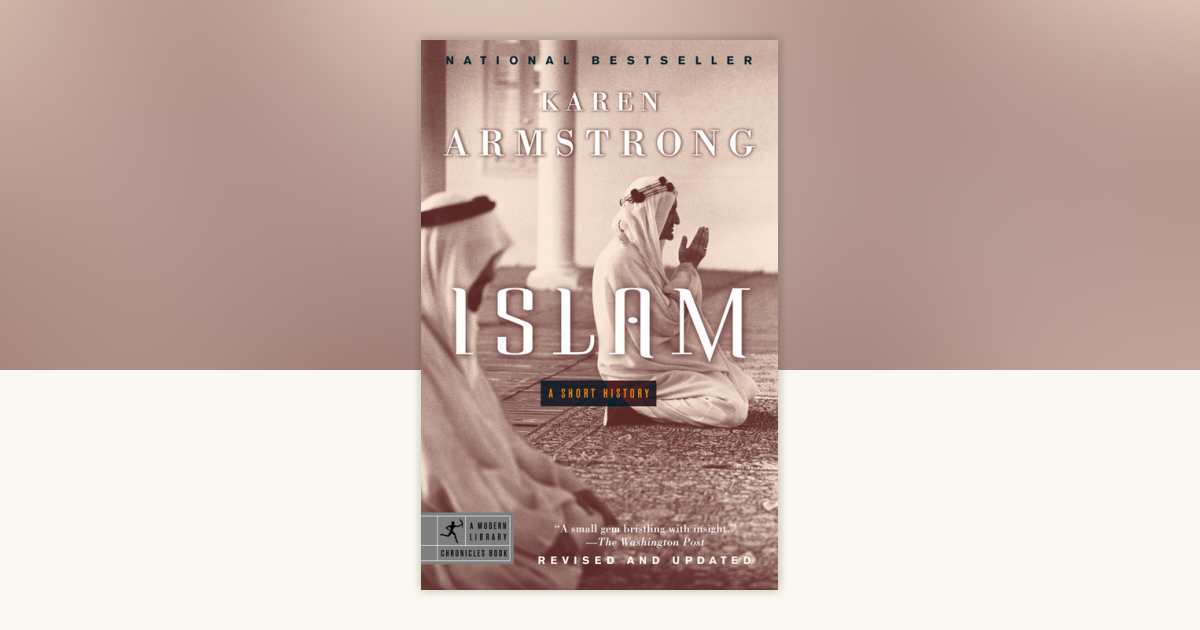
Islam by Karen Armstrong: 9780812966183 | PenguinRandomHouse.com: Books
No religion in the modern world is as feared and misunderstood as Islam. It haunts the popular imagination as an extreme faith that promotes terrorism, authoritarian government, female oppression,...
Since 9/11, Fear Has Driven Our Politics. Don’t Let It Drive The Next 25 Years.
Twenty-five years ago today I was woken up by a phone call from a close friend, who, like me, grew up in New York and, like me, was now living in California. She told me that something horrible had…

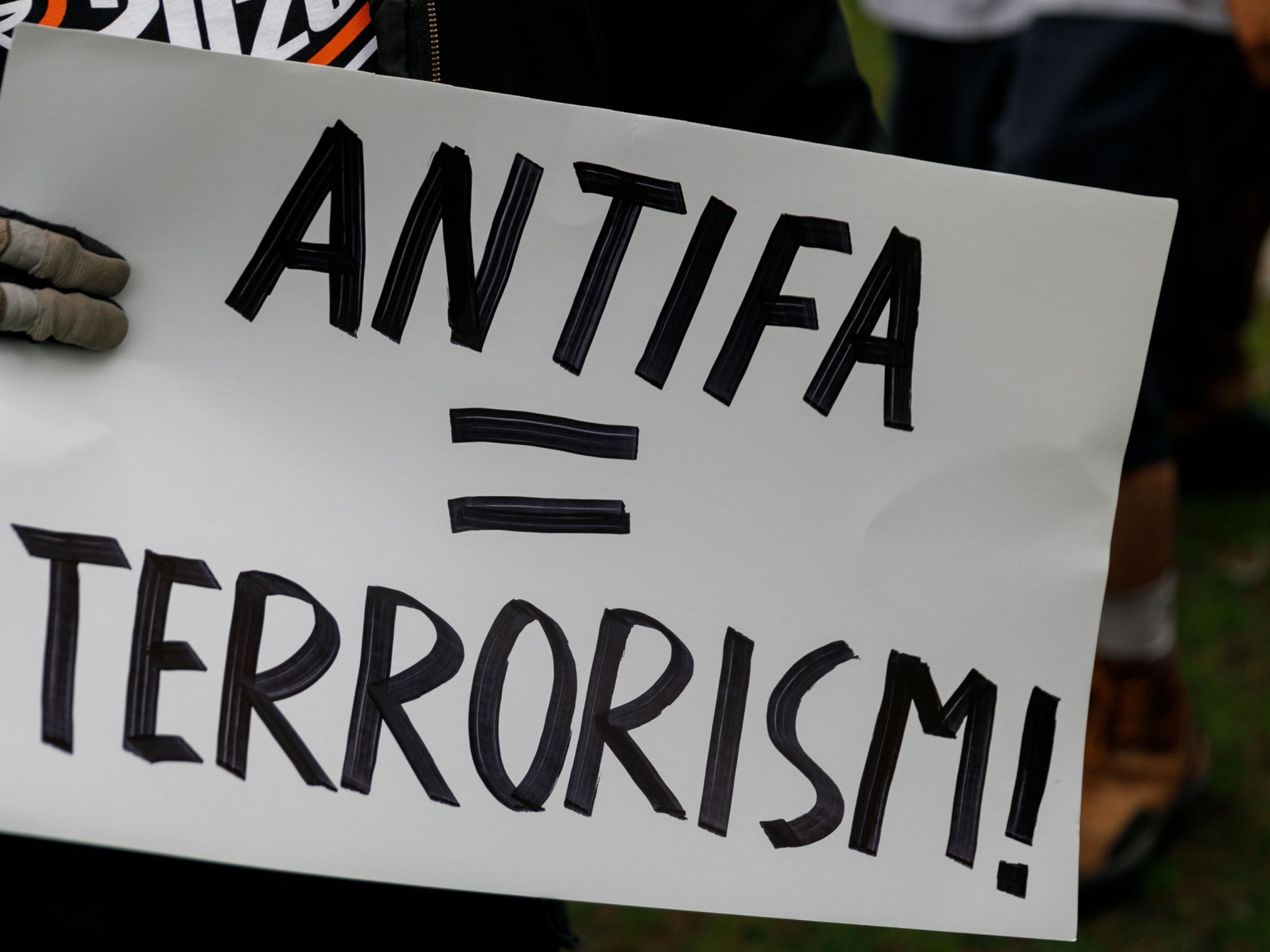
25 years after 9/11, our definition of terrorism continues to expand : Code Switch
In the 25 years since 9/11, we've seen the definition of terrorism expand. The Trump administration has called more and more groups “terrorists,” from “narco-terrorists” in Ecuador to people who protest ICE to the entire Democratic party. This week, our conversation with Saher Selod, an expert on the surveillance of Muslims, about the effects of the war on terror after 9/11, and historian Alex Lubin about how the word “terrorist” has been used to enact violence and surveillance.Support public media with NPR+ and enjoy perks for over 25 podcasts like this one. This show’s perks include sponsor-free listening. Learn more at plus.npr.org.
Q&A: The Myth of "Radicalization" | American Civil Liberties Union
>What’s wrong with radicalization? >What's at Stake? > What's The Proper Role For Law Enforcement? > What's The Bottom Line? WHAT'S WRONG WITH “RADICALIZATION”? The word “radicalization” is commonly used in public and policy discourse, but what people mean by it varies and there’s no single agreed-upon definition. The problem is that government policies and programs are based on a theory of “radicalization” that assumes a process through which people turn to violence because of radical or extreme beliefs. This theory is unscientific and discredited — and government programs based on it result in monitoring or suppression of First Amendment-protected beliefs and ideas. For example, this dangerous radicalization theory is being applied to American Muslim communities, most recently in the form of “countering violent extremism ” programs. According to this theory, the adoption or expression of “extreme” or “radical” religious ideas or practices places individuals on a path toward terrorism or violence, and there are observable “indicators” that can identify those who are “vulnerable” to “radicalization.” This is false. The ACLU has repeatedly provided statements to Congress — in 2009, 2010, 2011, and 2012 — to explain the factual and methodological flaws in reports that promote this radicalization theory. Our allies have also written reports debunking the theory. As we and others have explained, despite years of study and experience in the United States and elsewhere, researchers have not identified criteria or behavioral indicators that can be used to reliably predict who will commit an act of terrorism or political violence. Simply put, religious beliefs and practices do not correlate with a propensity toward violence. Instead, the freedom to engage in these activities goes to the core of what it means to be an American. Cloaking American Muslims — or any other belief communities — with suspicion puts at risk the freedom of religion, gives the appearance of official endorsement of one set of religious beliefs over another, and threatens to chill free association and free speech. WHAT'S AT STAKE? The radicalization myth threatens the fundamental freedoms of American Muslims and all Americans. Government efforts to inquire whether American Muslims — or anyone else — holds “radical” or “extreme” beliefs, however those are defined, stigmatize entire communities and promote a climate of fear and self-censorship. Our values are undermined when people forsake religious exercise, political discussions, and intellectual debate to avoid being branded as extreme or at risk of “radicalization.” Probing people’s thoughts and beliefs also engenders distrust of the government and undermines the relationship between communities and law enforcement. For example, it can cripple government efforts to demonstrate to Muslims at home and abroad that the United States seeks to live up to its ideals in its equal treatment of all Americans, including Muslims, and is not engaged in a “war against Islam.” More broadly, our nation’s founders recognized that radical beliefs that challenge social and political orthodoxies are valuable and necessary for a vibrant society and democracy. That is why First Amendment, which protects the freedoms of belief, religion, speech, and association, occupies a special place in our history and in the Constitution. Unfortunately, though, government suspicion of beliefs and unsupported theories of “radicalization” are nothing new, and our nation’s history shows they are often used to target minorities or those who dissent. For example, during World War I, Congress banned anti-war speech and the FBI conducted investigations of Americans’ political beliefs to identify purported radicals and opponents. Erroneous theories of eugenics supported racist immigration policies and Jim Crow anti-miscegenation laws for decades. Misguided “red” scares and racism drove abominable policies like blacklists, McCarthyism, and Japanese internment. And the FBI infamously spied on civil rights movement leaders in the name of national security during the J. Edgar Hoover era. WHAT'S THE PROPER ROLE FOR LAW ENFORCEMENT? The protections built into the Constitution help ensure that law enforcement officers focus their investigative resources where there is evidence of wrongdoing or criminal activity. The police can conduct an investigation when they have reasonable suspicion to believe that a crime has been, or is being, committed. But the standard for initiating or widening an investigation must be rigorous enough to focus security resources on criminal activity and prevent abuse. One form of such abuse occurs when officers investigate or monitor people based on their religious beliefs or practices. Former Attorney General Eric Holder rightly stated that “law enforcement has an obligation to ensure that members of every religious community enjoy the ability to worship and to practice their faith in peace, free from intimidation, violence or suspicion. That is the right of all Americans. And it must be a reality for every citizen. In this nation, our many faiths, origins, and appearances must bind us together, not break us apart.” Too often, though, law enforcement and intelligence have targeted religious, racial, ethnic, or national origin communities for monitoring and suspicion. In the case of American Muslims, “countering violent extremism” initiatives may task communities with reporting to law enforcement about individuals’ radical or extreme beliefs. Although warning law enforcement of threats is indeed a shared civic and social responsibility, it would be illegal, unfair, and impractical for law enforcement officials to require any religious or belief community to prove its loyalty to this country by monitoring or “informing” on its members. To the contrary, American Muslims, like the rest of this country's citizens, have the right to protest illegal, overzealous or abusive government security measures and to vigorously exercise, and encourage others to exercise, rights guaranteed in the Constitution. Some in American Muslim communities have also expressed legitimate concerns about whether those who volunteer information to law enforcement will find themselves threatened with legal jeopardy. Individuals should speak to lawyers before talking to law enforcement — and know that refusing to talk to law enforcement without a lawyer is a constitutional right. WHAT'S THE BOTTOM LINE? The government’s “radicalization” theory has become a euphemism for religious and ideological profiling. It leads to discrimination and stigmatization, and is fundamentally un-American. Casting suspicion on American faith or belief communities is wrong and does nothing to make us safer.
The Anti-Mamdani 9/11 Bigotry Has Become the Stupidest News Cycle Yet
Bigoted City councilmembers and pathetic Wall Street Journal blowhards are melting down over the stupidest nonsense.
How 9/11 changed the way America surveils its citizens • Stateline
The terrorist attacks of Sept. 11, 2001, transformed how American intelligence and law enforcement agencies collect, share and analyze information. Twenty-five years later, that infrastructure has merged with a digital world capable of generating vast amounts of data about Americans — and artificial intelligence is making it easier to connect and analyze that information. The result is a surveillance system far more powerful than anything imaginable in 2001, raising new questions about privacy, policing and civil liberties.

‘War on terror’: How 9/11 changed the language of conflict
The events of September 11, 2001 spawned a new lexicon which effectively sanitised the erosion of human rights.
Americans Have One Very Strange Cognitive Bias
Or: How I learned to stop worrying and love The People.
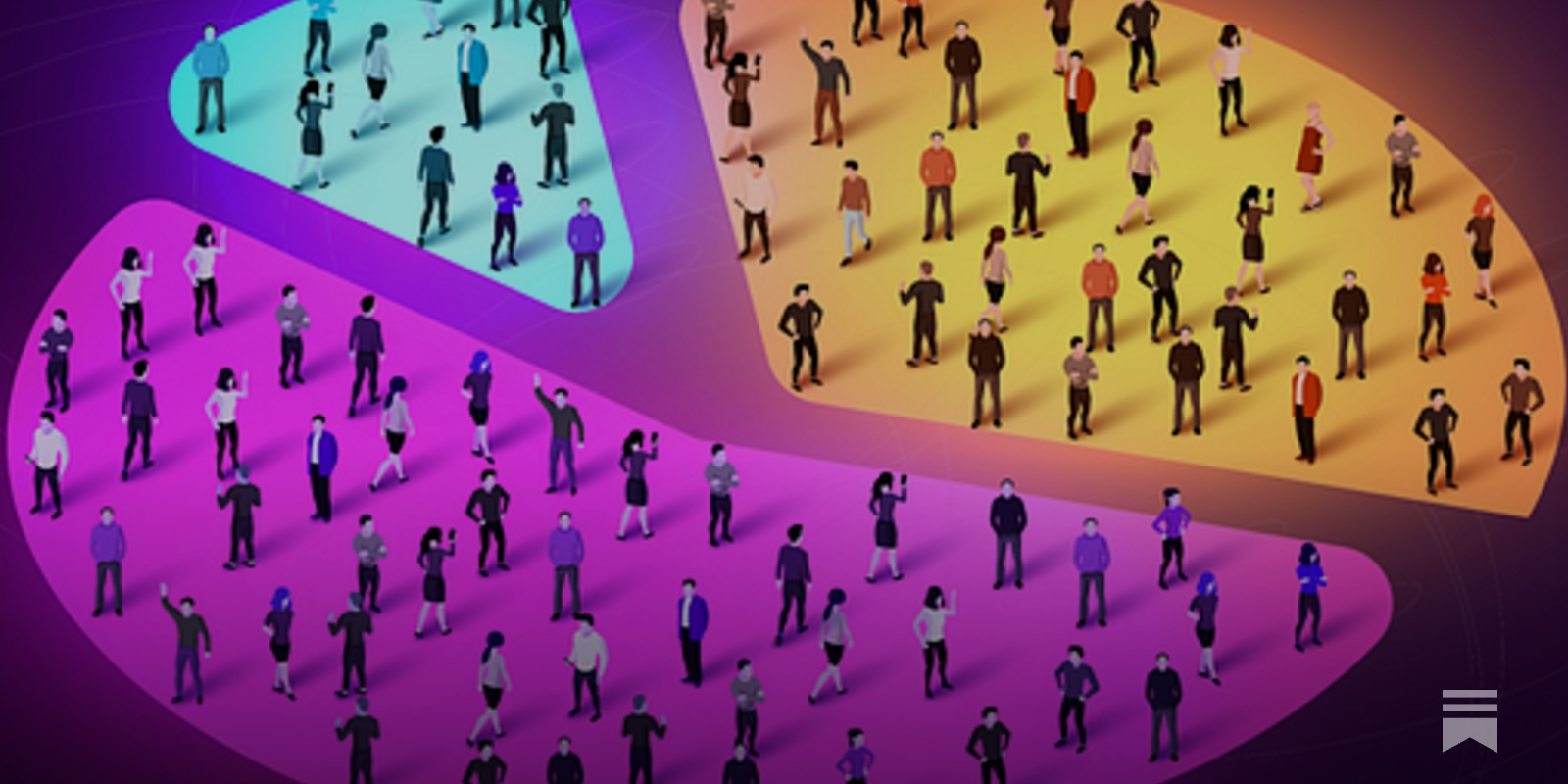
The main way I've seen people turn ideologically crazy
Don't update positively on your extremist beliefs whenever you hear a bad argument against them

Senator Scott Wiener (@scottwiener.bsky.social)
The normalization of anti-Muslim rhetoric is reaching new levels. Yes, Loomer is nuts, but her extremist views at times become mainstream GOP thinking. Muslims are part of our nation’s fabric, just as Christians & Jews are. We’re all American. This bigotry needs to stop. https://www.mediamatters.org/laura-loomer/laura-loomer-pitches-banning-muslims-running-office-members-congress
When protests normalize intolerance: The hidden costs of far-right demonstrations
Large crowds expressing xenophobic views publicly can signal that such beliefs are socially acceptable or mainstream, influencing others to think this behavior is normal
Now why did CBS's chief legal correspondent think it would be fine to tweet some rank Islamophobia? theguardian.com/media/2026/oct/18/cbs-reporte…

CBS reporter apologizes and deletes post praising Abdul El-Sayed heckler
www.theguardian.com
Steve Vladeck
This is a really striking tweet.
