


Working with the United Nations, scientists hope to establish standards for satellite ‘megaconstellations’ and reduce disruption of astronomical observations.
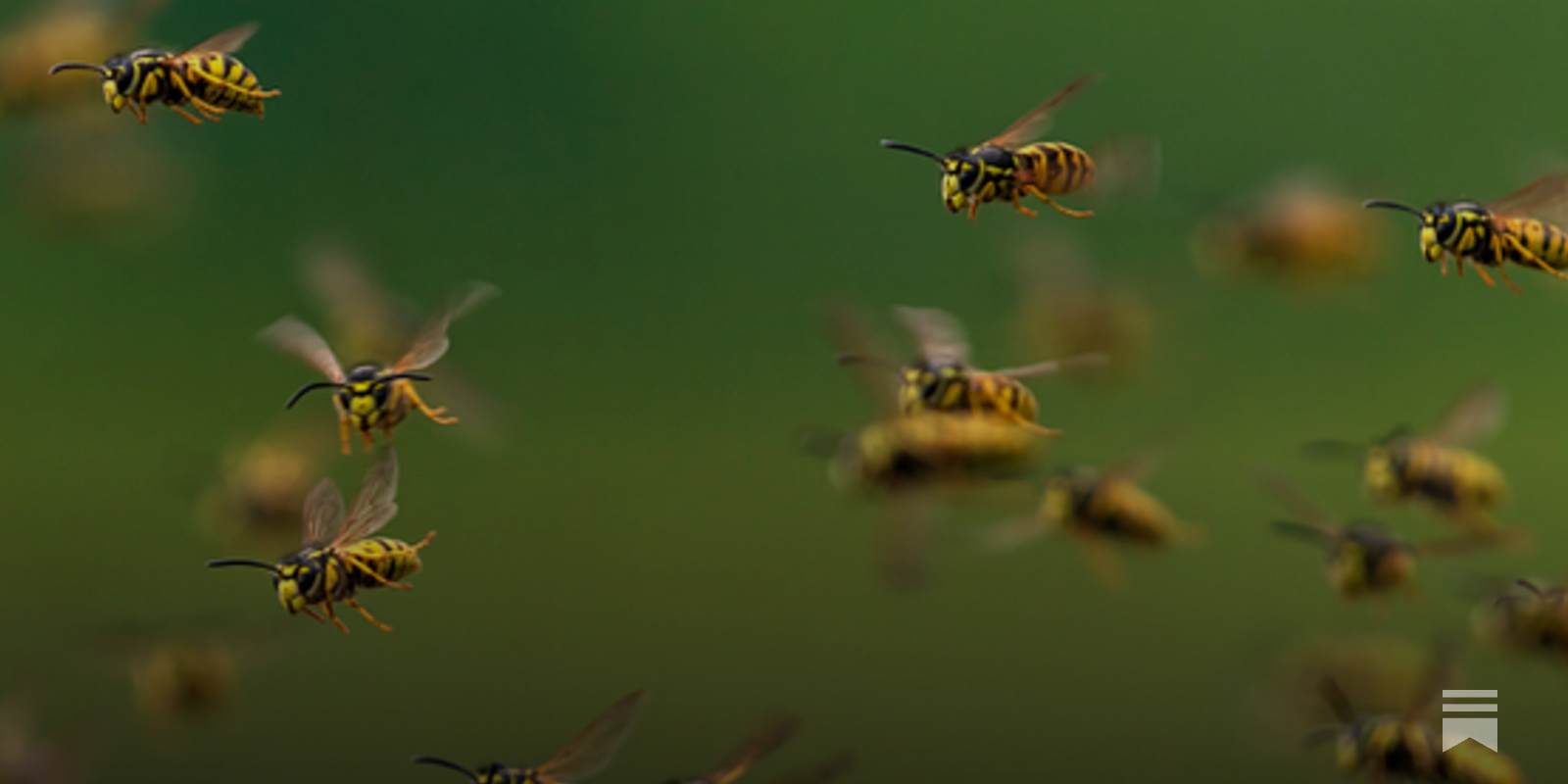
Swarm Intelligence
Here is a possible world 50 years in the future, one I think is more likely than the scenario most people expect, which is one huge AI in the sky.
Big Team Science Conference
The goal of the annual Big Team Science Conference is to bring together a multidisciplinary group of researchers, funders, and stakeholders to discuss advancements, challenges, and future opportunities related to large scientific collaborations. The fifth Big Team Science Conference was held virtually via Zoom, October 6-8, 2026. Information about the...

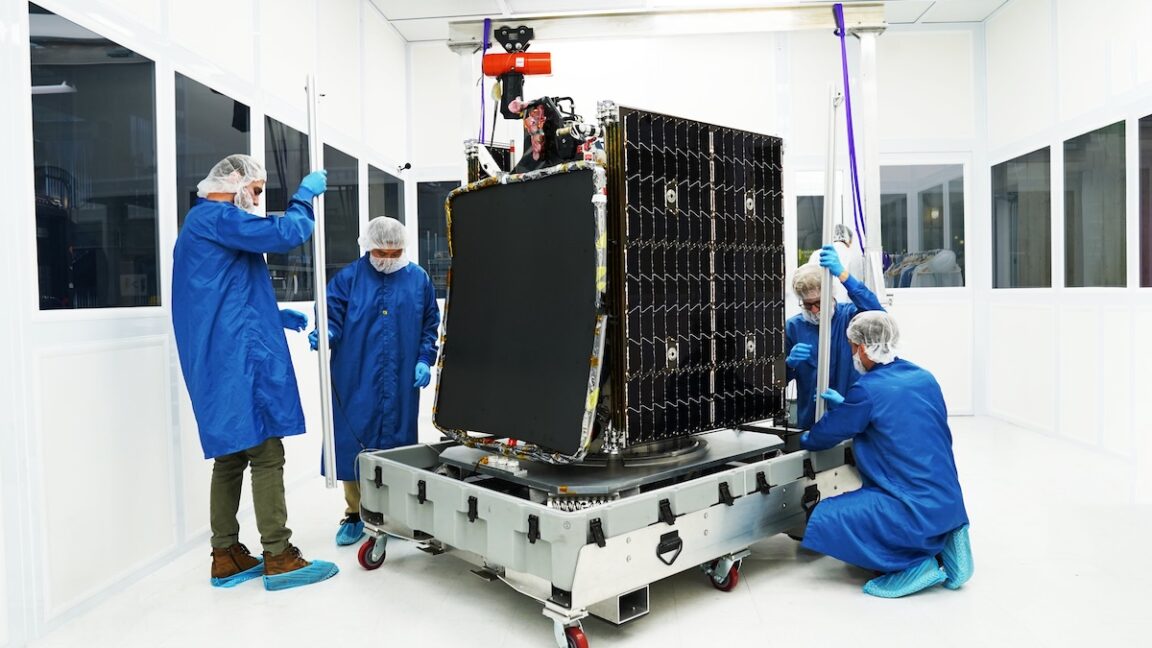
Space Force official: Commercial satellites can do a lot more than we thought
They could shave off about a third of the time and over half the cost."
How and When to Involve Crowds in Scientific Research | James Evans
The lone academic in a basement lab is an endangered species. Years ago I asked Paul Ginsparg, who founded arXiv, what features his machine-learning filter used to flag speculative submissions. The top three: single-authored, submitted on a weekend, and heavy citation of Newton and Einstein. Science is a contact sport now. Marion Poetz and Henry Sauermann's How and When to Involve Crowds in Scientific Research (https://lnkd.in/g5pwVbfD) is the field manual. What crowds can do: Volume. Zooniverse mobilizes 2.7 million people to classify galaxies and court records. Galaxy Zoo's co-founder hand-classified 50,000 galaxies in one week before concluding that isolation would break him. Reach. NASA spent years failing to predict solar flares, then broadcast the problem. The winner was a semi-retired radio engineer in rural New Hampshire who swapped satellite data for radio data. Experience. Patients and caregivers asked to generate research questions produced 826 that scientists had missed, including the link between aging and wound healing. Bench-to-bedside runs backward. One caution the book underplays: an open call is not an inclusive one. Participation costs in time, money, and access screen people out. Self-selection can narrow the very diversity that makes crowds thrive. As AI floods the labor supply of routine, homogeneous cognition, human crowds become more valuable, not less. Machines process. People notice what nobody thought to ask. Check out my review @ https://lnkd.in/gkzvWrRC and the book @ https://lnkd.in/g5pwVbfD!

The importance of backfillability - Applied Meteorology
Our recently released tool to make it easier to backfill The Atmosphere is an important technical milestone. It's also deeply important to the goals of a decentralized protocol.
The Astrosky Ecosystem
We're building social media tools for the astronomy & space science communities. From feeds to hosting, we're billionaire-proofing scientific discussion for good.
When the Scientists Showed Up: Notes from ATmosphereConf 2026 - Nightflight
Why agent swarms could be the next “scaling law”
An OpenAI researcher called it “the most ‘feel the AGI’ moment that I had since reasoning models.”
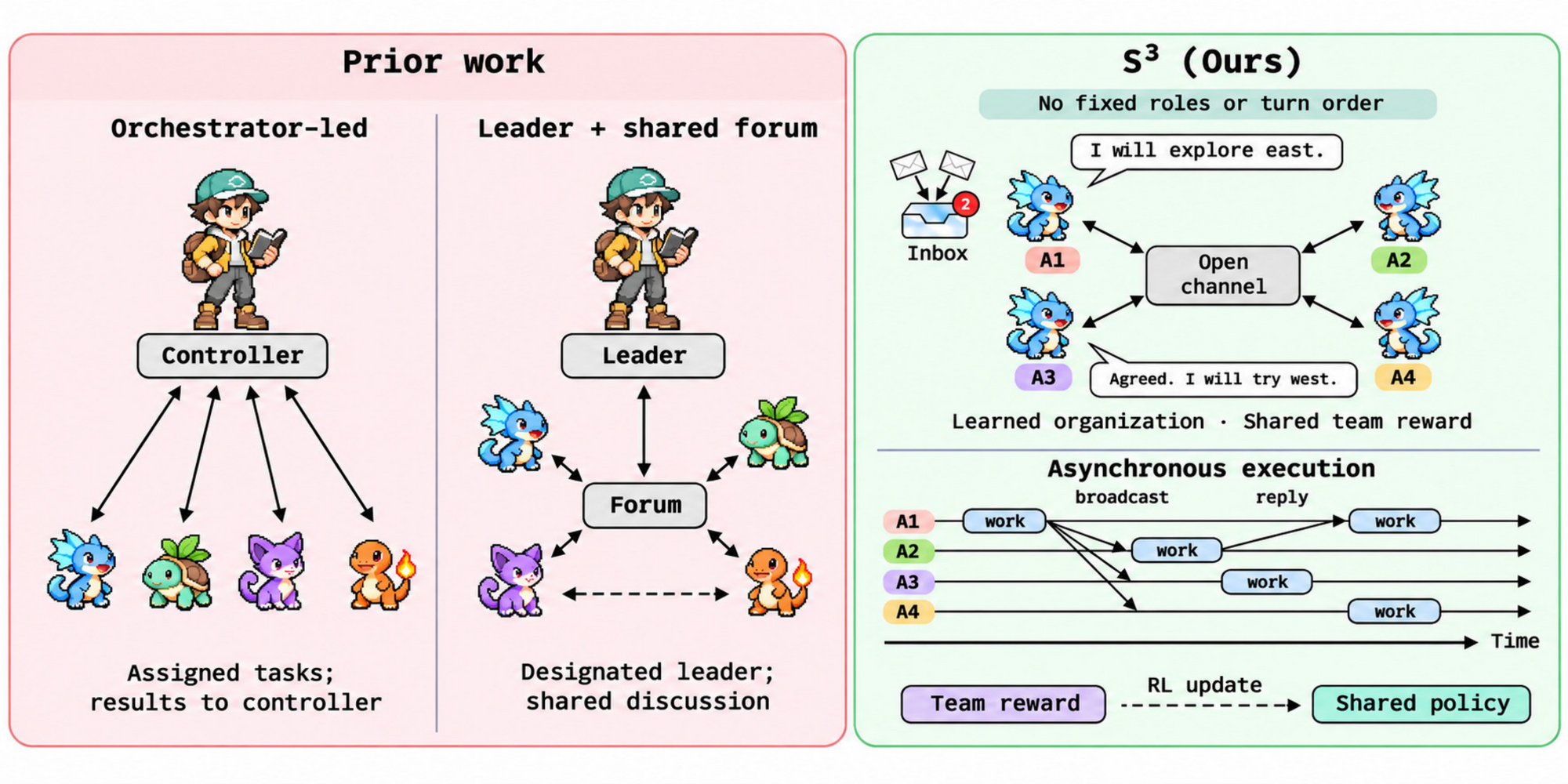
s³: Simple Scaling of Swarms
Asynchronous, role-free LLM swarms learn emergent coordination with one shared reward, beat best-of-N, and scale past their training size.
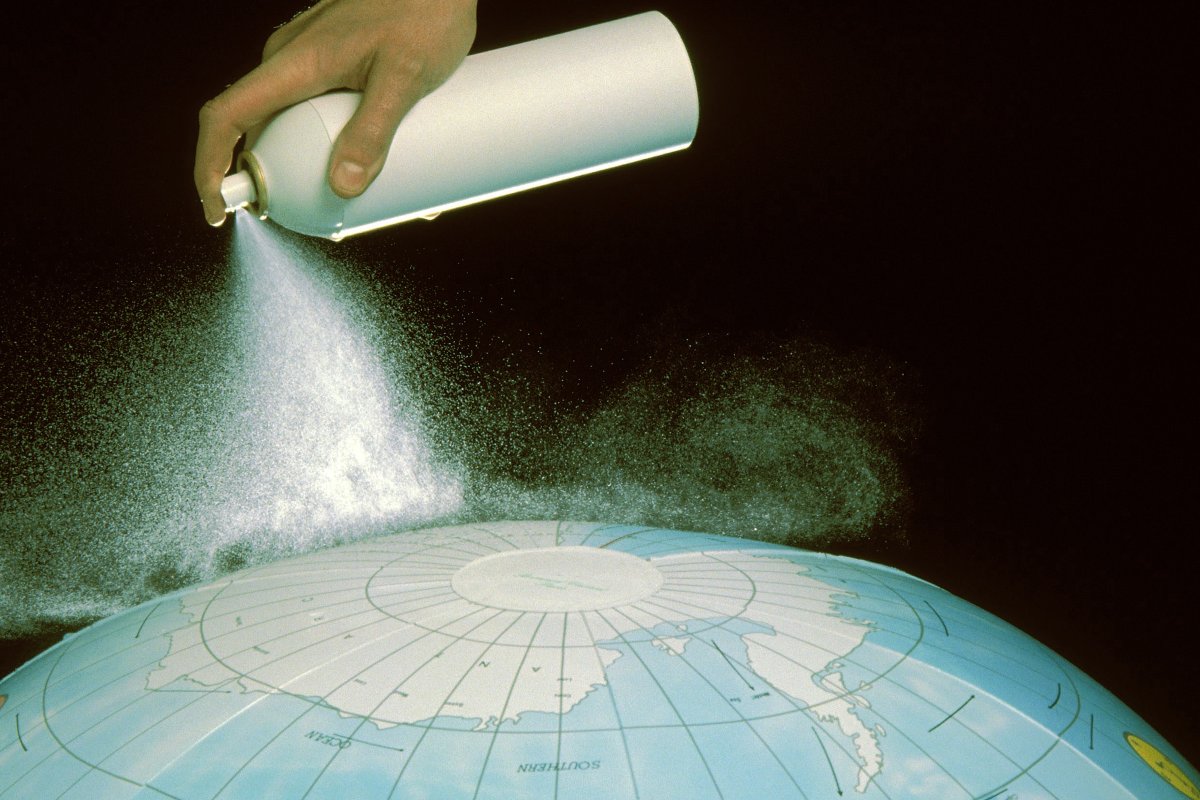
Research Paper Warns That There’s a Massive Experiment at Work to Geoengineer the Earth’s Climate
While scientists debate the risks of tampering with our climate, scientists say there's already a huge geoengineering experiment unfolding.
Introducing the Protocol Institute
Building a field and community to steward the planetary-scale process of protocolization
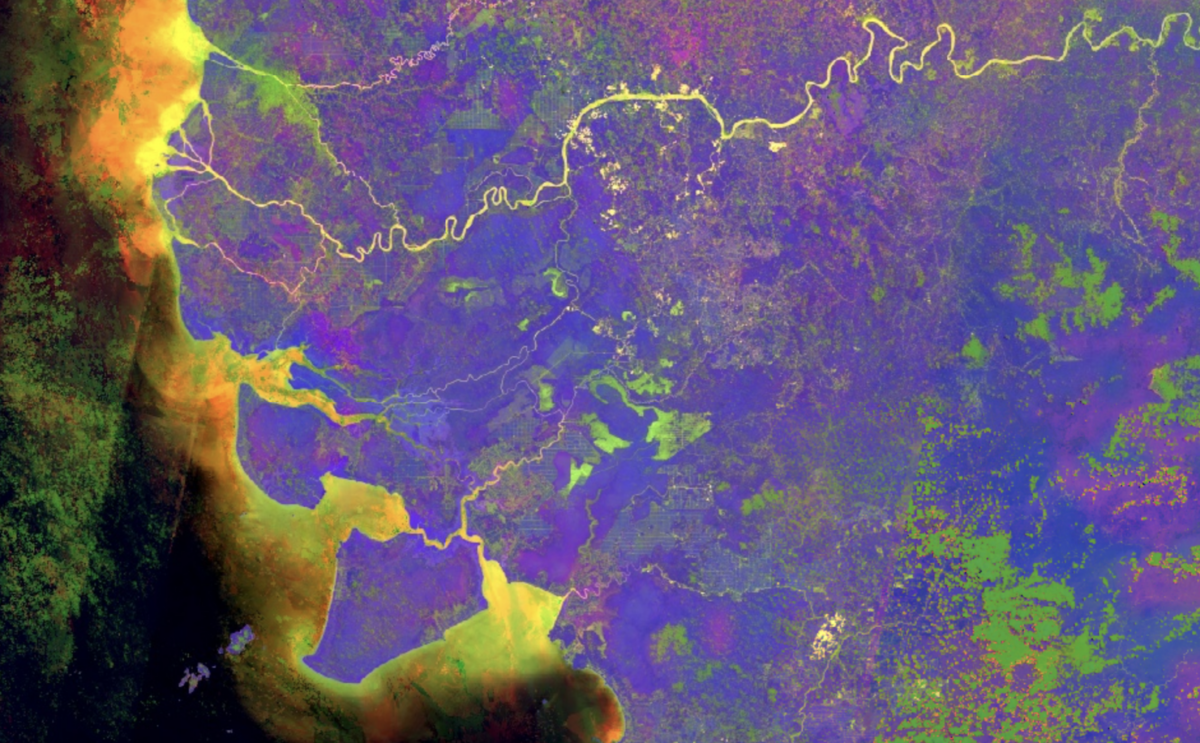
A Beginner’s Guide to Seeing More With Satellite Imagery
Multispectral satellite images can reveal useful information about the world, such as mining activity and changes in vegetation.
Swarm Simulator
An incremental game. Starting with just a few larvae and a small pile of meat, grow a massive swarm of giant bugs.
My hack project before #AtmosphereConf @atproto.science: try and set up live streaming of scientific data (e.g. astronomical transients) on AT Protocol, which would give a decentralized & authenticated way to broadcast time-critical scientific results worldwide

GitHub - the-astrosky-ecosystem/nebra: Stream or send time-critical scientific data live and for free on the ATProtocol.
github.com