


Separating urine from the rest of sewage could mitigate some difficult environmental problems, but there are big obstacles to radically re-engineering one of the most basic aspects of life.
Home
The Rich Earth Institute recycles human urine into fertilizer. This work supports sustainable agriculture and protects vital water resources. Learn More
The no-flush movement: the unexpected rise of the composting toilet
We squander masses of clean water flushing away our own waste instead of using it as fertiliser. But a lavatorial eco revolution has now begun

How To Use Pee In Your Garden
If you can get over the ewwww factor, pee-cycling your own urine into the garden makes good sense. Fresh urine is high in nitrogen, moderate in phosphorus and low in potassium and can act as an excellent high-nitrogen liquid fertilizer or as a compost accelerator.

Biological Fertiliser - Human Urine
Regenerative Agriculture, Polyculture, Ecology, Regenerative Landscape Desing, Permaculture, Gardening, Ecological Gardening

Precious Plastic | Reducing plastic waste, everywhere
Join a global community reducing plastic waste. Build open-source recycling machines, learn from 40K+ recyclers and turn waste into products. Free to start.
‘Humanure’: RHS plans rollout of first compost toilet to fertilise flowerbeds
The horticultural charity’s showpiece garden in Surrey is setting aside an space to test human waste fertiliser

It's never been easier to keep waste from landfills, but are you doing your part? | CBC News
'You have to find your why and for me it started out with the environment and I needed to feel like I was doing my part,' says zero waste blogger Katelin Leblond. 'For some people it's the financial aspect, some people it's the minimalist aspect but I have yet to meet a person who has adopted any sort of level of zero waste that has regretted it.'

Absolutely wasted: the inner-city garden using food scraps to create top grade soil
An urban compost project has fostered an ingenious way to turn all kinds of waste food into fertiliser

Three Pillars Project: The Complete Framework for a Regenerative Civilization
The Three Pillars Project is a comprehensive multi-volume framework designed to provide the practical, philosophical, and institutional tools necessary to transition from an extractive economy to a regenerative civilization. This collection operates on the premise that true sustainability requires three pillars: physical tools for abundance (Pillar 1), a shift in human consciousness (Pillar 2), and ethical governance to protect them (Pillar 3). This Item contains the following files: PILLAR 1: The Practical Foundation (Engineering & Agriculture) File: The Regenerative Household Manual.pdf (From Waste to Abundance, Vol. 1) The Practitioner's Guide. A handbook for household and neighborhood resilience, detailing low-tech methods for turning waste into food, soil, and energy through mycology, aquaponics, and fermentation. File: The IBHCC Revolution.pdf (From Waste to Abundance, Vol. 2) The Industrial Guide. Details the Integrated Biomass-Hydro Combined Cascade (IBHCC), a theoretical energy architecture that utilizes waste heat, gravity, and pressure multiplication to power regional infrastructure. PILLAR 2: The Philosophical Heart (Consciousness & Spirit) File: The Ocean's Tapestry - Advance Copy.pdf A deep exploration of consciousness that weaves together ancient wisdom traditions (Eastern, Indigenous, Mystical) with modern science (Quantum Mechanics, AI) to cultivate the inner awareness necessary to wield regenerative technology responsibly. PILLAR 3: The Institutional Framework (Law & Governance) File: The Regenerative Governance Model & CAL License.pdf Introduces a new organizational structure and the Community Abundance License (CAL), a novel legal framework designed to keep regenerative innovations free for those who need them most (marginalized communities, LDCs) while preventing co-optation by extractive entities. LICENSE INFORMATION: This body of work is licensed under the Community Abundance License v1.0 - Basic Edition (CAL-1.0-Basic). Free Use: Individuals under $250k income, non-profits, and residents of UN-designated LDCs/SIDS. Standard Use: All others may use this work under Creative Commons Attribution-NonCommercial-NoDerivatives 4.0 International (CC BY-NC-ND 4.0). Prohibited: Weapons manufacturers and for-profit prisons.

All my trash for a year fit into two plastic bags. Here’s how I did it.
Giving up plastic forks, new clothes and even toilet paper for an exercise in conservation.
Better Tomatoes Via a Fertilizer of…Human Urine?
You say tomayto, I say tomahto. You say Miracle-Gro, I say ... pee. Apparently, human urine works remarkably well as a fertilizer for tomatoes, according to a new study out of Finland. Plants fertilized with a mixture of stored human urine and wood ash produced 4.2 times more fruit than plants without the pee, the study found. The urine-fertilized tomatoes had more beta-carotene than unfertilized ones, and much more protein than traditionally fertilized plants.

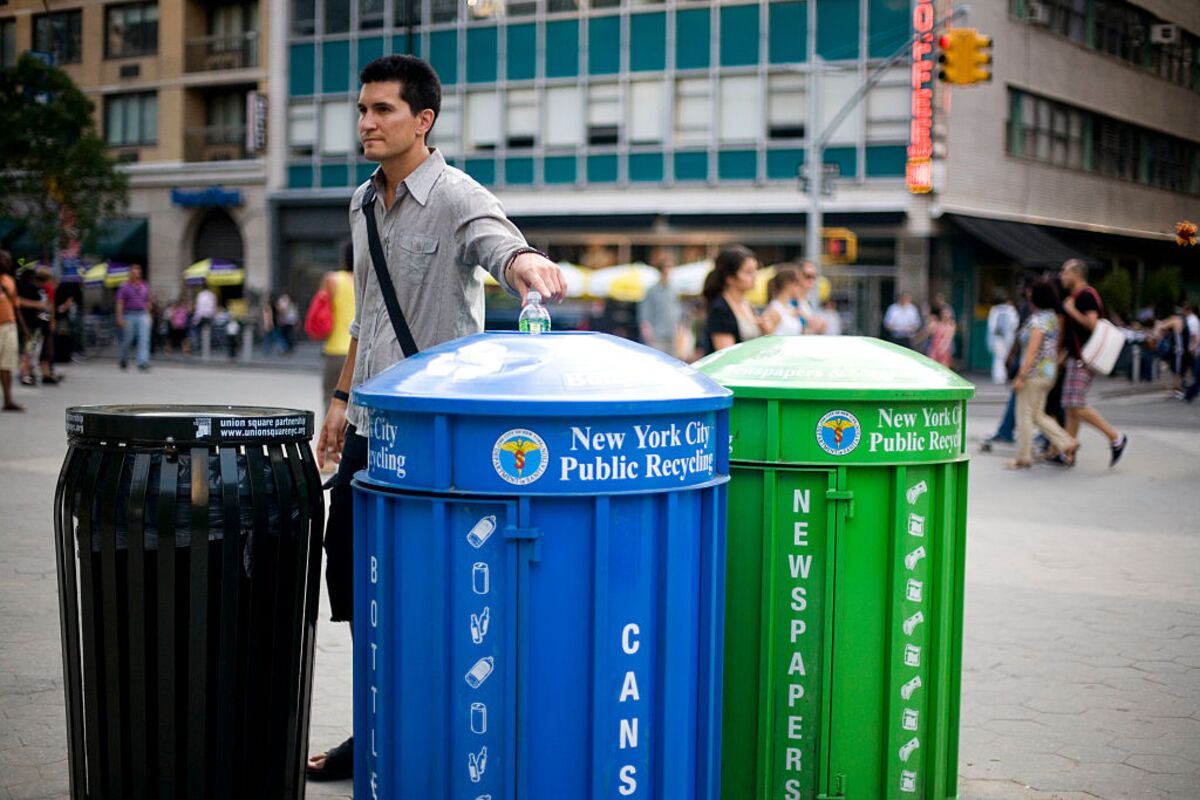
Plastic Recycling Is a Problem Consumers Can't Solve
Even if you put everything into the right blue bins, a lot of plastics will end up in landfills and the ocean. Consumers can't solve this problem.
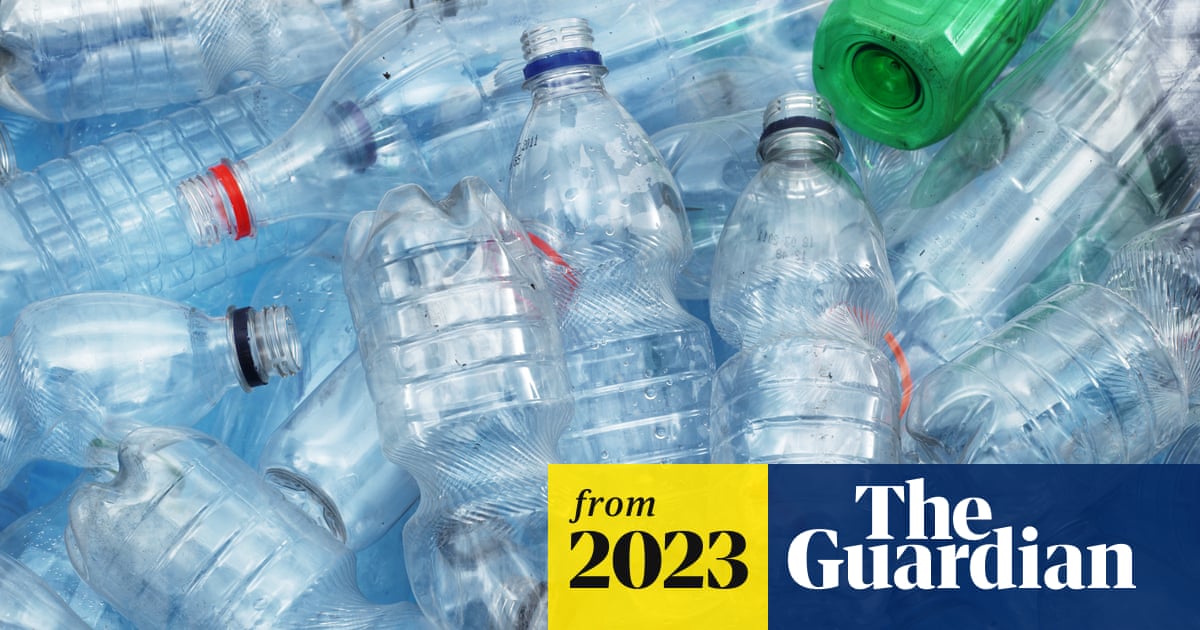
Recycled plastic can be more toxic and is no fix for pollution, Greenpeace warns
Campaign group says plastics are incompatible with circular economy as countries prepare for treaty talks
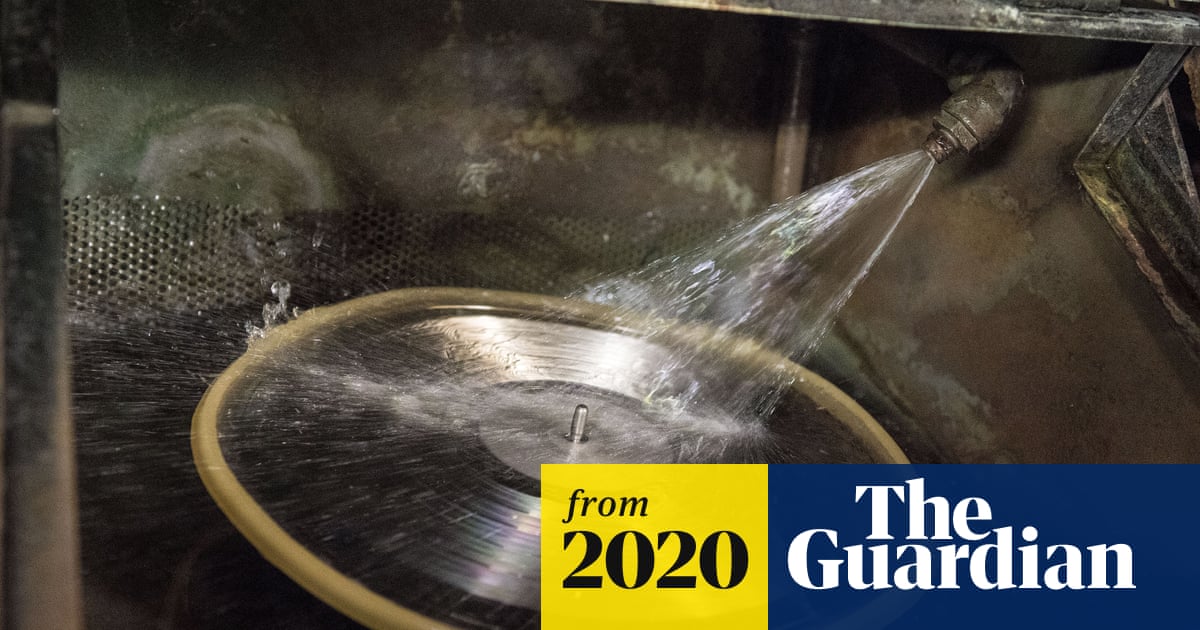
Nightmares on wax: the environmental impact of the vinyl revival
From toxic wastewater to greenhouse gas emissions, the boom in vinyl has dangerous effects – but streaming isn’t as clean an alternative as it looks
Emerging contaminants: A One Health perspective
Environmental pollution is escalating due to rapid global development that often prioritizes human needs over planetary health. Despite global efforts to mitigate legacy pollutants, the continuous introduction of new substances remains a major threat to both people and the planet. In response, global initiatives are focusing on risk assessment and regulation of emerging contaminants, as demonstrated by the ongoing efforts to establish the UN’s Intergovernmental Science-Policy Panel on Chemicals, Waste, and Pollution Prevention.

B.C. is a recycling leader, but experts say it's time to turn to waste reduction | CBC News
British Columbia is a leader in how it collects and recycles waste from people's homes — some 90 per cent of all containers and paper are recycled — but can residents adapt their habits to use less?
