


Survey highlights experiences of dozens of climate researchers who have endured online harassment related to their work.
An insider’s story of the global attack on climate science
An epic saga of secretly funded climate denial and harassment of scientists.
Play nice! How the internet is trying to design out toxic behaviour
Online abuse can be cruel – but for some tech companies it is an existential threat. Can giants such as Facebook use behavioural psychology and persuasive design to tame the trolls?
I am a 15-year-old girl. Let me show you the vile misogyny that confronts me on social media every day | Anonymous
Objectification, hate, rape threats: the politicians debating online abuse mean well, but to truly understand, they need to see what I see
Morally Motivated Networked Harassment as Normative Reinforcement
While online harassment is recognized as a significant problem, most scholarship focuses on descriptions of harassment and its effects. We lack explanations of why people engage in online harassment beyond simple bias or dislike. This article puts forth an explanatory model where networked harassment on social media functions as a mechanism to enforce social order. Drawing from examples of networked harassment taken from qualitative interviews with people who have experienced harassment ( n = 28) and Trust & Safety workers at social platforms ( n = 9), the article builds on Brady, Crockett, and Bavel’s model of moral contagion to explore how moral outrage is used to justify networked harassment on social media. In morally motivated networked harassment, a member of a social network or online community accuses a target of violating their network’s norms, triggering moral outrage. Network members send harassing messages to the target, reinforcing their adherence to the norm and signaling network membership. Frequently, harassment results in the accused self-censoring and thus regulates speech on social media. Neither platforms nor legal regulations protect against this form of harassment. This model explains why people participate in networked harassment and suggests possible interventions to decrease its prevalence.

The Slander Industry (Published 2021)
Who makes money from destroying reputations online?

Digital Social Norm Enforcement: Online Firestorms in Social Media
Actors of public interest today have to fear the adverse impact that stems from social media platforms. Any controversial behavior may promptly trigger temporal, but potentially devastating storms of emotional and aggressive outrage, so called online firestorms. Popular targets of online firestorms are companies, politicians, celebrities, media, academics and many more. This article introduces social norm theory to understand online aggression in a social-political online setting, challenging the popular assumption that online anonymity is one of the principle factors that promotes aggression. We underpin this social norm view by analyzing a major social media platform concerned with public affairs over a period of three years entailing 532,197 comments on 1,612 online petitions. Results show that in the context of online firestorms, non-anonymous individuals are more aggressive compared to anonymous individuals. This effect is reinforced if selective incentives are present and if aggressors are intrinsically motivated.
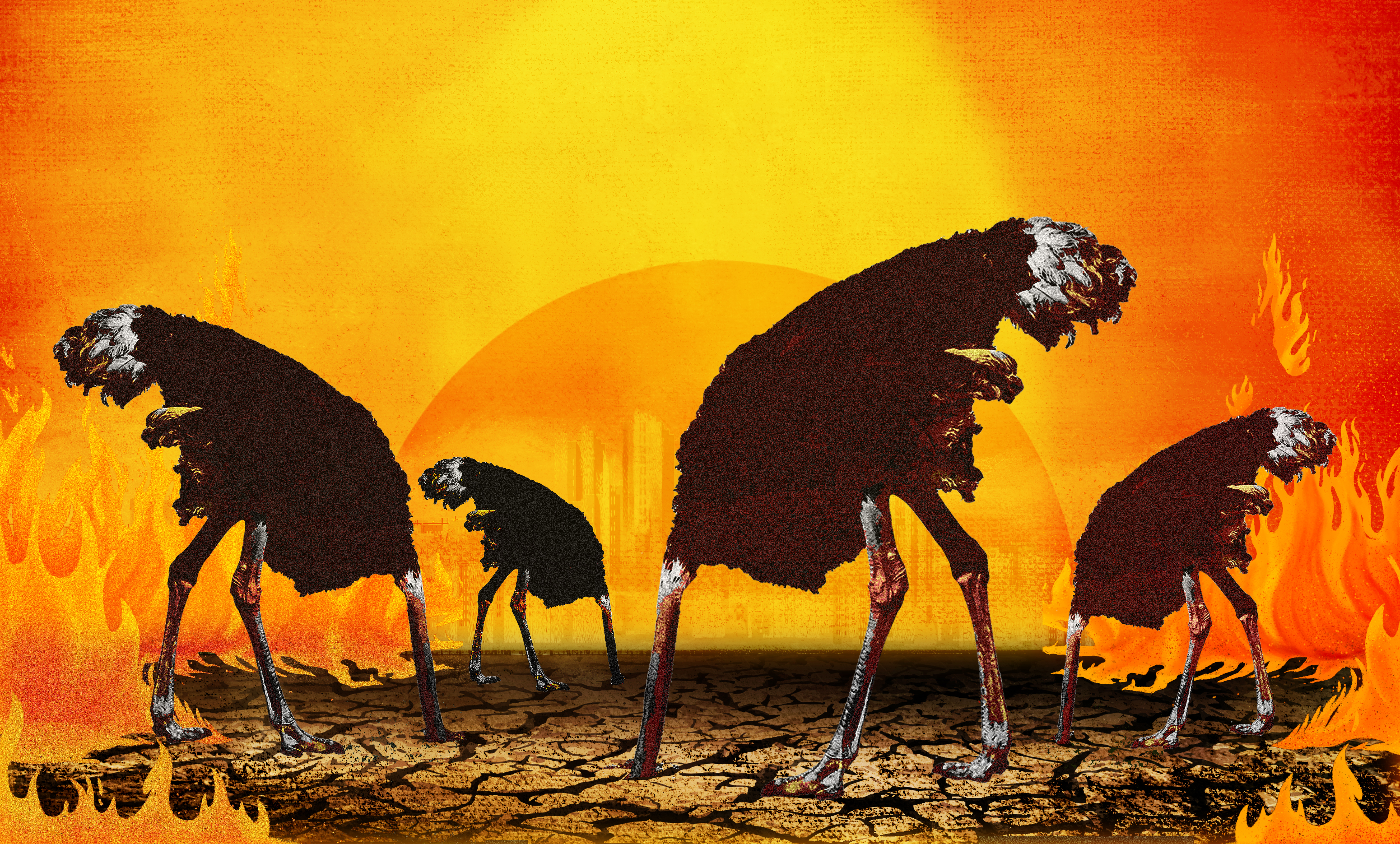
Natasha Walter: We’ve gone from climate denial to something worse – climate fatalism
The message in the western media, as global heating becomes undeniable, seems now to be that nothing can be done. That is unacceptable – especially for those in developing countries who are suffering so greatly from the crisis we created
Greta Thunberg
Recently I’ve seen many rumors circulating about me and enormous amounts of hate. This is no surprise to me. I know that since most people are not aware of the full meaning of the climate crisis...

Greta Thunberg
Recently I’ve seen many rumors circulating about me and enormous amounts of hate. This is no surprise to me. I know that since most people are not aware of the full meaning of the climate crisis...
Years Ago, Black Feminists Worked Together to Unmask Twitter Trolls Posing as Women of Color. If Only More People Paid Attention.
The fake accounts had handles like @NayNayCantStop, @LatrineWatts, and @CisHate, and bios like “Queer + black + angry.”
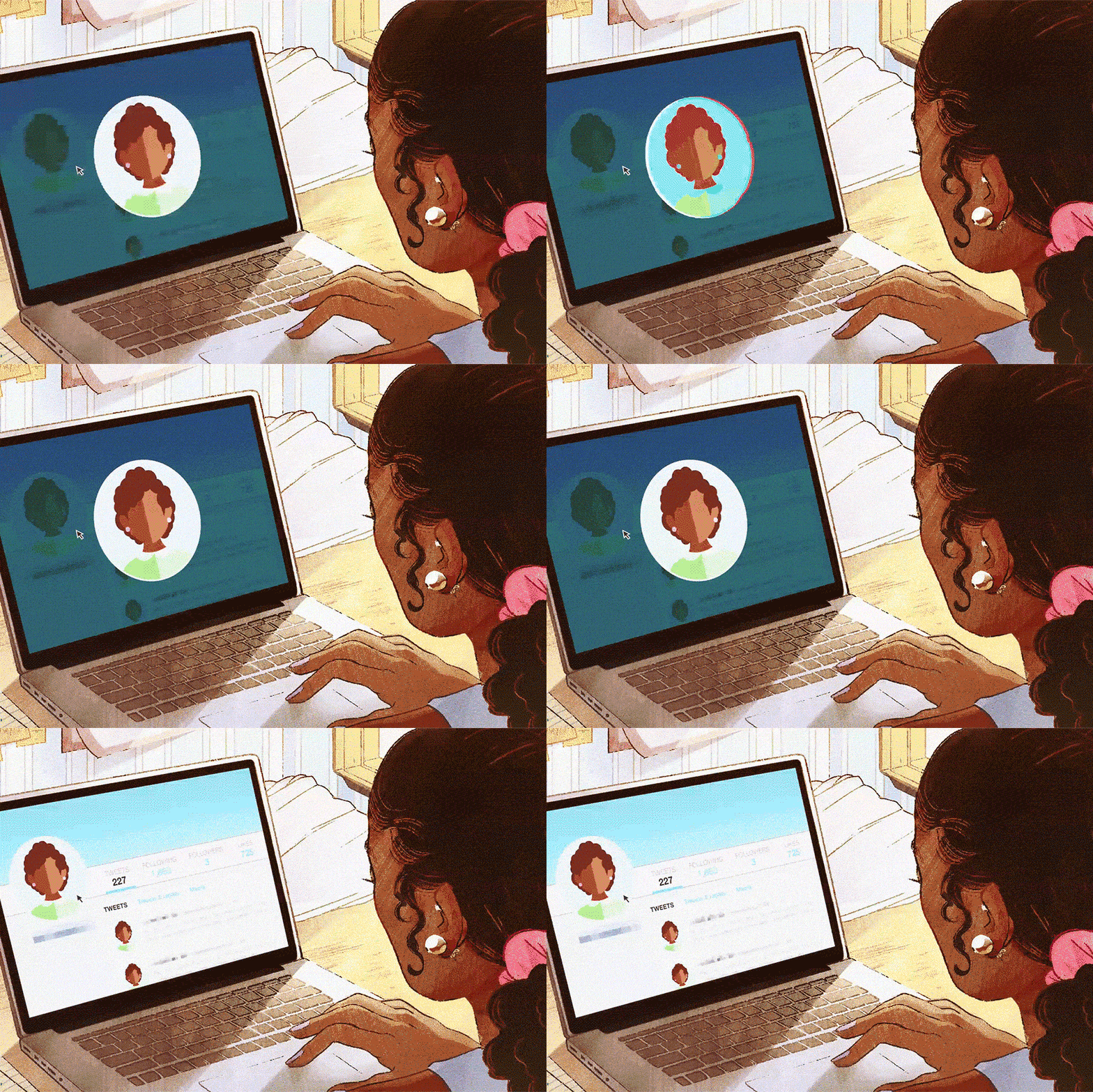
Years Ago, Black Feminists Worked Together to Unmask Twitter Trolls Posing as Women of Color. If Only More People Paid Attention.
The fake accounts had handles like @NayNayCantStop, @LatrineWatts, and @CisHate, and bios like “Queer + black + angry.”
The Immortal Myths About Online Abuse
After building online communities for two decades, we’ve learned how to fight abuse. It’s a solvable problem. We just have to stop…

Wikipedia:Long-term abuse
This page summarises a limited number of long term abusers, to assist members of the community who believe they may have cause to report another incident. Note that this page is not a noticeboard. Names should only be added for the most egregious and well-attested cases. Most users here will have been banned, some on multiple occasions.
Online abuse: banning anonymous social media accounts is not the answer
In the wake of the tragic death of Sir David Amess, some politicians are calling for a law banning anonymous social media profiles. But it’s not the right way to tackle online abuse.

Online abuse: banning anonymous social media accounts is not the answer
In the wake of the tragic death of Sir David Amess, some politicians are calling for a law banning anonymous social media profiles. But it’s not the right way to tackle online abuse.