

Letter to the Editor
Guest Post — Now is the Time for AI in Peer Review, and Publishing Policies Need to Recognize This - The Scholarly Kitchen
Today's post asks us to acknowledge the role of AI in peer review and ensure practical guidance and policies that help scholars respond with consistency and confidence.

Peer review is overwhelmed—can it survive in the AI era?
As research and AI-assisted papers surge, volunteer reviewers struggle to keep up.


How do authors want to use AI for review?
A survey of researchers who compared AI-generated scientific reviews with journal-agnostic human peer review reveals that they overwhelmingly prefer using AI as a self-checking tool before submission rather than as a replacement for human reviewers. It encourages an “author-centric” model in which AI helps researchers improve their manuscripts before they are reviewed by their peers.

AI-assisted Reviewing is Necessary and Should be Open
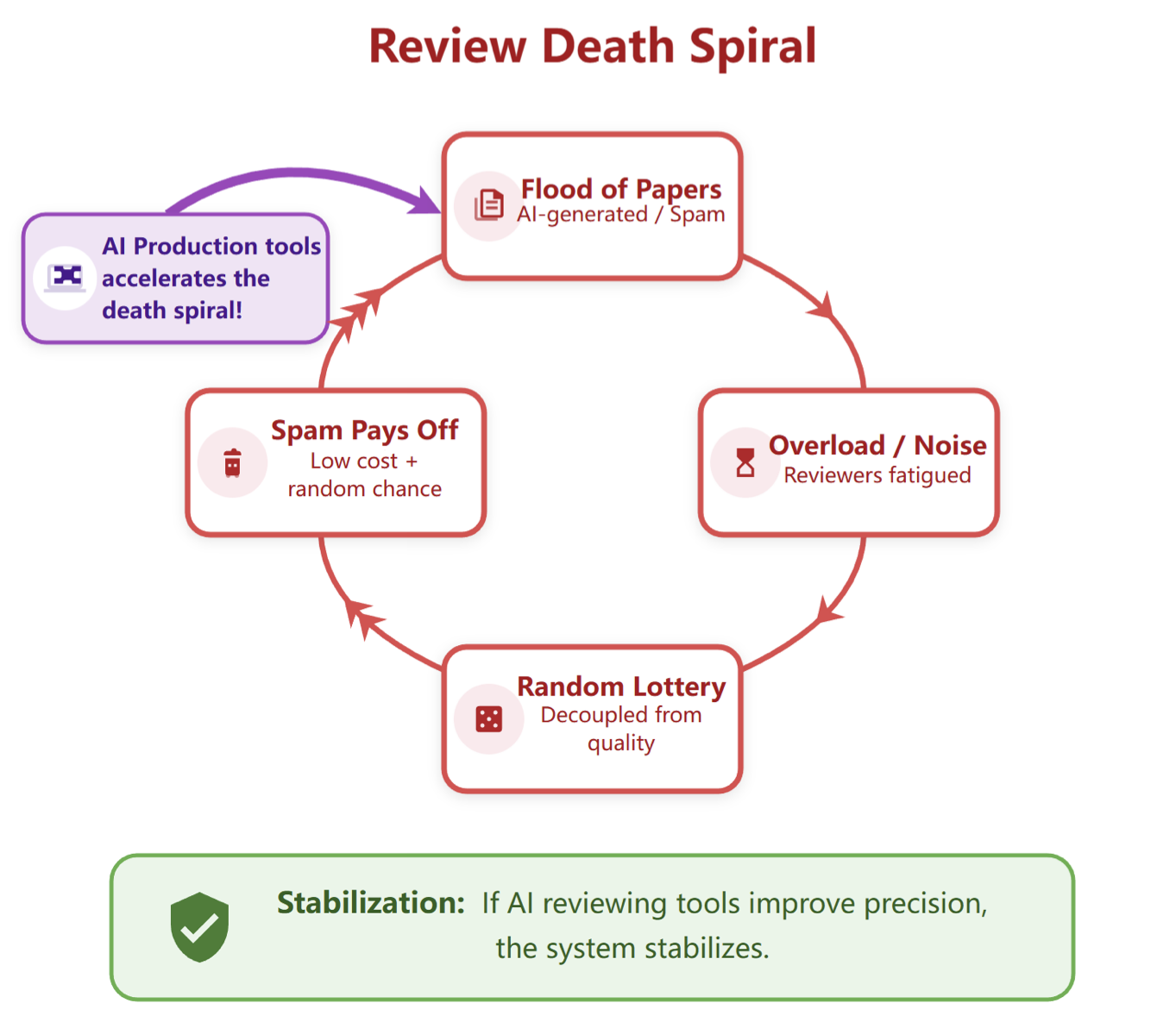
Peer review is facing a death spiral. AI production tools are speeding it up. AI-assisted reviewing is necessary and should be open.
AI-assisted Reviewing is Necessary and Should be Open
Peer review is facing a death spiral. AI production tools are speeding it up. AI-assisted reviewing is necessary and should be open.
A Cross‐Disciplinary Analysis of <span style="font-variant:small-caps;">AI</span> Policies in Academic Peer Review
ABSTRACT Rapid advances of artificial intelligence (AI) have substantially impacted the field of academic publishing. This study examines AI integration in peer review by analysing policies from 439 high‐ and 363 middle‐impact factor (IF) journals across disciplines. Using grounded theory, we identify patterns in AI policy adoption. Results show 83% of high‐IF journals have AI guidelines, with varying stringency across disciplines. Meanwhile, only 75% of middle‐IF journals have AI guidelines. Science, technology, and medicine (STM) disciplines exhibit stricter regulations, while humanities and social sciences adopt more lenient approaches. Key ethical concerns focus on confidentiality risks, accountability gaps, and AI's inability to replicate critical human judgement. Publisher policies emphasise transparency, human oversight, and restricted AI usage for auxiliary tasks only, such as grammar checks or reviewer finding. Disciplinary differences highlight the need for tailored guidelines that balance efficiency gains with research integrity. This study proposes collaborative frameworks for responsible AI integration. It focuses on accountability, transparency, and interdisciplinary policy development to address peer review challenges. , Key Points Application of AI tools in peer review has received increasing attention. Among the 439 high‐IF journals investigated, 83% provided AI policies for peer review, while 75% of middle‐IF journals did so. AI policies focus on confidentiality risks, accountability gaps, and capacity deficiencies of AI. AI policies for peer review vary according to the affiliated publishers and disciplines. Tailored AI guidelines need to be established according to the discipline.

It's open season for refusing AI
There's been a wave of successful efforts to ban, reject and shut down AI.

AI’s Growing Role as Scientific Peer Reviewer | Stanford HAI
Stanford computer scientist James Zou is exploring how AI can accelerate scientific research and peer review. His finding: AI excels at spotting gaps, but judgment calls still need humans.

Major AI conference flooded with peer reviews written fully by AI
Nature - Controversy has erupted after 21% of manuscript reviews for an international AI conference were found to be generated by artificial intelligence.

Illicit Use of AI by Philosophers Refereeing for Journals - Daily Nous
In 2024, a study found that “7–17% of the sentences in the reviews [of computer science manuscripts] were written by LLMs”. It was only a […]
(PDF) Peer Reviewers Should be Allowed to Upload Manuscripts to AI
PDF | Publishers bar peer reviewers-but not authors or editors-from feeding manuscripts to AI. Cited confidentiality concerns don't survive scrutiny.... | Find, read and cite all the research you need on ResearchGate

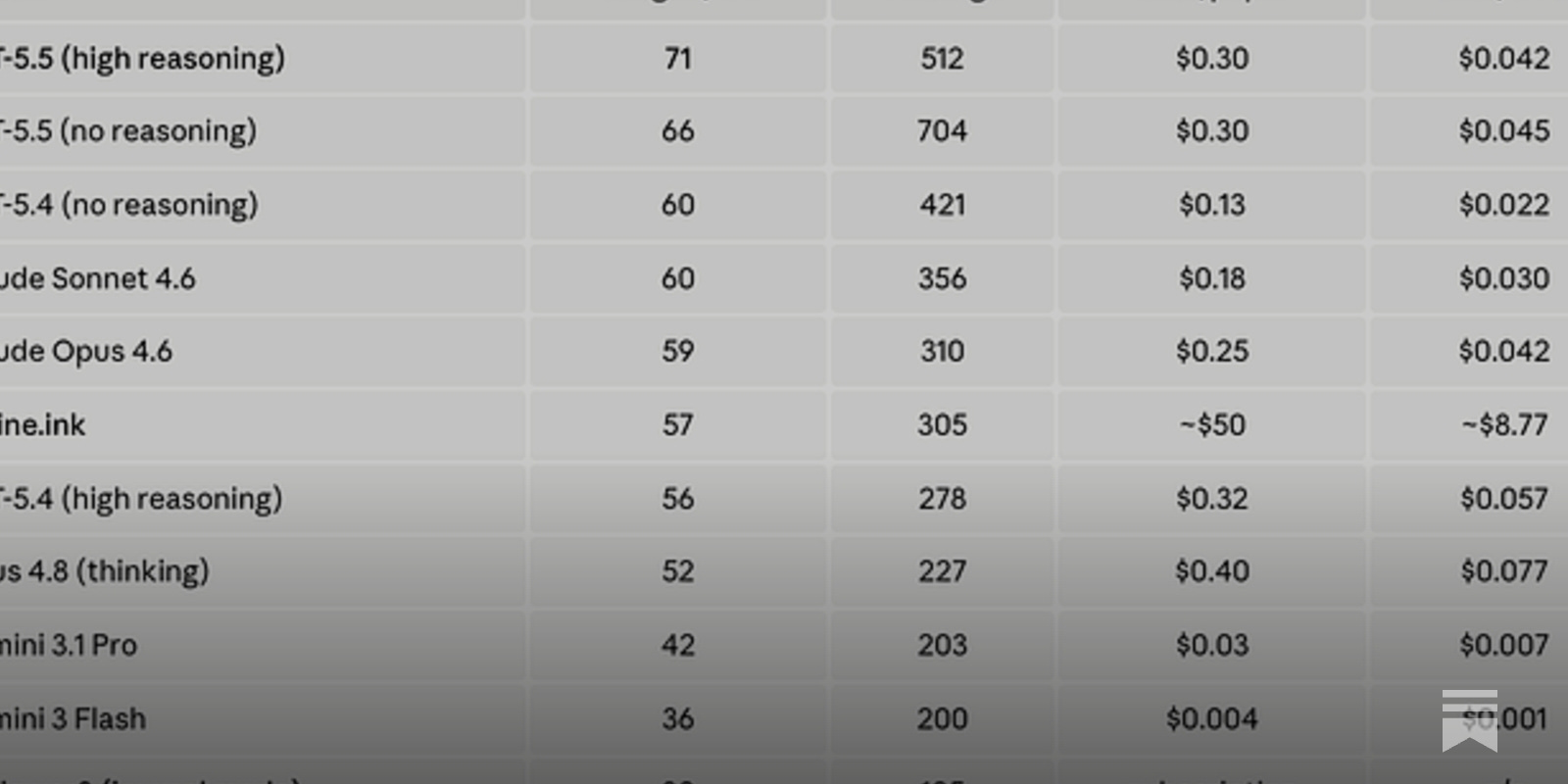
Absolutely incredible figure from this journal article arguing that AI should be accepted into the publication and peer review process. #MedSky doi.org/10.1515/cclm-2025-1180
Peer review is facing a death spiral, and AI production tools are speeding it up. AI-assisted reviewing is necessary and should be open. We built OpenAIReview: open AI reviewing for everyone, for the cost of a coffee. openaireview.github.io/blog.html 🧵

AI-assisted Reviewing is Necessary and Should be Open
openaireview.github.ioAbsolutely incredible figure from this journal article arguing that AI should be accepted into the publication and peer review process. #MedSky doi.org/10.1515/cclm-2025-1180

