US PhD graduates who used artificial intelligence were more likely to work in industry.
How Heavily Are PhD Students Offloading Their Scientific Writing to AI? Evidence from US STEM PhD Dissertations
Large language models are diffusing rapidly into science, raising concerns that delegating research writing to AI may undermine the development of expertise that scientific training is supposed to build. We measure AI-generated writing in the dissertations of a near-census of US STEM PhD graduates from 2019 to 2026 and link graduates to their subsequent employment. AI writing is absent before 2023, present in 29% of dissertations filed in 2026, and rapidly growing. Use is more common among students from non-English-speaking countries and at lower-ranked programs. Among graduates in the same program and cohort, those whose dissertations contain AI writing are less likely to enter academic research careers and more likely to enter non-tenure-track roles or industry, with this pattern strongest among US-origin students. At the same time as AI may increase research productivity, it thus appears to also be displacing a potentially important portion of the work through which scientific expertise is developed.

AI in the workplace vs. AI in education
Quoting Dan Willingham: Students should only use AI for things that they already know how to do well.
The Age Of Artificial Intelligence: Americans' AI Use Increases While Views On It Sour, Quinnipiac University Poll On AI Finds; 7 In 10 Think AI Will Cut Jobs With Gen Z The Most Pessimistic | Quinnipiac University Poll
"The contradiction between use and trust of AI is striking. Fifty-one percent say they use AI for research, and many also use it for writing, work, and data analysis. But only 21 percent trust AI-generated information most or almost all of the time. Americans are clearly adopting AI, but they are doing so with deep hesitation, not deep trust," said Chetan Jaiswal, Ph.D., Associate Professor of Computer Science and Associate Chair, Department of Computing, Quinnipiac University School of Computing and Engineering.
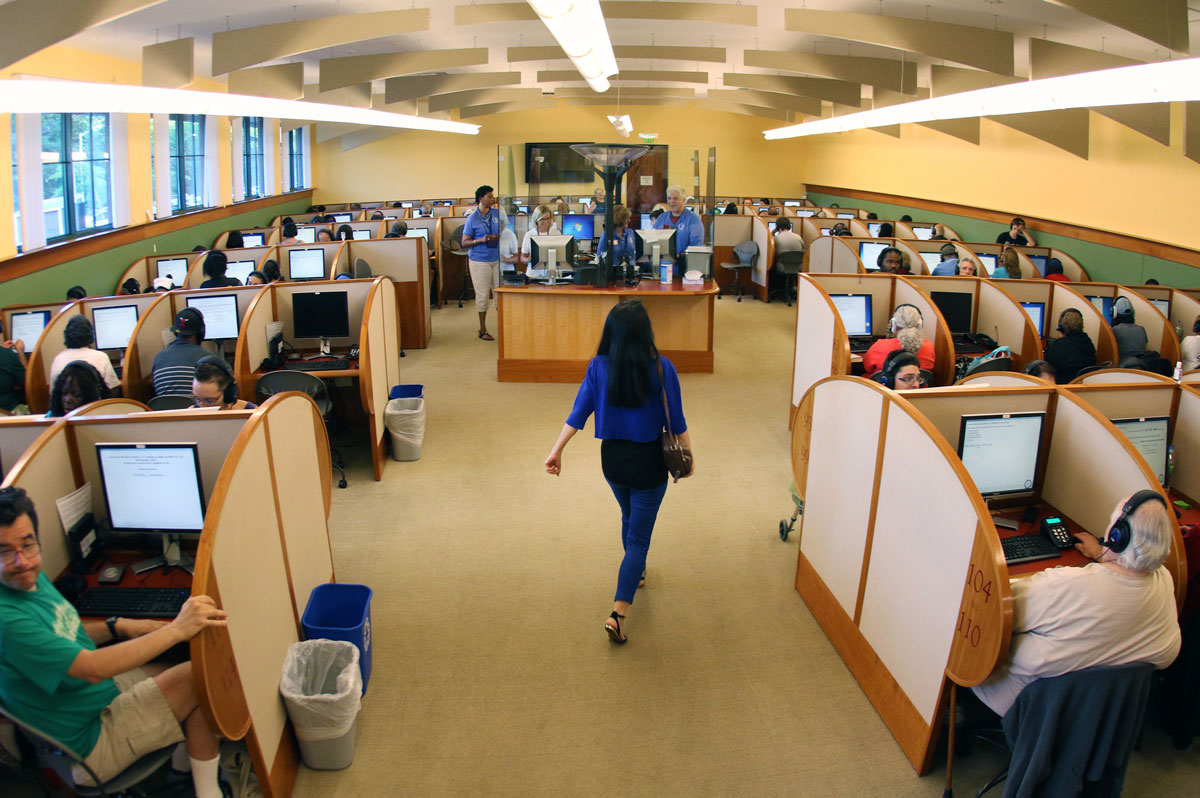
On the Value of Doing a PhD in the Age of AI
Many students who are just now embarking on a PhD in AI are understandably anxious. It feels like our field is zooming forward ever faster. Our clever methods are often surpassed before they are published. Our deep insights seem less critical to frontier lab progress. AI is automating aspects of the research process that used to require years of specialized training.
Most Americans say AI development is moving too fast and twice as many are AI pessimists as AI optimists
Young adults are more likely than older Americans to believe that AI will create economic gains that benefit everyone, but they are also more likely to worry that AI will replace jobs they depend upon
70 years of AI hype
Quoting from Olivia Guest et al. (2025) "Against the Uncritical Adoption of AI Technologies in Academia."
Young Graduates Face the Grimmest Job Market in Years
Artificial intelligence could reshape work, but for now a low-hire, low-fire labor market is the main impediment for young people seeking employment.

Software engineering may no longer be a lifetime career
I don’t think there’s compelling evidence that using AI makes you less intelligent overall1. However, it seems pretty obvious that using AI to perform a task means you don’t learn as much about performing that task. Some software engineers think this is a decisive argument against the use of AI. Their argument goes something like this:

Recent Grads Say AI Is Making It Impossible to Find a Job
Recent college graduates are entering a job market fraught with austerity, and gatekept by the very technology degrading their prospects.
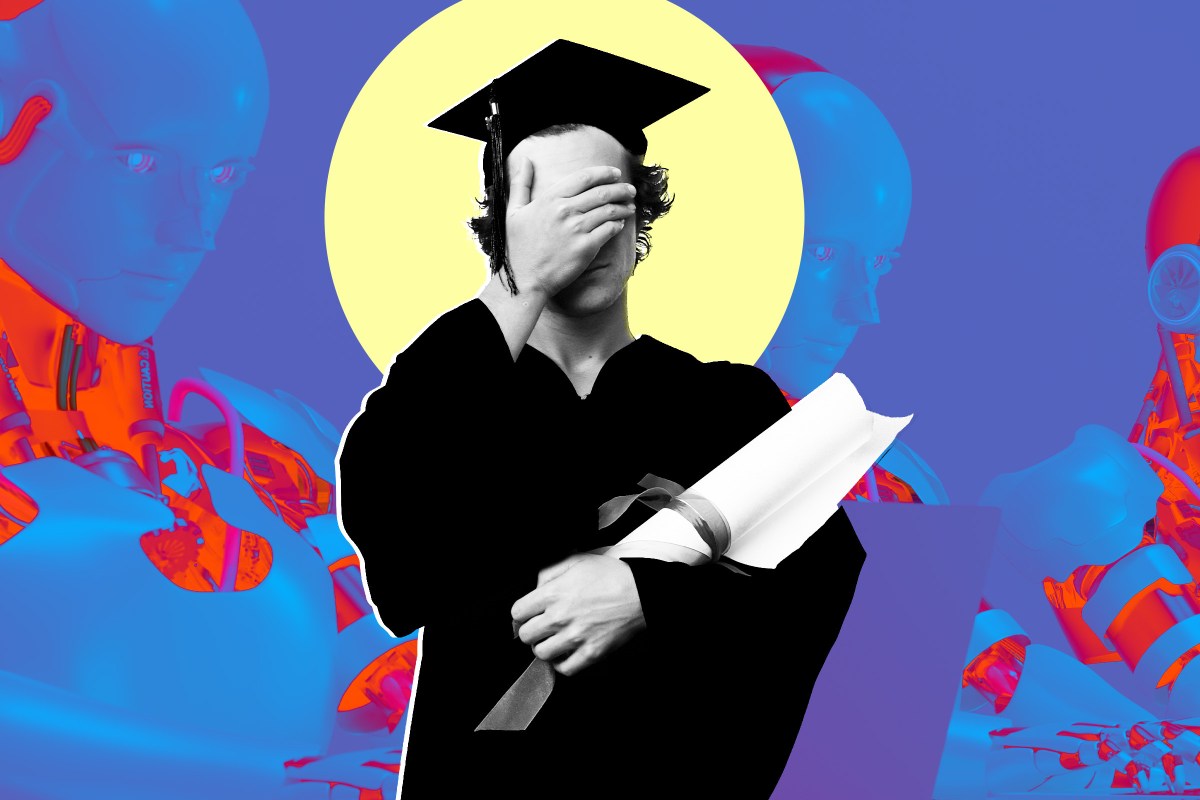
The Impact of Artificial Intelligence on Education and Workforce Trajectories in Tech: A Workshop
Convened by the National Academies’ Action Collaborative on Education and Workforce Trajectories in Tech, The Impact of Artificial Intelligence on Education and Workforce Trajectories in Tech is a one-day exploratory workshop examining how AI is altering the value of human expertise, organizational workforce structures, and career pathways in the tech sector. Bringing together leaders from higher education, industry, and research institutions, discussions will consider how education and workforce systems can prepare individuals with the ethical, technical, and analytical capabilities needed to adapt and thrive in an AI-impacted landscape.

"I was forced to use AI until the day I was laid off." Copywriters reveal how AI has decimated their industry
Copywriters were one of the first to have their jobs targeted by AI firms. These are their stories, three years into the AI era.
NBER on Twitter / X
Nearly one-third of US STEM PhD students now write their dissertations with AI. Rarer at top programs, more common for non-native English speakers. AI users are more likely to enter industry, from @daniel_p_gross, @DShvadron, and @HansenZhang13 https://t.co/1M3LhTSbIa pic.twitter.com/ur0w0RENnx— NBER (@nberpubs) October 9, 2026

The People Who Will Thrive in the AI Age
What will differentiate people is not how smart they are but their relationship to mental effort.

AI is hitting UK harder than other big economies, study finds
Britain is losing more jobs than it creates owing to artificial intelligence, Morgan Stanley research suggests

A Growing Gender Divide in the AI Economy — The Honest Economist
The article argues that AI is reshaping gender inequality even before the pay gap visibly widens. Women are more concentrated in clerical and administrative roles where AI can restructure work, while men are more concentrated in technical, AI-complementary roles. Among college graduates, the exposur

Microsoft Study Finds AI Makes Human Cognition “Atrophied and Unprepared”
Researchers find that the more people use AI at their job, the less critical thinking they use.