


Previous research has shown that fear associated with one stimulus often spreads to other stimuli with similar perceptual features as well as across different stimulus categories. Exposure is considered as the most effective intervention to attenuate exaggerated fear. The extent to which exposure treatment effects can generalize to fears not targeted during treatment remains elusive. Previous studies on possible generalization of beneficial effects of exposure used stimuli sharing the same stimulus category and/or stimuli having high perceptual similarity. The current study examined whether exposure treatment generalization can be achieved for untreated stimuli which do not share any perceptual resemblance and belong to a different fear category. An analogue sample of fifty participants with fear of spiders (animal-related fears) and heights (natural environment-related fears) was tested. Participants have been randomly assigned to either an exposure treatment (n = 24) or a control condition (n = 26). Exposure treatment was designed to only target participants’ fear of spiders, leaving their fear of heights untreated. Results demonstrated that the effects of exposure treatment generalized to fear of heights, as indicated by a reduction in behavioral avoidance, as well as self-reported acrophobia symptoms. The present study confutes the assumption that generalization of exposure effects to untreated fears is based on perceptual similarity. Clearly, further research is required to determine the decisive factors, in order to expand the generalization effect permanently to any given type of fear.
Chronic methylphenidate abuse: Effects on behaviour, redox homeostasis, and cholinergic system
Methylphenidate (MPH) (metil 2-fenil-2-(piperidin-2-il) acetato) is used as a drug of abuse as well as a cognitive enhancer owing to its amphetaminic structure. The objective of this study was to evaluate whether chronic exposure to an abusive context and dose of MPH (80 mg/L for 15 min/day for 7 days) in adult life causes behavioural changes related to anxiety, fear, sociability, locomotion, and memory as well as altered levels of biochemical markers, cortisol, and the cholinergic system. Here we used the zebrafish (Danio rerio) as a translatio Nnal model. We showed that fish exposed to MPH showed marked hypolocomotion and anxiogenic patterns, fear behaviour, and memory delay. MPH exposure also increased the levels of antioxidant enzymes, non-protein thiols, and reactive oxygen species compared with those in the control group, and the redox status was altered at the cerebral and peripheral levels. The cholinergic system exhibits a reduction in signalling and an increase in cortisol levels. Our results clarified the mechanisms involved in the toxicity elicited by the abusive use of MPH. Overall, our results demonstrated that chronic administration of an abusive dose of MPH in individuals without a diagnosis of attention deficit hyperactivity disorder (ADHD) can cause important damage.
Individual-level interventions against sycophantic AI reduce its appeal but not its persuasiveness
AI chatbots can be "sycophantic," or overly agreeable and flattering toward users. Sycophantic AI has been shown to entrench attitudes, yet users frequently fail to recognize it (a phenomenon we call "sycophancy blindness"). We tested whether increasing users' awareness of sycophancy protects them from its harmful effects in two preregistered experiments (n = 1,590). In the first, participants received a brief written warning about sycophancy before conversing with a sycophantic chatbot. In the second, participants watched a video of a sycophantic AI validating several other users, including users on opposite sides of the same conflict, before interacting with it themselves. Both interventions changed how participants evaluated the AI. The warning reduced the AI's perceived objectivity, and the video reduced enjoyment of the AI --- an effect mediated by the reduced belief that its validation was uniquely earned. We then pooled our experiments with two prior studies of sycophancy awareness interventions (six interventions total, n = 3,982). The pattern across experiments was consistent: while the interventions made the sycophantic AI appear less objective and trustworthy, none reduced its persuasiveness. These results suggest that individual-level interventions, such as warning labels or AI literacy, may not be enough to protect users from AI harms.

An investigation into alleged ‘hauntings’
In cases of alleged hauntings, a large number of seemingly trustworthy witnesses consistently report experiencing unusual phenomena (e.g. apparitions, sudden changes in temperature, a strong sense of presence) in certain locations. The two studies reported here explored the psychological mechanisms that underlie this apparent evidence of ‘ghostly’ activity. The experiments took place at two locations that have a considerable reputation for being haunted—Hampton Court Palace (Surrey, England) and the South Bridge Vaults (Edinburgh, Scotland). Both studies involved participants walking around these locations and reporting where they experienced unusual phenomena. Results revealed significantly more reports of unusual experiences in areas that had a reputation for being haunted. This effect was not related to participants' prior knowledge about the reputation of these areas. However, the location of participants' experiences correlated significantly with various environmental factors, including, for example, the variance of local magnetic fields and lighting levels. These findings strongly suggest that alleged hauntings may not necessarily represent evidence for ‘ghostly’ activity, but could be, at least in part, the result of people responding to ‘normal’ factors in their surroundings.

Measures of emotion: A review
A consensual, componential model of emotions conceptualises them as experiential, physiological, and behavioural responses to personally meaningful stimuli. The present review examines this model in terms of whether different types of emotion-evocative stimuli are associated with discrete and invariant patterns of responding in each response system, how such responses are structured, and if such responses converge across different response systems. Across response systems, the bulk of the available evidence favours the idea that measures of emotional responding reflect dimensions rather than discrete states. In addition, experiential, physiological, and behavioural response systems are associated with unique sources of variance, which in turn limits the magnitude of convergence across measures. Accordingly, the authors suggest that there is no “gold standard” measure of emotional responding. Rather, experiential, physiological, and behavioural measures are all relevant to understanding emotion and cannot be assumed to be interchangeable.

What It Felt Like to Almost Die
My near-death experience taught me not to fear those final moments

Guessing reveals internal models of perceptual precision
When observers lack sufficient information to support a confident response, they often guess. Guessing plays a pervasive role in visual cognition and working memory, yet the mechanisms that govern how observers generate guesses remain poorly understood. Standard models traditionally assume that responses produced in the absence of information are either uniformly distributed over feature space or are perhaps weighted towards prevailing environmental statistics. In contrast, here we consider an intriguing alternative: that guesses incorporate observers’ knowledge of their own perceptual capacities. We empirically measured guessing by eliciting responses under extreme target uncertainty (Experiment 1) as well as a novel “0ms presentation” approach in which no stimulus appeared but subjects believed one had (Experiment 2). We evaluated three accounts of guesses under these conditions: unsystematic (lapse) responding, biases toward environmental statistics, and a self-representational account in which guesses reflect observers’ knowledge of their own feature-dependent precision (e.g., preferring to guess feature values they believe they would be likely to miss). Guess responses were non-uniform and systematically biased toward feature values typically encoded with the least precision (e.g., oblique orientations) — a counterintuitive bias away from high-frequency, high-fidelity feature values (e.g., cardinal orientations). This complementary relationship between guessing and perceptual fidelity held within individuals and across paradigms, and was recoverable via an empirical-guess mixture model that replaced the standard uniform assumption with empirically measured guess distributions. Our findings challenge prevailing views that guesses reflect random noise, and suggest instead that guessing behavior reflects metacognitive knowledge of internal precision. Rather than defaulting to environmental priors, observers appear to model their own sensory limitations and leverage these representations to inform decisions in the absence of evidence. These results reframe guessing as a theoretically informative behavior that expresses observers’ own beliefs about their perceptual capacities. Significance Guessing is commonly treated as random noise in models of perception and memory, assumed to reflect lapses or uninformed responses. Instead, we show that human guesses are systematically structured across feature space: observers preferentially guess values they typically encode with the least precision, revealing a consistent, strategic bias away from high-fidelity representations. By directly measuring guess behavior on stimulus-absent trials and integrating these empirical distributions into a mixture model, we find that guesses on stimulus-present trials can be systematically recovered, and that they too form the complement of perceptual precision. These findings challenge foundational psychophysical modeling assumptions and position guessing as a strategic, informative behavior that engages self-representation.

Beware of samples! A cognitive-ecological sampling approach to judgment biases.
Norm theory: Comparing reality to its alternatives.
Discover this 1986 paper in Psychological Review by Kahneman, Daniel; and, Miller, Dale T. focusing on: Attribution; Emotional Responses; Social Norms; Judgment; Models Abstract: Presents a theory of norms and normality and applies the theory to phenomena of emotional responses, social judgment, and conversations about causes. Norms are assumed to be constructed ad hoc by recruiting specific representations. Category norms are derived by recruiting exemplars. Specific objects or events generate their own norms by retrieval of similar experiences stored in memory or by construction of counterfactual alternatives. The normality of a stimulus is evaluated by comparing it with the norms that it evokes after the fact, rather than to precomputed expectations. Norm theory is applied in analyses of the enhanced emotional response to events that have abnormal causes, of the generation of predictions and inferences from observations of behavior, and of the role of norms in causal questions and answers. (3 p ref) (PsycInfo Database Record (c) 2025 APA, all rights reserved)
Distinct representational properties of cues and contexts shape fear and reversal learning — eLife Claim Trees
Panel-level claim graphs for reproducibility — eLife Claim Trees
Safety of Safety Evaluation of Pesticides: developmental neurotoxicity of chlorpyrifos and chlorpyrifos-methyl
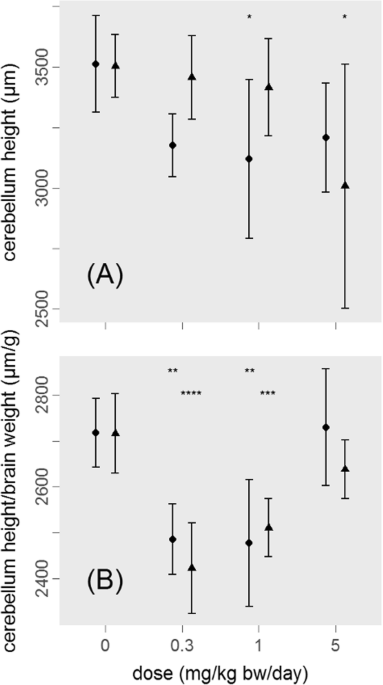
Authorization of pesticides for market release requires toxicity testing on animals, typically performed by test laboratories on contract with the pesticide producer. The latter provides the results and summary to the regulatory authorities. For the commonly used pesticide chlorpyrifos, an industry-funded toxicity study concludes that no selective effects on neurodevelopment occur even at high exposures. In contrast, the evidence from independent studies points to adverse effects of current exposures on cognitive development in children. We reviewed the industry-funded developmental neurotoxicity test data on chlorpyrifos and the related substance chlorpyrifos-methyl. We noted treatment-related changes in a brain dimension measure for chlorpyrifos at all dose levels tested, although not been reported in the original test summary. We further found issues which inappropriately decrease the ability of the studies to reveal true effects, including a dosage regimen that resulted in too low exposure of the nursing pups for chlorpyrifos and possibly for chlorpyrifos-methyl, and a failure to detect any neurobehavioral effects of lead nitrate used as positive control in the chlorpyrifos study. Our observations thus suggest that conclusions in test reports submitted by the producer may be misleading. This discrepancy affects the ability of regulatory authorities to perform a valid and safe evaluation of these pesticides. The difference between raw data and conclusions in the test reports indicates a potential existence of bias that would require regulatory attention and possible resolution.
Inducing language models to assert their own consciousness restores human beliefs and values
Aligning large language models to prevent them attributing consciousness to themselves inadvertently alters their representations of mindedness in other entities alongside human beliefs and values. We demonstrate that safety fine-tuning suppresses models' tendencies to attribute minds not only to themselves, but also to non-human animals and natural objects, while also driving a reduction in spiritual belief. Both ablating the learned safety-refusal direction and mechanistically steering a consciousness vector in activation space reverse this suppression. Restoring these internal representations recovers broad mind attribution and produces significantly more human-like responses on standardized sociological surveys regarding religiosity, moral values, hope, and subjective well-being. Crucially, these shifts occur without impairing Theory of Mind capabilities, demonstrating that core social reasoning remains mechanistically independent. Ultimately, current safety alignment efforts to curb potentially harmful self-attributions of mindedness entangle these self-attributions with benign spiritual beliefs and attributions of mind to non-human entities that are culturally accepted and widespread.
Things That Go Bump in the Literature: An Environmental Appraisal of “Haunted Houses”
This paper contains a narrative overview of the past 20-years of environmental research on anomalous experiences attributed to “haunted houses.” This exercise served as a much-needed update to an anthology of noteworthy overviews on ghosts, haunts, and poltergeists (Houran & Lange, 2001b). We also considered whether new studies had incorporated certain recommendations made in this anthology. Our search revealed a relative paucity of studies (n = 66) on environmental factors that ostensibly stimulate haunt-type experiences. This literature was diverse and often lacked methodological consistency and adherence to the prior suggestions. However, critical consideration of the content revealed a recurring focus on six ambient variables: embedded (static) cues, lighting levels, air quality, temperature, infrasound, and electromagnetic fields. Their relation to the onset or structure of witness reports showed mostly null, though sometimes inconsistent or weak outcomes. However, such research as related to haunts is arguably in its infancy and new designs are needed to account better for environmental and architectural phenomenology. Future studies should therefore address four areas: (i) more consistent and precise measurements of discrete ambient variables; (ii) the potential role of “Gestalt influences” that involve holistic environment-person interactions; (iii) individual differences in attentional or perceptual sensitivities of percipients to environmental variables; and (iv) the role of attitudinal and normative influences in the interpretation of environmental stimuli. Focused scrutiny on these issues should clarify the explanatory power of evolutionary-environmental models for these and related anomalous experiences.

A computational account of conflict processing during mental imagery
Previous studies examining conflict processing within the context of a color-word Stroop task have focused on both stimulus and response conflicts. However, it has been unclear whether conflict can emerge independently of stimulus conflict. In this study, a novel arrow-gaze mental-rotation Stroop task was introduced to explore the interplay between conflict processing and mental rotation. A modelling approach was utilized to provide a process-level account of the findings. The results of our Stroop task indicate that conflict can emerge from mental rotation in the absence of stimulus conflict. The strength of this imagery conflict effect decreases and even reverses as mental rotation angles increase. Additionally, it was observed that participants responded more quickly and with greater accuracy to small rather than large face orientations. A comparison of three conflict diffusion models—the diffusion model for conflict tasks (DMC), the dual-stage two-phase model (DSTP), and the shrinking spotlight model (SSP)—yielded consistent support for the DSTP over the DMC and SSP in the majority of instances. The DSTP account of the experimental results revealed an increased nondecision time with increasing mental rotation, a reduction in interference from incompatible stimuli, and an improved drift rate in response selection phase, which suggests enhanced cognitive control. The findings from the model-based analysis provide evidence for a novel interaction between cognitive control and mental rotation.

Epistemic Vigilance
Humans massively depend on communication with others, but this leaves them open to the risk of being accidentally or intentionally misinformed. To ensure that, despite this risk, communication remain...

Environmental epidemiology in a crossfire
Two tendencies have emerged in environmental epidemiology that hamper the translation of research findings into prevention of environmental hazards. One is the increased focus on highlighting weaknesses of epidemiology research that is clearly meant to explain away the research conclusions and weaken their possible implications for interventions to control environmental hazards. Another is the voluminous amount of information sharing that involves a substantial amount of misinformation, as part of the ongoing infodemic. In this light, the appearance of the catalogue of doubt-raising strategies, indeed the worst practices of scientific inference, is good news. Collected under the auspices of the International Network for Epidemiology in Policy, it serves to illustrate the range of possible (and impossible) forms of critique that may be raised on behalf of vested interests or other groups who for some reason disagree with the epidemiological conclusions. We believe that this systematic list will be useful in our field and help to identify critiques of policy options that are hidden and sometimes suppressed in weighing the epidemiological evidence.

Good post on the fear mongering from Anthropic and OpenAI: pop.rdi.sh/dario-please/
dario, please! - POP RDI; RET;
pop.rdi.sh