

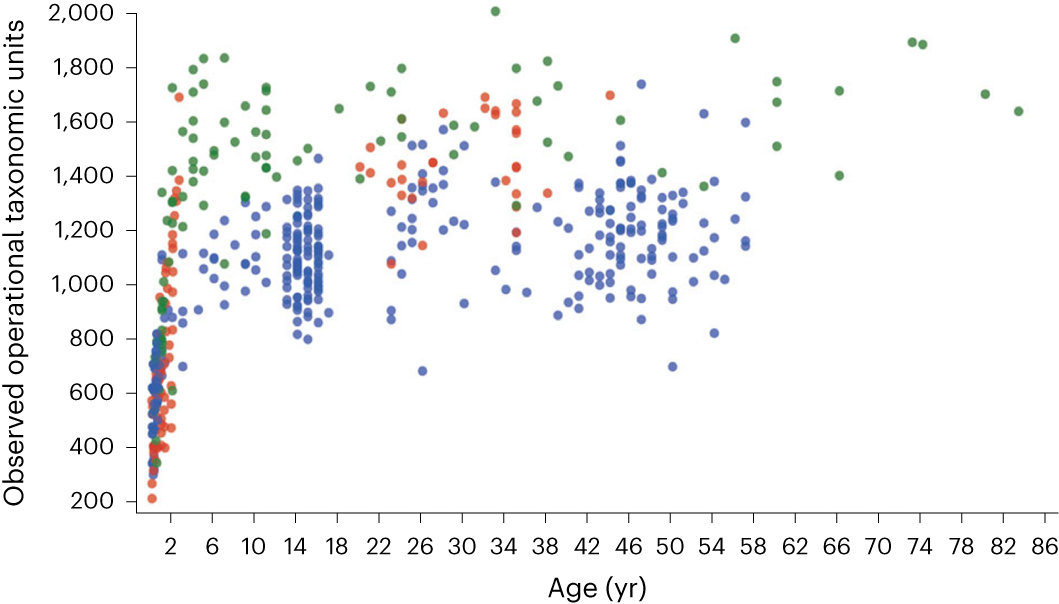
Over the past two decades, interest in human microbiome research has increased exponentially. Regrettably, this increased activity has brought with it a degree of hype and misinformation, which can undermine progress and public confidence in the research. Here we highlight selected human microbiome myths and misconceptions that lack a solid evidence base. By presenting these examples, we hope to draw increased attention to the implications of inaccurate dogma becoming embedded in the literature, and the importance of acknowledging nuance when describing the complex human microbiome.
Scientists bust myth that our bodies have more bacteria than human cells
Decades-old assumption about microbiota revisited.

Human microbiome churns out thousands of tiny novel proteins
The bacteria in and on our bodies make thousands of tiny, previously unidentified proteins that could shed light on human health and advance drug development, Stanford researchers have found.

Researchers find connection between household chemicals and gut microbiome
A team of researchers for the first time has found a correlation between the levels of bacteria and fungi in the gastrointestinal tract of children and the amount of common chemicals found in their home ...

Cognition without brains? Learning and memory in microorganisms
Memory and learning are cognitive abilities typically associated with animals that possess a complex nervous system. Interestingly, recent studies suggest that microorganisms might also display learning-like behaviours. However, a factor limiting progress in this field is the lack of shared, microbe-specific frameworks that allow microbiologists to easily compare discoveries with concepts developed in cognitive sciences. In this review, we aim to bridge this gap by providing a conceptual overview of the definitional requirements for memory and learning to classify microbial behaviours and capabilities. Additionally, we identify and address problems that cause conceptual ambiguity in the microbial cognition literature, thereby facilitating more productive debates on the topic. Finally, we provide a novel perspective on how microbes might ‘learn’ from each other.

Gut microbiome atlas maps how bacteria establish themselves and shift in inflammatory bowel disease
Researchers created a microbiome-wide atlas mapping more than seven million colonization factor genes across 4,716 human gut microbial species, revealing three putative strategies linked to metabolism, stress resistance, and microbial communication. Applying the framework to inflammatory bowel disease showed that colonization-factor profiles can provide a compact, biologically interpretable view of disease-associated microbiome changes.
Scientists discover links between Alzheimer's disease and gut microbiota | King's College London
New research has identified links between gut bacteria, inflammation and brain changes associated with Alzheimer’s disease.
Microbiomes raise privacy concerns
DNA from microbes living on the human body can be used to identify individuals.

Fecal transplants for autism deliver success in clinical trials
Scientific research continues to uncover interesting connections between the gut microbiome and human health, including everything from depression to PTSD to autoimmune disease. Another example of this are emerging ties between gut health and autism. Exciting new research, now moving to Phase 3 human trials, has found boosting microbial diversity via fecal transplants can dramatically reduce autism symptoms in the long term.
Soap dodger: meet the doctor who says we have been showering wrong
Hand-washing aside, James Hamblin has not used soap for five years. He warns that our obsession with being clean is harming the microbiome that keeps us healthy

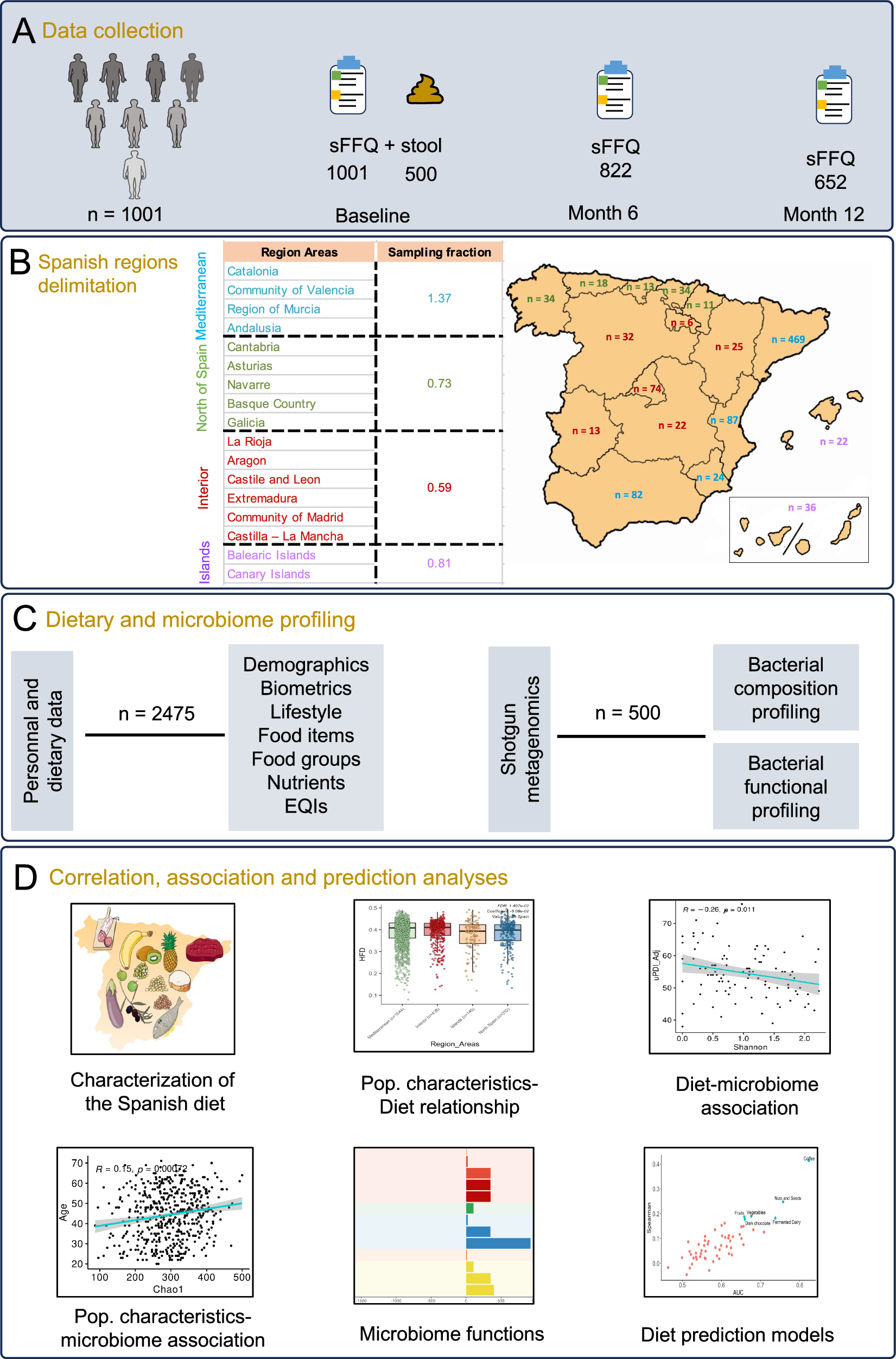
A contributory citizen science project reveals the impact of dietary keys to microbiome health in Spain
Low consumption of whole grains, fruits, and vegetables has been identified as dietary risks for non-communicable diseases such as inflammatory bowel diseases (IBDs). We explore how individual and lifestyle factors influence these risks by shaping gut microbiome composition. 1001 healthy participants from all Spanish regions provided personal and dietary data at baseline, six, and twelve months, yielding 2475 responses. Gut microbiome data were analyzed for 500 healthy participants and 321 IBD patients. Our findings reveal that adherence to national dietary guidelines—characterized by diets rich in nuts, seeds, fruits, and vegetables—was associated with greater microbial diversity and reduced IBD-related dysbiosis. Finally, we observed variations in dietary patterns and microbiome diversity and composition across age groups, genders, regions, seasons, and transit time. This study is among the first to uncover dietary intake associated with IBD-related dysbiosis and to propose an interactive website for participants (https://manichanh.vhir.org/POP/en).
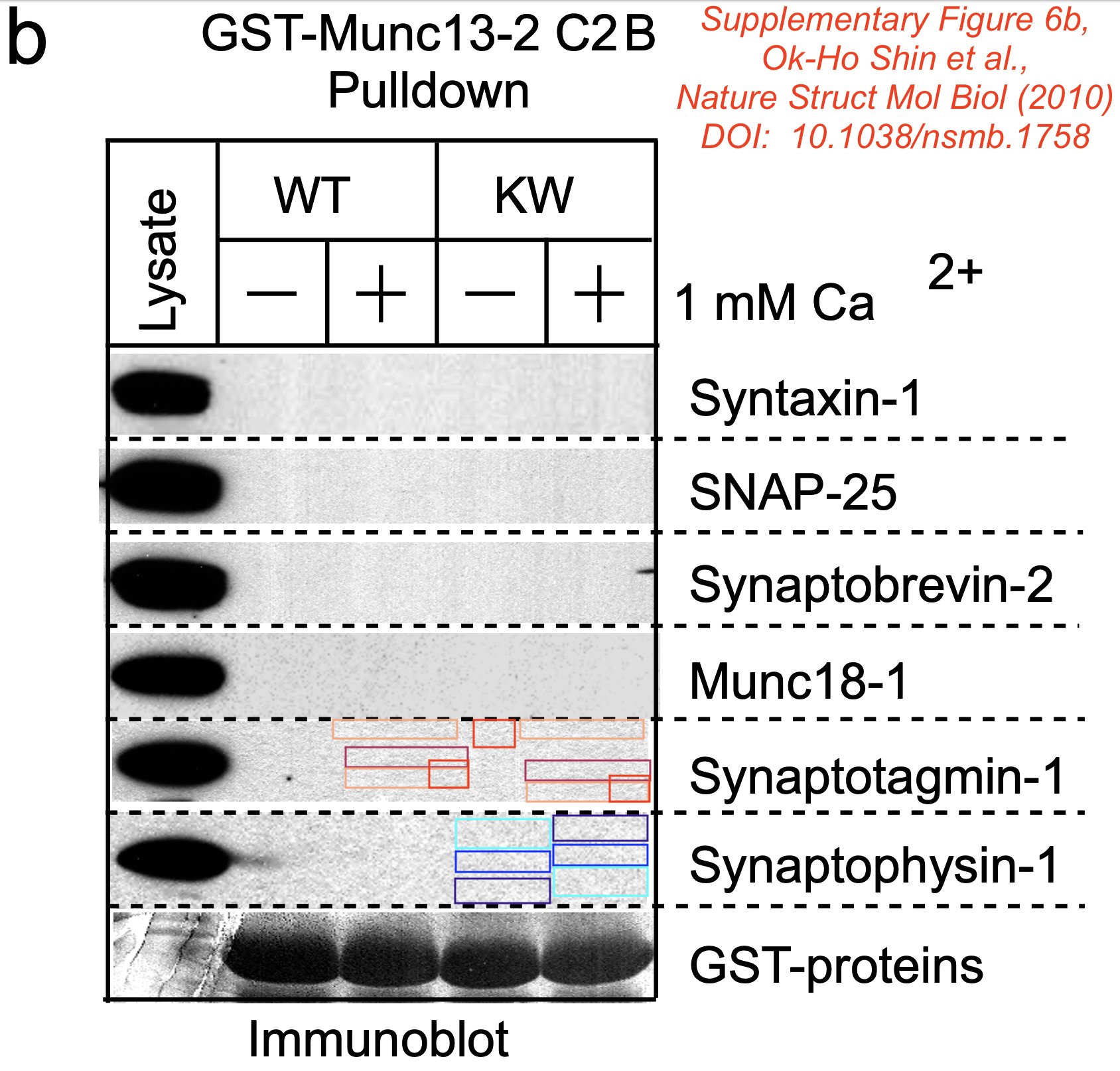
Elisabeth Bik on Twitter / X
There are clearly some problems in Figure S6b, but dr. S. is "deeply skeptical" and claims that these concerns are "unfounded".Look, you might have won the Nobel prize, but that does not mean you are correct here. I stand by my concerns. https://t.co/l47YC65nZp pic.twitter.com/Gy6xqomXvr— Elisabeth Bik (@MicrobiomDigest) June 16, 2024
Species-specific CD4+ T cells enable prediction of mucosal immune phenotypes from microbiota composition
Determining the mechanisms by which the gut microbiome modulates the host immune system has translational potential for treating or preventing immune-mediated diseases. A key challenge is identifying the immunogenic bacterial strains in the setting of a complex microbiota. We use a combination of anaerobic culturing, in vitro T cell assays, gnotobiotic mouse models, and ex vivo T cell restimulations to explore the influence of species and strain diversity on the specificity of mucosal T cells. Our approach efficiently predicts the relative impact of individual bacterial strains within a complex community and can be used to parse microbiota-dependent phenotypes into component fractions., How bacterial strains within a complex human microbiota collectively shape intestinal T cell homeostasis is not well understood. Methods that quickly identify effector strains or species that drive specific mucosal T cell phenotypes are needed to define general principles for how the microbiota modulates host immunity. We colonize germ-free mice with defined communities of cultured strains and profile antigen-specific responses directed toward individual strains ex vivo. We find that lamina propria T cells are specific to bacterial strains at the species level and can discriminate between strains of the same species. Ex vivo restimulations consistently identify the strains within complex communities that induce Th17 responses in vivo, providing the potential to shape baseline immune tone via community composition. Using an adoptive transfer model of colitis, we find that lamina propria T cells respond to different bacterial strains in conditions of inflammation versus homeostasis. Collectively, our approach represents a unique method for efficiently predicting the relative impact of individual bacterial strains within a complex community and for parsing microbiota-dependent phenotypes into component fractions.

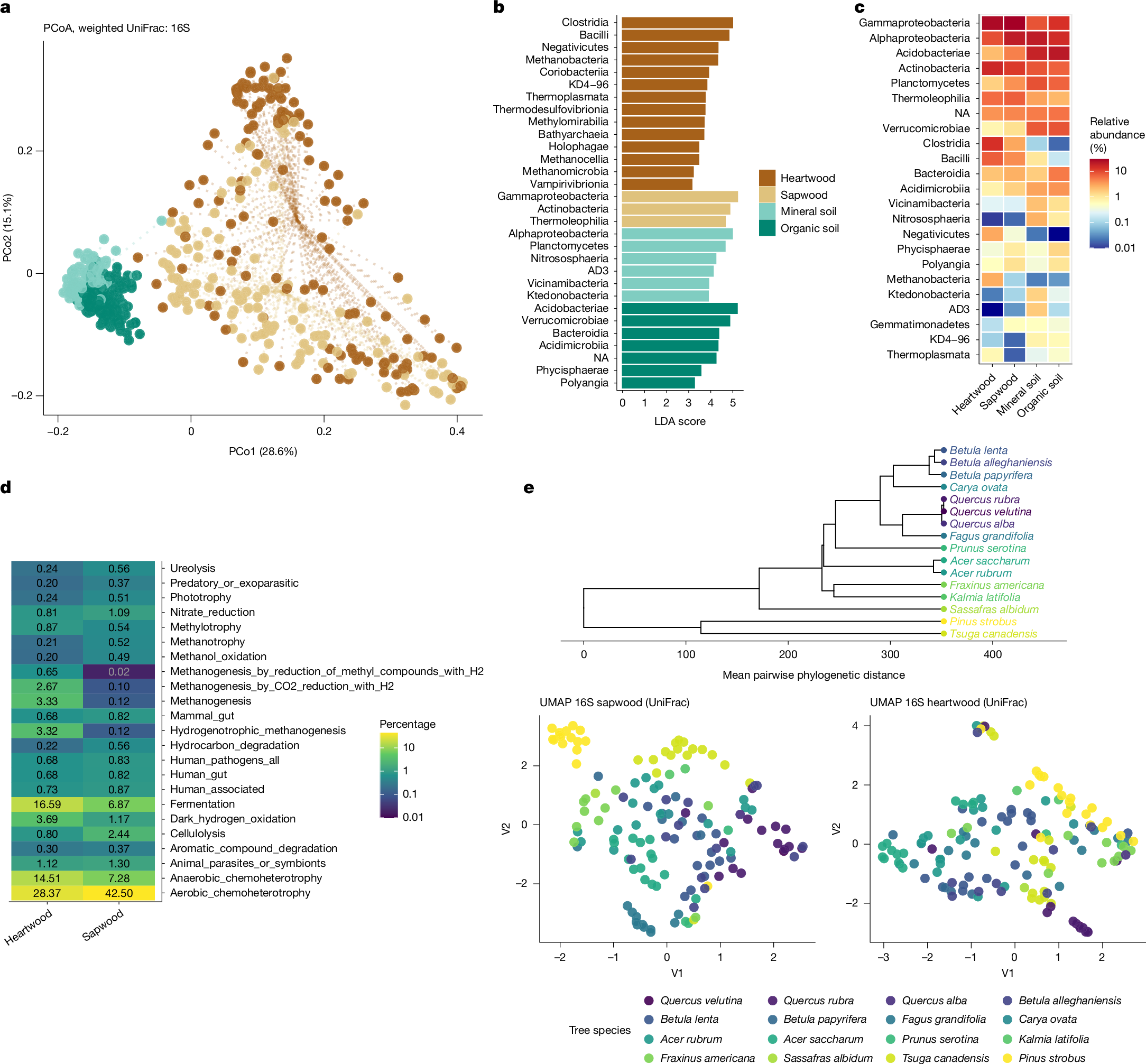
A diverse and distinct microbiome inside living trees
Nature - Microbiome analyses of living trees show that a single tree can host approximately one trillion bacteria, with microbial communities distinctly partitioned between heartwood and sapwood...
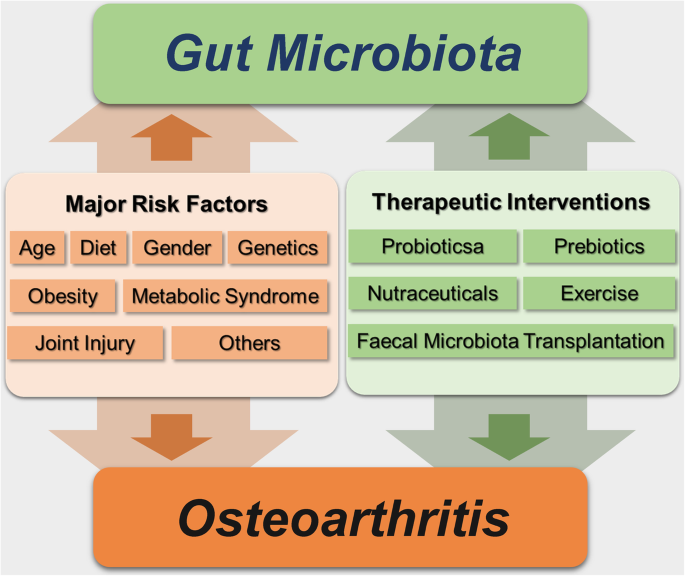
The gut microbiota in osteoarthritis: where do we stand and what can we do?
Osteoarthritis (OA) is one of the most frequent musculoskeletal diseases characterized by degeneration of articular cartilage, subchondral bone remodeling, and synovial membrane inflammation, which is a leading cause of global disability, morbidity, and decreased quality of life. Interpreting the potential mechanisms of OA pathogenesis is essential for developing novel prevention and disease-modifying therapeutic interventions. Gut microbiota is responsible for a series of metabolic, immunological, and structural and neurological functions, potentially elucidating the heterogeneity of OA phenotypes and individual features. In this narrative review, we summarized research evidence supporting the hypothesis of a “gut-joint axis” and the interaction between gut microbiota and the OA-relevant factors, including age, gender, genetics, metabolism, central nervous system, and joint injury, elucidating the underlying mechanisms of this intricate interaction. In the context, we also speculated the promising manipulation of gut microbiota in OA management, such as exercise and fecal microbiota transplantation (FMT), highlighting the clinical values of gut microbiota. Additionally, future research directions, such as more convincing studies by the interventions of gut microbiota, the gene regulation of host contributing to or attributed to the specific phenotypes of gut microbiota related to OA, and the relevance of distinct cell subgroups to gut microbiota, are expected. Moreover, gut microbiota is also the potential biomarker related to inflammation and gut dysbiosis that is able to predict OA progression and monitor the efficacy of therapeutic intervention.
A challenge if anyone wants to take it up. Here is a recent review in the BMJ on the "Evidence for clinical interventions targeting the gut microbiome in cardiometabolic disease". There is not a single effect estimate reported in this review, or either supplemental file bmj.com/content/383/bmj-2023-075180

Evidence for clinical interventions targeting the gut microbiome in cardiometabolic disease
www.bmj.comso I just commented on that paper in Cell Host and Microbe that is cited as evidence that the autism/microbiome link is solid: pubpeer.com/publications/9A4B5695950D3396… (not sure what the word “precision” is supposed to mean in the title) tldr; looks p-hacked 🫤 and I couldn’t find the ethics approval 🤔
PubPeer - Precision microbial intervention improves social behavior bu...
pubpeer.com
Kevin Mitchell
Criticism of Autism-Gut Microbiome Research Sparks Pushback the-scientist.com/criticism-of-autism-gut-micro…

