


Psychedelics are a broad class of drugs defined by their ability to induce an altered state of consciousness1,2. These drugs have been used for millennia in both spiritual and medicinal contexts, and a number of recent clinical successes have spurred a renewed interest in developing psychedelic therapies3–9. Nevertheless, a unifying mechanism that can account for these shared phenomenological and therapeutic properties remains unknown. Here we demonstrate in mice that the ability to reopen the social reward learning critical period is a shared property across psychedelic drugs. Notably, the time course of critical period reopening is proportional to the duration of acute subjective effects reported in humans. Furthermore, the ability to reinstate social reward learning in adulthood is paralleled by metaplastic restoration of oxytocin-mediated long-term depression in the nucleus accumbens. Finally, identification of differentially expressed genes in the ‘open state’ versus the ‘closed state’ provides evidence that reorganization of the extracellular matrix is a common downstream mechanism underlying psychedelic drug-mediated critical period reopening. Together these results have important implications for the implementation of psychedelics in clinical practice, as well as the design of novel compounds for the treatment of neuropsychiatric disease.
Psychedelics and Immunomodulation: Novel Approaches and Therapeutic Opportunities
Classical psychedelics are psychoactive substances, which, besides their psychopharmacological activity, have also been shown to exert significant modulatory effects on immune responses by altering signaling pathways involved in inflammation, cellular proliferation and cell survival via activating NF-κB and MAPKs. Recently, several neurotransmitter receptors involved in the pharmacology of psychedelics, such as serotonin and sigma-1 receptors, have also been shown to play crucial roles in numerous immunological processes. This emerging field also offers promising treatment modalities in the therapy of various diseases including autoimmune and chronic inflammatory conditions, infections, and cancer. However, the scarcity of available review literature renders the topic unclear and obscure, mostly posing psychedelics as illicit drugs of abuse and not as physiologically relevant molecules or as possible agents of future pharmacotherapies. In this paper, the immunomodulatory potential of classical serotonergic psychedelics, including N,N-dimethyltryptamine (DMT), 5-methoxy-N,N-dimethyltryptamine (5-MeO-DMT), lysergic acid diethylamide (LSD), 2,5-dimethoxy-4-iodoamphetamine (DOI) and 3,4-methylenedioxy-methamphetamine (MDMA) will be discussed from a perspective of molecular immunology and pharmacology. Special attention will be given to the functional interaction of serotonin and sigma-1 receptors and their cross-talk with Toll-like and RIG-I-like pattern recognition receptor-mediated signaling. Furthermore, novel approaches will be suggested feasible for the treatment of diseases with chronic inflammatory etiology and pathology, such as atherosclerosis, rheumatoid arthritis, multiple sclerosis, schizophrenia, depression and Alzheimer's disease.

Let’s Talk About Bad Trips: Separating Difficult from Traumatic Psychedelic Support
Bad trips are a polarizing concept in psychedelics. Acknowledging that they exist - and knowing how to work with them - can be healing.

A single high dose of psilocybin alters brain function up to one month later
New research provides evidence that the active ingredient in so-called magic mushrooms can affect brain processes related to emotional functioning long
New psychedelic research sheds light on why psilocybin-containing mushrooms have been consumed for centuries
A new study from the Center for Psychedelic and Consciousness Research at Johns Hopkins University School of Medicine provides insight into the

What Are Psychedelic Entities?
The beings people often meet while using psychedelics resist tidy explanations.
Psilocybin induces rapid and persistent growth of neural connections in the brain's frontal cortex, study finds
Yale scientists have found that a single dose of psilocybin given to mice induces a rapid and long-lasting increase in connections between pyramidal
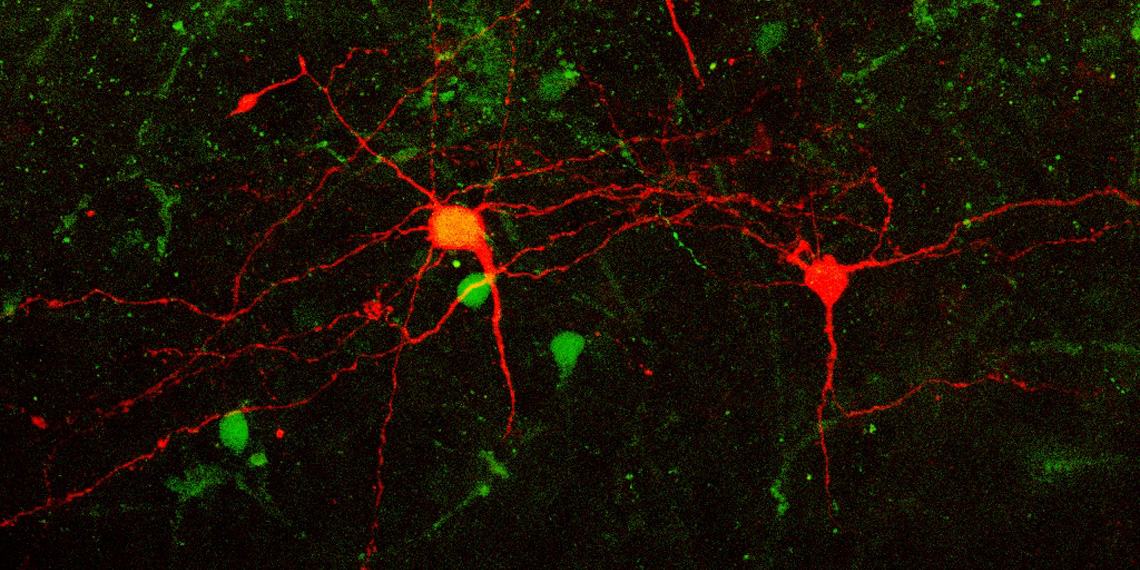
Magic Mushroom Drug Lifts Depression in Human Trial
Psilocybin shows higher remission rate than SSRI drugs in a U.K. study

From treating PTSD to quitting tobacco: researchers say public investment into psychedelic drugs essential | CBC News
Magic mushrooms to treat depression, ecstasy to cure PTSD and LSD to combat alcoholism; just some of the drug-affliction pairings that have been tested in recent years.

The Yale Manual for Psilocybin-Assisted Therapy of Depression (using Acceptance and Commitment Therapy as a Therapeutic Frame)
The Yale Manual for Psilocybin-Assisted Therapy of Depression provides researchers and therapists with methods, structure, and areas to consider regarding the use of psychedelic- assisted therapy in the treatment of Major Depressive Disorder (MDD). In particular, this manual illustrates a mode of utilizing Acceptance and Commitment Therapy (ACT) as a therapeutic framework for psilocybin-assisted therapy of depression.
Psychedelics Linked to Enhanced Sexual Function Even Months After Use, Study Finds
Psychedelics like LSD and psilocybin may improve sexual function for months after use, according to a study conducted by the Centre for Psychedelic Research at … Continue reading
Can Psychedelics Make Us More Moral?
With a renaissance going on in psychedelic research, is making us better people included?

Psilocybin Treatment for Major Depression Effective for Up to a Year for Most Patients, Study Shows
Previous studies by Johns Hopkins Medicine researchers showed that psychedelic treatment with psilocybin relieved major depressive disorder symptoms in adults for up to a month. Now, in a follow-up study of those participants, the researchers report that the substantial antidepressant effects of psilocybin-assisted therapy, given with supportive psychotherapy, may last at least a year for some patients.

Cannabinoids promote embryonic and adult hippocampus neurogenesis and produce anxiolytic- and antidepressant-like effects
The hippocampal dentate gyrus in the adult mammalian brain contains neural stem/progenitor cells (NS/PCs) capable of generating new neurons, i.e., neurogenesis. Most drugs of abuse examined to date decrease adult hippocampal neurogenesis, but the effects of cannabis (marijuana or cannabinoids) on hippocampal neurogenesis remain unknown. This study aimed at investigating the potential regulatory capacity of the potent synthetic cannabinoid HU210 on hippocampal neurogenesis and its possible correlation with behavioral change. We show that both embryonic and adult rat hippocampal NS/PCs are immunoreactive for CB1 cannabinoid receptors, indicating that cannabinoids could act on CB1 receptors to regulate neurogenesis. This hypothesis is supported by further findings that HU210 promotes proliferation, but not differentiation, of cultured embryonic hippocampal NS/PCs likely via a sequential activation of CB1 receptors, Gi/o proteins, and ERK signaling. Chronic, but not acute, HU210 treatment promoted neurogenesis in the hippocampal dentate gyrus of adult rats and exerted anxiolytic- and antidepressant-like effects. X-irradiation of the hippocampus blocked both the neurogenic and behavioral effects of chronic HU210 treatment, suggesting that chronic HU210 treatment produces anxiolytic- and antidepressant-like effects likely via promotion of hippocampal neurogenesis.

Researchers are giving religious leaders psychedelic drugs in the interest of science
Despite the fact that psychedelic drugs have been used for millennia as medicine in ritualistic ceremonies, there remain many questions in the scientific community about the relationship between their spiritual qualities and healing potential. Researchers at Johns Hopkins and New York Universities are giving psilocybin, the active ingredient in magic mushrooms, to ordained ministers in the hopes that they can help provide some answers.

Sam Altman discusses life-changing psychedelics experience | Fortune
OpenAI CEO and co-founder praises the “life-changing” impact of psychedelics

Amphetamine boosts rats’ recovery from brain injuries
A new animal model of traumatic brain injuries can help scientists test treatments and understand long-lasting effects
