


The inverse effects of creatine supplementation and sleep deprivation on high energy phosphates, neural creatine, and cognitive performances suggest that creatine is a suitable candidate for reducing the negative effects of sleep deprivation. With this, the main obstacle is the limited exogenous uptake by the central nervous system (CNS), making creatine only effective over a long-term diet of weeks. Thus far, only repeated dosing of creatine over weeks has been studied, yielding detectable changes in CNS levels. Based on the hypothesis that a high extracellular creatine availability and increased intracellular energy consumption will temporarily increase the central creatine uptake, subjects were orally administered a high single dose of creatinemonohydrate (0.35 g/kg) while performing cognitive tests during sleep deprivation. Two consecutive 31P-MRS scans, 1H-MRS, and cognitive tests were performed each at evening baseline, 3, 5.5, and 7.5 h after single dose creatine (0.35 g/kg) or placebo during sub-total 21 h sleep deprivation (SD). Our results show that creatine induces changes in PCr/Pi, ATP, tCr/tNAA, prevents a drop in pH level, and improves cognitive performance and processing speed. These outcomes suggest that a high single dose of creatine can partially reverse metabolic alterations and fatigue-related cognitive deterioration.
Creatine found to improve cognitive performance during sleep deprivation | Hacker News
Although, I could see this being beneficial in fields where labour is scarce (e.g.: the medical field), I fear it could lend towards a "sleep deprivation is okay, just take creatine" rationale in other fields.
Benefits of Creatine Supplementation for Vegetarians Compared to Omnivorous Athletes: A Systematic Review
Background: Creatine monohydrate is a nutritional supplement often consumed by athletes in anaerobic sports. Creatine is naturally found in most meat products; therefore, vegetarians have reduced creatine stores and may benefit from supplementation. Objective: to determine the effects of creatine supplementation on vegetarians. Data sources: PubMed and SPORTDiscus. Eligibility criteria: Randomized controlled trials (parallel group, cross-over studies) or prospective studies. Participants: Vegetarians. Intervention: Creatine supplementation. Study appraisal and synthesis: A total of 64 records were identified, and eleven full-text articles (covering nine studies) were included in this systematic review. Results: Creatine supplementation in vegetarians increased total creatine, creatine, and phosphocreatine concentrations in vastus lateralis and gastrocnemius muscle, plasma, and red blood cells, often to levels greater than omnivores. Creatine supplementation had no effect on brain levels of phosphocreatine. Creatine supplementation increased lean tissue mass, type II fiber area, insulin-like growth factor-1, muscular strength, muscular endurance, Wingate mean power output, and brain function (memory and intelligence) in vegetarian participants. Studies were mixed on whether creatine supplementation improved exercise performance in vegetarians to a greater extent compared to omnivores. Limitations: Studies that were reviewed had moderate–high risk of bias. Conclusions: Overall, it appears vegetarian athletes are likely to benefit from creatine supplementation.

The brain functional connectome is robustly altered by lack of sleep
Sleep is a universal phenomenon necessary for maintaining homeostasis and function across a range of organs. Lack of sleep has severe health-related consequences affecting whole-body functioning, yet no other organ is as severely affected as the brain. The neurophysiological mechanisms underlying these deficits are poorly understood. Here, we characterize the dynamic changes in brain connectivity profiles inflicted by sleep deprivation and how they deviate from regular daily variability. To this end, we obtained functional magnetic resonance imaging data from 60 young, adult male participants, scanned in the morning and evening of the same day and again the following morning. 41 participants underwent total sleep deprivation before the third scan, whereas the remainder had another night of regular sleep. Sleep deprivation strongly altered the connectivity of several resting-state networks, including dorsal attention, default mode, and hippocampal networks. Multivariate classification based on connectivity profiles predicted deprivation state with high accuracy, corroborating the robustness of the findings on an individual level. Finally, correlation analysis suggested that morning-to-evening connectivity changes were reverted by sleep (control group)-a pattern which did not occur after deprivation. We conclude that both, a day of waking and a night of sleep deprivation dynamically alter the brain functional connectome.
Sleep Deficit: The Performance Killer
Reprint: R0610B Companies today glorify the executive who logs 100-hour workweeks, the road warrior who lives out of a suitcase in multiple time zones, and the negotiator who takes a red-eye to make an 8 AM meeting. But to Dr. Charles A. Czeisler, the Baldino Professor of Sleep Medicine at Harvard Medical School, this kind of corporate behavior is the antithesis of high performance. In fact, he says, it endangers employees and puts their companies at risk. In this interview, Czeisler describes four neurobiological functions that affect sleep duration and quality as well as individual performance. When these functions fall out of alignment because of sleep deprivation, people operate at a far lower level of performance than they would if they were well rested. Czeisler goes on to observe that corporations have all kinds of policies designed to protect employees—rules against smoking, sexual harassment, and so on—but they push people to the brink of self-destruction by expecting them to work too hard, too long, and with too little sleep. The negative effects on cognitive performance, Czeisler says, can be similar to those that occur after drinking too much alcohol: “We now know that 24 hours without sleep or a week of sleeping four or five hours a night induces an impairment equivalent to a blood alcohol level of .1%. We would never say, ‘This person is a great worker! He’s drunk all the time!’ yet we continue to celebrate people who sacrifice sleep for work.” Czeisler recommends that companies institute corporate sleep policies that discourage scheduled work beyond 16 consecutive hours as well as working or driving immediately after late-night or overnight flights. A sidebar to this article summarizes the latest developments in sleep research.
'Sleep should be prescribed': what those late nights out could be costing you
Leading neuroscientist Matthew Walker on why sleep deprivation is increasing our risk of cancer, heart attack and Alzheimer’s – and what you can do about it
Caffeine dosing strategies to optimize alertness during sleep loss
Summary Sleep loss, which affects about one‐third of the US population, can severely impair physical and neurobehavioural performance. Although caffeine, the most widely used stimulant in the world, can mitigate these effects, currently there are no tools to guide the timing and amount of caffeine consumption to optimize its benefits. In this work, we provide an optimization algorithm, suited for mobile computing platforms, to determine when and how much caffeine to consume, so as to safely maximize neurobehavioural performance at the desired time of the day, under any sleep‐loss condition. The algorithm is based on our previously validated Unified Model of Performance, which predicts the effect of caffeine consumption on a psychomotor vigilance task. We assessed the algorithm by comparing the caffeine‐dosing strategies (timing and amount) it identified with the dosing strategies used in four experimental studies, involving total and partial sleep loss. Through computer simulations, we showed that the algorithm yielded caffeine‐dosing strategies that enhanced performance of the predicted psychomotor vigilance task by up to 64% while using the same total amount of caffeine as in the original studies. In addition, the algorithm identified strategies that resulted in equivalent performance to that in the experimental studies while reducing caffeine consumption by up to 65%. Our work provides the first quantitative caffeine optimization tool for designing effective strategies to maximize neurobehavioural performance and to avoid excessive caffeine consumption during any arbitrary sleep‐loss condition.

The sleep switch that builds muscle, burns fat, and boosts brainpower
UC Berkeley researchers mapped the brain circuits that control growth hormone during sleep, uncovering a feedback system where sleep fuels hormone release, and the hormone regulates wakefulness. The discovery helps explain links between poor sleep, obesity, diabetes, and cognitive decline, while opening new paths for treating sleep and metabolic disorders.

Effect of gut microbiome modulation on muscle function and cognition: the PROMOTe randomised controlled trial
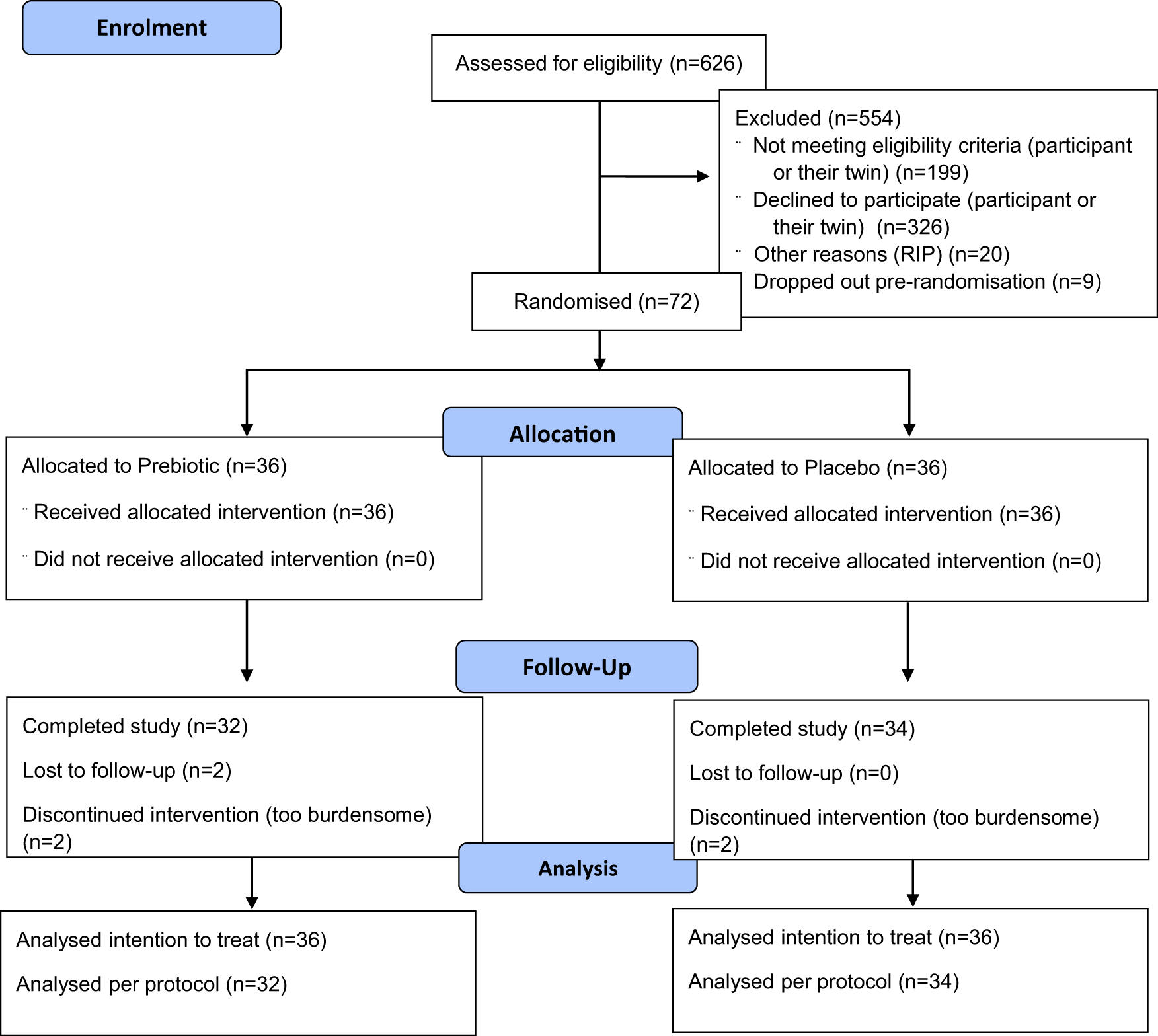
Studies suggest that inducing gut microbiota changes may alter both muscle physiology and cognitive behaviour. Gut microbiota may play a role in both anabolic resistance of older muscle, and cognition. In this placebo controlled double blinded randomised controlled trial of 36 twin pairs (72 individuals), aged ≥60, each twin pair are block randomised to receive either placebo or prebiotic daily for 12 weeks. Resistance exercise and branched chain amino acid (BCAA) supplementation is prescribed to all participants. Outcomes are physical function and cognition. The trial is carried out remotely using video visits, online questionnaires and cognitive testing, and posting of equipment and biological samples. The prebiotic supplement is well tolerated and results in a changed gut microbiome [e.g., increased relative Bifidobacterium abundance]. There is no significant difference between prebiotic and placebo for the primary outcome of chair rise time (β = 0.579; 95% CI −1.080-2.239 p = 0.494). The prebiotic improves cognition (factor score versus placebo (β = −0.482; 95% CI,−0.813, −0.141; p = 0.014)). Our results demonstrate that cheap and readily available gut microbiome interventions may improve cognition in our ageing population. We illustrate the feasibility of remotely delivered trials for older people, which could reduce under-representation of older people in clinical trials. ClinicalTrials.gov registration: NCT04309292.
The effects of physical activity on sleep architecture and mood in naturalistic environments
Physical activity has been found to alter sleep architecture, but these effects have been studied predominantly in the laboratory and the generalizability of these findings to naturalistic environments and longer time intervals, as well as their psychological effects, have not been evaluated. Recent technological advancements in wearable devices have made it possible to capture detailed measures of sleep outside the lab, including timing of specific sleep stages. In the current study, we utilized photoplethysmography coupled with accelerometers and smartphone ambulatory assessment to collect daily measurements of sleep, physical activity and mood in a sample of N = 82 over multi-month data collection intervals. We found a robust inverse relationship between sedentary behavior and physical activity and sleep architecture: both low-intensity and moderate-to-vigorous physical activity were associated with increased NREM sleep and decreased REM sleep, as well as a longer REM latency, while higher levels of sedentary behavior showed the opposite pattern. A decreased REM/NREM ratio and increased REM latency were in turn associated with improved wellbeing, including increased energy, reduced stress and enhanced perceived restfulness of sleep. Our results suggest that physical activity and sleep account for unique variance in a person’s mood, suggesting that these effects are at least partially independent.

kkontras/NeuroAtlas
◉ NeuroAtlas: an EEG foundation-model benchmark across sleep, brain-age, epilepsy and BCI (NeurIPS 2026)
Pre-sleep treatment with galantamine stimulates lucid dreaming: A double-blind, placebo-controlled, crossover study
Lucid dreaming is a remarkable state of consciousness in which one is aware of the fact that one is dreaming while continuing to dream. Based on the strong relationship between physiological activation during rapid eye-movement sleep and lucid dreaming, our pilot research investigated whether enhancing cortical activation via acetylcholinesterease inhibition (AChEI) would increase the frequency of lucid dreams and found AChEI to be a promising method for lucid dream induction. In the current study we sought to quantify the size and reliability of the effect of AChEI on lucid dreaming, dream recall and dream content as well as to test the effectiveness of an integrated lucid dream induction protocol which combined cholinergic stimulation with other methods for lucid dream induction. Participants (N = 121) with high dream recall and an interest in lucid dreaming were randomly assigned counterbalanced orders of 3 doses of galantamine (0, 4 and 8 mg). On 3 consecutive nights, they awoke approximately 4.5 hours after lights out, recalled a dream, ingested the capsules and stayed out of bed for at least 30 minutes. Participants then returned to bed and practiced the Mnemonic Induction of Lucid Dreams technique while returning to sleep. The percentage of participants who reported a lucid dream was significantly increased for both 4 mg (27%, odds ratio = 2.29) and 8 mg doses (42%, odds ratio = 4.46) compared to the active placebo procedure (14%). Galantamine also significantly increased dream recall, sensory vividness and complexity (p<0.05). Dream recall, cognitive clarity, control, positive emotion, vividness and self-reflection were increased during lucid compared to non-lucid dreams (p<0.0001). These results show that galantamine increases the frequency of lucid dreams in a dose-related manner. Furthermore, the integrated method of taking galantamine in the last third of the night with at least 30 minutes of sleep interruption and with an appropriately focused mental set is one of the most effective methods for inducing lucid dreams available today.
Enhancing Human Cognition with Cocoa Flavonoids
Enhancing cognitive abilities has become a fascinating scientific challenge, recently driven by the interest in preventing age-related cognitive decline and sustaining normal cognitive performance in response to cognitively demanding environments. In recent years cocoa and cocoa-derived products, as a rich source of flavonoids, mainly the flavanols sub-class, have been clearly shown to exert cardiovascular benefits. More recently, neuromodulation and neuroprotective actions have been also suggested. Here, we discuss human studies specifically aimed at investigating the effects of acute and chronic administration of cocoa flavanols on different cognitive domains, such as executive functions, attention and memory. Through a variety of direct and indirect biological actions, in part still speculative, cocoa and cocoa-derived food have been suggested to possess the potential to counteract cognitive decline and sustain cognitive abilities, particularly among patients at risk. Although still at a preliminary stage, research investigating the relations between cocoa and cognition shows dose-dependent improvements in general cognition, attention, processing speed and working memory. Moreover, cocoa flavanols administration could also enhance normal cognitive functioning and exert a protective role on cognitive performance and cardiovascular function specifically impaired by sleep loss, in healthy subjects. Together, these findings converge at pointing to cocoa as a new interesting nutraceutical tool to protect human cognition and counteract different types of cognitive decline, thus encouraging further investigations. Future research should include complex experimental designs combining neuroimaging techniques with physiological and behavioral measures to better elucidate cocoa neuromodulatory properties and directly compare immediate versus long-lasting cognitive effects.

A daytime nap is good for the brain
Those prone to napping had brains that looked up to six years younger than everyone else.
Are two halves better than one whole? A comparison of the amount and quality of sleep obtained by healthy adult males living on split and consolidated sleep-wake schedules
The aim of this study was to compare the quantity/quality of sleep obtained by people living on split and consolidated sleep-wake schedules. The study had a between-groups design, with 13 participants in a consolidated condition (all males, mean age of 22.5yr) and 16 participants in a split condition (all males, mean age of 22.6yr). Both conditions employed forced desynchrony protocols with the activity:rest ratio set at 2:1, but the consolidated condition had one sleep-wake cycle every 28h (9.33+18.67), while the split condition had one sleep-wake cycle every 14h (4.67+9.33). Sleep was assessed using polysomnography. Participants in the split and consolidated conditions obtained 4.0h of sleep per 14h and 7.6h of sleep per 28h, respectively. Some differences between the groups indicated that sleep quality was lower in the split condition than the consolidated condition: the split sleeps had longer sleep onset latency (9.7 vs. 4.3min), more arousals (7.4 vs. 5.7 per hour in bed), and a greater percentage of stage 1 sleep (4.1% vs. 3.1%), than the consolidated sleeps. Other differences between the groups indicated that sleep quality was higher in the split condition than the consolidated condition: the split sleeps had a lower percentage of wake after sleep onset sleep (11.7% vs. 17.6%), and a greater percentage of slow wave sleep (30.2% vs. 23.8%), than the consolidated sleeps. These results indicate that the split schedule was not particularly harmful, and may have actually been beneficial, to sleep. Split work-rest schedules can be socially disruptive, but their use may be warranted in work settings where shiftworkers are separated from their normal family/social lives (e.g., fly-in fly-out mining) or where the need for family/social time is secondary to the task (e.g., emergency response to natural disasters).
Sleep: Educational Impact and Habit Formation
In a field experiment among US university students, incentives for sleep increase both sleep and academic performance. Our primary intervention pairs bedtime reminders with morning feedback and immediate rewards for sleeping at least 7 hours on weeknights. The intervention raises the share of weeknights with 7+ hours of sleep by 26% and average sleep by 19 minutes during a 4-week treatment period, with posttreatment effects of 8 minutes. Immediate incentives outperform both delayed incentives and reminders/feedback alone during treatment but have no distinguishable impacts posttreatment. The primary intervention improves average semester course performance by 0.075–0.089 grade points, a 0.10–0.11 standard deviation increase. Our results demonstrate that incentives targeting sleep can be a cost-effective approach to improve educational outcomes.
