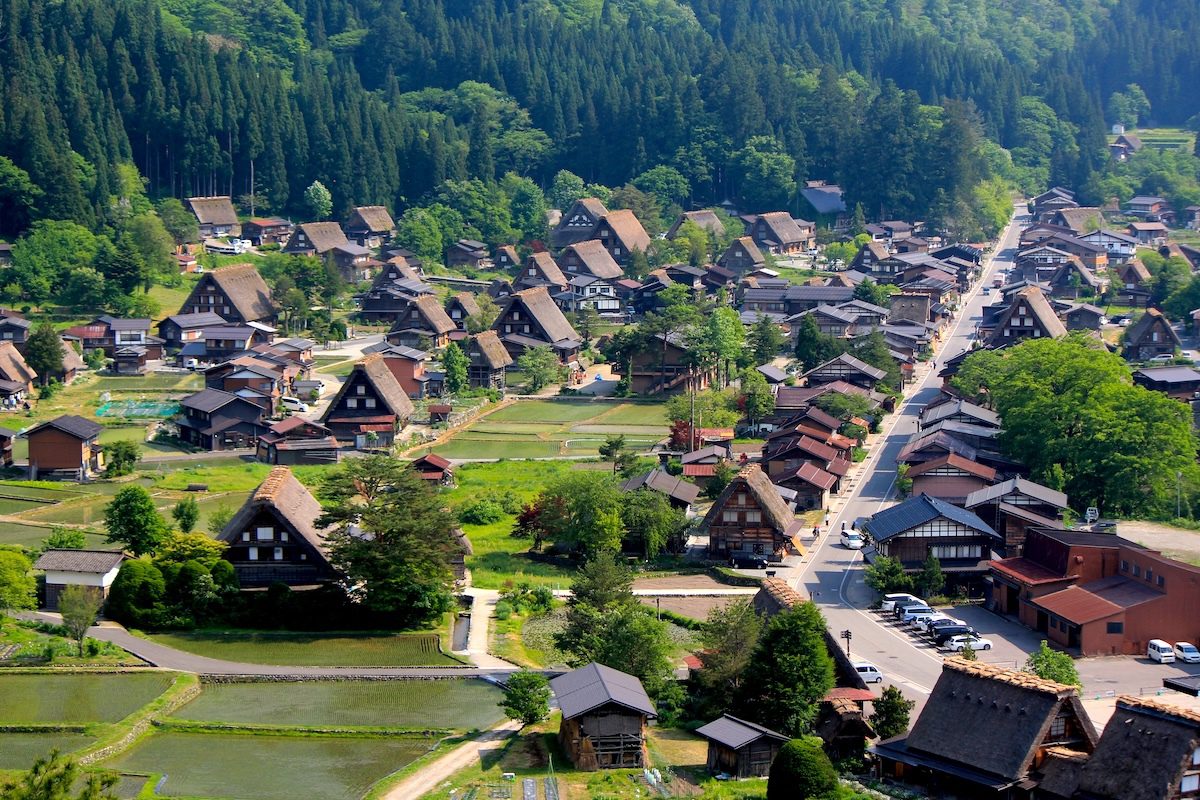
Global studies consistently highlight a direct relationship between habitat and species losses, and human population and economic growth. Nevertheless, countries are experiencing below-replacement human fertility and starting to depopulate; among these countries, Japan is a global forerunner. To better understand whether human depopulation automatically yields environmentally restorative outcomes, we examine the impacts of human depopulation on aspects of biodiversity in Japan. Alongside population, land use and surface temperature, we analyse biodiversity change among 464 taxonomic species of bird, butterfly, firefly and frog egg masses, and 2,922 native and non-native plant species in wooded, agricultural and peri-urban landscapes across Japan over periods of 5–17 years from 2004. Irrespective of human population increase or decrease, biodiversity losses continue among most species studied mainly because of change in agricultural land use, either due to urbanization, disuse and abandonment, or intensification. Only where human numbers are currently stable, biodiversity is also more stable, although we anticipate that this may also change as ageing deepens into depopulation in these areas. We conclude by urging countries facing depopulation to account for its outcomes in their biodiversity conservation and restoration strategies.
As the Japanese Countryside Empties Out, Wildlife Is Disappearing
The Japanese population is in decline, but the downward trend is especially pronounced in rural areas. The loss of people might be expected to lead to a resurgence of wildlife. But paradoxically, where farms have been abandoned, wildlife is also disappearing.
IPBES Transformative Change Assessment : Full report
Thematic assessment of the underlying causes of biodiversity loss, determinants of transformative change and options for achieving the 2050 Vision for Biodiversity of the Intergovernmental Science-Policy Platform on Biodiversity and Ecosystem Services (IPBES) is composed of 1) a Summary for Policymakers (SPM), and 2) a set of five Chapters. All products of the assessment are available on Zenodo. Find all the links on the side bar "has part"
Biodiversity strategy to 2045: tackling the nature emergency - draft
This draft biodiversity strategy sets out our clear ambition for Scotland to be Nature Positive by 2030, and to have restored and regenerated biodiversity across the country by 2045.

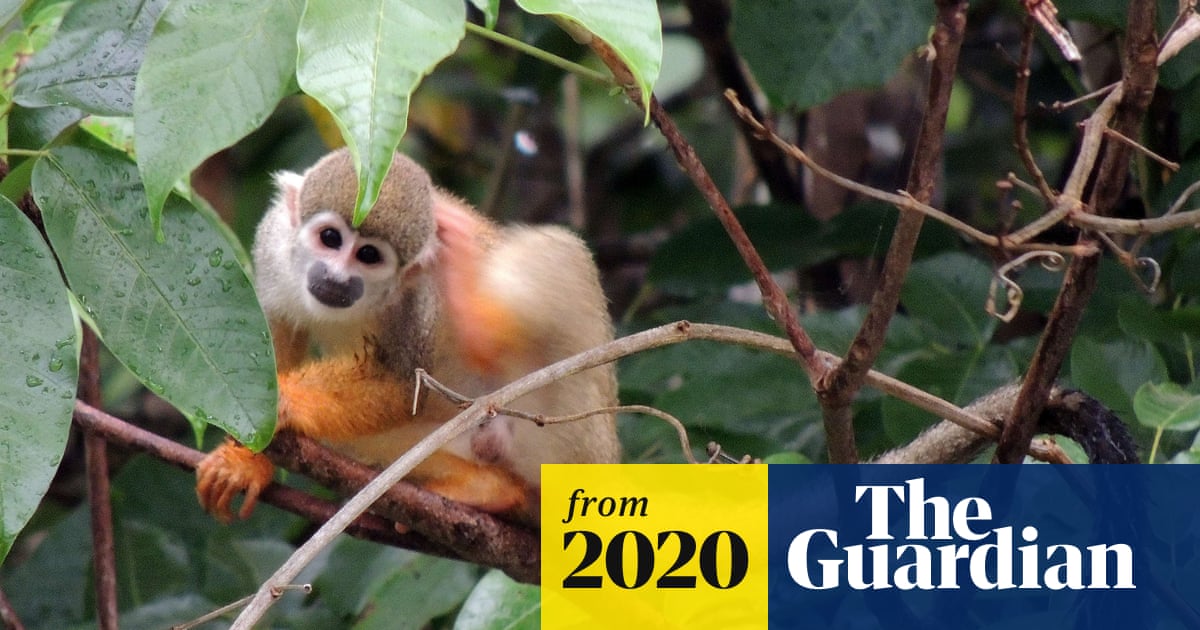
Wildlife destruction 'not a slippery slope but a series of cliff edges'
New study finds ocean ecosystems likely to collapse in 2020s and land species in 2040s unless global warming stemmed
Future of the human climate niche | PNAS
All species have an environmental niche, and despite technological advances, humans are unlikely to be an exception. Here, we demonstrate that for ...

Measuring biodiversity: research into approaches
This report considers methodologies for measuring biodiversity at site-level for use in Scotland.
Biodiversity: delivery plan 2024 to 2030
The first in a series of rolling Delivery Plans which form part of our Strategic Framework for Biodiversity, in conjunction with the Scottish Biodiversity Strategy. It includes actions needed to ensure we are on track to achieving the vision and outcomes in the Strategy.
Scottish Biodiversity Strategy to 2045
This is the final updated version of our biodiversity strategy which sets out our clear ambition for Scotland to be Nature Positive by 2030, and to have restored and regenerated biodiversity across the country by 2045.
GBIF
Global Biodiversity Information Facility. Free and Open Access to Biodiversity Data.
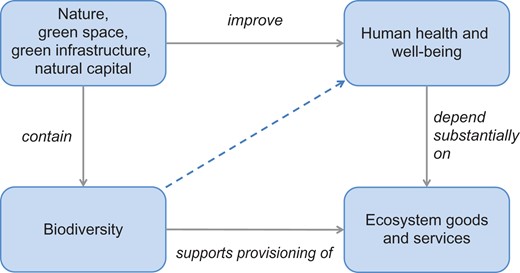
Biodiversity and human health: mechanisms and evidence of the positive health effects of diversity in nature and green spaces
AbstractIntroduction. Natural environments and green spaces provide ecosystem services that enhance human health and well-being. They improve mental health
IPBES Transformative Change Assessment: Summary for Policymakers
Summary for Policymakers of the Thematic Assessment Report on the Underlying Causes of Biodiversity Loss and the Determinants of Transformative Change and Options for Achieving the 2050 Vision for Biodiversity of the Intergovernmental Science-Policy Platform on Biodiversity and Ecosystem Services. The IPBES Transformative Change Assessment was initiated following a decision from the IPBES Plenary at its eigth session (IPBES-8, June 2021), and has been approved by the IPBES Plenary at its eleventh session (IPBES-11, Windhoek, 2024). It is composed of a Summary for Policymakers and five Chapters. IPBES is an independent intergovernmental body established by Governments in 2012, IPBES provides policymakers with objective scientific assessments about the state of knowledge regarding the planet’s biodiversity, ecosystems and the contributions they make to people, as well as options and actions to protect and sustainably use these vital natural assets.
We only have 8 years left before: deglaciation of W. Antarctica begins 80% of coral reefs die Arctic sea ice disappears world crops fail simultaneously 40% of N. American birds go extinct rainforest collapse is locked in The planet you think you're living on no longer exists.
We only have 8 years left before:deglaciation of W. Antarctica begins80% of coral reefs dieArctic sea ice disappearsworld crops fail simultaneously40% of N. American birds go extinctrainforest collapse is locked inThe planet you think you're living on no longer exists.— Ben See (@ClimateBen) January 25, 2020
Global assessment report on biodiversity and ecosystem services of the Intergovernmental Science-Policy Platform on Biodiversity and Ecosystem Services
IPBES is to perform regular and timely assessments of knowledge on biodiversity and ecosystem services and their interlinkages at the global level. Also addressing an invitation by the Conference of the Parties of the Convention on Biological Diversity (CBD) to prepare a global assessment of biodiversity and ecosystem services building, inter alia, on its own and other relevant regional, subregional and thematic assessments, as well as on national reports. The overall scope of the assessment is to assess the status and trends with regard to biodiversity and ecosystem services, the impact of biodiversity and ecosystem services on human well-being and the effectiveness of responses, including the Strategic Plan and its Aichi Biodiversity Targets. It is anticipated that this deliverable will contribute to the process for the evaluation and renewal of the Strategic Plan for Biodiversity and its Aichi Biodiversity Targets. The IPBES Global Assessment on Biodiversity and Ecosystem Services is composed of 1) a Summary for Policymakers (SPM), approved by the IPBES Plenary at its 7th session in May 2019 in Paris, France (IPBES-7); and 2) a set of six Chapters, accepted by the IPBES Plenary.
Doughnut of social and planetary boundaries monitors a world out of balance
The doughnut-shaped framework of social and planetary boundaries (the ‘Doughnut’) provides a concise visual assessment of progress towards the goal of meeting the needs of all people within the means of the living planet1–3. Here we present a renewed Doughnut framework with a revised set of 35 indicators that monitor trends in social deprivation and ecological overshoot over the 2000–2022 period. Although global gross domestic product (GDP) has more than doubled, our median results show a modest achievement in reducing human deprivation that would have to accelerate fivefold to meet the needs of all people by 2030. Meanwhile, the increase in ecological overshoot would have to stop immediately and accelerate nearly two times faster towards planetary boundaries to safeguard Earth-system stability by 2050. Disaggregating these global findings shows that the richest 20% of nations, with 15% of the global population, contribute more than 40% of annual ecological overshoot, whereas the poorest 40% of countries, with 42% of the global population, experience more than 60% of the social shortfall. These trends and inequalities reaffirm the case for overcoming the dependence of nations on perpetual GDP growth4,5 and reorienting towards regenerative and distributive economic activity—within and between nations—that assigns priority to human needs and planetary integrity.

Assessing nature's contributions to people
Recognizing culture, and diverse sources of knowledge, can improve assessments , A major challenge today and into the future is to maintain or enhance beneficial contributions of nature to a good quality of life for all people. This is among the key motivations of the Intergovernmental Science-Policy Platform on Biodiversity and Ecosystem Services (IPBES), a joint global effort by governments, academia, and civil society to assess and promote knowledge of Earth's biodiversity and ecosystems and their contribution to human societies in order to inform policy formulation. One of the more recent key elements of the IPBES conceptual framework ( 1 ) is the notion of nature's contributions to people (NCP), which builds on the ecosystem service concept popularized by the Millennium Ecosystem Assessment (MA) ( 2 ). But as we detail below, NCP as defined and put into practice in IPBES differs from earlier work in several important ways. First, the NCP approach recognizes the central and pervasive role that culture plays in defining all links between people and nature. Second, use of NCP elevates, emphasizes, and operationalizes the role of indigenous and local knowledge in understanding nature's contribution to people.

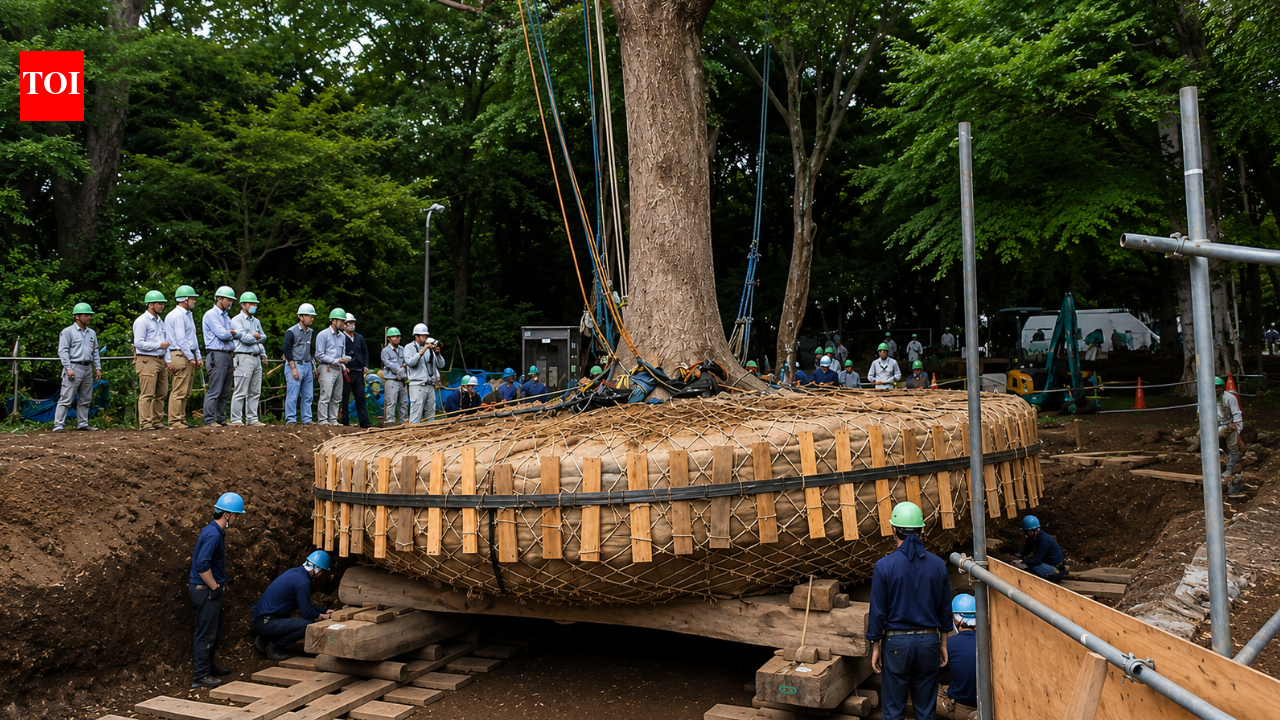
Japan does not cut down centuries-old trees for development. Instead, experts spend months preparing their roots and relocating them
When roads, railways or new buildings are planned, centuries-old trees are often among the first casualties of development. In Japan, however, some of the country's most valuable trees are given a second chance.