

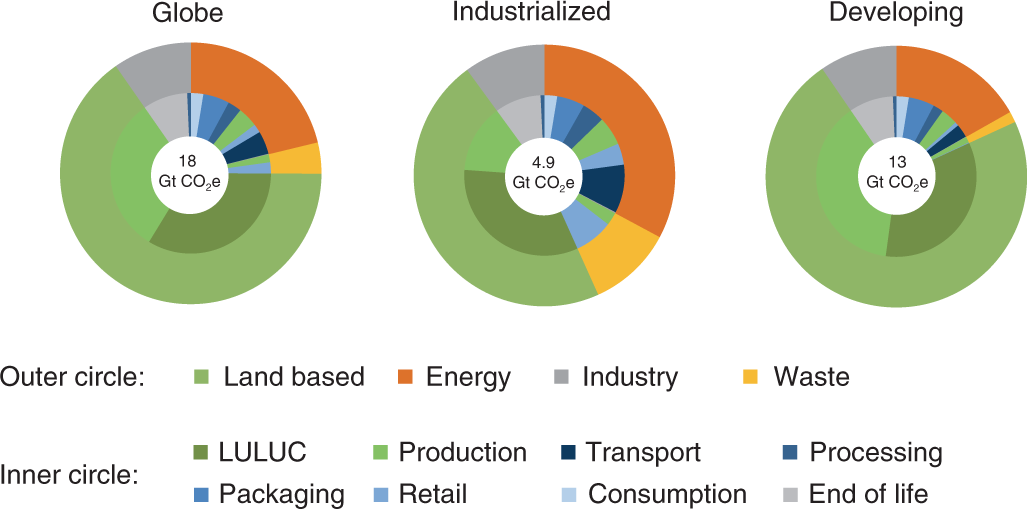
We have developed a new global food emissions database (EDGAR-FOOD) estimating greenhouse gas (GHG; CO2, CH4, N2O, fluorinated gases) emissions for the years 1990–2015, building on the Emissions Database of Global Atmospheric Research (EDGAR), complemented with land use/land-use change emissions from the FAOSTAT emissions database. EDGAR-FOOD provides a complete and consistent database in time and space of GHG emissions from the global food system, from production to consumption, including processing, transport and packaging. It responds to the lack of detailed data for many countries by providing sectoral contributions to food-system emissions that are essential for the design of effective mitigation actions. In 2015, food-system emissions amounted to 18 Gt CO2 equivalent per year globally, representing 34% of total GHG emissions. The largest contribution came from agriculture and land use/land-use change activities (71%), with the remaining were from supply chain activities: retail, transport, consumption, fuel production, waste management, industrial processes and packaging. Temporal trends and regional contributions of GHG emissions from the food system are also discussed.
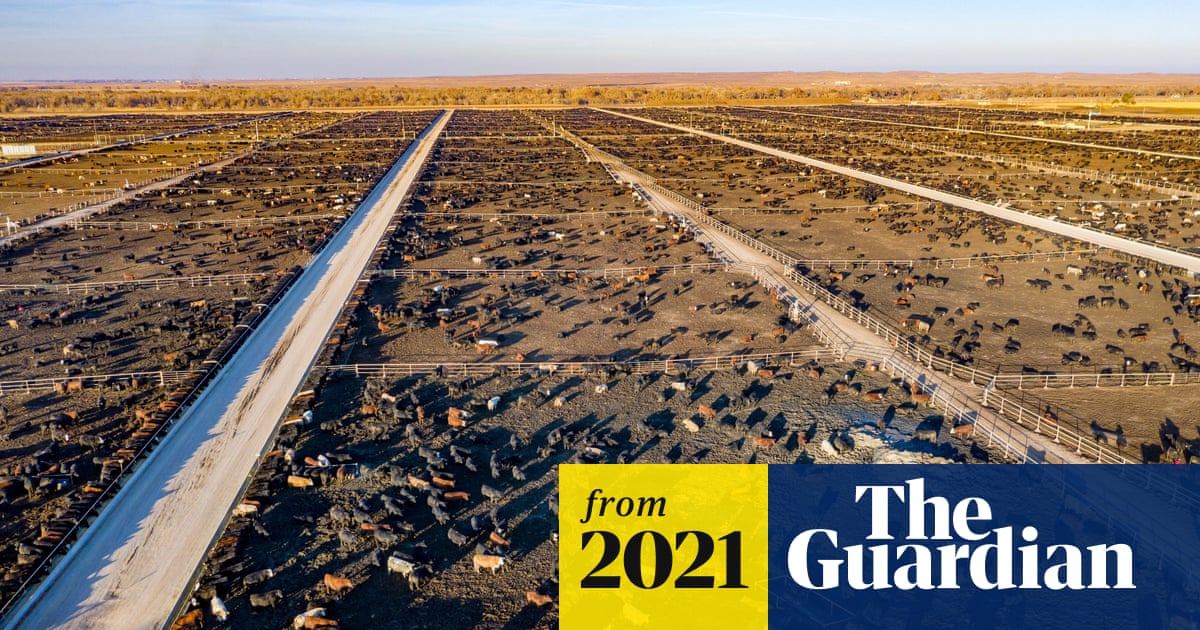
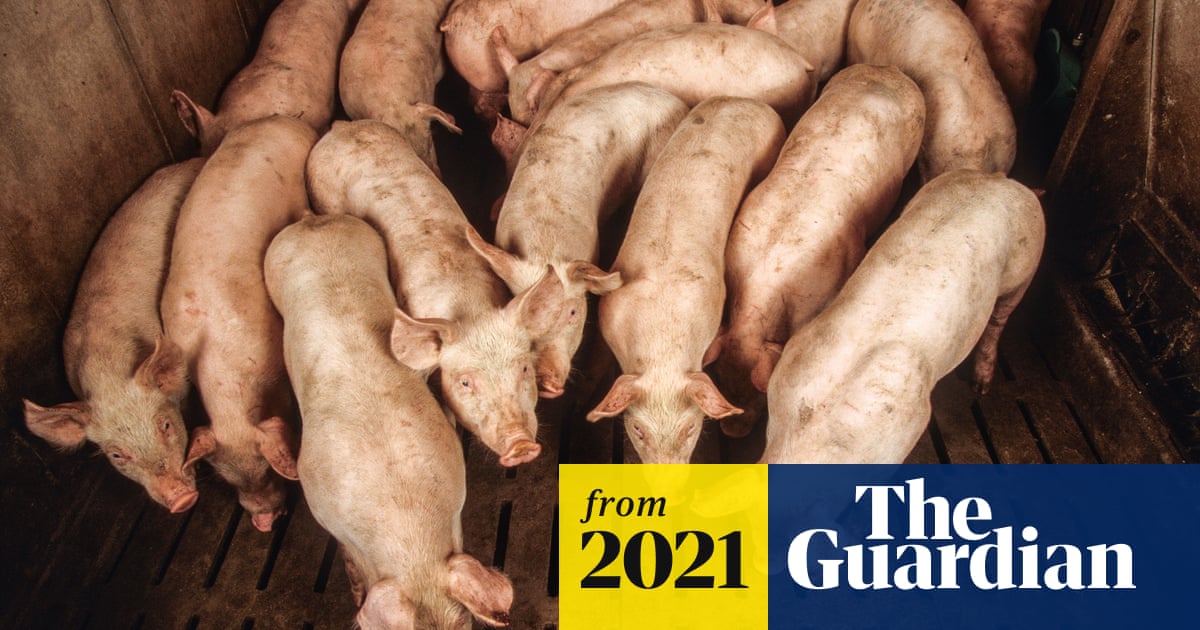
Meat accounts for nearly 60% of all greenhouse gases from food production, study finds
Production of meat worldwide causes twice the pollution of production of plant-based foods, a major new study has found
Home - System Change Not Climate Change
How is it that a regional war halfway across the world can have massive impact on global food systems? The author points to industrial agriculture shaped by capitalism.

Driving Finance for Sustainable Food Systems: A Roadmap to Implementation for Financial Institutions and Policy Makers
Food systems play a central role in all societies and are fundamental to sustainable development. The environmental and social impacts of the global food system are interconnected and affect diverse...
Open Food Facts - world
A collaborative, free and open database of ingredients, nutrition facts and information on food products from around the world

Open Food Facts - world
A collaborative, free and open database of ingredients, nutrition facts and information on food products from around the world
20 meat and dairy firms emit more greenhouse gas than Germany, Britain or France
Livestock companies with large emissions receive billions of dollars in funding, campaigners say

Food system impacts on biodiversity loss
Global food production is the key driver of accelerating biodiversity loss. This paper introduces three levers for reducing pressures on land and creating a more sustainable food system.

Only one country in the world produces all the food it needs, study finds | BBC Science Focus Magazine
The others are vulnerable to the effects of war, natural disasters and trade disputes on their food supply.

Open Food Facts
A collaborative, free and open database of ingredients, nutrition facts and information on food products from around the world
Energy Production and Consumption
Explore data on how energy production and use varies across the world.
Climate change
Present-day climate change includes both global warming—the ongoing increase in global average temperature—and its wider effects on Earth's climate system. Climate change in a broader sense also includes previous long-term changes to Earth's climate. The modern-day rise in global temperatures is driven by human activities, especially fossil fuel burning since the Industrial Revolution. Fossil fuel use, deforestation, and some agricultural and industrial practices release greenhouse gases. These gases absorb some of the heat that the Earth radiates after it warms from sunlight, warming the lower atmosphere. Earth's atmosphere now has roughly 50% more carbon dioxide, the main gas driving global warming, than it did at the end of the pre-industrial era, reaching levels not seen for millions of years.

Sustainable Agriculture and Environment
In the Sustainable Agriculture and Environment program, you’ll learn how to produce food in a way that protects our soils, water and air.
A social-ecological framework for analyzing and designing integrated crop–livestock systems from farm to territory levels
Integrated crop–livestock systems are often considered a promising way to address agricultural sustainability issues. Many authors claim that complementarities and synergies between crops and livestock can improve nutrient cycling and delivery of ecosystem services (ES) in agricultural systems. They have analyzed effects of interactions at the farm level and affirmed the potential advantage of developing crop–livestock interactions at the territory level. However, potential benefits of developing synergies beyond the farm level have not been clearly identified. Thus, we developed a conceptual framework that can be used to analyze, design and perform integrated assessment of crop–livestock systems at the territory level. To address crop–livestock interaction issues, we define it as a social-ecological system called the territorial crop–livestock system (TCLS). The ecological system is represented as three interacting components, crops, grasslands and animals, allowing description of various land uses and their potential effects on nutrient cycling and ES. The social system, represented as farmers interacting with natural-resource managers and agro-food chain actors, determines land use and the nature and intensity of ES delivered. We highlight the importance of coordination and learning among actors to support implementation of complex adaptive systems such as TCLSs. We illustrate the expressive power of our conceptual framework through development of a generic typology of crop–livestock systems. Then we show how our conceptual framework can be used as an intermediary object with stakeholders in participatory design approaches. We illustrate this process by representing four archetypal TCLSs. We provide an example of the design approach implemented in Southwestern France to address severe recurrent water shortages, which includes analysis of land use in the current crop–livestock system and the associated key metabolic and ES issues, identification of options for change and multi-criteria analysis of these options. We conclude that this framework shows great potential to support development of sustainable farming systems at the territory level.
Your Questions About Food and Climate Change, Answered (Published 2022)
Your diet affects climate change. Here’s what you need to know about eating meat, dairy, seafood and produce, and preventing food waste in a warming world.

Please consult the official Bloomberg estimate of Scope 1+2+3 combined total GHG emissions for the 500 largest public companies in the US, which I have annotated for helpful context. Microsoft emits slightly more GHG than a toothpaste manufacturer (much more than NFLX), but far less than Pepsi.

Ketan Joshi
For some reason "AI is just like watching Netflix" is back in my feeds so I took that as a sign to update my data tracking for Netflix. The company's energy use rose 1% from 2021 to 2024. Compare that to: Google: 71% Nvidia: 88% Meta: 96% Microsoft: 119%
