Future foods, such as microalgae, mycoprotein and mealworm, have been suggested as nutritious and sustainable dietary options. Here we consider one of the most profound, yet neglected, benefits of future foods farming systems—their potential to provide essential nutrition in the face of systemic disturbances—and discuss major barriers to realizing this prospect.
THE STATE OF FOOD SECURITY AND NUTRITION IN THE WORLD 2021
Transforming food systemsfor food security, improved nutritionand affordable healthy diets for all
A contributory citizen science project reveals the impact of dietary keys to microbiome health in Spain
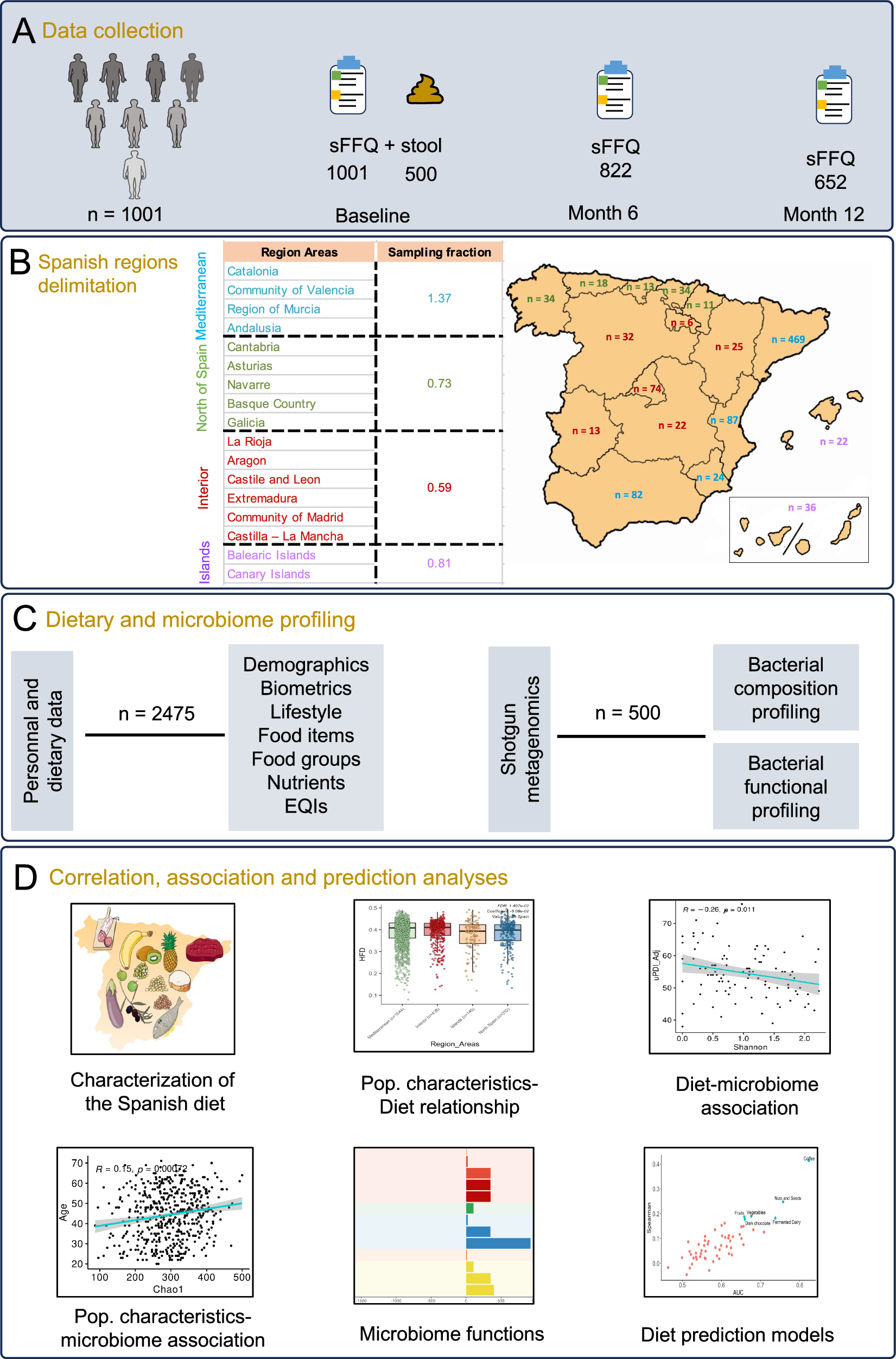
Low consumption of whole grains, fruits, and vegetables has been identified as dietary risks for non-communicable diseases such as inflammatory bowel diseases (IBDs). We explore how individual and lifestyle factors influence these risks by shaping gut microbiome composition. 1001 healthy participants from all Spanish regions provided personal and dietary data at baseline, six, and twelve months, yielding 2475 responses. Gut microbiome data were analyzed for 500 healthy participants and 321 IBD patients. Our findings reveal that adherence to national dietary guidelines—characterized by diets rich in nuts, seeds, fruits, and vegetables—was associated with greater microbial diversity and reduced IBD-related dysbiosis. Finally, we observed variations in dietary patterns and microbiome diversity and composition across age groups, genders, regions, seasons, and transit time. This study is among the first to uncover dietary intake associated with IBD-related dysbiosis and to propose an interactive website for participants (https://manichanh.vhir.org/POP/en).
Plant-based diets crucial to saving global wildlife, says report
Vicious circle of cheap but damaging food is biggest destroyer of nature, says UN-backed report
Open-sourced food production – the future of urban diets?
Scientists are developing open-source technologies that reward locally grown foods, cutting down on shipping and improving nutrition
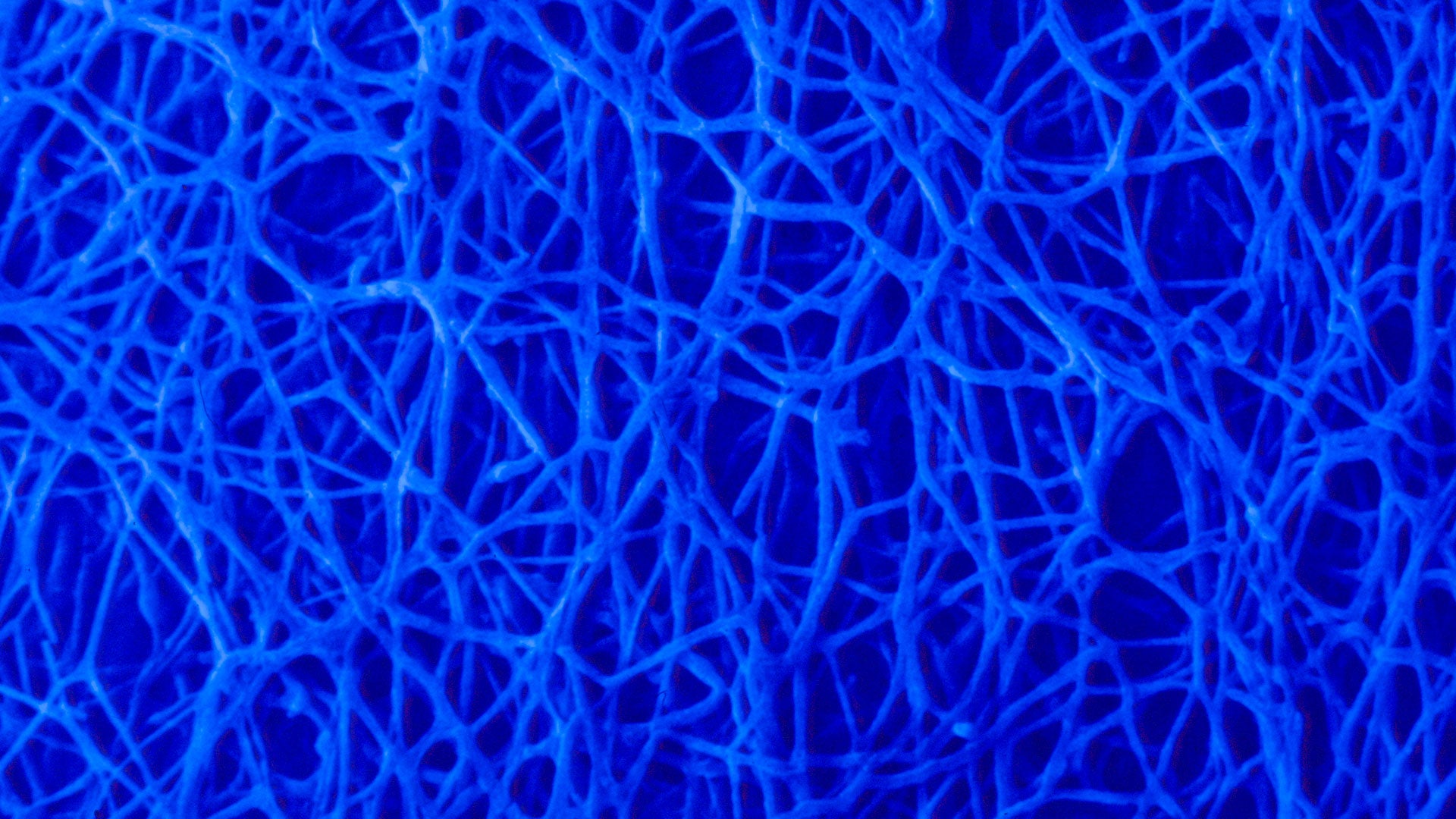
Benefits of Mycelium
Scientists demonstrate significant health benefits of Host Defense mycelium & cultured rice.* In 2017, Paul Stamets and his team at Fungi Perfecti, LLC (FP) have partnered with Natural Immune Systems, Inc. (NIS) to further clarify the immune-enhancing impacts of various mushroom ingredients. NIS Labs specializes in
Sustainable Agriculture and Environment
In the Sustainable Agriculture and Environment program, you’ll learn how to produce food in a way that protects our soils, water and air.
A summer of recalls exposes holes in the nation’s food safety net • Minnesota Reformer
Jalapenos. Frozen berries. Beef. Alfalfa sprouts. A summer of food recalls, including the record-shattering cyclosporiasis outbreak tied to iceberg lettuce that has sickened thousands, has raised many Americans’ fears of contracting a foodborne illness. The recalls have focused attention on the Trump administration’s decision to cut funding and staff at several public health agencies, and […]

New study found the importance of dietary fiber: isn’t just the easier pooping but fermentable fiber -dietary carbohydrates that the human gut cannot process on its own but some bacteria can digest- is also an essential source of nutrients that your gut microbes need to stay healthy
28K votes, 1.2K comments. 35M subscribers in the science community. This community is a place to share and discuss new scientific research. Read…
Food safety hazards in the European seaweed chain
Abstract Seaweed is a source of protein that can help overcome the anticipated challenges of a growing world population and the current challenges for finding alternatives for animal proteins in the Western diet. Thus far, data on the safety of seaweed for feed and food purposes in the Western world are scattered. This study aimed to review the available knowledge on the presence of food safety hazards in seaweed, including factors influencing their presence, and to prioritize the hazards that may pose a risk to human health. Given current knowledge from the literature, data from the Rapid Alert System for Food and Feed, and results from a stakeholder survey, 22 food safety hazards were ranked into major (4), moderate (5), and minor (13) hazards. Arsenic, cadmium, iodine, and Salmonella were identified as major hazards. Hazards, where data gaps exist, should be carefully assessed. These include pesticide residues, dioxins and polychlorinated biphenyls, brominated flame retardants, polycyclic aromatic hydrocarbons, pharmaceuticals, marine biotoxins, allergens, micro‐ and nanoplastics, other pathogenic bacteria, norovirus, and hepatitis E virus. It is recommended to collect more data on these hazards in future studies. Many factors can affect the presence of hazards including seaweed type, physiology, season, harvest and cultivation environment, geography including the location of cultivation, alongside further processing. Moreover, when seaweed is cultivated near industrialized or anthropogenic activities, these activities may negatively influence water quality, which can increase the likelihood of hazards in seaweed. Results of the ranking prioritized hazards can be used to prioritize monitoring programs and adjusted given future additional knowledge covering the data gaps.

Dig for victory
Modern-day food systems are implicated in the biggest challenges our planet and people face. They are responsible for one-quarter to one-third of human-made greenhouse gases. And while plenty of food is produced, much of it is wasted, and millions go hungry. Although a burgeoning food movement is beginning to address some of these climate and inequality issues, the emergency we face requires nothing less than major structural change, some of which will need to be mandated.

If you’re a European, your body requires more vegetables and grains
Genome study reveals different human groups evolved to eat specific diets.

Health effects of dietary risks in 195 countries, 1990–2017: a systematic analysis for the Global Burden of Disease Study 2017
This study provides a comprehensive picture of the potential impact of suboptimal diet on NCD mortality and morbidity, highlighting the need for improving diet across nations. Our findings will inform implementation of evidence-based dietary interventions and provide a platform for evaluation of their impact on human health annually.

What health variables should you document when embarking on a new Soylent diet?
41K subscribers in the soylent community. Resources, links, experiences, and relevant news dealing with engineered staple foods including but not…

Veggie sausages and burgers ‘up to 10 times better for environment than meat’
Breakthrough impact assessment will ‘make it easier for all of us to have healthier, more sustainable diets’