

CEO Satya Nadella said "guardrails" need to be placed around AI technology.
A brief history of AI executives calling for regulation
The industry is in a panic, but it’s been claiming to want legal guardrails for years — with few meaningful results.

ProPublica’s Approach to AI
The principles and guardrails underlying our practices with artificial intelligence.

Microsoft Closes Loophole That Created AI Porn of Taylor Swift
Following 404 Media’s reporting, Microsoft has made changes to a tool people were using to make AI nudes of celebrities.
Statement from Dario Amodei on our discussions with the Department of War
A statement from our CEO on national security uses of AI
As the Federal Government Rushes Toward AI, Here Are Three Cautionary Tales — ProPublica
We’ve been reporting on cybersecurity for years. As President Donald Trump and his Cabinet say artificial intelligence will transform the nation, the messaging isn’t new. It follows a familiar pattern.

Debates over AI consciousness are a trap
If AI systems are viewed as too advanced to control, the companies that build them can’t held liable for the harms they cause.

Misuse of AI is brands’ top reputational threat, new survey says
The findings come after warnings from tech leaders that AI placed in the wrong hands could trigger larger threats such as nuclear war or bioweaponry destruction
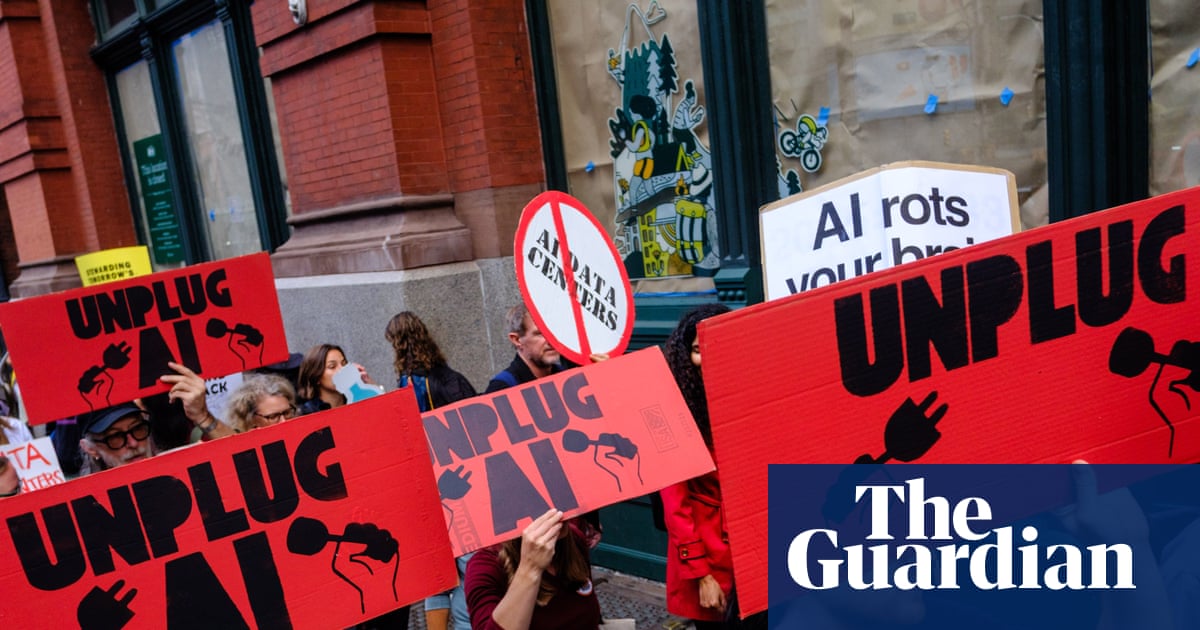
AI safety and the data center backlash
Planting a flag for AI safety as a place where we won’t abjectly bullshit you

An End-to-End View of AI Safety
In this blog, Rachel Coldicutt OBE, Executive Director, Careful Industries discusses our newly published literature review on the safe adoption of artificial intelligence in engineered systems.


Microsoft’s AI Red Team Has Already Made the Case for Itself
Since 2018, a dedicated team within Microsoft has attacked machine learning systems to make them safer. But with the public release of new generative AI tools, the field is already evolving.

Would You Just Look At This Shit
Even if you put AI ethics and tech's support of fascism aside (which you shouldn't), the quality control at major tech companies has become an embarrassing and dangerous mess as they try to justify years of hype.
Humanism without (All) Humans
Microsoft Humanism puts corporate muscle behind an overweening class of bad AI philosophies
Home
Taiwan’s cyber-ambassador Audrey Tang on why the real danger of AI isn’t that machines imitate humans, but that humans adapt to machines.
Silicon Valley Doesn't Get Why You Hate AI
Technology leaders don’t seem to understand society’s gripes about AI, but boy, are they posting through it.

1000+ scientists at frontier AI companies are speaking out to warn that the current commercial race leads to unacceptable security risks. I agree with their call for an international effort to develop technical and governance guardrails to ensure a safer way forward. pacingthefrontier.com

Pacing the Frontier
www.pacingthefrontier.com