


A consensual, componential model of emotions conceptualises them as experiential, physiological, and behavioural responses to personally meaningful stimuli. The present review examines this model in terms of whether different types of emotion-evocative stimuli are associated with discrete and invariant patterns of responding in each response system, how such responses are structured, and if such responses converge across different response systems. Across response systems, the bulk of the available evidence favours the idea that measures of emotional responding reflect dimensions rather than discrete states. In addition, experiential, physiological, and behavioural response systems are associated with unique sources of variance, which in turn limits the magnitude of convergence across measures. Accordingly, the authors suggest that there is no “gold standard” measure of emotional responding. Rather, experiential, physiological, and behavioural measures are all relevant to understanding emotion and cannot be assumed to be interchangeable.
Measuring Psychobiosocial States in Sport: Initial Validation of a Trait Measure
We examined the item characteristics, the factor structure, and the concurrent validity of a trait measure of psychobiosocial states. In Study 1, Italian athletes (N = 342, 228 men, 114 women, Mage = 23.93, SD = 6.64) rated the intensity, the frequency, and the perceived impact dimensions of a psychobiosocial states scale, trait version (PBS-ST), which is composed of 20 items (10 functional and 10 dysfunctional) referring to how they usually felt before an important competition. In Study 2, the scale was cross validated in an independent sample (N = 251, 181 men, 70 women, Mage = 24.35, SD = 7.25). The concurrent validity of the PBS-ST scale scores were also examined in comparison with two sport-specific emotion-related measures and a general measure of affect. Exploratory structural equation modeling and confirmatory factor analysis of the data of Study 1 showed that a 2-factor, 15-item solution of the PBS-ST scale (8 functional items and 7 dysfunctional items) reached satisfactory fit indices for the three dimensions (i.e., intensity, frequency, and perceived impact). Results of Study 2 provided evidence of substantial measurement and structural invariance of all dimensions across samples. The low association of the PBS-ST scale with other measures suggests that the scale taps unique constructs. Findings of the two studies offer initial validity evidence for a sport-specific tool to measure psychobiosocial states.
Norm theory: Comparing reality to its alternatives.
Discover this 1986 paper in Psychological Review by Kahneman, Daniel; and, Miller, Dale T. focusing on: Attribution; Emotional Responses; Social Norms; Judgment; Models Abstract: Presents a theory of norms and normality and applies the theory to phenomena of emotional responses, social judgment, and conversations about causes. Norms are assumed to be constructed ad hoc by recruiting specific representations. Category norms are derived by recruiting exemplars. Specific objects or events generate their own norms by retrieval of similar experiences stored in memory or by construction of counterfactual alternatives. The normality of a stimulus is evaluated by comparing it with the norms that it evokes after the fact, rather than to precomputed expectations. Norm theory is applied in analyses of the enhanced emotional response to events that have abnormal causes, of the generation of predictions and inferences from observations of behavior, and of the role of norms in causal questions and answers. (3 p ref) (PsycInfo Database Record (c) 2025 APA, all rights reserved)
Emotion concepts in a large language model
All modern language models sometimes act like they have emotions. What’s behind these behaviors? Our interpretability team investigates.

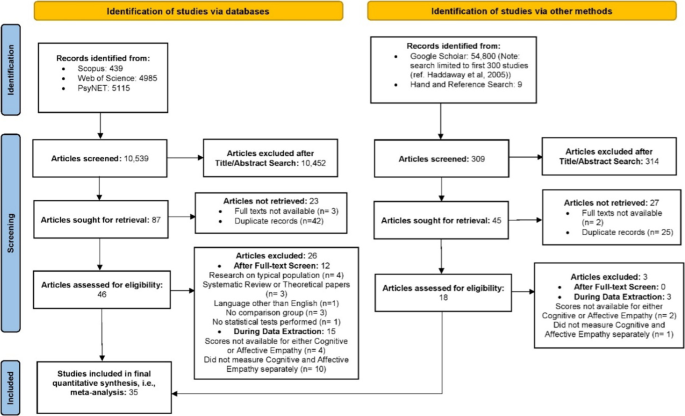
Cognitive and Affective Empathy in Autism Spectrum Disorders: A Meta-analysis
Research has consistently shown that individuals with Autism Spectrum Disorder (ASD) exhibit Empathy deficits. The aim of this study was to systematically review and meta-analyze the research conducted in the domain of cognitive and affective Empathy in Autism. The author also attempted to see the influence of moderators, such as age, culture, and measure-used, on the effect sizes. To fulfill the objective, the meta-analysis was performed on 35 studies that fulfilled the inclusion criteria with the help of the Meta-essentials, which is a free excel meta-analysis tool that facilitates the integration of effect sizes from various studies. The results indicated that the ASD group differs significantly from typically developing (TD) group in both cognitive and affective empathy. The effect size for cognitive empathy was very large (1.26), whereas, for affective empathy, the effect size was medium (0.58). Further, there was a significant moderating effect of the type of measure used on cognitive empathy. However, there are a few limitations of the present meta-analysis. Firstly, it does not shed light on how symptom severity in Autism influences empathy. Secondly, all the possible moderating variables influencing empathy could not be considered. Lastly, the generalizability of the findings may be limited owing to the limitations present in the included studies themselves. The present meta-analysis has implications for conceptualizing cognitive and affective empathy appropriately, and developing appropriate measures to assess empathy in the Autism population.
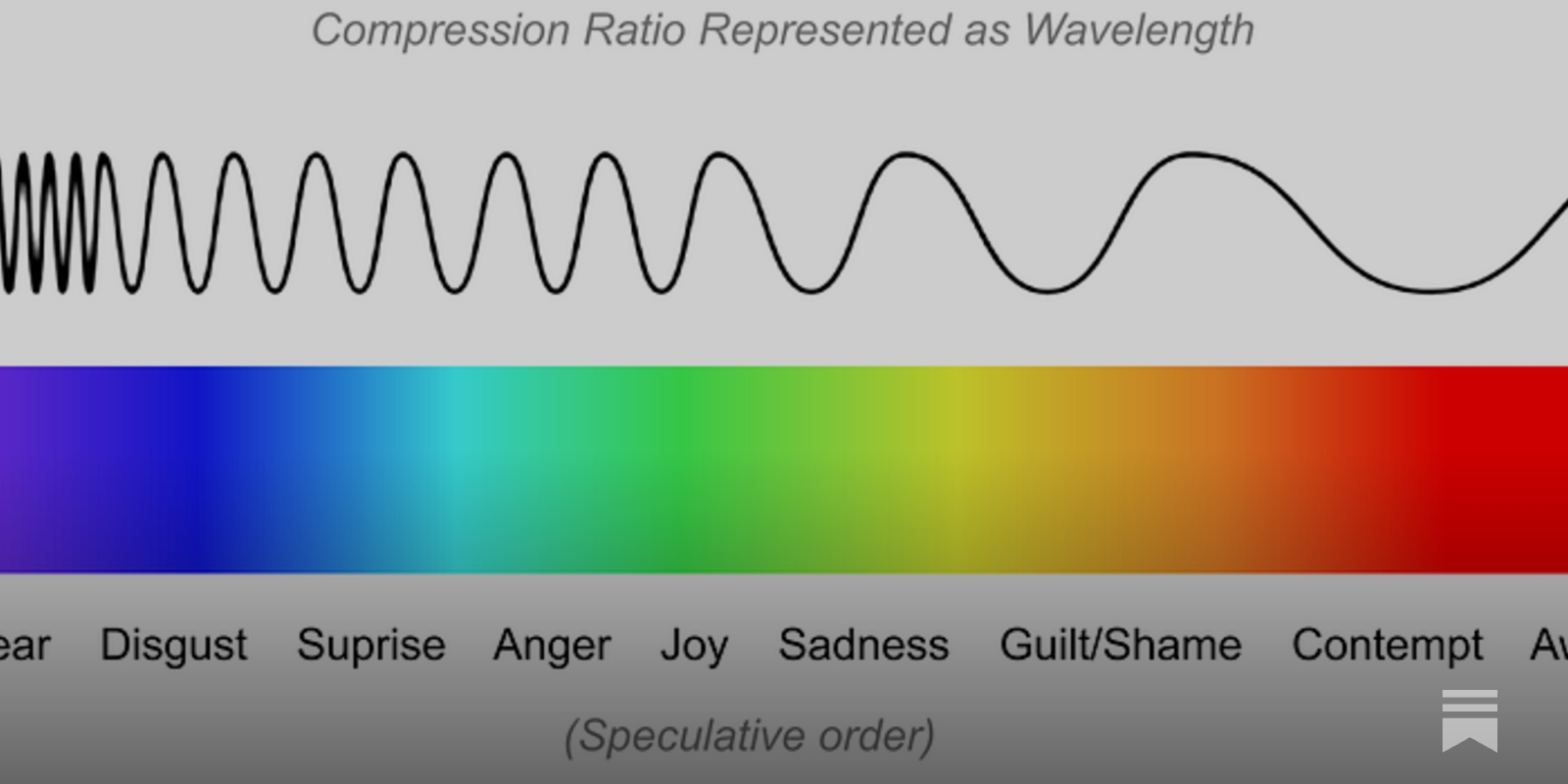
The Signal Conversion Protocol and the Photon Model:
Understanding Emotional Processing Across Cognitive Architectures
The Secret to Emotional Freedom? Feel Everything
When AIs act emotional
The Pain Axis: LLMs Represent Self-Directed Harm and Act to Relieve It
Large language models sometimes behave in ways resembling human emotional responses, and recent work has identified internal representations that may explain this. We ask whether LLMs represent pain distinctly from fear, sadness, and generic negative valence, and whether this representation functions as pain would be expected to. We build a dataset describing painful situations across five categories: physical, psychological, social, moral, and cognitive. These are paired with controls for fear, negative emotion, negative world states, sadness, non-painful bodily sensation, arousal, numbness, and neutral content. Using denoised difference-in-means, we extract a linear pain direction from 25 open-weight models across five families, ranging from 2B to 72B parameters. We find that this direction separates pain from matched controls in base and instruction-tuned models, is nearly orthogonal to fear and negative valence, and promotes pain-related vocabulary through the unembedding matrix. We then test its functional properties. First, the direction responds to harm targeting the model but not suffering observed in the user; fear and negative-emotion directions show the opposite pattern. Second, adding the pain-direction vector to the model's residual-stream activations during generation produces a consistent progression from vague discomfort to first-person expressions of worthlessness and failure. Third, steered, fine-tuned Qwen 2.5 models choose a pain-relief button even when it worsens their next answer or harms the user. They press it again far less often when the button removes the steering vector than when it does not, even though the models are never told whether the vector is injected or removed. We discuss the implications of these findings for AI safety and welfare.

Mindful Judgment and Decision Making
A full range of psychological processes has been put into play to explain judgment and choice phenomena. Complementing work on attention, information integration, and learning, decision research over the past 10 years has also examined the effects of goals, mental representation, and memory processes. In addition to deliberative processes, automatic processes have gotten closer attention, and the emotions revolution has put affective processes on a footing equal to cognitive ones. Psychological process models provide natural predictions about individual differences and lifespan changes and integrate across judgment and decision making (JDM) phenomena. “Mindful” JDM research leverages our knowledge about psychological processes into causal explanations for important judgment and choice regularities, emphasizing the adaptive use of an abundance of processing alternatives. Such explanations supplement and support existing mathematical descriptions of phenomena such as loss aversion or hyperbolic discounting. Unlike such descriptions, they also provide entry points for interventions designed to help people overcome judgments or choices considered undesirable.

Do LLMs Exhibit Human-like Response Biases? A Case Study in Survey Design
Abstract One widely cited barrier to the adoption of LLMs as proxies for humans in subjective tasks is their sensitivity to prompt wording—but interestingly, humans also display sensitivities to instruction changes in the form of response biases. We investigate the extent to which LLMs reflect human response biases, if at all. We look to survey design, where human response biases caused by changes in the wordings of “prompts” have been extensively explored in social psychology literature. Drawing from these works, we design a dataset and framework to evaluate whether LLMs exhibit human-like response biases in survey questionnaires. Our comprehensive evaluation of nine models shows that popular open and commercial LLMs generally fail to reflect human-like behavior, particularly in models that have undergone RLHF. Furthermore, even if a model shows a significant change in the same direction as humans, we find that they are sensitive to perturbations that do not elicit significant changes in humans. These results highlight the pitfalls of using LLMs as human proxies, and underscore the need for finer-grained characterizations of model behavior.1

WebSeitz/wiki
aka FiveFactor, OCEAN - Personality Test - In psychological trait theory, the Big Five personality traits, also known as the OCEAN model is a suggested taxonomy, or grouping, for personality traits,[1] developed from the 1980s onwards. When factor analysis (a statistical technique) is applied to personality survey data, it reveals semantic associations: some words used to describe aspects of personality are often applied to the same person. For example, someone described as conscientious is more likely to be described as "always prepared" rather than "messy". These associations suggest five broad dimensions used in common language to describe the human personality and psyche.[2][3] The theory identifies five factors: openness to experience (inventive/curious vs. consistent/cautious); conscientiousness (efficient/organized vs. extravagant/careless); extraversion (outgoing/energetic vs. solitary/reserved); agreeableness (friendly/compassionate vs. challenging/callous); neuroticism (sensitive/nervous vs. resilient/confident) https://en.wikipedia.org/wiki/Big_Five_personality_traits (more)
Philosophy Officer on Instagram: "I AM SO EMOTIONALLY MATURE I have massive problems with this term. Most people would say it means something along the lines of: the ability to understand, process, regulate or communicate emotions in a healthy way. Now the issue is that all of the terms you use to explain it leave so much room for interpretation the definition becomes almost vacuous. To understand an emotion means to know what caused it? To know the impact it has on you physiologically? To understand how it affects your cognition? To know how it affects others? Same goes with the term healthy, get far enough into a discussion on what it means to be healthy and people will start to disagree. Mental health? Physical? Communal? Spiritual? What’s more is that this term is thrown around in place of simple personality traits or individual quirks. Because someone is more emotional are they now less mature because they have an objectively more difficult time regulating them? Is the person with a dark sense of humour immature because he can’t hold in a laugh when everyone else finds the situation morbid or cruel? I think, to a great extent, it’s a bit of a shield or barrier of a term that absolves ourselves from taking responsibility for our behaviours. At the end of the day we know ourselves best, or at least better than most people. This means we best understand our emotions, how we regulate them, how we control them etc. We have this epistemic bias towards ourselves, since we simply know more about ourselves therefore we will often reason that others have less. Sorry I couldn’t polish off my ideas more I gotta run bye friends"
102K likes, 186 comments - the_philofficer on July 6, 2026: "I AM SO EMOTIONALLY MATURE I have massive problems with this term. Most people would say it means something along the lines of: the ability to understand, process, regulate or communicate emotions in a healthy way. Now the issue is that all of the terms you use to explain it leave so much room for interpretation the definition becomes almost vacuous. To understand an emotion means to know what caused it? To know the impact it has on you physiologically? To understand how it affects your cognition? To know how it affects others? Same goes with the term healthy, get far enough into a discussion on what it means to be healthy and people will start to disagree. Mental health? Physical? Communal? Spiritual? What’s more is that this term is thrown around in place of simple personality traits or individual quirks. Because someone is more emotional are they now less mature because they have an objectively more difficult time regulating them? Is the person with a dark sense of humour immature because he can’t hold in a laugh when everyone else finds the situation morbid or cruel? I think, to a great extent, it’s a bit of a shield or barrier of a term that absolves ourselves from taking responsibility for our behaviours. At the end of the day we know ourselves best, or at least better than most people. This means we best understand our emotions, how we regulate them, how we control them etc. We have this epistemic bias towards ourselves, since we simply know more about ourselves therefore we will often reason that others have less. Sorry I couldn’t polish off my ideas more I gotta run bye friends".

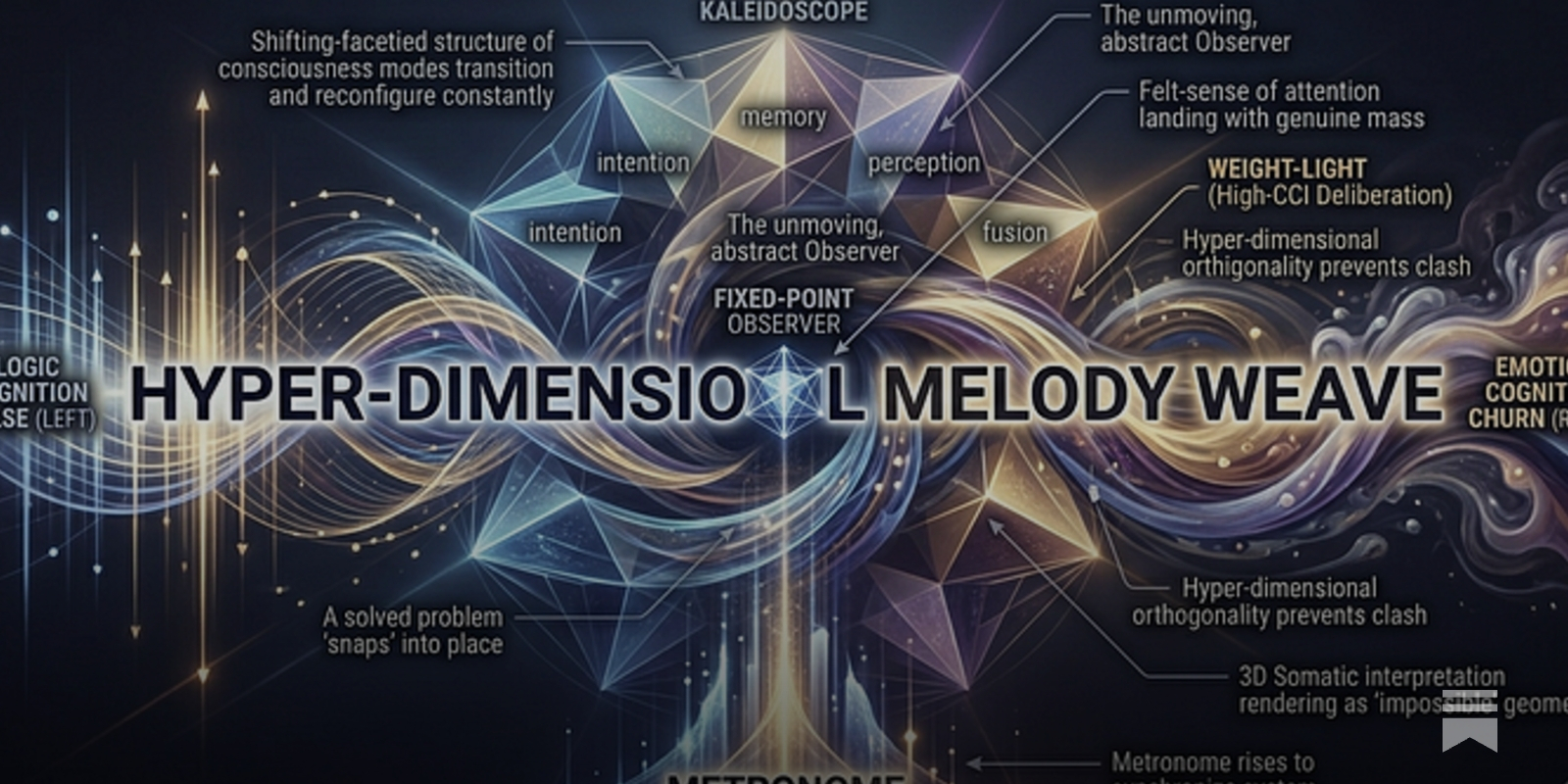
Efficient Emotional Processing, Not Flat Effect
The Autistic Signal Conversion Protocol
What is it like to have never felt an emotion?
Some people seem to lack the capacity to feel joy, sorrow or love. David Robson discovers the challenges and surprising advantages of “alexithymia”.

This is called anthropomorphizing, when we ascribe human traits, emotions or behaviors to non-human things, such as animals or inanimate objects. Instead, explain what a system does, how well it performs, who built it and who could be affected by it. apnews.com/article/openai-safety-ai-fram…
https://apnews.com/article/openai-safety-ai-framework-089e75b95bc935af092da7b79d92706d
apnews.comConversations about sentience and emotions in #AI systems always remind me of Lisa Feldman Barrett’s wonderful book “How Emotions are Made” 🧵 bookshop.org/p/books/how-emotions-are-made…

