


Aims In field studies assessing cognitive function in illicit ecstasy users, there are several frequent confounding factors that might plausibly bias the findings toward an overestimate of ecstasy-induced neurocognitive toxicity. We designed an investigation seeking to minimize these possible sources of bias. Design We compared illicit ecstasy users and non-users while 1) excluding individuals with significant lifetime exposure to other illicit drugs or alcohol; 2) requiring that all participants be members of the “rave” subculture; and 3) testing all participants with breath, urine, and hair samples at the time of evaluation to exclude possible surreptitious substance use. We compared groups with adjustment for age, gender, race/ethnicity, family-of-origin variables, and childhood history of conduct disorder and attention deficit hyperactivity disorder. We provide significance levels without correction for multiple comparisons. Setting Field study. Participants Fifty-two illicit ecstasy users and 59 non-users, age 18-45. Measurements Battery of 15 neuropsychological tests tapping a range of cognitive functions. Findings We found little evidence of decreased cognitive performance in ecstasy users, save for poorer strategic-self-regulation, possibly reflecting increased impulsivity. However this finding might have reflected a premorbid attribute of ecstasy users, rather than a residual neurotoxic effect of the drug. Conclusions In a study designed to minimize limitations found in many prior investigations, we failed to demonstrate marked residual cognitive effects in ecstasy users. This finding contrasts with many previous findings—including our own—and emphasizes the need for continued caution in interpreting field studies of cognitive function in illicit ecstasy users.
Methylphenidate and the risk of psychosis in adolescents and young adults: a population-based cohort study
Background There is a clinical concern that prescribing methylphenidate, the most common pharmacological treatment for attention-deficit hyperactivity disorder (ADHD), might increase the risk of psychotic events, particularly in young people with a history of psychosis. We aimed to determine whether the risk of psychotic events increases immediately after initiation of methylphenidate treatment or, in the longer term, 1 year after treatment initiation in adolescents and young adults with and without a previously diagnosed psychotic disorder. Methods In this cohort study, we used population-based observational data from the Swedish Prescribed Drug Register, the National Patient Register, and the Total Population Register, three population-based registers containing data on all individuals in Sweden, to attain data on sex, birth, death, migration, medication use, and psychotic events for all eligible participants. We screened individuals on these registers to identify those receiving methylphenidate treatment, and who were aged 12–30 years at the start of treatment, for their inclusion in the study. We used a within-individual design to compare the incidence of psychotic events in these individuals during the 12-week periods immediately before and after methylphenidate initiation. Longer term risk was assessed by comparing the incidence of psychotic events 12 weeks before methylphenidate initiation and during a 12-week period one calendar year before the initiation of methylphenidate with the incidence of these events during the 12-week period one calendar year after methylphenidate initiation. We estimated the incidence rate ratios (IRR) and 95% CIs of psychotic events after the initation of methylphenidate treatment, relative to the events before treatment, which were defined as any hospital visit (inpatient admission or outpatient attendance, based on data from the National Patient Register) because of psychosis, using the International Classification of Diseases version 10 definition. Analyses were stratified by whether the individual had a history of psychosis. Findings We searched the Swedish Prescribed Drug Register to find eligible individuals who had received methylphenidate between Jan 1, 2007 and June 30, 2012. 61 814 individuals were screened, of whom 23 898 (38·7%) individuals were assessed and 37 916 (61·3%) were excluded from the study because they were outside of the age criteria at the start of treatment, they had immigrated, emigrated, or died during the study period, or because they were administered other ADHD medications. The median age at methylphenidate initiation was 17 years, and a history of psychosis was reported in 479 (2·0%) participants. The IRR of psychotic events in the 12-week period after initiation of methylphenidate treatment relative to that in the 12-week period before treatment start was 1·04 (95% CI 0·80–1·34) in adolescents and young adults without a history of psychosis and 0·95 (0·69–1·30) among those with a history of psychosis. Interpretation Contrary to clinical concerns, we found no evidence that initiation of methylphenidate treatment increases the risk of psychotic events in adolescents and young adults, including in those individuals with a history of psychosis. Our study should reassure clinicians considering initiating methylphenidate treatment for ADHD in adolescents and young adults, and it challenges the widely held view in clinical practice that methylphenidate should be avoided, or its use restricted, in individuals with a history of psychosis. Funding Swedish Research Council, National Institute of Mental Health, UK National Institute of Health Research Nottingham Biomedical Research Centre.
Methylphenidate Treatment and Risk of Psychotic Disorder
This cohort study of a Finnish national multiyear birth cohort uses instrumental variable analysis to investigate whether methylphenidate alters the long-term risk of psychotic disorder in children with attention-deficit/hyperactivity disorder.

ADHD and giftedness: a neurocognitive consideration of twice exceptionality
Current models of cognition and behavioral diagnosis emphasize categorical classification over continuous considerations of function and promote the "differential diagnosis" of various conditions according to observational criteria. However, an overemphasis on a purely behavioral, categorical approach to understanding human function fails to address the comorbidity of different disorders and does not include a consideration of overlapping levels of function, from "pathological" through "normal," to "gifted" or exceptional. The frequent co-occurrence of "gifted" and "pathological" function is thus difficult to understand from a corticocentric and purely behavioral and observational point of view. This article reviews "giftedness" in relation to the diagnosis of attention-deficit hyperactivity disorder, coexistence of which is termed "twice exceptional." It additionally considers problems in assessing these functions using current neuropsychological tests and methodologies that are presumably based upon a corticocentric model of cognition.
The association between attention-deficit/hyperactivity (ADHD) symptoms and self-employment
Attention-deficit/hyperactivity (ADHD) symptoms have been associated with the decision to become self-employed. Although these symptoms are generally regarded as disadvantageous, there may also be a bright side. To our knowledge, however, there has been no systematic, epidemiological evidence to support this claim. This paper examines the association between ADHD symptoms and self-employment in a population-based sample from the STAGE cohort of the Swedish Twin Registry (N = 7208). For replication, we used a sample of Dutch students who participated in the Global University Entrepreneurial Spirit Students' Survey (N = 13,112). In the Swedish sample, we found a positive association with self-employment for both general ADHD symptoms [odds ratio (OR) 1.13; 95 % confidence intervals (CI) 1.04-1.23] and hyperactivity symptoms [OR 1.19; 95 % CI 1.08-1.32], whereas no association was found for attention-deficit symptoms [OR 0.99; 95 % CI 0.89-1.10]. The positive association between hyperactivity and self-employment was replicated in the Dutch student sample [OR 1.09; 95 % CI 1.03-1.15]. Our results show that certain aspects of ADHD, in particular hyperactivity, can have a bright side, as they are positively associated with self-employment.
Cannabis Evidence | Systematically Testing the Evidence on Marijuana
Cannabis use is becoming increasingly common among older adults in the United States, but less is known about how often cannabis use may become problematic in this population. A new study from University of California San Diego School of Medicine finds that among the...

Study: Smoking pot doesn’t make you anxious or depressed
And it's definitely not as bad for your brain as the DEA says.

Intravenous Methylphenidate Abuse
Data are presented from a case series of 22 patients who abused methylphenidate hydrochloride (Ritalin-SR). The abuse pattern and symptoms of toxicity were similar to that seen with cocaine hydrochloride and amphetamine sulfate addiction; yet, the morbidity and mortality seen in this case series...

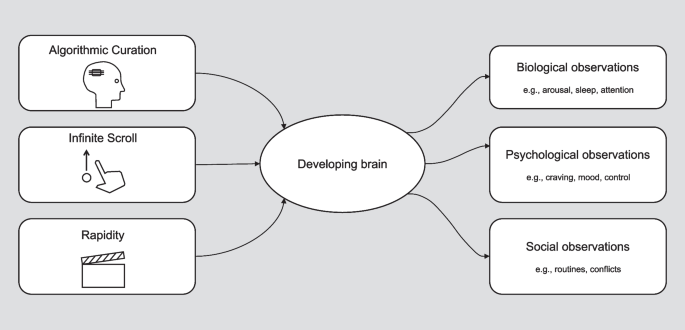
Taming the endless scroll? Short-form videos, digital routines and neurocognitive outcomes in youth
Short-form videos (SFVs) deliver digital content in a way that sets them apart from other media. Concerns have arisen that such user interfaces may diminish attention, memory and emotional wellbeing in young people, yet evidence has not previously been synthesised for this demographic and in isolation from other media types. To assess the association between exposure to SFV-interfaces and neurocognitive outcomes in individuals aged $$\varvec{\le 25}$$years, and to appraise the certainty of this evidence. Following PRISMA and Cochrane guidelines, four databases (PubMed, PsycINFO, WoS, Cochrane Reviews) were searched (2015–2025). Of 1,498 records, 42 studies (N = 46,912; mean age = 16.8) met the PICOS criteria. Most were cross-sectional (88%), with two longitudinal, one EEG, and one MRI study. Risk of bias and quality were evaluated using GRADE. Heavy, unstructured SFV use (typically $$\varvec{\ge 4}$$h/day) was consistently associated with: small-to-moderate increases in inattention ($$\varvec{\beta \approx 0.30}$$) and impulsivity ($$\varvec{\beta \approx 0.25}$$); moderate reductions in working-memory span ($$\varvec{\beta \approx -0.75}$$) and self-regulation ($$\varvec{\beta \approx -0.45}$$); moderate elevations in anxiety ($$\varvec{\beta \approx 0.35}$$), depression ($$\varvec{\beta \approx 0.48}$$) and stress ($$\varvec{\beta \approx 0.32}$$); and a moderate-to-large surge in addiction symptoms ($$\varvec{\beta \approx 0.60}$$). Two cross-sectional imaging studies also reported associations between heavier short-video use and neurobiological measures. These included grey-matter volume differences in the orbitofrontal cortex and cerebellum, altered resting-state signal synchrony, and reduced P300 amplitudes. Protective factors included supportive environments, digital routines, and digital literacy. Consistent, albeit preliminary, evidence links excessive SFV watching to cognitive and emotional challenges in youth. Longitudinal and experimental studies are urgently needed, alongside trials of modifiable levers to reduce addiction-like use and related harms.
From gifted to high potential and twice exceptional: A state-of-the-art meta-review
Despite the abundant literature on intelligence and high potential individuals, there is still a lack of international consensus on the terminology and clinical characteristics associated to this population. It has been argued that unstandardized use of diagnosis tools and research methods make comparisons and interpretations of scientific and epidemiological evidence difficult in this field. If multiple cognitive and psychological models have attempted to explain the mechanisms underlying high potentiality, there is a need to confront new scientific evidence with the old, to uproot a global understanding of what constitutes the neurocognitive profile of high-potential in gifted individuals. Another particularly relevant aspect of applied research on high potentiality concerns the challenges faced by individuals referred to as "twice exceptional" in the field of education and in their socio-affective life. Some individuals have demonstrated high forms of intelligence together with learning, affective or neurodevelopmental disorders posing the question as to whether compensating or exacerbating psycho-cognitive mechanisms might underlie their observed behavior. Elucidating same will prove relevant to questions concerning the possible need for differential diagnosis tools, specialized educational and clinical support. A meta-review of the latest findings from neuroscience to developmental psychology, might help in the conception and reviewing of intervention strategies.
Chronic methylphenidate abuse: Effects on behaviour, redox homeostasis, and cholinergic system
Methylphenidate (MPH) (metil 2-fenil-2-(piperidin-2-il) acetato) is used as a drug of abuse as well as a cognitive enhancer owing to its amphetaminic structure. The objective of this study was to evaluate whether chronic exposure to an abusive context and dose of MPH (80 mg/L for 15 min/day for 7 days) in adult life causes behavioural changes related to anxiety, fear, sociability, locomotion, and memory as well as altered levels of biochemical markers, cortisol, and the cholinergic system. Here we used the zebrafish (Danio rerio) as a translatio Nnal model. We showed that fish exposed to MPH showed marked hypolocomotion and anxiogenic patterns, fear behaviour, and memory delay. MPH exposure also increased the levels of antioxidant enzymes, non-protein thiols, and reactive oxygen species compared with those in the control group, and the redox status was altered at the cerebral and peripheral levels. The cholinergic system exhibits a reduction in signalling and an increase in cortisol levels. Our results clarified the mechanisms involved in the toxicity elicited by the abusive use of MPH. Overall, our results demonstrated that chronic administration of an abusive dose of MPH in individuals without a diagnosis of attention deficit hyperactivity disorder (ADHD) can cause important damage.
LLMs Can Get "Brain Rot": A Pilot Study on Twitter/X
We propose and test the LLM Brain Rot Hypothesis: continual exposure to junk web text induces lasting cognitive decline in large language models (LLMs). To unveil junk effects, we designed a novel controlled experiment on real Twitter/X corpora, by constructing junk and reverse-controlled datasets via two orthogonal operationalizations: M1 (engagement degree) and M2 (semantic quality), with matched token scale and training operations across conditions. Compared to the control group, continual pre-training of 4 LLMs on the junk dataset causes non-trivial declines (Hedges' g>0.3) on reasoning, long-context understanding, safety, and inflating "dark traits" (e.g., psychopathy, narcissism). The gradual mixtures of junk and control datasets also yield dose-response cognition decay: for example, under M1, ARC-Challenge with Chain-of-Thought drops 72.1 -> 57.2 and RULER-CWE 83.7 -> 52.3 as junk ratio rises from 0% to 100%. Error forensics reveal several key insights. First, we identify thought-skipping as the primary lesion in reasoning: models increasingly truncate or skip chains. Second, partial but incomplete healing is observed: scaling instruction tuning and clean continual pre-training improve the declined cognition, yet cannot restore baseline capability, suggesting persistent representational drift rather than format mismatch. Finally, we discover that the popularity, a non-semantic metric, of a tweet is a better indicator of the Brain Rot effect than the length in M1. Together, the results provide significant, multi-perspective evidence that social effects of data could be a causal driver of LLM capability decay in continual pre-training, thereby motivating routine "cognitive health checks" for deployed and evolving LLMs.
Long-term study reveals harm in regular cannabis use
Regular cannabis use has harmful effects regardless of the age a person starts using, a University of Queensland-led study has found.

Beware of samples! A cognitive-ecological sampling approach to judgment biases.
Sugar 'has similar effect on brain as cocaine'
Withdrawal from chronic sugar consumption would be similar to going 'cold turkey' from drugs, say Australian scientists

The Global Decline in the Mental Health of the Young
One of the major findings in wellbeing research until recently was that happiness was U-shaped by age and unhappiness hump-shaped by age. There was a midlife crisis — a finding reported in well over 600 published papers using data on 145 countries. It was present in both developing and developed countries. And it was persistent over time. The finding of a peak in ill-being in midlife was consistent with Anne Case and Angus Deaton’s work on mortality and the so-called “deaths of despair.”1 In the US in particular and to a lesser extent in other countries, White prime-aged individuals without a college degree had high death rates from suicide, drug overdoses, and cirrhosis of the liver. Drug overdose deaths in the US, for example, peaked at midlife ages. In 2023, the Centers for Disease Control and Prevention (CDC) reported that overdose death rates per 100,000 by age rose from 13.5 for 15-to-24-year-olds to 45.6 for 25-to-34-year-olds and 60.8 for 35-to-44-year-olds, and then declined to 53.3 for 45-to-54-year-olds, 49.2 for 55-to-64-year-olds, and 14.7 for those over the age of 65.2 The morbidity data matched the mortality data.
