


Objective: The existing evidence suggests an association between depression and memory impairment. The objective of present study was to assess the effect of low dose caffeine with duloxetine and bupropion on memory. Materials and Methods: Mice were divided randomly into seven groups. Intra-peritoneal treatment of normal saline (10 ml/kg), caffeine (10 mg/kg), duloxetine (10 mg/kg), bupropion alone (10 mg/kg), caffeine + duloxetine (5 mg/kg, each), caffeine + bupropion (5 mg/kg, each), and bupropion + duloxetine (5 mg/kg, each) were given to groups I-VII, respectively. Elevated plus maze was used to evaluate transfer latency (TL) and Morris water maze was used to estimate the time spent in target quadrant. Results: Caffeine with duloxetine treated group was better than other combination treated groups in terms of a significant decrease in TL and increase in the time spent in target quadrant recorded. Conclusion: Combining lower dose of caffeine with duloxetine may enhance cognitive benefits than respective monotherapies.
Caffeine could limit damage of chronic stress
A cup of joe wards off depression following chronic stress.

How your morning coffee is changing the structure of your brain
A novel placebo-controlled study has found daily caffeine consumption can significantly reduce the volume of gray matter in the human brain. These findings do not immediately suggest caffeine negatively impacts the brain but instead points to how the drug may induce a temporary neural plasticity that researchers think warrants further investigation.
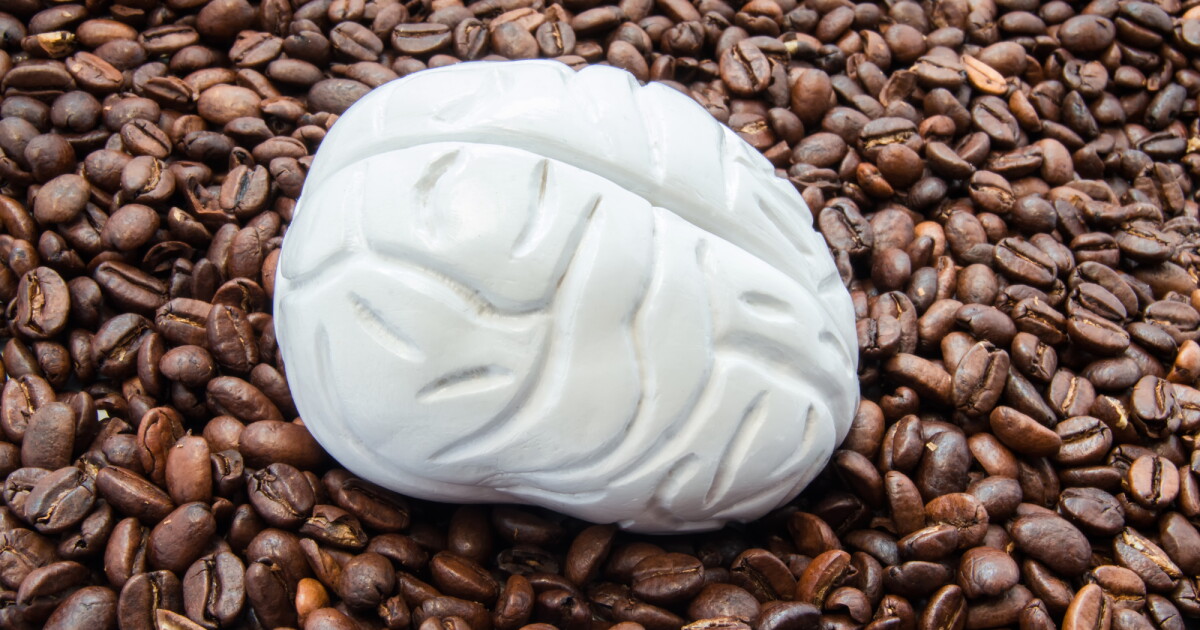
Enhancing Human Cognition with Cocoa Flavonoids
Enhancing cognitive abilities has become a fascinating scientific challenge, recently driven by the interest in preventing age-related cognitive decline and sustaining normal cognitive performance in response to cognitively demanding environments. In recent years cocoa and cocoa-derived products, as a rich source of flavonoids, mainly the flavanols sub-class, have been clearly shown to exert cardiovascular benefits. More recently, neuromodulation and neuroprotective actions have been also suggested. Here, we discuss human studies specifically aimed at investigating the effects of acute and chronic administration of cocoa flavanols on different cognitive domains, such as executive functions, attention and memory. Through a variety of direct and indirect biological actions, in part still speculative, cocoa and cocoa-derived food have been suggested to possess the potential to counteract cognitive decline and sustain cognitive abilities, particularly among patients at risk. Although still at a preliminary stage, research investigating the relations between cocoa and cognition shows dose-dependent improvements in general cognition, attention, processing speed and working memory. Moreover, cocoa flavanols administration could also enhance normal cognitive functioning and exert a protective role on cognitive performance and cardiovascular function specifically impaired by sleep loss, in healthy subjects. Together, these findings converge at pointing to cocoa as a new interesting nutraceutical tool to protect human cognition and counteract different types of cognitive decline, thus encouraging further investigations. Future research should include complex experimental designs combining neuroimaging techniques with physiological and behavioral measures to better elucidate cocoa neuromodulatory properties and directly compare immediate versus long-lasting cognitive effects.

Drug reverses age-related cognitive decline within days
Just a few doses of an experimental drug can reverse age-related declines in memory and mental flexibility in mice, according to a new study by UC San Francisco scientists. The drug, called ISRIB, has ...

Israeli study: Food supplement could lower Prozac dosage, reduce side effects
Taken alongside drug, plant-derived substance shown to reduce dose needed to calm mice; researchers hope this could translate to humans

What Does Wellbutrin Feel Like? 3 People Describe Their Experiences
Wellbutrin (bupropion) is an antidepressant and is used to support smoking cessation. Here’s how three people describe what the effects of Wellbutrin feel like.

Success of experimental Alzheimer’s drug hailed as ‘historic moment’
Study shows cognition in early-stage patients on lecanemab declines by 27% less than those on placebo
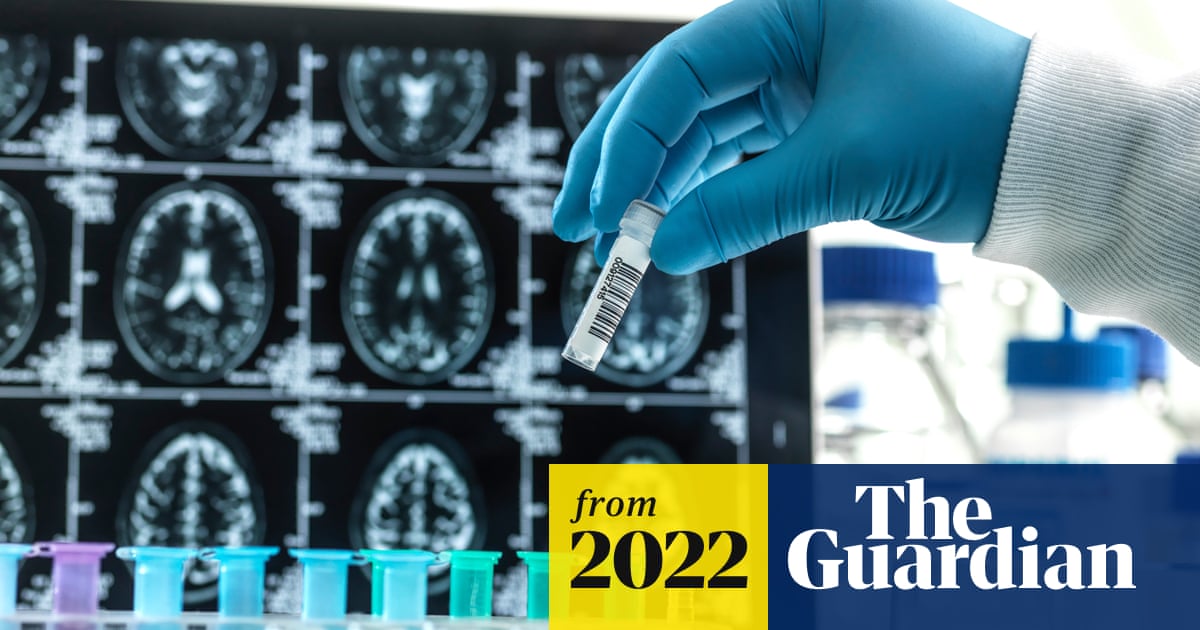
Depression doesn't shrink the brain like we thought it did | New Scientist
For the past decade, depression has been linked to a shrunken hippocampus, which has a vital role in memory. But a large study using up-to-date scanning techniques suggests this may not be the case

Common questions and misconceptions about caffeine supplementation: what does the scientific evidence really show?
Caffeine is a popular ergogenic aid that has a plethora of evidence highlighting its positive effects. A Google Scholar search using the keywords “caffeine” and “exercise” yields over 200,000 results, emphasizing the extensive research on this topic. However, despite the vast amount of available data, it is intriguing that uncertainties persist regarding the effectiveness and safety of caffeine. These include but are not limited to: 1. Does caffeine dehydrate you at rest? 2. Does caffeine dehydrate you during exercise? 3. Does caffeine promote the loss of body fat? 4. Does habitual caffeine consumption influence the performance response to acute caffeine supplementation? 5. Does caffeine affect upper vs. lower body performance/strength differently? 6. Is there a relationship between caffeine and depression? 7. Can too much caffeine kill you? 8. Are there sex differences regarding caffeine’s effects? 9. Does caffeine work for everyone? 10. Does caffeine cause heart problems? 11. Does caffeine promote the loss of bone mineral? 12. Should pregnant women avoid caffeine? 13. Is caffeine addictive? 14. Does waiting 1.5–2.0 hours after waking to consume caffeine help you avoid the afternoon “crash?” To answer these questions, we performed an evidence-based scientific evaluation of the literature regarding caffeine supplementation.
Drug Reverses Age-Related Mental Decline Within Days In Mice
In the new study, UCSF researchers showed rapid restoration of youthful cognitive abilities in aged mice, accompanied by a rejuvenation of brain and immune cells that could help explain improvements in brain function.

Dopamine detox: It will change your life
If you can’t read even for 5 minutes or study and think you have a distraction this post for you.
Role of diet and its effects on the gut microbiome in the pathophysiology of mental disorders
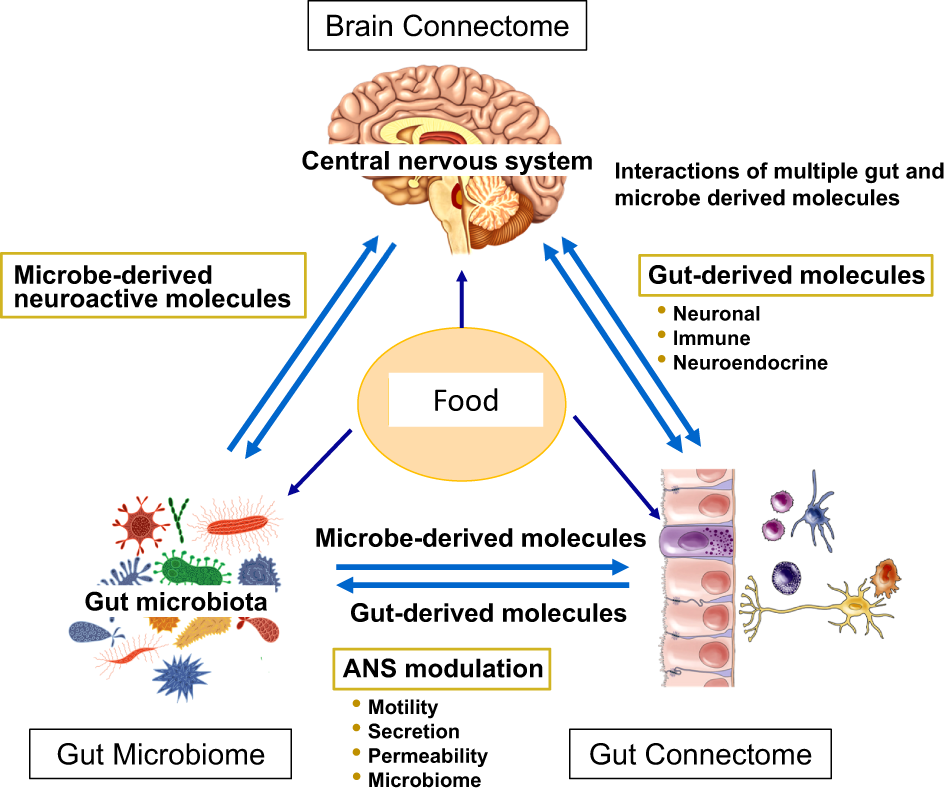
There is emerging evidence that diet has a major modulatory influence on brain-gut-microbiome (BGM) interactions with important implications for brain health, and for several brain disorders. The BGM system is made up of neuroendocrine, neural, and immune communication channels which establish a network of bidirectional interactions between the brain, the gut and its microbiome. Diet not only plays a crucial role in shaping the gut microbiome, but it can modulate structure and function of the brain through these communication channels. In this review, we summarize the evidence available from preclinical and clinical studies on the influence of dietary habits and interventions on a selected group of psychiatric and neurologic disorders including depression, cognitive decline, Parkinson’s disease, autism spectrum disorder and epilepsy. We will particularly address the role of diet-induced microbiome changes which have been implicated in these effects, and some of which are shared between different brain disorders. While the majority of these findings have been demonstrated in preclinical and in cross-sectional, epidemiological studies, to date there is insufficient evidence from mechanistic human studies to make conclusions about causality between a specific diet and microbially mediated brain function. Many of the dietary benefits on microbiome and brain health have been attributed to anti-inflammatory effects mediated by the microbial metabolites of dietary fiber and polyphenols. The new attention given to dietary factors in brain disorders has the potential to improve treatment outcomes with currently available pharmacological and non-pharmacological therapies.
Single dose creatine improves cognitive performance and induces changes in cerebral high energy phosphates during sleep deprivation
The inverse effects of creatine supplementation and sleep deprivation on high energy phosphates, neural creatine, and cognitive performances suggest that creatine is a suitable candidate for reducing the negative effects of sleep deprivation. With this, the main obstacle is the limited exogenous uptake by the central nervous system (CNS), making creatine only effective over a long-term diet of weeks. Thus far, only repeated dosing of creatine over weeks has been studied, yielding detectable changes in CNS levels. Based on the hypothesis that a high extracellular creatine availability and increased intracellular energy consumption will temporarily increase the central creatine uptake, subjects were orally administered a high single dose of creatinemonohydrate (0.35 g/kg) while performing cognitive tests during sleep deprivation. Two consecutive 31P-MRS scans, 1H-MRS, and cognitive tests were performed each at evening baseline, 3, 5.5, and 7.5 h after single dose creatine (0.35 g/kg) or placebo during sub-total 21 h sleep deprivation (SD). Our results show that creatine induces changes in PCr/Pi, ATP, tCr/tNAA, prevents a drop in pH level, and improves cognitive performance and processing speed. These outcomes suggest that a high single dose of creatine can partially reverse metabolic alterations and fatigue-related cognitive deterioration.

The Food That Helps Battle Depression
The right kind of diet may give the brain more of what it needs to avoid depression, or even to treat it once it’s begun.

Little evidence that chemical imbalance causes depression, UCL scientists find
Researchers question use of antidepressants, prescribed to one in six UK adults
How Caffeine Can Cramp Creativity
Caffeine prevents our focus from becoming too diffuse; it instead hones our attention in a hyper-vigilant fashion.
