Showering is the most common form of bathing worldwide. Whole-body immersion bathing in warm water (~40°C) is common in Japan and exerts sufficient hyperthermic action to induce vasodilatation and increase blood flow, supplying more oxygen and nutrients to the periphery. Cross-sectional studies report better subjective health status with an immersion bathing habit. This randomized controlled trial compared the effects on health of immersion bathing and shower bathing in 38 participants who received 2-week intervention of immersion bathing in warm water (40°C) for 10 min (bathing intervention) followed by 2-week shower bathing without immersion (showering intervention) or vice versa (n = 19 each group). Visual analog scale scores were significantly better for fatigue, stress, pain, and smile and tended to be better for self-reported heath and skin condition after bathing intervention than after showering intervention. The SF-8 Health Survey showed significantly better general health, mental health, role emotional, and social functioning scores. Profile of Mood State scores were lower for stress, tension-anxiety, anger-hostility, and depression-dejection. Immersion bathing, but not shower bathing, exerts hyperthermic action that induces increased blood flow and metabolic waste elimination, which may afford physical refreshment. Immersion bathing should improve both physical and emotional aspects of quality of life.
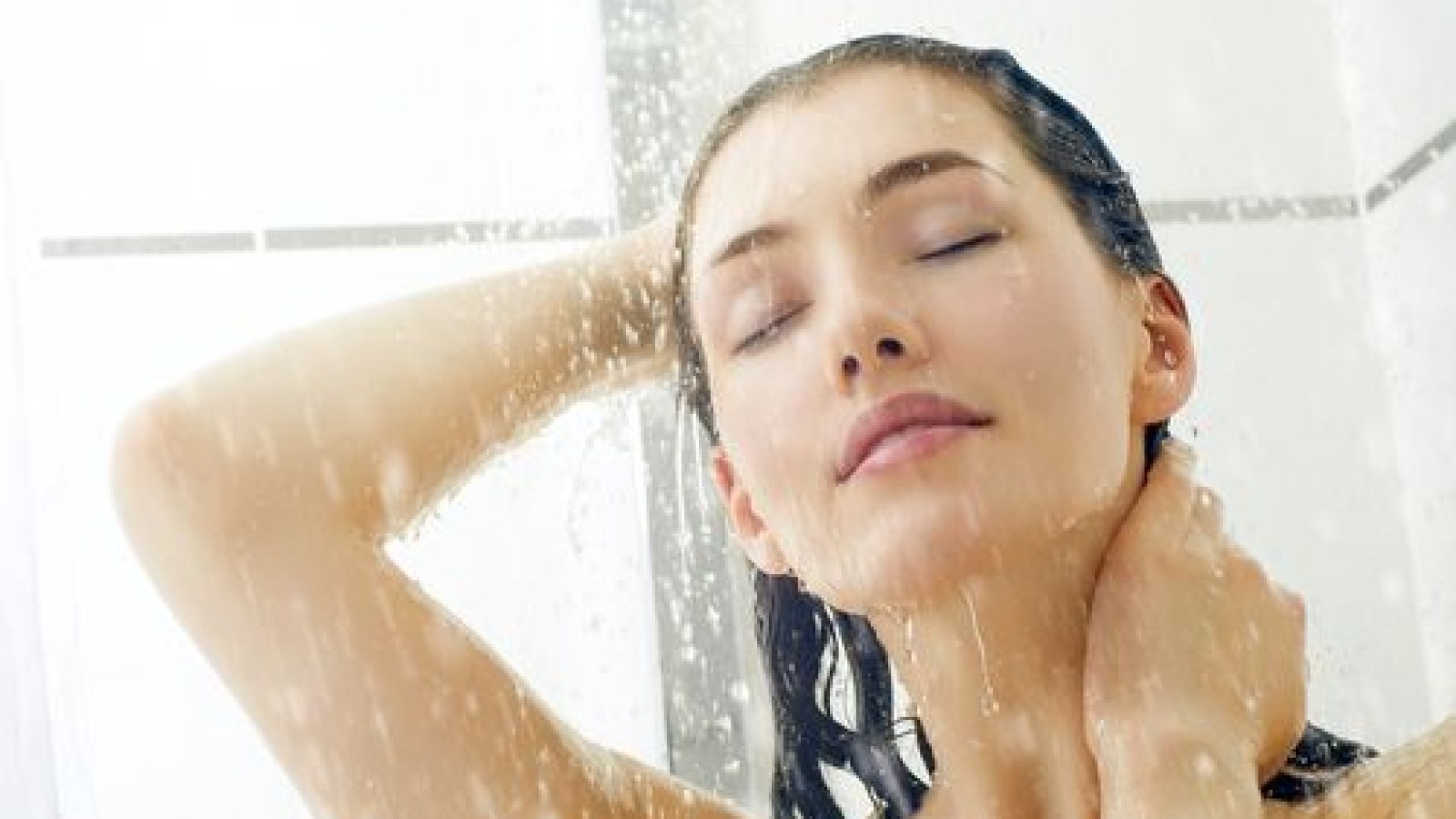
Benefits of Cold Showers: 7 Reasons Why Taking Cool Showers Is Good For Your Health
Taking cold showers instead of hot showers provides surprising health benefits — from burning fat to depression relief — for our skin and body.
What cold showers and exercise have in common
Can cold showers, winter plunges, and brisk walks in the chilly outdoors provide some of the same benefits as intense exercise—including weight loss and increased energy levels? Such a link …

Measuring Psychobiosocial States in Sport: Initial Validation of a Trait Measure
We examined the item characteristics, the factor structure, and the concurrent validity of a trait measure of psychobiosocial states. In Study 1, Italian athletes (N = 342, 228 men, 114 women, Mage = 23.93, SD = 6.64) rated the intensity, the frequency, and the perceived impact dimensions of a psychobiosocial states scale, trait version (PBS-ST), which is composed of 20 items (10 functional and 10 dysfunctional) referring to how they usually felt before an important competition. In Study 2, the scale was cross validated in an independent sample (N = 251, 181 men, 70 women, Mage = 24.35, SD = 7.25). The concurrent validity of the PBS-ST scale scores were also examined in comparison with two sport-specific emotion-related measures and a general measure of affect. Exploratory structural equation modeling and confirmatory factor analysis of the data of Study 1 showed that a 2-factor, 15-item solution of the PBS-ST scale (8 functional items and 7 dysfunctional items) reached satisfactory fit indices for the three dimensions (i.e., intensity, frequency, and perceived impact). Results of Study 2 provided evidence of substantial measurement and structural invariance of all dimensions across samples. The low association of the PBS-ST scale with other measures suggests that the scale taps unique constructs. Findings of the two studies offer initial validity evidence for a sport-specific tool to measure psychobiosocial states.
Opinion | What Swimming Taught Me About Happiness (Published 2019)
Lesson No. 1: It’s not about how fast you can go.

Guide to forest bathing | Mindfulness
Learn the basics of 'shinrin-yoku', or forest bathing, and discover how slowing down while immersed in nature can help reduce blood pressure and stress levels.

The physiological effects of Shinrin-yoku (taking in the forest atmosphere or forest bathing): evidence from field experiments in 24 forests across Japan
This paper reviews previous research on the physiological effects of Shinrin-yoku (taking in the forest atmosphere or forest bathing), and presents new results from field experiments conducted in 24 forests across Japan. The term Shinrin-yoku was coined by the Japanese Ministry of Agriculture, Forestry, and Fisheries in 1982, and can be defined as making contact with and taking in the atmosphere of the forest. In order to clarify the physiological effects of Shinrin-yoku, we conducted field experiments in 24 forests across Japan. In each experiment, 12 subjects (280 total; ages 21.7 ± 1.5 year) walked in and viewed a forest or city area. On the first day, six subjects were sent to a forest area, and the others to a city area. On the second day, each group was sent to the other area as a cross-check. Salivary cortisol, blood pressure, pulse rate, and heart rate variability were used as indices. These indices were measured in the morning at the accommodation facility before breakfast and also both before and after the walking (for 16 ± 5 min) and viewing (for 14 ± 2 min). The R–R interval was also measured during the walking and viewing periods. The results show that forest environments promote lower concentrations of cortisol, lower pulse rate, lower blood pressure, greater parasympathetic nerve activity, and lower sympathetic nerve activity than do city environments. These results will contribute to the development of a research field dedicated to forest medicine, which may be used as a strategy for preventive medicine.

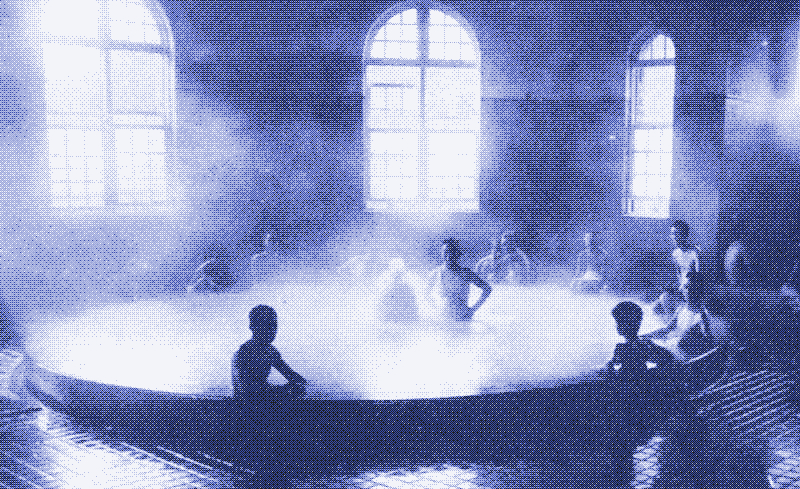
Communal Luxury: The Public Bathhouse
Throughout history, people have bathed in public rather than in private. Should we bring back the public bathhouse for the sake of sustainability?
That Daily Shower Can Be a Killer (Published 2013)
The secret to longer life may be to pay more attention to hazards that carry a low risk but are encountered frequently than to worry about catastrophic events like plane crashes.

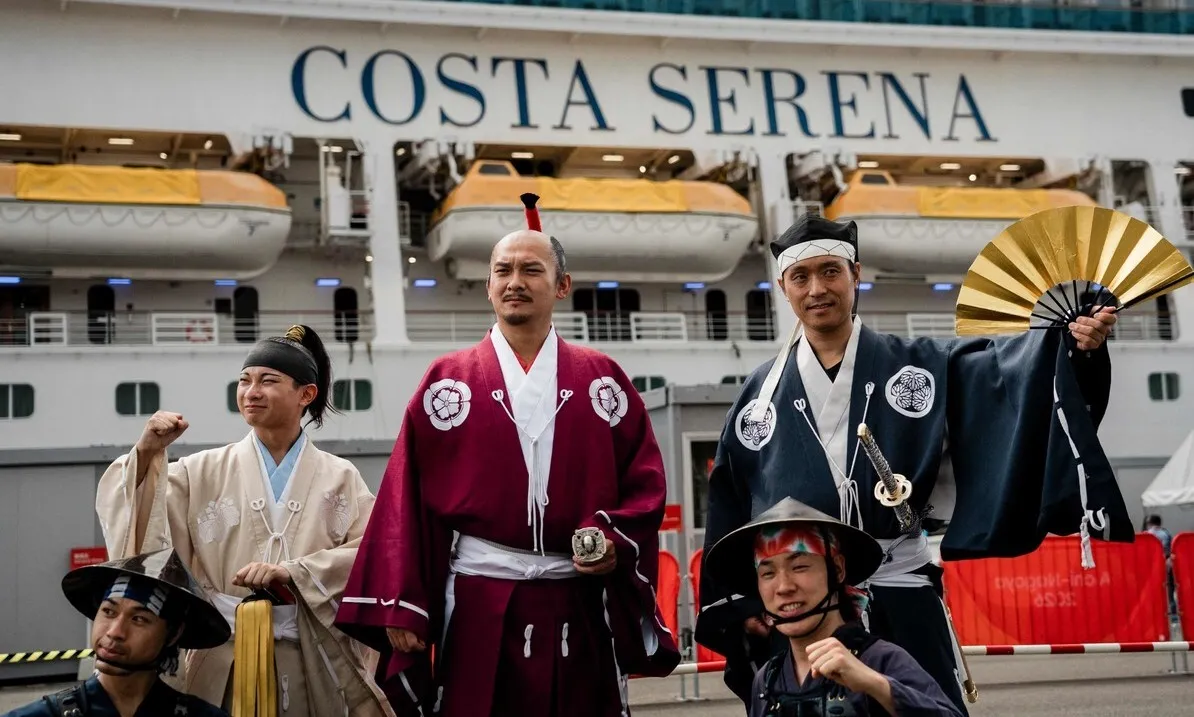
이순신 안 된다더니 도요토미는 되나…아시안게임서 ‘이중잣대’ 논란
대한체육회가 2026 아이치·나고야 아시안게임 크루즈 선수촌 기념행사에 임진왜란을 일으킨 도요토미 히데요시가 등장한 것과 관련해 유감을 표명하고 재발 방지를 요구했다. 대한체육회는 전날(16일) 행사 내용을 인지한 뒤 대한체육회장 명의의 서한을 국제올림픽위원회(IOC)
Cold-Water Swimming | Hacker News
I find the first few minutes of the swim are the hardest, as your body is adjusting to the cold, surface blood vessels are constricting, etc. The next 5-15 minutes are fantastic! I don't usually push it much beyond that.

Effects of Extreme Ritual Practices on Psychophysiological Well-Being
Extreme ritual practices involving pain and suffering pose significant risks such as injury, trauma, or infection. Nonetheless, they are performed by millions of people around the world and are often culturally prescribed remedies for a variety of maladies, and especially those related to mental health. What is the actual impact of these practices on health? Combining ethnographic observations and psychophysiological monitoring, we investigated outcomes of participation in one of the world’s most extreme rituals, involving bodily mutilation and prolonged suffering. Performance of this physically demanding ordeal had no detrimental effects on physiological health and was associated with subjective health improvements, and these improvements were greater for those who engaged in more intense forms of participation. Moreover, individuals who experienced health problems and/or were of low socioeconomic status sought more painful levels of engagement. We suggest two potential mechanisms for these effects: a bottom-up process triggered by neurological responses to pain and a top-down process related to increased social support and self-enhancement. These mechanisms may buffer stress-induced pressures and positively affect quality of life. Our results stress the importance of traditional cultural practices for coping with adversity, especially in contexts where psychiatric or other medical interventions are not widely available.

Can One Donation a Day Keep Depression Away? Three Randomized Controlled Trials of an Online Micro-Charitable Giving Intervention
Prosocial interventions grounded in social interactions have shown limited effectiveness in alleviating depressive symptoms, possibly because of the discomfort and unease that depressed individuals experience during such interactions. We developed and examined an innovative prosocial intervention—an online micro-charitable giving intervention, in which individuals voluntarily donated at least one Chinese cent (¥0.01, or about $0.0014) daily. We conducted three preregistered, 2-month randomized controlled trials with depressed individuals (Sample 1: N = 125, Sample 2: N = 296, Sample 3: N = 462). Results showed that, compared with the waitlist group, the intervention group exhibited significantly greater improvements in both depressive symptoms (Cohen’s d s = −0.19 to −0.46) and emotional positivity (Cohen’s d s = 0.22 to 0.49), and that emotional positivity mediated the intervention’s effect on the reduction of depressive symptoms. Exploratory analysis found a slightly larger intervention effect for generous donors than for minimal donors. This low-cost, easily accessible prosocial intervention holds potential for the prevention of depression. Statement of Relevance Can donating one cent (specifically one Chinese cent, or about $0.0014) alleviate depressive symptoms? We have developed a practical and effective intervention—donating at least one cent daily on an online charity platform—and have discovered that this intervention effectively mitigates depressive symptoms in depressed individuals. Despite the nominal purchasing power of one cent in contemporary society, this act of giving has been shown to significantly enhance mental health. Our findings could be relevant to everyone in society; charitable donations promote societal harmony and, in addition, offer a cost-effective way to alleviate depressive symptoms. As the intervention instruction asserts, “Charity encompasses love, regardless of its size, as even one cent holds value.”

Indonesians resort to seawater showers amid water shortage
Residents of Batam, Indonesia, are resorting to seawater for bathing and flushing toilets as worsening water shortages coincide with a boom in data center construction driven by growing global demand…
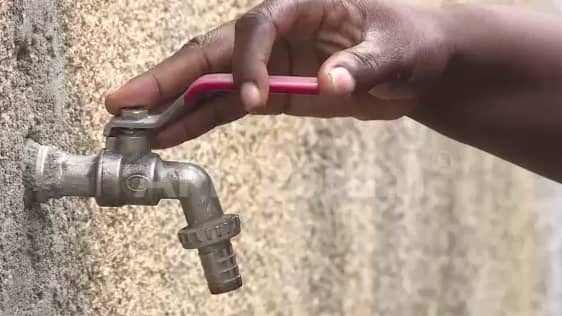
Tap Water Contributions to Plasma Concentrations of Poly- and Perfluoroalkyl Substances (PFAS) in a Nationwide Prospective Cohort of U.S. Women
Abstract Background: Between 2013 and 2015, concentrations of poly- and perfluoroalkyl substances (PFAS) in public drinking water supplies serving at least six million individuals exceeded the level set forth in the health advisory established by the U.S. Environmental Protection Agency. Other than data reported for contaminated sites, no systematic or prospective data exist on the relative source contribution (RSC) of drinking water to human PFAS exposures. Objectives: This study estimates the RSC of tap water to overall PFAS exposure among members of the general U.S. population. Methods: We measured concentrations of 15 PFAS in home tap water samples collected in 1989–1990 from 225 participants in a nationwide prospective cohort of U.S. women: the Nurses’ Health Study (NHS). We used a one-compartment toxicokinetic model to estimate plasma concentrations corresponding to tap water intake of PFAS. We compared modeled results with measured plasma PFAS concentrations among a subset of 110 NHS participants. Results: Tap water perfluorooctanoic acid (PFOA) and perfluorononanoic acid (PFNA) were statistically significant predictors of plasma concentrations among individuals who consumed ≥8 cups of tap water per day. Modeled median contributions of tap water to measured plasma concentrations were: PFOA 12% (95% probability interval 11%–14%), PFNA 13% (8.7%–21%), linear perfluorooctanesulfonic acid (nPFOS) 2.2% (2.0%–2.5%), branched perfluorooctanesulfonic acid (brPFOS) 3.0% (2.5%–3.2%), and perfluorohexanesulfonic acid (PFHxS) 34% (29%–39%). In five locations, comparisons of PFASs in community tap water collected in the period 2013–2016 with samples from 1989–1990 indicated increases in quantifiable PFAS and extractable organic fluorine (a proxy for unquantified PFAS). Conclusions: Our results for 1989–1990 compare well with the default RSC of 20% used in risk assessments for legacy PFAS by many agencies. Future evaluation of drinking water exposures should incorporate emerging PFAS. https://doi.org/10.1289/EHP4093
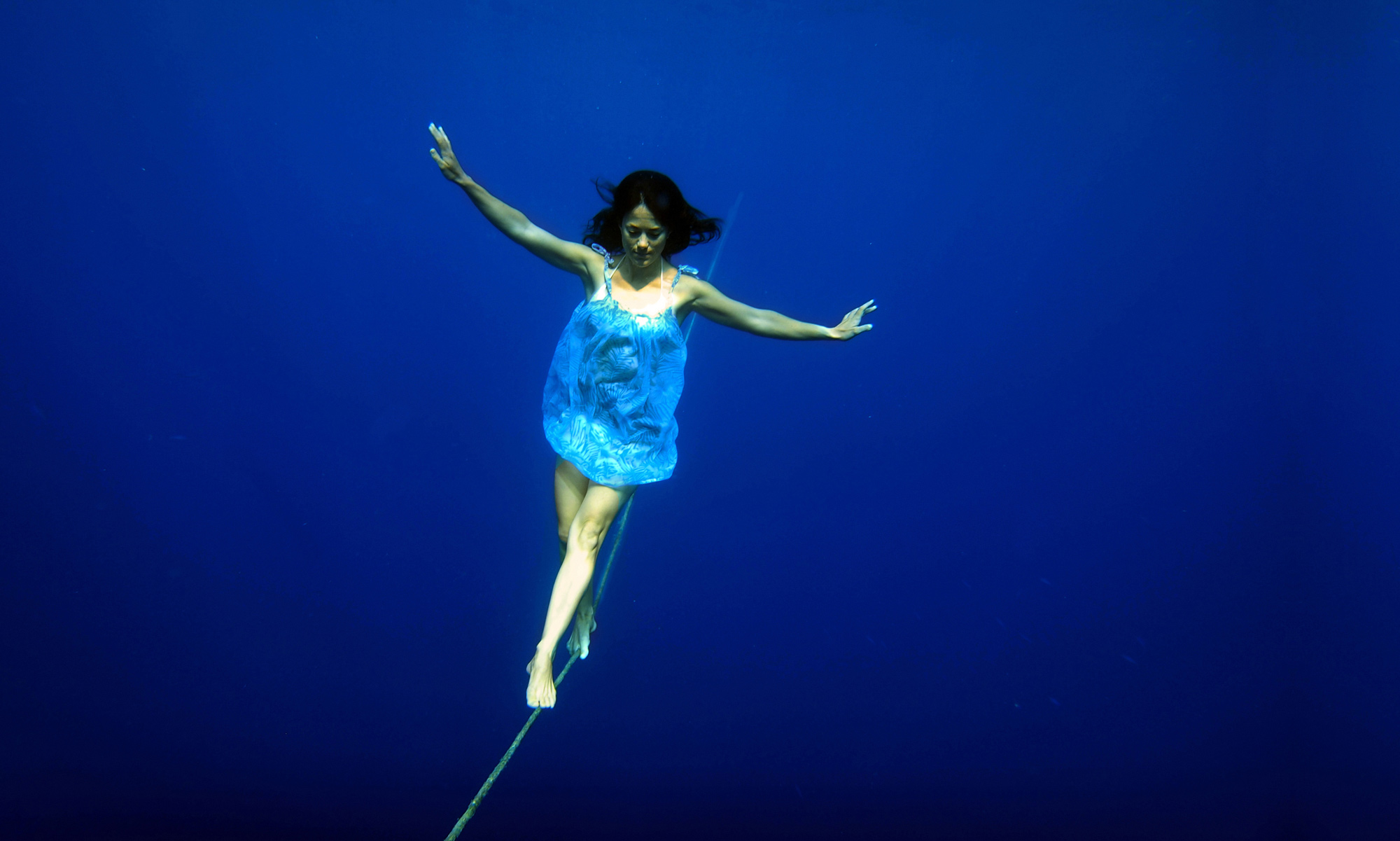
Your body’s amazing reaction to water
Journalist James Nestor explores the science of the “mammalian dive reflex,” the phenomenon by which water triggers an immediate decrease in heart rate.