


The NEA’s AI in Education hub offers trusted guidance, tools, and professional learning opportunities to help educators navigate the evolving role of artificial intelligence in schools and classrooms. Grounded in equity, ethics, and educator voice, this website brings together policy resources, classroom strategies, and practical support to ensure AI serves all students and empowers the educators who teach them.
What Parents Need to Know About AI in the Classroom | Stanford HAI
From immersive learning and personalized tutors to lesson plans and grading, AI is everywhere in K-12 education.

AI in education is a public problem
Photo by Mick Haupt on Unsplash Over the past year or so, a narrative that AI will inevitably transform education has become widespread. You can find it in the pronouncements of investors, tech ind…

Artificial intelligence in mathematics education: The good, the bad, and the ugly
Integrating Artificial Intelligence [AI] into mathematics education offers promising advancements and potential pitfalls. Striking a balance between AI-driven developments and preserving core pedagogical principles is critical in the teaching and learning environment. AI has emerged as a transformative force in various fields, including education. In the realm of mathematics education, AI technologies offer a spectrum of potential benefits (including personalize instruction, adaptive assessment, interactive learning environments, and real-time feedback, among others) and challenges (such as lack of creativity and problem-solving skills, inability to explain reasoning, bias in data and algorithms, absence of emotional intelligence and data privacy and security concern etc). This conceptual study used autoethnography as the methodology and qualitative content approach to analyze data. The study discussed historical background of AI and considered ethical issues around AI. It was concluded that the journey to harness the full potential of AI in mathematics education requires careful navigation of the good, the bad, and the ugly aspects inherent in this technological evolution.
Artificial intelligence, cognitive offloading and implications for education
This report investigates a profound new challenge driven by rapidly expanding use of artificial intelligence (AI) in schooling: the risk that students will outsource too much of the cognitive work that is crucial to establishing the knowledge, skill and ‘thinking infrastructure’ that enables both schooling success and lifelong capacity for ongoing learning and understanding.There is a growing body of evidence that using AI can short-circuit the cognitive effort required for sustainable, deep learning, with potentially long-term consequences. This cognitive offloading from human to AI is especially risky for school students (‘novice’ learners who are building foundational knowledge and skills) when they turn to AI as a tempting substitute, not an amplifier, increase their dependency on the tool and lose access to deeper learning and critical thinking capabilities. It also introduces extra equity risks for disadvantaged students.The report reviews the cognitive science behind this concerning shift and the growing evidence of its impact. It also outlines how these harmful effects can be counteracted through specific teaching and learning strategies and effective design of AI education technology, anchored on bolstering the central role of teachers. It includes specific recommendations for policy and teaching and learning strategies.
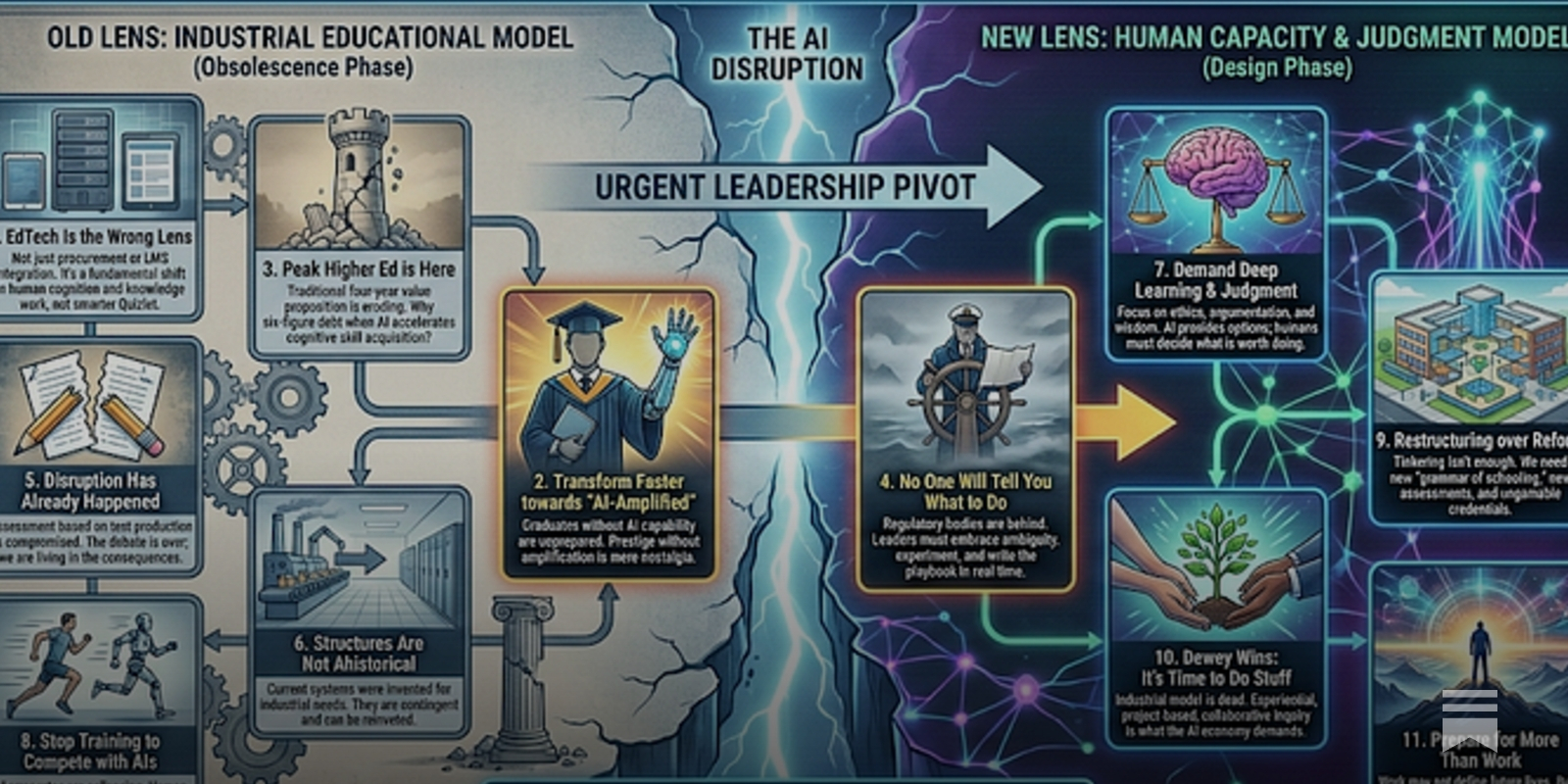
Eleven Things I Wish Educators Understood About AI and What it Means for "Education"
Thank you to all the supporters of this Substack.
Designing responsible AI for learning
We’re bringing Guided Learning capabilities to Search and Google Classroom, and evolving our approach to school controls.
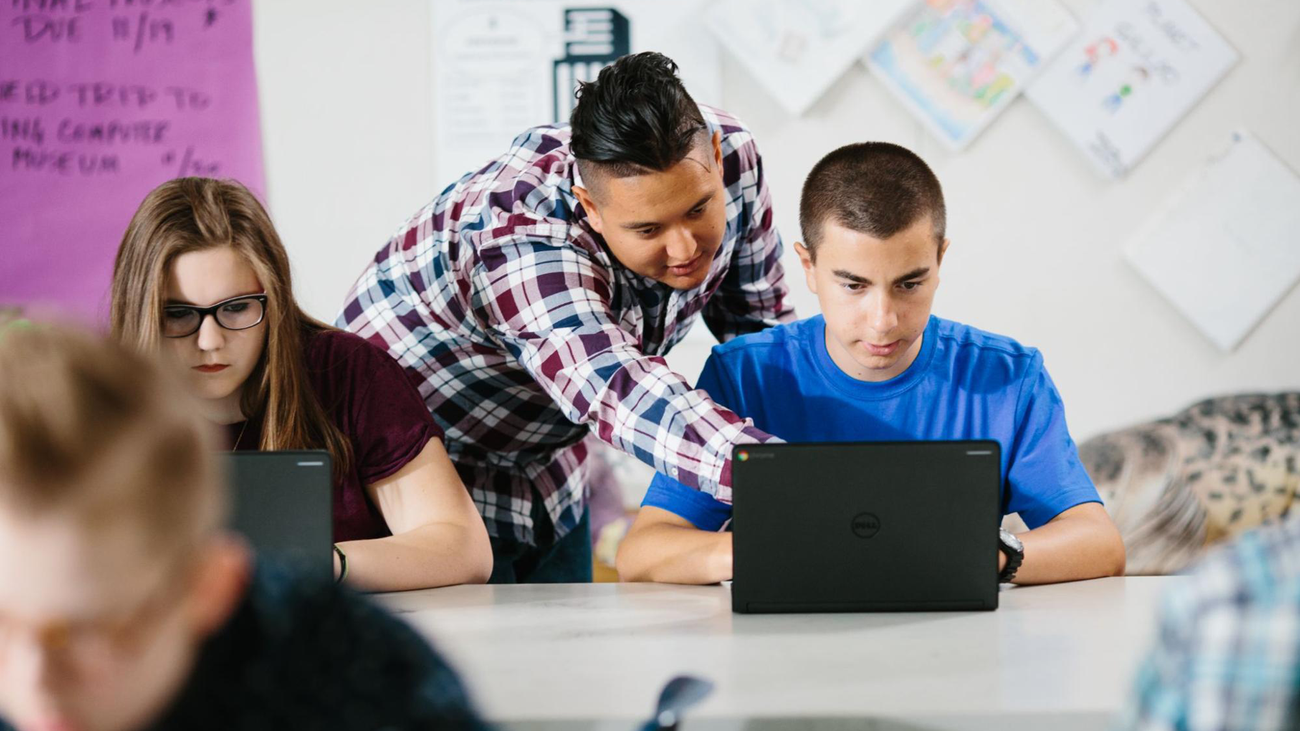
AI Is Hollowing Out Higher Education
Olivia Guest & Iris van Rooij urge teachers and scholars to reject tools that commodify learning, deskill students, and promote illiteracy.

The Ed. Dept. Wants to Steer Grant Money to AI. What That Means for Schools
The Education Department is proposing to make advancing AI in education one of its grantmaking priorities.
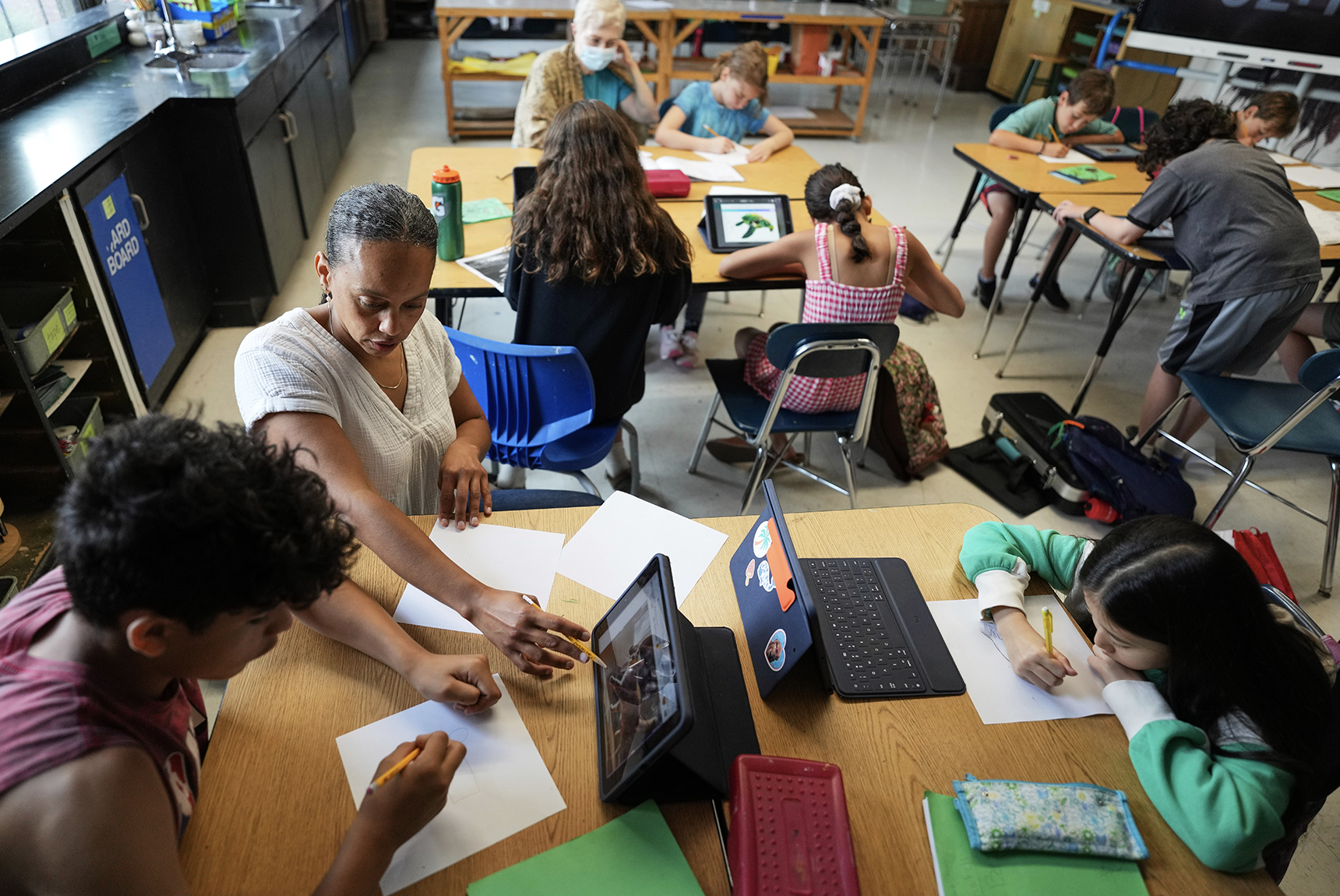
A new direction for students in an AI world: Prosper, prepare, protect | Brookings
This report explores the potential risks generative AI poses to students and outlines what we can do now to minimize them.

Kevin A. Bryan - Eight Rules for Teaching in AI World
Eight rules for how university teaching should change because of AI.
The UAE embraces AI for kindergartners
The country’s approach offers a glimpse of what education could look like if AI literacy becomes as fundamental as reading and writing.

AI Literacy Across the Curriculum
As you have no doubt seen, AI is becoming ubiquitous in our lives and in the technologies we use every day. Generative AI is no longer an experimental tool, but a deployed technology in many of the…

Artificial intelligence, cognitive offloading and implications for education
This report investigates the challenge driven by the rapidly expanding use of artificial intelligence (AI) in schooling: the risk that students will outsource too much of the cognitive work that is crucial to establishing knowledge, skill and ‘thinking infrastructure’. The report includes specific recommendations for policy and teaching and learning strategies.
Learning in the Open: What AI Is (and Isn’t) Changing
Khan Academy shares what’s working with AI tutoring, what isn’t, and what we’ve learned from Khanmigo to better support student learning.

Children of the Magenta Line
Why minimally guided AI does not work. Chatbots, novices, the automation of learning and the case for Alpha School
AI in the Classroom

Investigating AI usage in the classroom as a parent of a child entering the K-12 system.
Use of technology in classrooms has been a disaster for students [column]

NYC school system to ban AI for elementary, middle school students
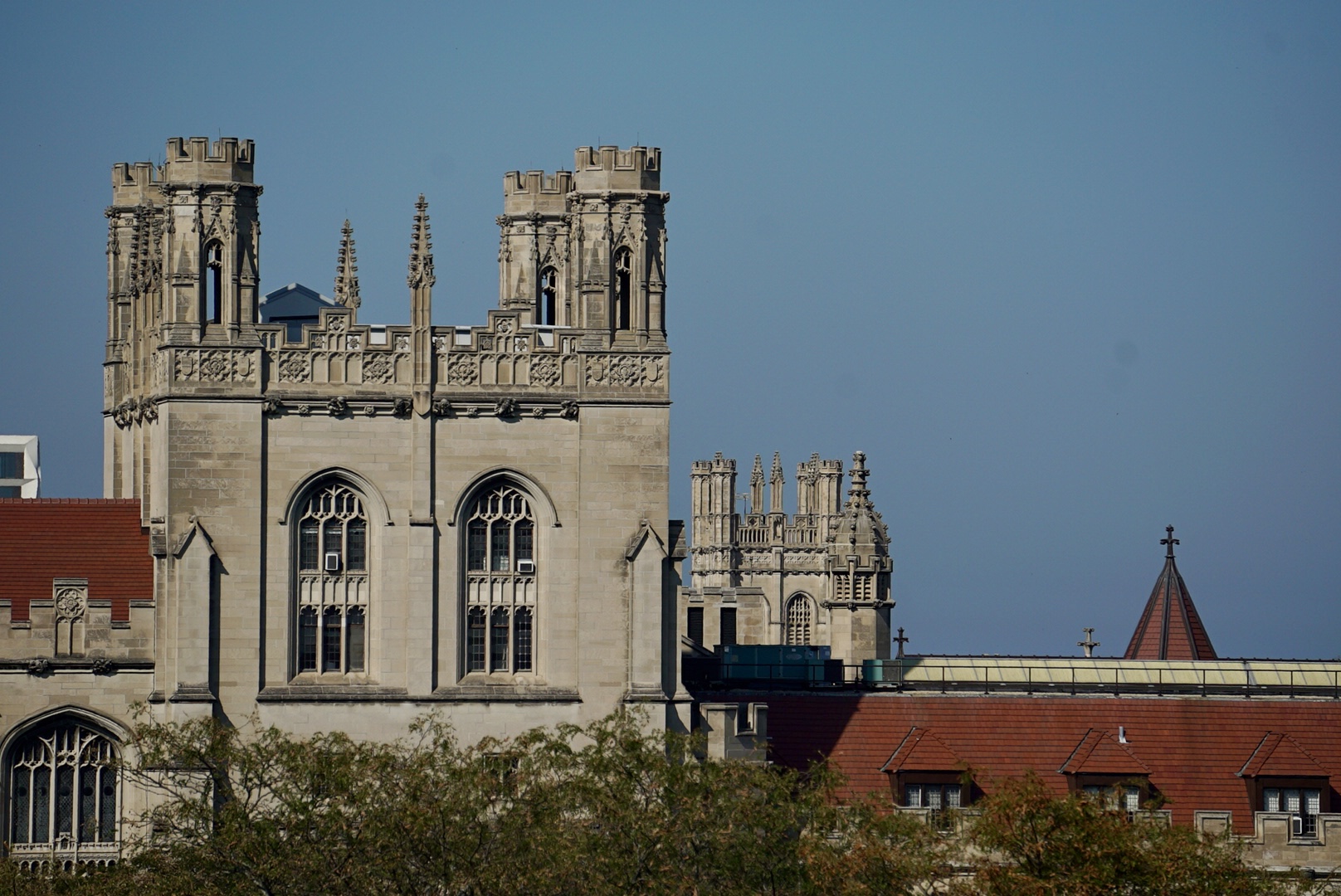
Sosc Core to Institute AI Ban, Technology-Free Classrooms This Fall
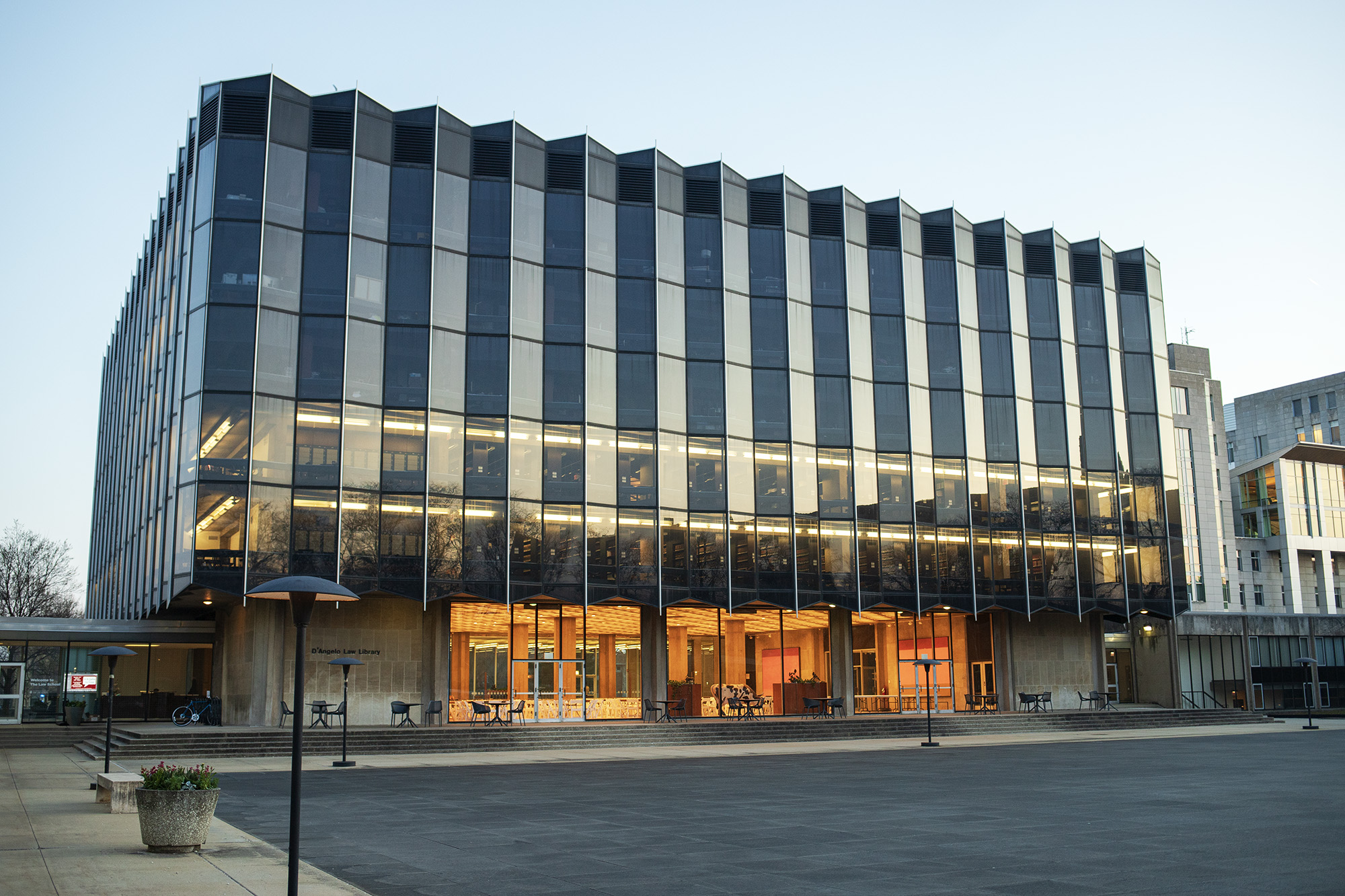
“The Template for Law Schools Around the World”: UChicago Law School Announces New AI Strategy

Does AI stop children from learning?
A new direction for students in an AI world: Prosper, prepare, protect | Brookings